• News
  • Life
  • TV & Film
  • Beauty
  • Style
  • Home
  • News
    • Celebrity
    • Entertainment
    • Politics
    • Royal Family
  • Life
    • Animals
    • Food & Drink
    • Women's Health
    • Mental Health
    • Sex & Relationships
    • Travel
    • Real Life
  • TV & Film
    • True Crime
    • Documentaries
    • Netflix
    • BBC
    • ITV
    • Tyla Recommends
  • Beauty
    • Hair
    • Make-up
    • Skincare
  • Style
    • Home
    • Fashion
    • Shopping
  • Advertise
  • Terms
  • Privacy & Cookies
  • LADbible Group
  • LADbible
  • UNILAD
  • SPORTbible
  • GAMINGbible
  • UNILAD Tech
  • FOODbible
  • License Our Content
  • About Us & Contact
  • Jobs
  • Latest
  • Topics A-Z
  • Authors
Facebook
Instagram
X
Threads
TikTok
Submit Your Content
Neurologist reveals the single scariest thing she sees people doing to their brains

Home> Life

Updated 11:40 16 Aug 2024 GMT+1Published 17:48 14 Aug 2024 GMT+1

Neurologist reveals the single scariest thing she sees people doing to their brains

This common habit could be impacting your brain, but the good news is there's a quick fix

Kya Buller

Kya Buller

A neurologist has shared her opinion on the worst possible thing we can do to our brains as she admitted people 'truly don’t make the connection'.

Kim Johnson Hatchett, who alongside being a neurologist also works as a public speaker and regularly posts medical advice on social media platforms such as TikTok, has shared her findings.

In a new interview with Self, she shared the one thing that 'concerns [her] the most' as a neurologist.
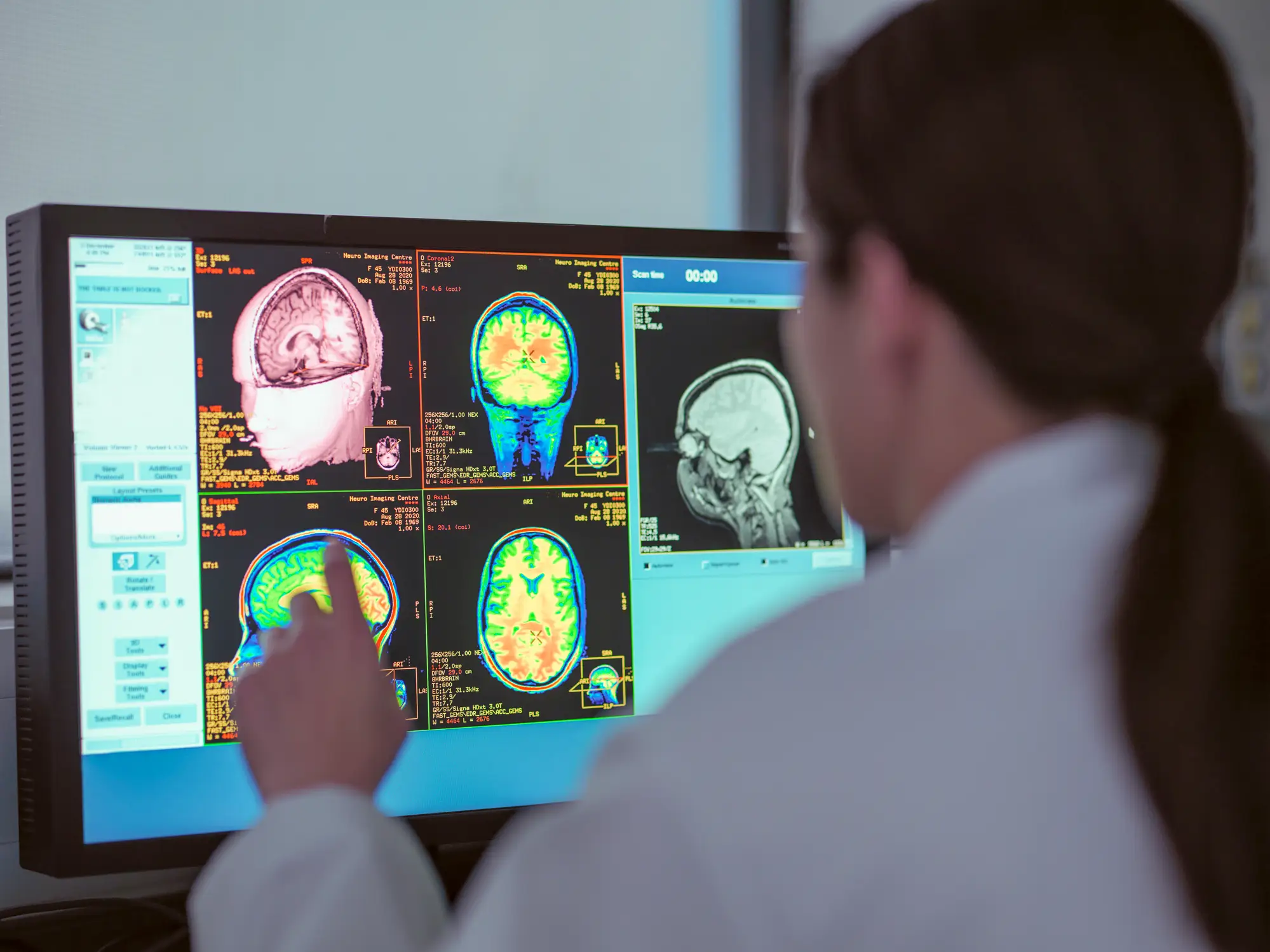
A neurologist has opened up about the way we treat our brains. (Getty Stock Image)

Advert

She said that it is 'muscle weakness'.

She adds: "[It] is more tightly linked to brain health than most people realise.

"So many of my patients are frustrated by their lack of mobility. I ask them about their activity level, and they often admit they aren’t really exercising at all.

"They truly don’t make the connection that their weakness is due to their lack of muscle movement, and they definitely are unaware of the impact that it might be having on their brain."

As for why this is happening, Hatchett suggests its down to life balance.

She says: "People in their 30s and 40s are forgoing workouts because they’re hustling in their career, working side jobs, or running around with their kids, and they are just not taking care of themselves."

Hatchett encourages exercise. (Getty Stock Image)

Adding more context to her findings, Hatchett added: "Every time you exercise, you secrete nerve growth factor, a peptide involved in regulating neurons in the brain.

“It can also support myelin, the neuroprotective sheath that helps nerve fibers shuttle electrical impulses quickly and efficiently and can degenerate with age.”

Making the case for people to move their bodies more, the neurologist explained that it helps improve cognitive function.

"Even a little bit of daily movement reduces your dementia risk", she said.


As for how we can tackle this in a realistic way, Hatchett suggests taking up a sport, signing up for a workout class or simply being aware of moving your body - for example, by taking more steps throughout the day.

Hatchett stressed: "If you want to maintain your mobility and cognitive abilities, one investment you can make is exercising and using your muscles on a daily basis.

"That pop of [nerve growth factor] will just help your brain function better.”

She concluded her advice with a reminder that we are all the sailors of our own ship.

"Ultimately, what I wish people knew is that you have more control in the aging process than you realise!

"Getting weaker as you age is not inevitable and regular exercise and strength training will pay off in dividends in the end."

Featured Image Credit: Getty Stock Images

Topics: Health, TikTok

Kya Buller
Kya Buller

Kya is a Journalist at Tyla. She loves covering issues surrounding identity, gender, sex and relationships, and mental health. Contact: [email protected]

X

@kyajbuller

Advert

Advert

Advert

Choose your content:

3 hours ago
19 hours ago
20 hours ago
  • Getty Stock Images
    3 hours ago

    ‘Sunny side up’ babies explained - they’re not as cheerful as they sound

    The birthing experience is notably different

    Life
  • Getty Stock Images
    19 hours ago

    Experts reveal the most overlooked early warning signs of Alzheimer's

    Catching Alzheimer’s disease early can help patients and families plan ahead

    Life
  • Getty Stock Images
    19 hours ago

    If your period is ‘pouring out like water’ you might need to see a doctor

    Two doctors have shared their expertise on the seriously uncomfortable period symptom

    Life
  • Getty Stock Images
    20 hours ago

    Urgent health warning issued against 'period douching'

    Health experts have warned against the shower routine step and outlined major feminine hygiene risks

    Life
  • ‘Where has this been all of my life?’ Women losing it over plumping lip gloss
  • NHS advice on MS after Christina Applegate reveals five ‘weird’ symptoms she ignored
  • Reason behind why your mood is so off balance at the moment as everyone appears to be feeling same thing
  • Woman who gets paid to help parents name their babies reveals which names she doesn't like