tyla homepage
  • News
  • Life
  • TV & Film
  • Beauty
  • Style
  • Home
  • News
    • Celebrity
    • Entertainment
    • Politics
    • Royal Family
  • Life
    • Animals
    • Food & Drink
    • Women's Health
    • Mental Health
    • Sex & Relationships
    • Travel
    • Real Life
  • TV & Film
    • True Crime
    • Documentaries
    • Netflix
    • BBC
    • ITV
    • Tyla Recommends
  • Beauty
    • Hair
    • Make-up
    • Skincare
  • Style
    • Home
    • Fashion
    • Shopping
  • Advertise
  • Terms
  • Privacy & Cookies
  • LADbible Group
  • LADbible
  • UNILAD
  • SPORTbible
  • GAMINGbible
  • UNILAD Tech
  • FOODbible
  • License Our Content
  • About Us & Contact
  • Jobs
  • Latest
  • Topics A-Z
  • Authors
Facebook
Instagram
X
Threads
TikTok
Submit Your Content
Woman explains why you should never hit the snooze button

Home> Life> Life hacks

Updated 15:54 3 Nov 2023 GMTPublished 15:56 3 Nov 2023 GMT

Woman explains why you should never hit the snooze button

Hitting the snooze button multiple times can actually leave you feeling more tired

Bec Oakes

Bec Oakes

google discoverFollow us on Google Discover
Featured Image Credit: Featured Image Credit: TikTok/@melrobbins/Pexels

Topics: Health, Life, TikTok, Sleep, Advice, Hacks, Science

Bec Oakes
Bec Oakes

Advert

Advert

Advert

We're all guilty of hitting the snooze button a few too many times in the morning and getting back under the covers for an extra 10 minute kip.

But what if this seemingly harmless activity was one of the worst possible ways to start your day.

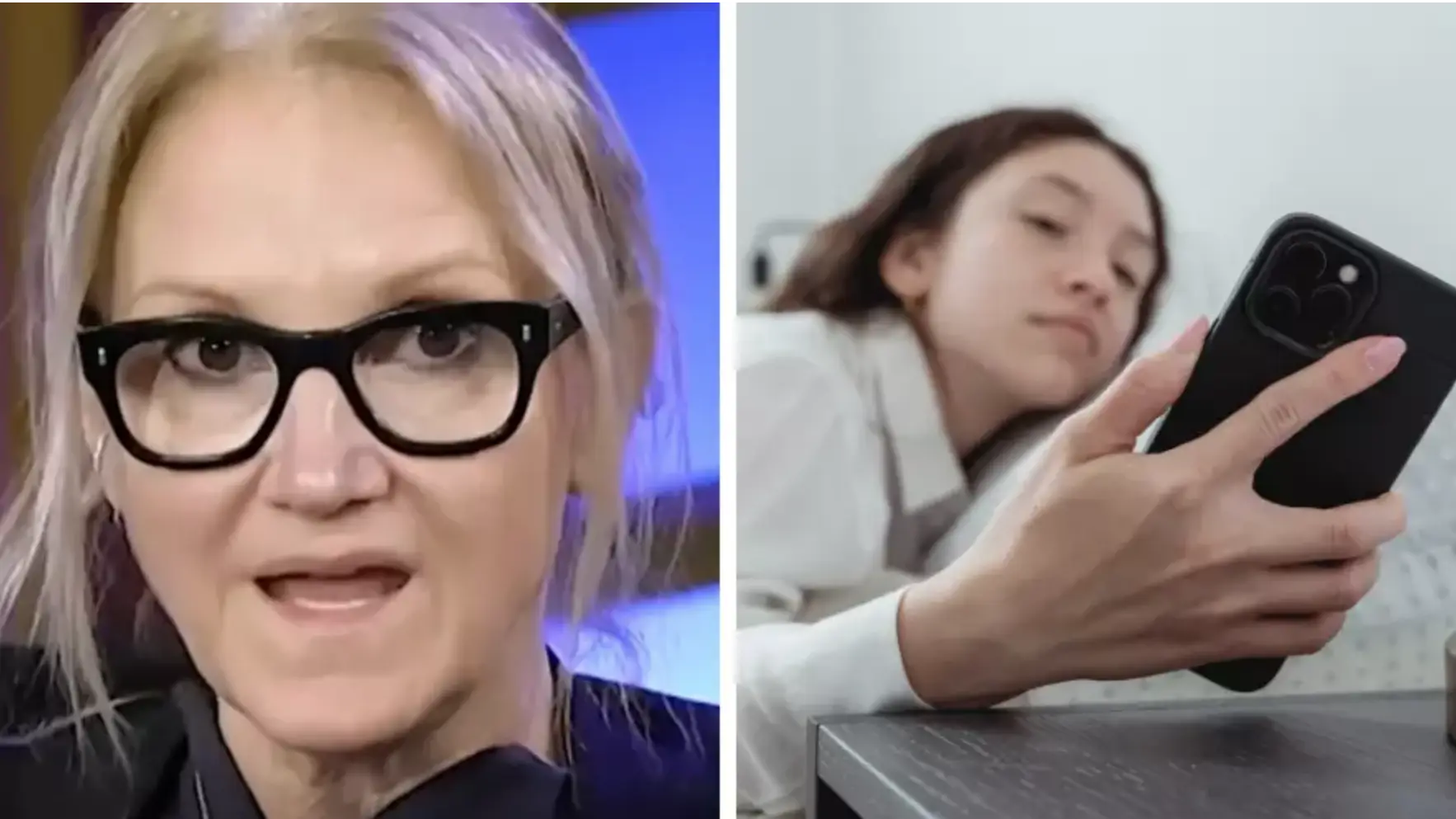
Well, Mel Robbins - an author best known for her her TEDx talk 'How to Stop Screwing Yourself Over' - has taken a deep-dive into the science behind snoozing in the morning, and how it can disorient your entire morning.

Take a listen to what she has to say:

Advert

The lawyer-turned-podcaster explained in an episode of her series, The Mel Robbins Podcast, how hitting the snooze button results in something called sleep inertia.

The CDC explain that sleep inertia is a temporary disorientation and decline in performance and/or mood after awakening from sleep.

Robbins explains that when you hit the snooze button, 'you're awake, and as the alarm turns off, your brain then drifts back into sleep.'

She adds: "And here's the thing researchers have figured out, when you drift back to sleep after you've woken up, your brain starts a sleep cycle."
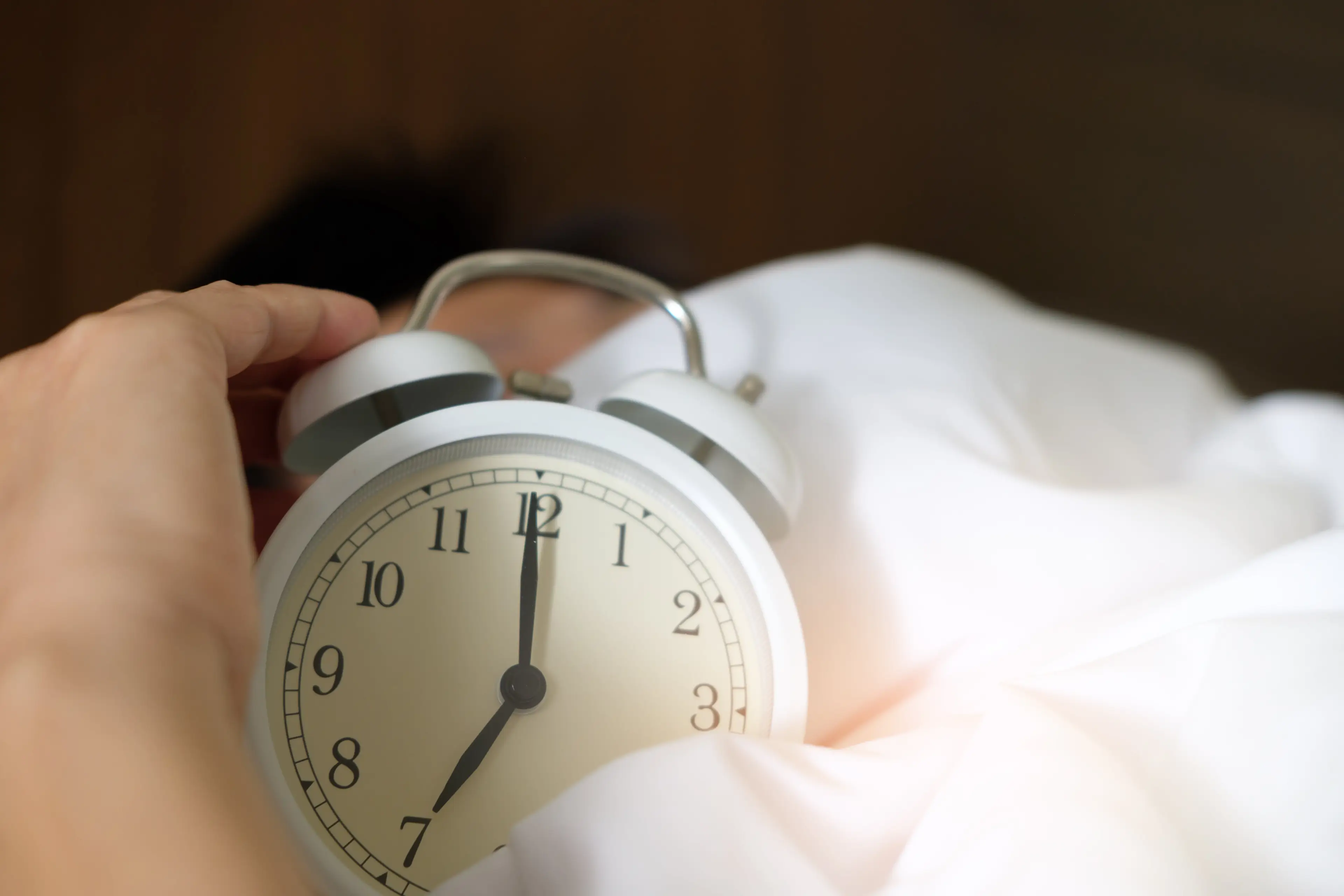
Mel Robbins has urged people to not be snoozing their alarms in the morning.
Pexels

To put that into context, a normal sleep cycle in an adult takes between 90 and 110 minutes to complete, according to the National Institutes of Health.

"So when that alarm goes off again in nine minutes, and you're like 'oh my god!', have you ever noticed you're like, in deep sleep when you drift back to sleep?" Robbins ponders.

This is because you're technically nine minutes into a sleep cycle, which, as we now know, averages around 90 minutes.

"That groggy, exhausted feeling that you have... that's not a function of how well you slept," Robbins says.

"That's you and me being an idiot for hitting the snooze button and putting our brain in a state of sleep inertia. And it takes your brain around four hours to get through that groggy-ass feeling."
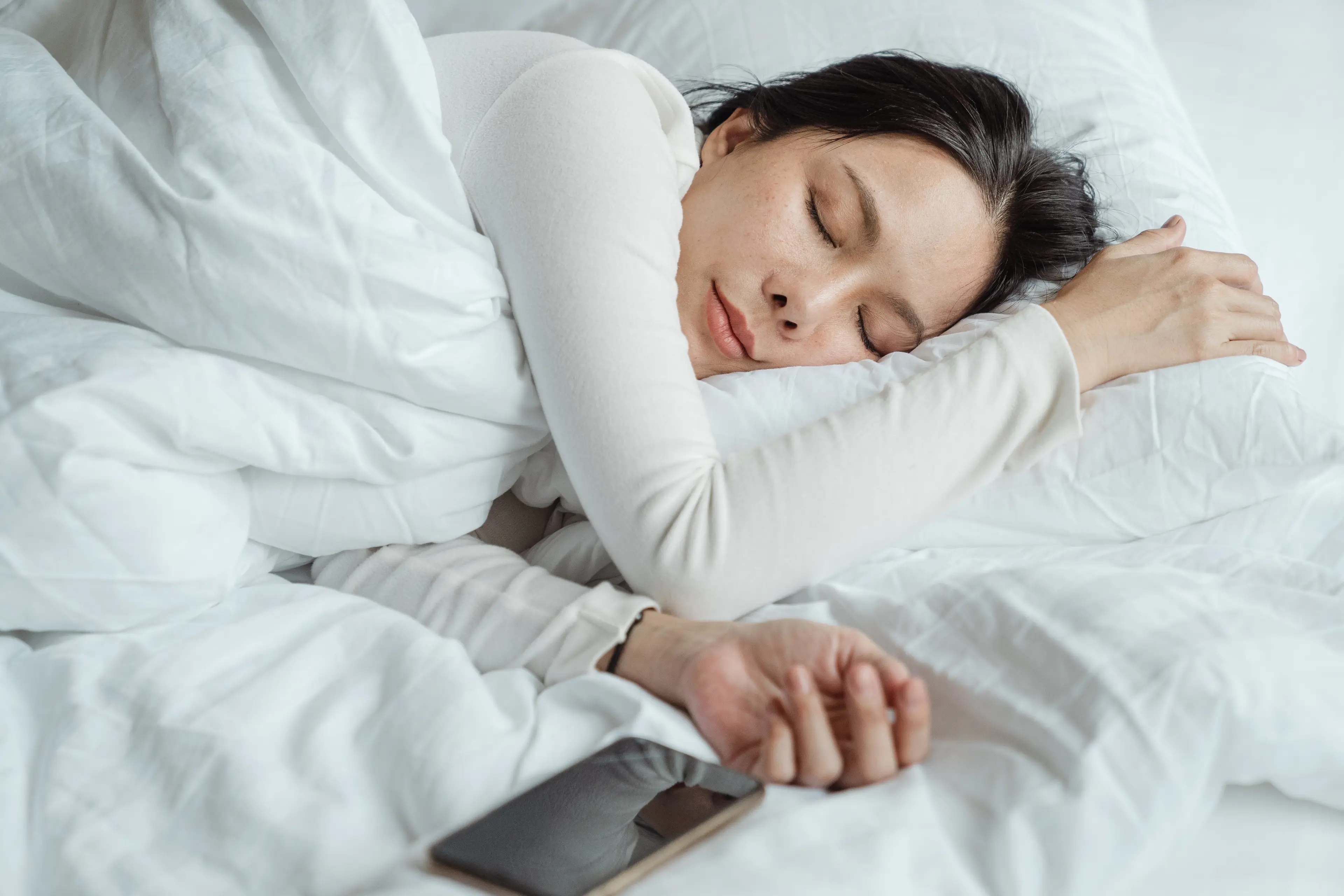
Snoozing alarms results in us drifting in and out of sleep cycles, which is why we may feel so groggy and tired in a morning.
Pexels

People are stunned to hear the science behind the snooze button, with one commenting on TikTok: "Damn I guess I gotta change my snooze to 75 mins then."

And another said: "My relationship with the snooze button is OVER."

While someone pointed out: "Ohhh I didn’t know this! I always wondered why I was so groggy in the mornings even after getting a full nights rest!!"

But, while we should all probably end our toxic relationships with the snooze button, I think I'm already in too deep...

Choose your content:

17 hours ago
19 hours ago
20 hours ago
  • JB Lacroix/WireImage
    17 hours ago

    Uterine fibroid symptoms to watch for as Lupita Nyong’o opens up about diagnosis 'shame'

    The Oscar-winning A-lister has had 77 uterine fibroids over the years, with the largest being the size of an orange

    Life
  • Getty Stock Images
    19 hours ago

    'Distressing' women’s health condition that is often mistaken for miscarriage

    A decidual cast can be seriously alarming for any women who doesn't actually know what it is

    Life
  • Getty Stock Images
    19 hours ago

    'White plague' symptoms to watch out for as cases continue increasing

    Tuberculosis was nicknamed the 'white plague' largely due to the extreme, anaemic complexion of its sufferers

    Life
  • Getty Stock Image
    20 hours ago

    Psychologists explain 'era of self-surveillance' led by Gen Zs and Millennials

    For Gen Z, hobby apps like Goodreads, Strava, and Letterboxd have become as essential as social media sites

    Life
  • Woman praised for sharing the easiest way to wake up early
  • Expert says 10-3-2-1-0 rule will give you the best night's sleep
  • 'Military sleep method' can make you fall asleep anywhere in just two minutes
  • Expert shows why you should never sleep on your stomach