
Death investigator breaks down what happens to your body 24 hours after you die

A former death investigator has detailed exactly what happens to the human body in the 24 hours after its demise, remarking on how quickly remains will go into full rigour and how blood can help experts identify how long ago a person died.
You may already be familiar with the name Barbara Butcher, the revered forensic scientist who worked for the New York City Office of the Chief Medical Examiner.
Whilst in active service, the expert was one of the many people responsible for the recovery and identification of people who died at the World Trade Centre on 9/11, and sadly saw her fair share of dead bodies.
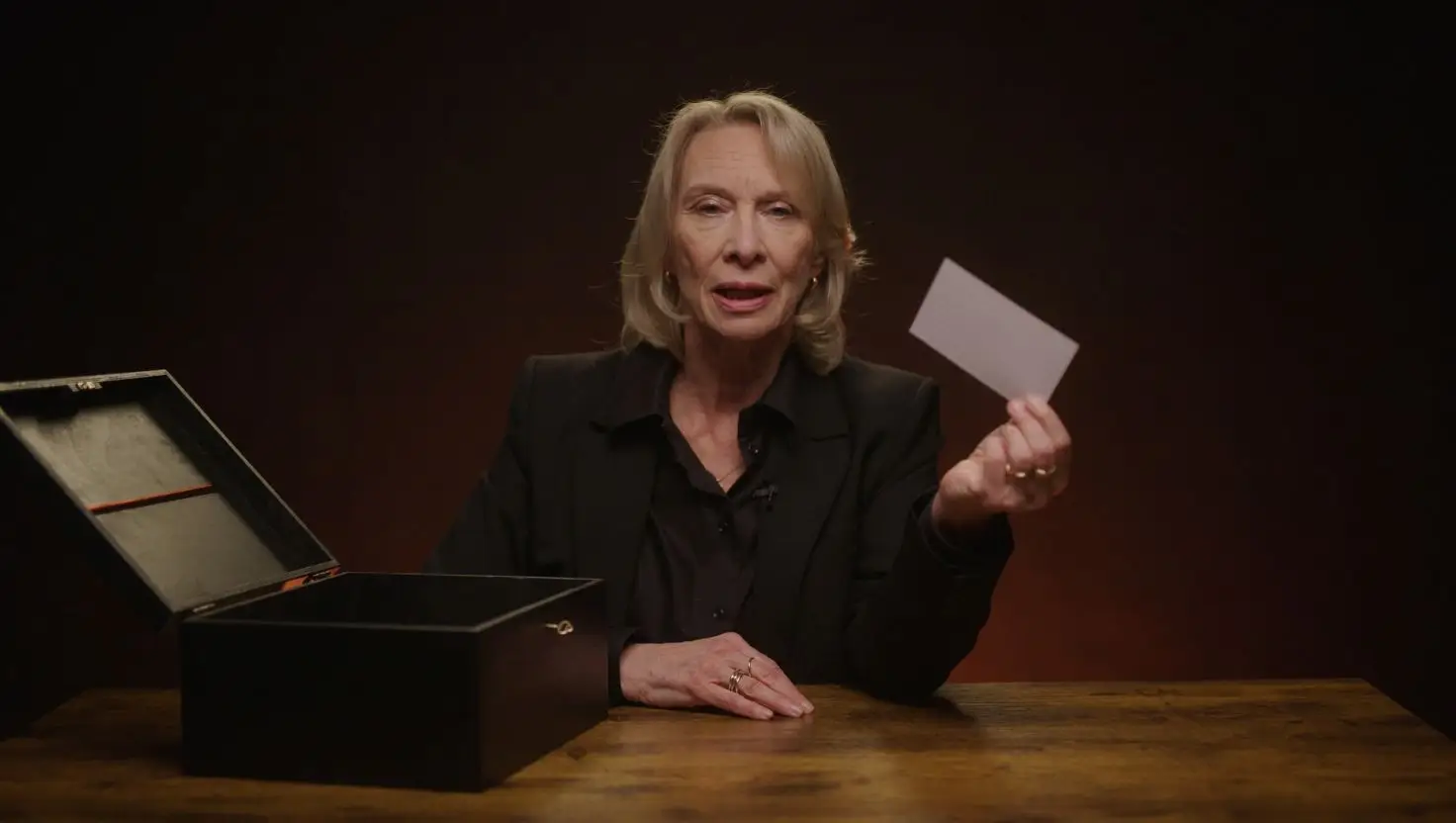
In a new Honesty Box sit-down with LADbible Stories on YouTube, Butcher has detailed exactly what you would expect to see just hours after someone had died.
Advert
Apparently, details really do depend on where you live, the temperature, and the season.
However, despite these variables, everyone’s remains will almost immediately experience rigor mortis, she explained.
Rigor mortis will set in, says Barbara Butcher
Rigor mortis, the temporary stiffening of a body’s muscles after death, initially impacts the jaw, the neck, and the fingers before bigger muscles begin to stiffen.
“It happens over time. It's a progression. In about 24 hours, you'll go into full rigour in the first, let's say, eight to 10 hours,” she said in the YouTube video.
“Then you'll stay in full rigour for another maybe 12 hours. And then you'll gradually come out.

“So I can tell if a person's coming into rigour or is going out of rigour by the order of what the muscles are doing. And I use that to establish the time of death. And that's one of the things that happens.”
Bacteria is likely to rapidly multiply on a corpse
Another thing that happens in the first 24 hours after you die is that bacteria runs wild.
“They start giving off gases, bloating the body, and the blood settles by gravity. If you're laying on your back, your blood will all settle into your back eventually. And it happens over time, and I can use that to tell how long you've been dead,” the expert mused.
And of course, body temperature will have a dramatic shift once you are deceased.
To get the temperature of a dead body, Bucher covers a rectal thermometer with a condom.
Usually, the average body temperature will be between 70 and 72 degrees, cooling at a rate of around 1.5 degrees every single hour.
Barbara Butcher’s ‘worst way’ to die
Elsewhere in the LADbible Stories video, Butcher, who spent 23 years in her role at the NYC Office of Chief Medical Examiner (OCME), revealed what she believed the ‘worst way to die’ was.
“I think drowning for me personally. Yeah, the idea of air hunger, of choking, and struggling, and inhaling water and vomiting. That sounds like a really, really awful way to die.”
What happens if you step into a dropping elevator
She also explored exactly what would happen if you stepped into an elevator that suddenly drops like it does on the movies.
“When an elevator door opens, there's a slight, slight chance that that elevator will suddenly drop, and if you happen to step into the elevator at the critical moment and it drops, you're going to be compressed horribly between the top of the elevator and the floor.”
She added: “It's happened and it is an awful, awful thing.”
You can watch the full interview with Barbara Butcher on the LADBible Stories YouTube channel here.
Topics: Crime, Real Life, True Crime
 Ella Scott