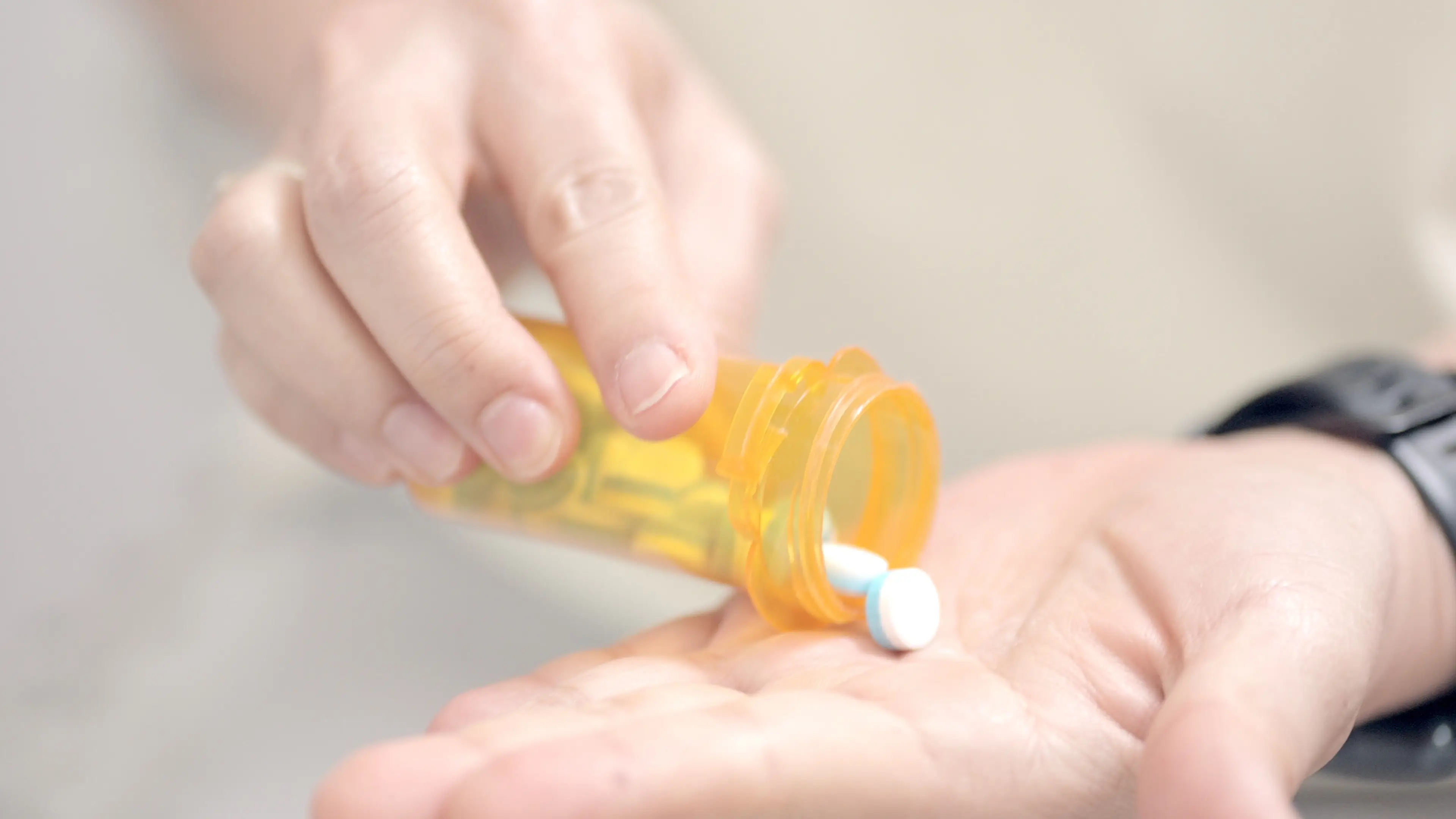
Anyone taking anxiety medication warned against drinking certain drink - it’s not alcohol

A warning has been issued to anyone who takes medication for anxiety over drinking a certain drink - and it's not alcohol.
According to the NHS, mixing none other than grapefruit and its juice, with some of the most commonly used medications in the UK, including some statins, amlodipine and anti-anxiety tablets, can bring about some pretty dire health side effects.
In a statement on the official NHS website, it says: "Do not take amlodipine with grapefruit juice.
"Having large amounts of grapefruit or grapefruit juice can increase how much amlodipine is in your body and make side effects worse." It continued: "If you are affected, you may have to avoid eating grapefruit or drinking grapefruit juice while taking amlodipine."
Advert
The same applies to people on various other medications, including the following, which are prescribed as anti-anxiety meds: Alprazolam (Xanax), Diazepam (Valium), Midazolam (Versed), sedatives (Benzos).
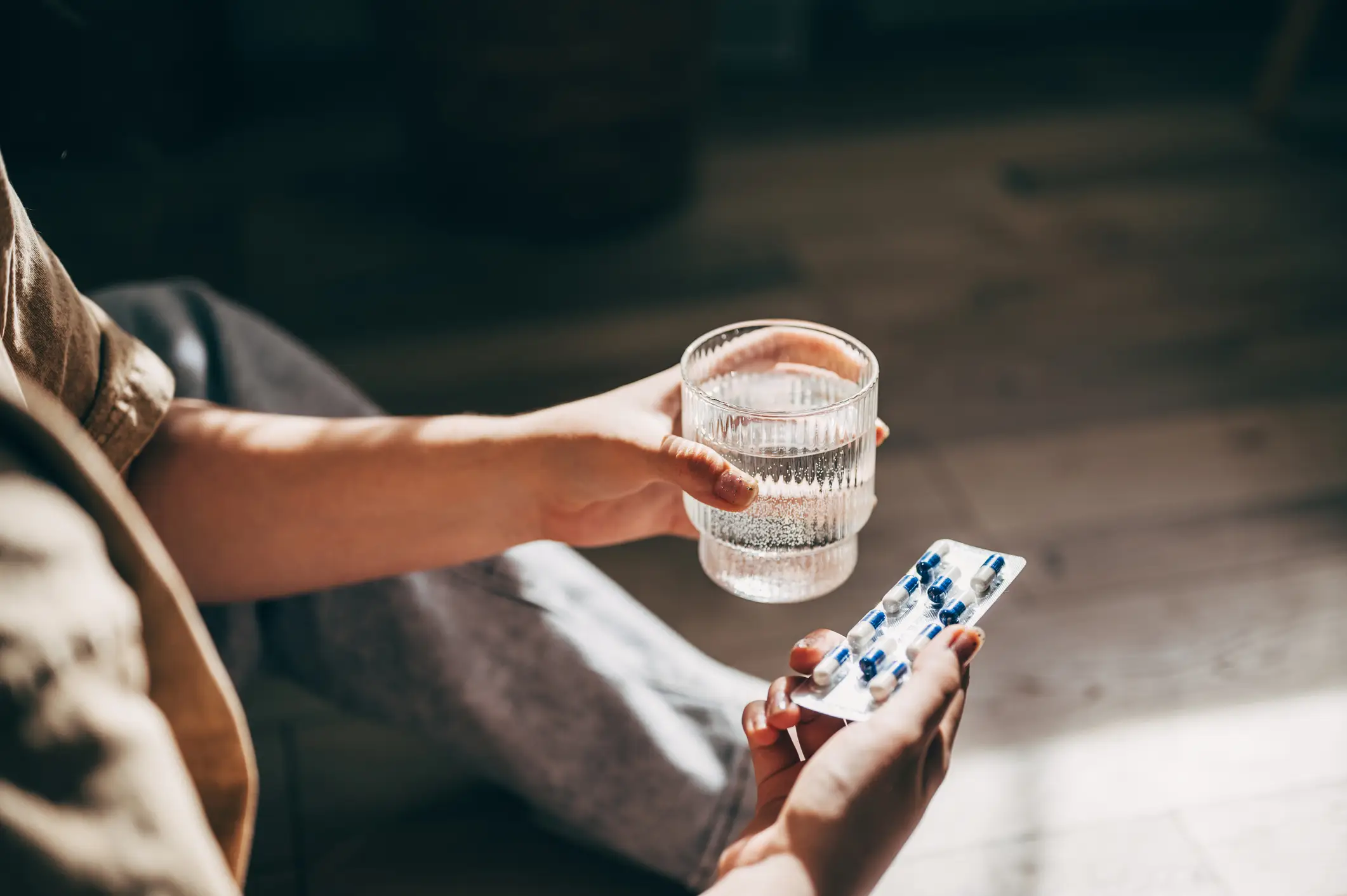
Others include:
- Statins: Simvastatin, Atorvastatin, Lovastatin.
- Blood pressure: Amlodipine, Diltiazem, Verapamil, Carvedilol, Amiodarone.
- Anti-anxiety: Alprazolam (Xanax), Diazepam (Valium), Midazolam (Versed), sedatives (Benzos).
- Anti-blood-clotting: Warfarin, Clopidogrel (Plavix).
- Organ transplant: Cyclosporine, Tacrolimus, Sirolimus.
- Antihistamines: Fexofenadine (Allegra).
- Erectile dysfunction: Sildenafil (Viagra).
- HIV/AIDS: Ritonavir, some protease inhibitors.
So, why grapefruit juice?
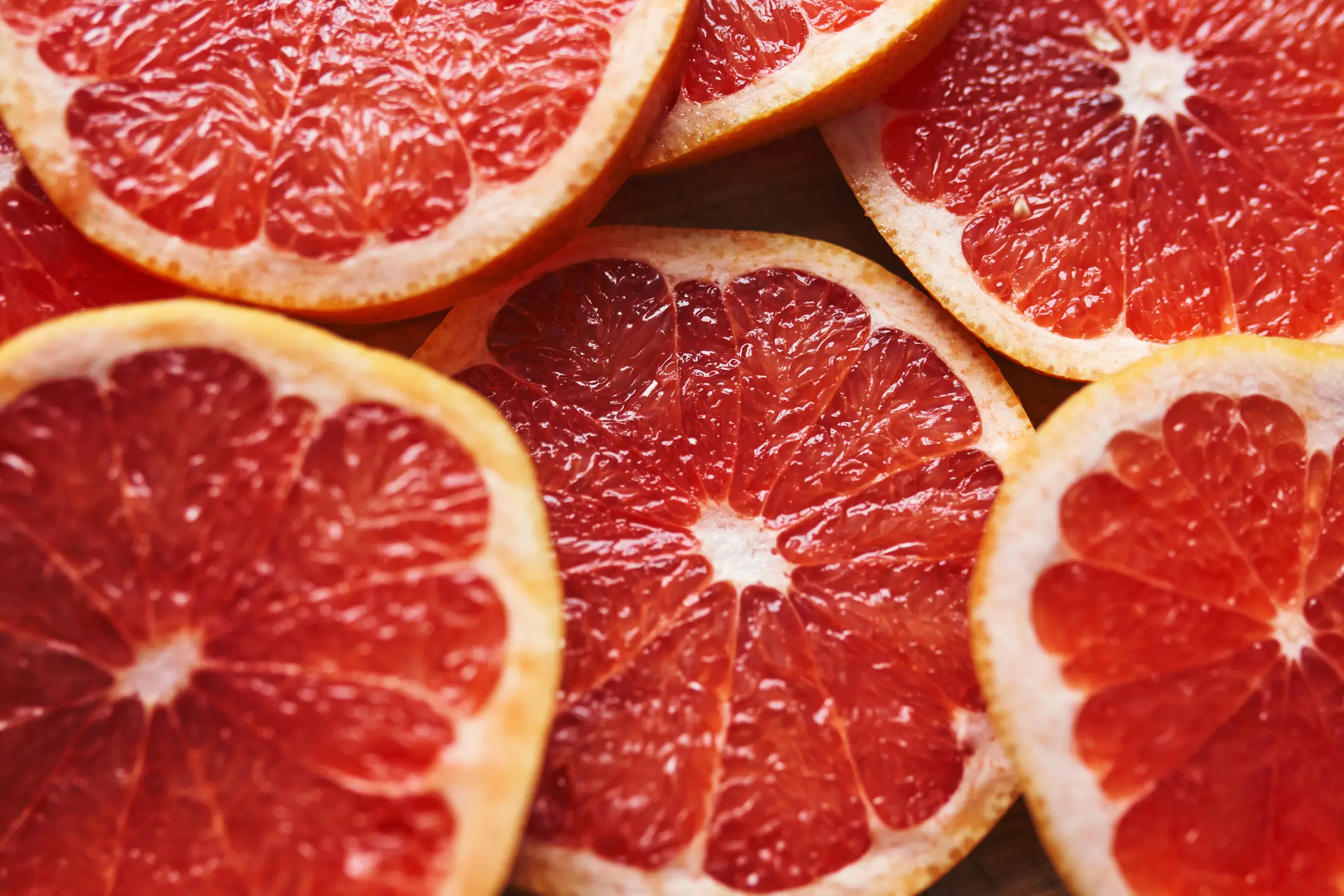
Well, it can dangerously raise the amount of the drug in your blood, which can cause serious side effects like kidney damage or muscle breakdown.
And it's not just grapefruit, as other citrus fruits that can interact with medications include Seville oranges, pomelos, and limes.
With most drugs that are affected by grapefruit juice, 'the juice lets more of the drug enter the blood,' says Shiew Mei Huang, PhD, of the FDA. "When there is too much drug in the blood, you may have more side effects."
Without getting too techy, many drugs are broken down (metabolised) with the help of a vital enzyme called CYP3A4 in the small intestine.
And it's grapefruit juice that can block the action of intestinal CYP3A4, so instead of being metabolised, more of the drug enters the blood and stays in the body longer.
As we say, the result is, simply put, having too much drug in your body.
The severity of the interaction can be different depending on the person, the drug, and the amount of grapefruit juice you drink. So, be sure to talk to your health care provider or pharmacist, and read any information provided with your prescription or non-prescription drug to find out if your specific drug may be affected, how much, if any, grapefruit juice you can have and what other fruits or juices may also affect your drug in a similar way to grapefruit juice.
If you're experiencing distressing thoughts and feelings, the Campaign Against Living Miserably (CALM) is there to support you. They're open from 5pm–midnight, 365 days a year. Their national number is 0800 58 58 58 and they also have a webchat service if you're not comfortable talking on the phone.
Topics: Mental Health, Advice, Life, Health, Food and Drink, NHS, UK News, News
 Rhiannon Ingle