
Bizarre ‘Alice in Wonderland’ syndrome that is common in kids

In Alice's Adventures in Wonderland, nearly everything that Alice encounters is either too big or too small.
Size change is a recurring theme in the book and subsequent film, with Alice shrinking to fit through tiny doors, or ballooning in size so tall her head hits the ceiling.
While this might seem like a fantasy and something that can only possibly exist in make-believe, there's actually a neurological condition which can impact the way a person perceives size.
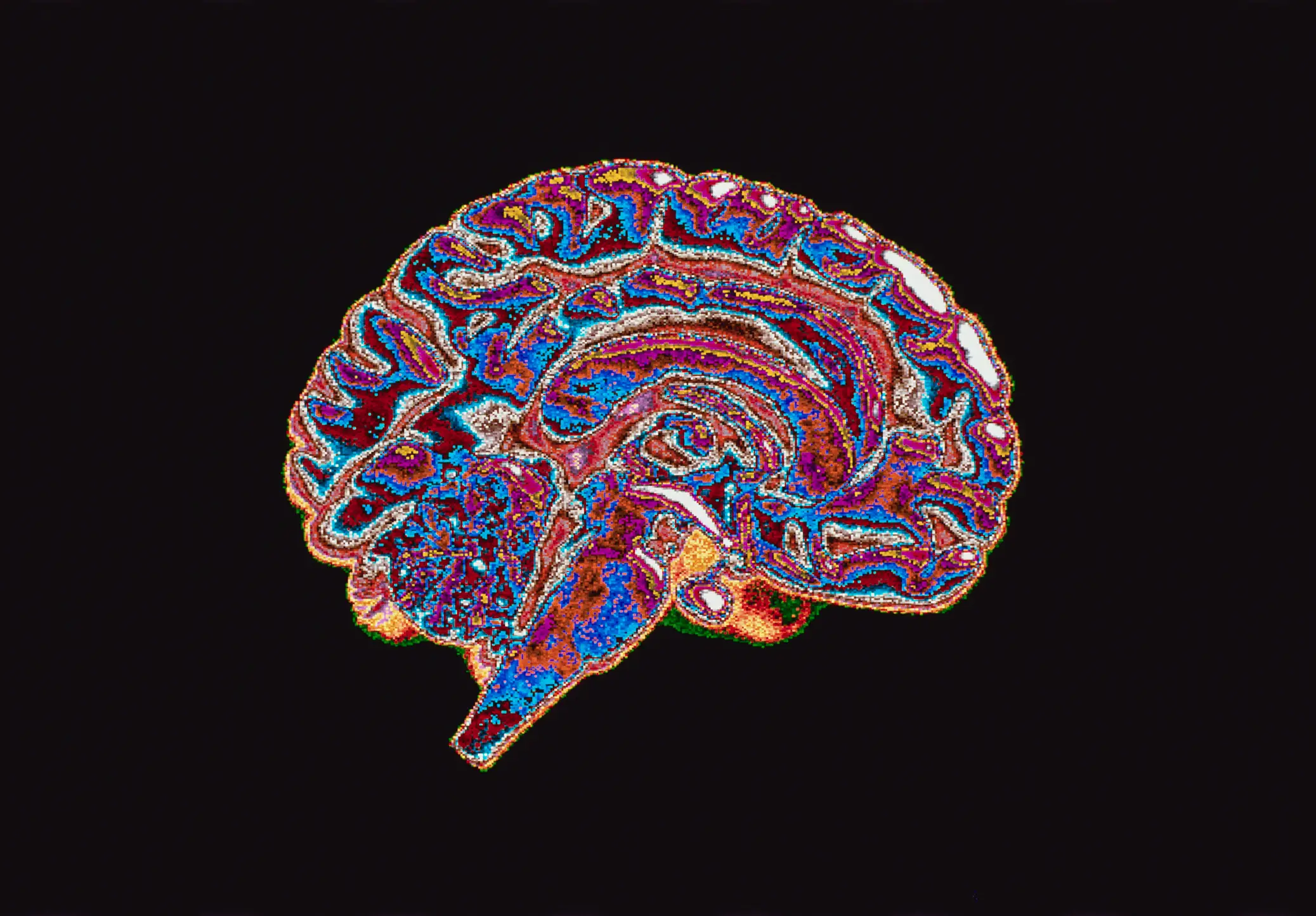
Alice in Wonderland syndrome is a neurological condition that essentially distorts reality and changes the way people see the world.
Advert

The condition seems to be most common in kids, with studies indicating that the majority of cases happen in those under 18.
As per Cleveland Clinic, the research and statistics on just how many people suffer from AIWS can be limited. This is because the condition is often temporary, meanwhile there is some disagreement among medical professionals over symptoms of the syndrome and what constitutes as a diagnosis, meaning it can often be under-diagnosed.
What are the symptoms of AIWS?
Symptoms of the syndrome can vary between self-perception and visual perception.
For example, self-perception symptoms include:
- Derealisation, in which a person feels disconnected from the world
- Depersonalisation, in which a person feels disconnected from their body
- Feeling as though you've been split in two
- A distorted sense of time
Meanwhile, visual perception symptoms can include:
- Perceived changes in size
- Perceived changes in distance
- Objects appearing distorted
What are the causes of AIWS?
Although experts don't know why AIWS occurs, they believe there are certain conditions that could cause it. Cleveland Clinic explain these include:
- Migraines
- Viral and bacterial infections
- Seizures
- Strokes
- Certain mental health conditions
- Medications
- Drug use
- Brain tumours
- Brain diseases
How is AIWS diagnosed and treated?
The condition is notoriously difficult to diagnose, due to symptoms being short-lived for most sufferers.
A neurological exam is likely to be performed as well as other diagnostic tests to rule out other conditions, such as scans and a lumbar puncture that tests the fluid around the brain and spine.
Over on Reddit, people have been discussing what AIWS feels like.
One person wrote: "I'll be lying in bed at night with my eyes closed and then all of a sudden I'll feel absolutely huge. And the bed will feel huge, and any nearby objects will also feel massive. Movement feels weird too, like I'm moving slowly but it feels super fast. I've gotten used to the feeling and enjoy it, so I keep my eyes closed and enjoy it while it lasts. Like you said, it doesn't last very long, less than a minute. Sometimes, I feel that if I try, I can get a smaller second wave of that sensation before it disappears."
While another added: "This happened to me ALL THE TIME as a kid. It extended to noises as well… I can remember trying to get up to shake myself out of it and the creaks of our old wooden floors would sound like fireworks to me. I would always see hallucinations of larger than life illusionary characters yelling/talking loudly above my bed. Am on the spectrum as an adult so it follows."
Topics: Health, Parenting, TV And Film
 Lucy Devine