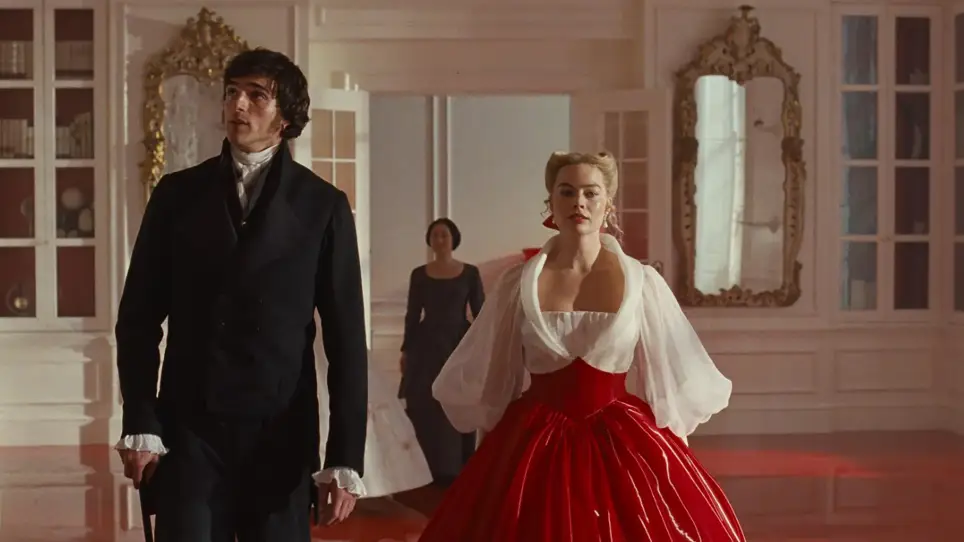
Every major change between Wuthering Heights film and Emily Brontë novel

It's been a whole week since Wuthering Heights landed in cinemas, and it's still dividing opinion.
Given the movie's controversial casting choices, elaborate costumes, Charli XCX soundtrack, and a whole load of suggestive scenes - we'll never look at raw fish and egg yolks the same again - it's understandable that it's not been everyone's cup of tea.
Some people have even gone as far as boycotting the movie completely. But whether you love it or hate it, it's no secret that the Emerald Fennell film is very different from Emily Brontë's original 1847 novel.
The film is set against the Gothic Yorkshire Moors and stars Margot Robbie and Jacob Elordi as star-crossed but destructive lovers Cathy and Heathcliff, and follows their intense, toxic, and passionate relationship that engulfs them and everyone around them.
Advert
Speaking about the differences between the book and the movie, director Fennell, who to be fair, has never claimed to be making a faithful adaption, said at the film's LA Premiere: "Everyone who loves this book has such a personal connection to it, and so you can only kind of ever make the movie that you sort of imagined yourself when you read it."
So, without further ado, here are all the major differences between the novel and film...
Hindley Earnshaw and Mr.Lockwood were missing
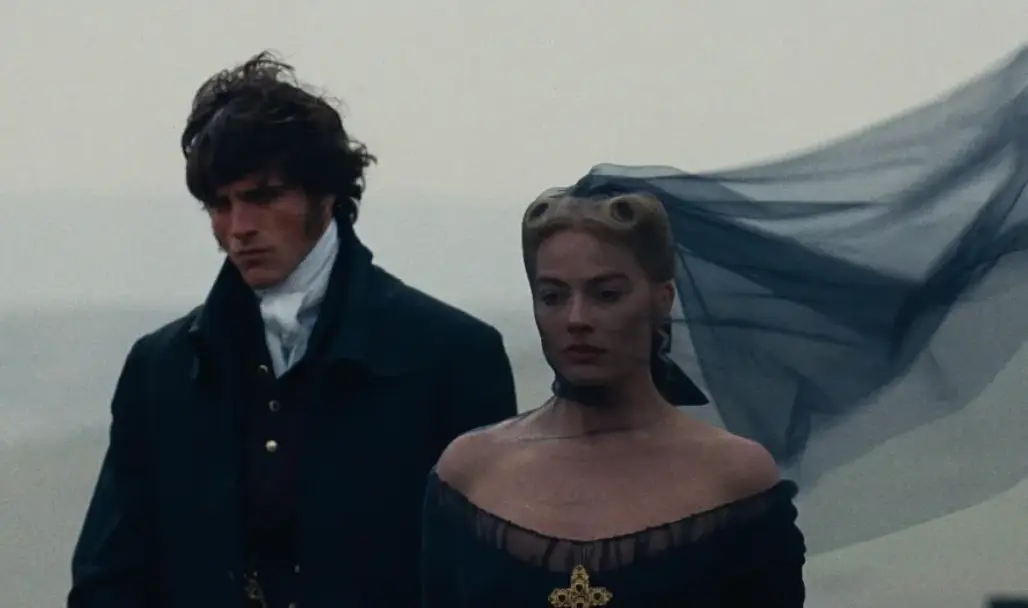
One of the biggest differences between Brontë's book and Fennell's film adaptation is the absence of characters - most notably, Hindley and Mr. Lockwood.
In the book, Cathy has an older brother - Hindley Earnshaw - who bullies Heathcliff out of jealousy that their father prefers him, which is not the case in the movie.
Hindley was the major antagonist in the book and was physically and emotionally abusive toward Heathcliff.
When Mr. Earnshaw dies, Hindley takes over as master of the estate and demotes Heathcliff to servant status, not allowing him an education and forcing him to perform manual labor.
In the book, Hindley's wife, Frances, dies after giving birth to their son, Hareton, and he becomes addicted to gambling and alcohol before dying alone.
In the film, Martin Clunes plays Mr. Earnshaw, whose role was expanded in Fennell's film to essentially cover both characters, taking bits and pieces from both.
Mr. Lockwood, a wealthy man who rents Thrushcross Grange and narrates most of Brontë's book, was also completely absent from the movie.
Two different endings
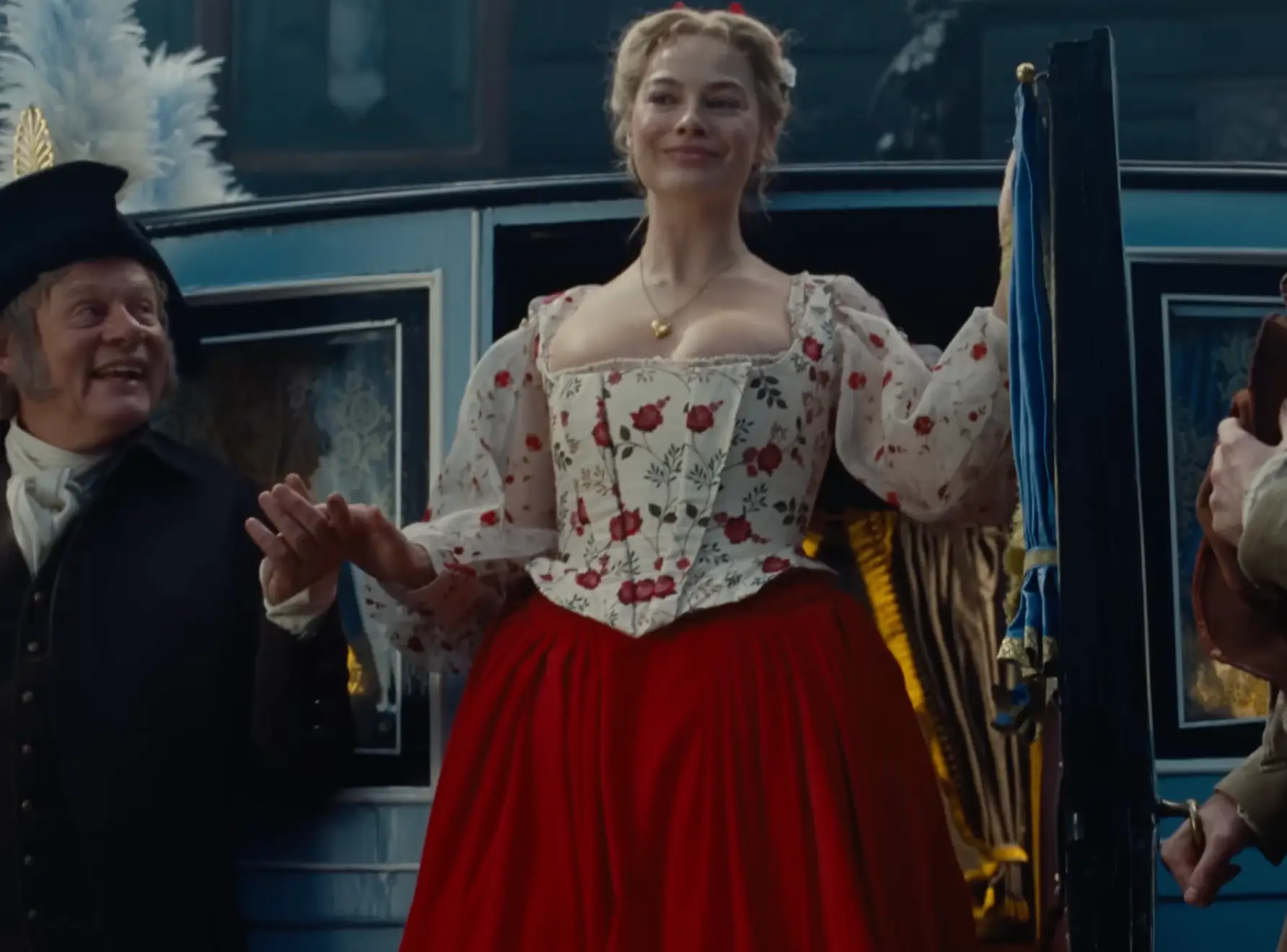
The movie ends, spoiler alert, with Cathy dying after a battle with sepsis.
Heathcliff arrives too late to say goodbye properly, and emotionally cradles her dead body as a montage of their romance flashes across the screen. Everyone in the cinema is weeping.
However, in the book, the story doesn't end quite there.
Brontë's novel is structured into two parts, with the first seventeen chapters covering the initial love story of Heathcliff and Catherine, and the final seventeen chapters focusing on the next generation - their respective children.
It follows the lives of Cathy Linton, the daughter of Catherine and Edgar Linton, who was never born in the film; Hareton Earnshaw, Hindley's son, and Linton Heathcliff, the son of Heathcliff and Isabella Linton, who again, wasn't born in the movie.
Heathcliff is ultimately found dead in Cathy’s old bedroom after becoming ill and weak.
The supernatural elements
Brontë's Wuthering Heights is a gothic novel, featuring a number of supernatural elements - but, you wouldn't know that from the film.
In the book, after Cathy dies, her ghost visits the narrator, Lockwood, one evening at Wuthering Heights and demands to be let in through a window.
Heathcliff also claims that he's haunted by his late lover throughout the novel, and people in the village say they've seen the ghosts of the two strolling on the Moors together after their deaths.
Mr. Earnshaw's character
As mentioned earlier, Mr. Earnshaw's character was quite different in the book compared to the movie.
Brontë's Earnshaw loves Heathcliff more than his own son and passes away peacefully with Cathy at his knee.
In the movie, he was made more of an antagonist, physically and mentally abusing Heathcliff and dying after a battle with alcoholism and gambling addiction.
Cathy's pregnancy and cause of death
One major change between the book and the movie adaptation was that Cathy never gave birth in the film.
At the end of Fennell's movie, we see Margot Robbie's character experience what looks like a miscarriage, before developing an infection and dying of sepsis.
In the book, Cathy has a mental breakdown, becomes ill and suffers pregnancy complications, but gives birth to a daughter named Catherine Linton just before she dies, who survives and plays a major role in the second half of the story.
Cathy and Heathcliff's final goodbye
In the movie, heartbreakingly, Cathy and Heathcliff never got to say goodbye before the former tragically died.
While Fennell's Cathy saw feverish hallucinations of her lover arriving in time and comforting her, it sadly never actually happened, and he was too late.
But in the book, Nelly helps Heathcliff sneak in and reunite with Cathy one last time before her death, and they share one last heartfelt conversation.
Heathcliff's ethnicity
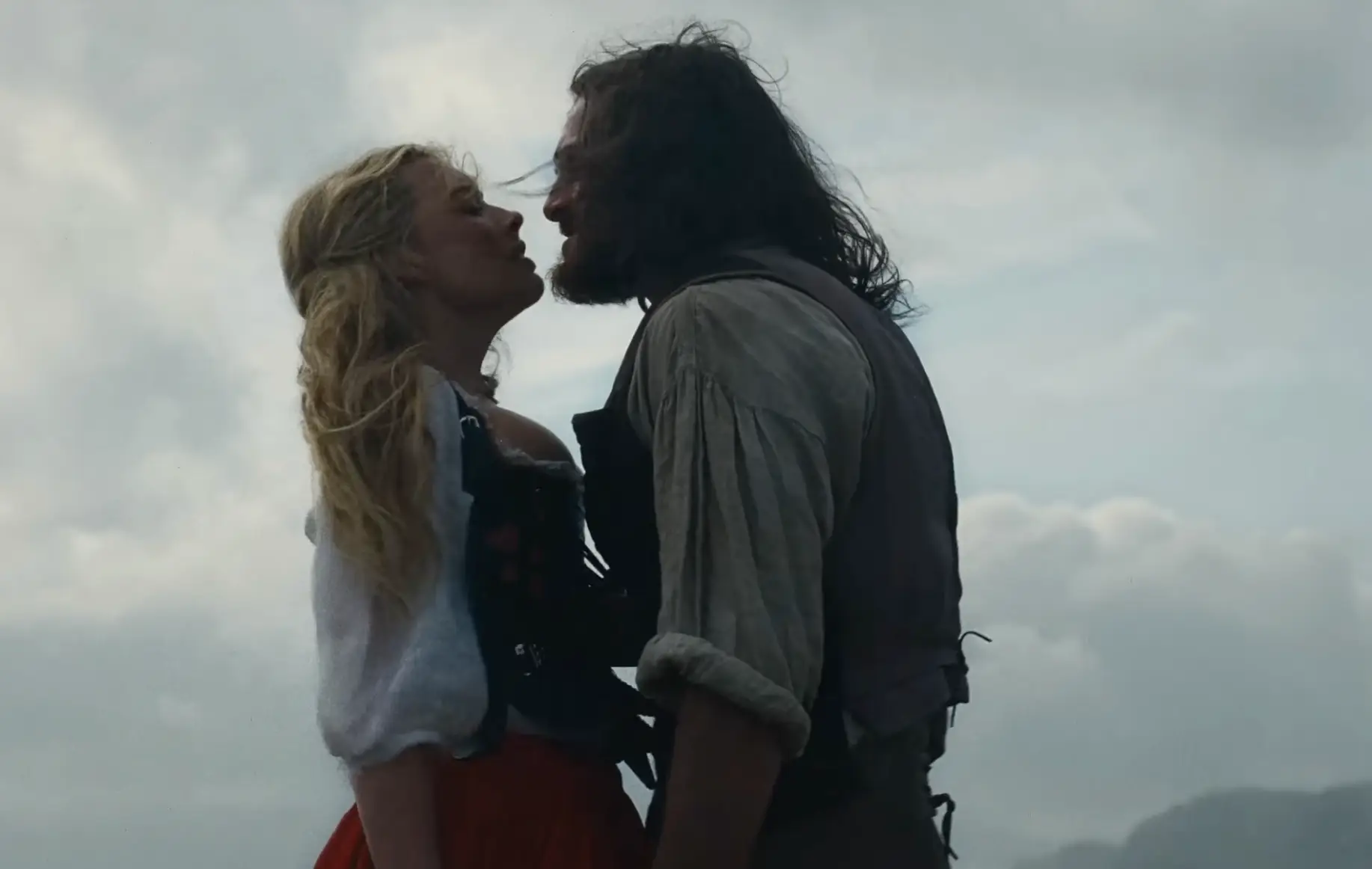
One big qualm that critics of Fennell's movie have is to do with Heathcliff's ethnicity.
Hiring Jacob Elordi to play Heathcliff prompted backlash from fans of the original Victorian novel, who questioned why the director chose a white actor for the lead male role, pointing out that Brontë had described Heathcliff as a 'dark-skinned gipsy'.
Brontë scholars widely agree that Heathcliff was not written as Caucasian, and is described as 'a little Lascar [a sailor from India or south-east Asia], or an American or Spanish castaway'.
Another line aimed towards Heathcliff reads: “You’re fit for a prince in disguise. Who knows but your father was Emperor of China, and your mother an Indian queen?”
Edgar and Isabella Linton's relationship
In the book, Edgar Linton and Isabella, who start out as Cathy and Heathcliff's wealthy neighbours, are actually brother and sister.
But in the film, Edgar is older, and Isabella is his ward, rather than his sibling.
The movie sees them arrive at Thrushcross Grange when Heathcliff and Cathy are adults, but in Brontë's novel, they've known the family since childhood.
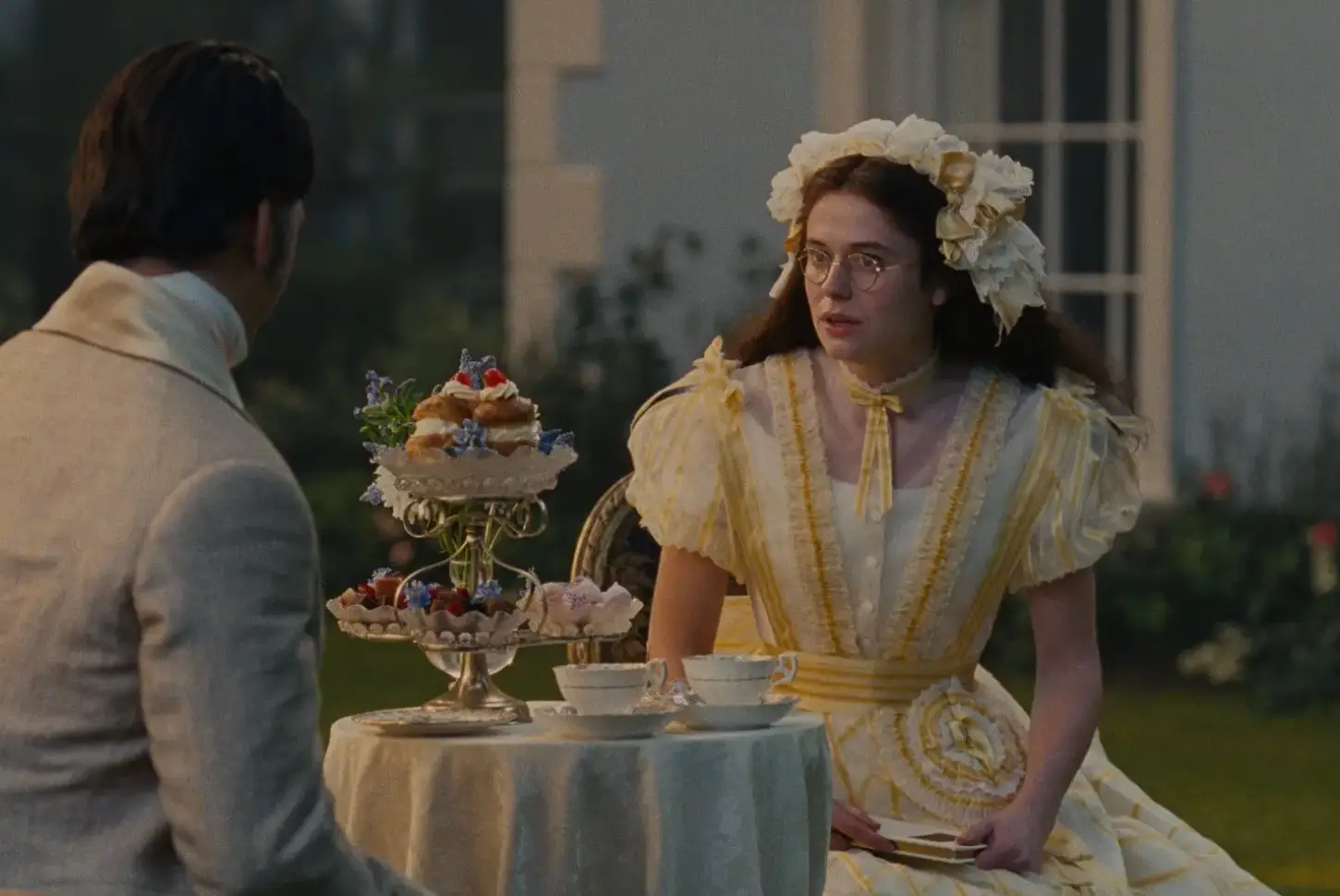 Edgar and Isabella Linton are brother and sister in Brontë's novel (Warner Bros Pictures)
The sex scenes
Now, love them or hate them, there is a whole load of sex scenes between Heathcliff and Cathy in the movie adaptation - although, interestingly, no nudity.
Margot Robbie's character has a sexual awakening after watching Joseph and Zillah have sex in the stables, and goes over to the moors to pleasure herself while hidden behind a rock.
From there on, it felt like we barely went five minutes without some hot and heavy carriage action, finger-sucking, or secret sex between the main characters.
However, the book is a completely different story, and it has pretty much no X-rated moments.
There's no mention of Cathy exploring her sexuality, and there are no sex scenes written about or even implied in the novel. None.
Instead, the focus is on Cathy and Heathcliff's deep romantic connection, in which they kiss once.
Heathcliff's name
Finally, in the movie, Cathy makes a big deal of how she was the one to name Heathcliff and even uses it as a way to express her ownership over him as an adult.
But, in the book, it was actually Mr. Earnshaw who named him when he brought him in, not Cathy.
In Brontë's novel, Earnshaw named Heathcliff after a son he had who died in childhood.
So there you have it, maybe give the book a whirl if you loved - or hated - the movie...
Topics: Margot Robbie, Jacob Elordi, TV And Film, Celebrity, Entertainment, Books
 Madison Burgess