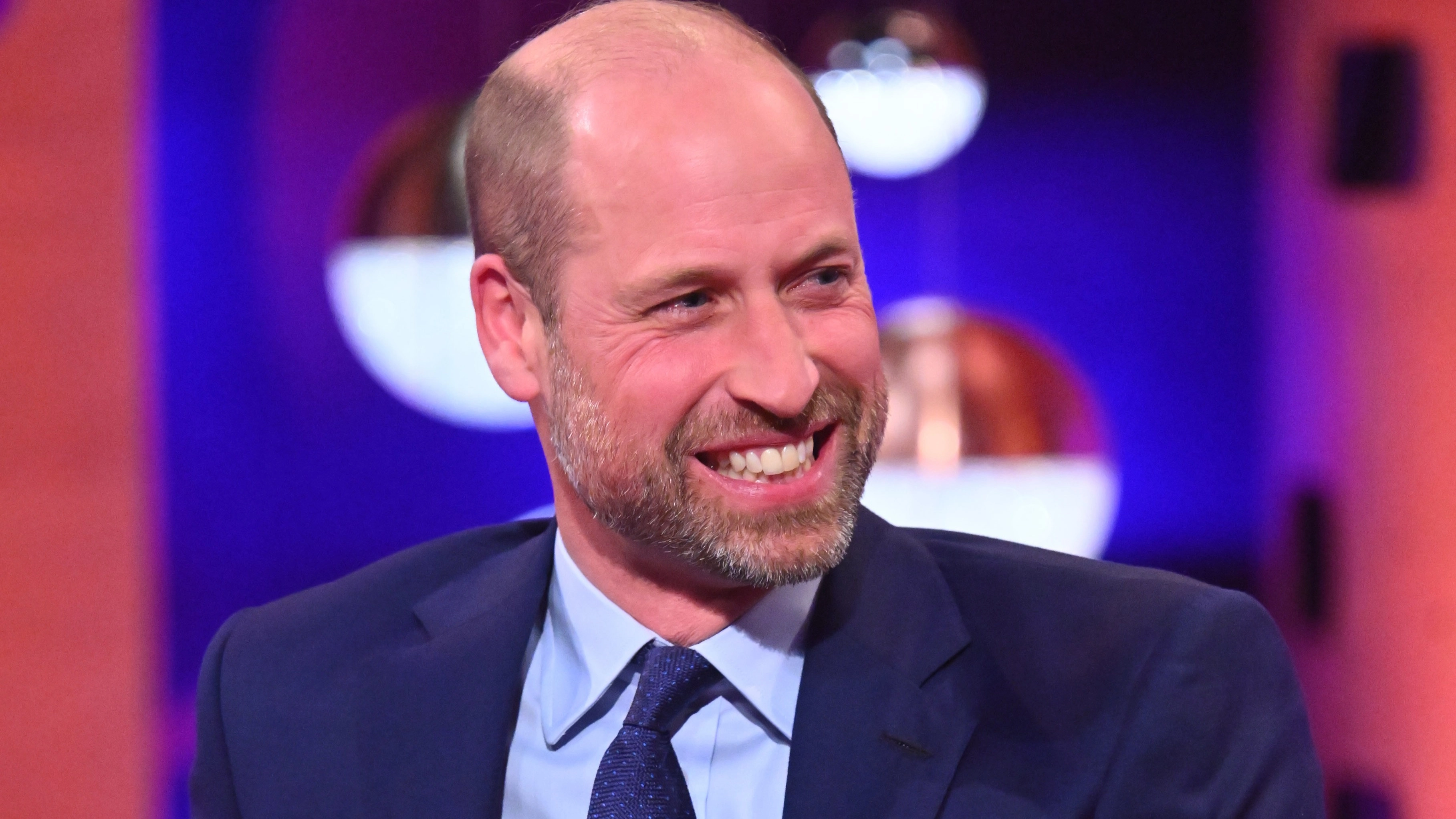
Why the Royal Family rarely give TV interviews as Prince William breaks tradition

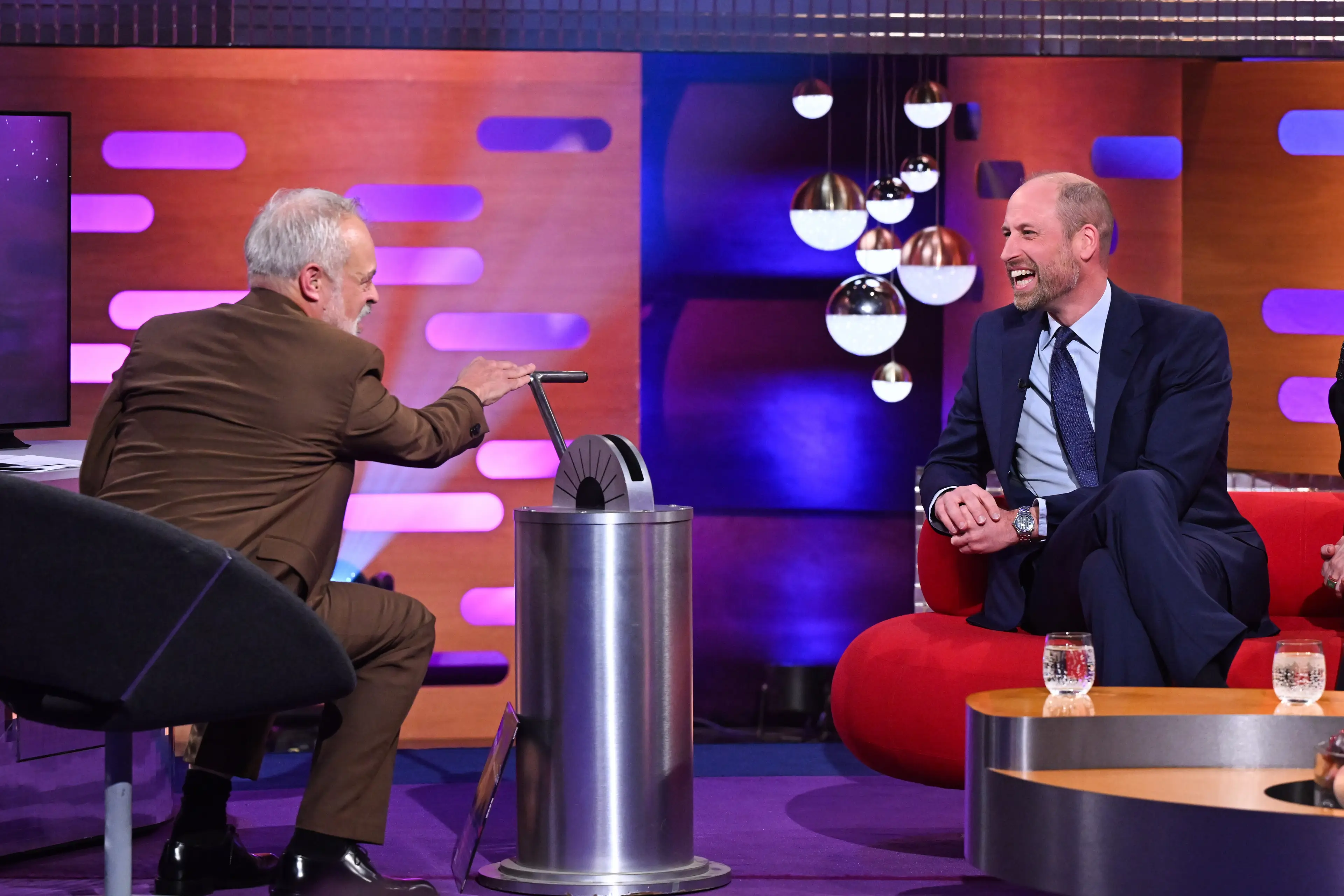
The Graham Norton Show welcomed a surprise royal guest during filming this week, raising one intriguing question: why has it taken so long for the iconic chat show to welcome a member of the royal family?
Prince William made an unannounced appearance on the long-running BBC show and the pre-recorded episode will air on Friday evening (23 October).
The prince was greeted with cheers and audible gasps from the audience as he sat down on the iconic red sofa for a chat, marking the first time a royal had done so. He joined guests Cate Blanchett, Robert Irwin and Hannah Waddingham.
William spoke about his work on The Earthshot Prize, which he established in 2020, in addition to his love of Aston Villa and admiration for the films of Christopher Nolan.
Advert
His Instagram account now has a post with an image of himself on the iconic red sofa ahead of the broadcast.
But why are interviews like this so rare for the royal family?
While celebs frequently use chat shows to promote projects, the monarchy relies on maintaining a good public image, political neutrality and controlled communication.
They’re often cautious about off-the-cuff jokes and questions about their personal life.
Royal communications tend to centre on official speeches, pre-recorded messages, documentaries and interviews arranged around specific causes or milestones.
"They have to be visible to remain in the public imagination, or they’re just rich people locked in a palace,” Laura Clancy, a lecturer in media at Lancaster University, told The New York Times. “But they also need to be invisible, because if you’re too visible, people start asking questions.”
The royal family's TV interviews
Queen Elizabeth II never sat down for a TV interview however she had a fascinating relationship with the medium. Millions of people in Britain purchased their first ever TV set in 1953 to watch her coronation live.
In 1995, Princess Diana gave her now-infamous interview to the BBC’s Panorama, in which she spoke candidly to Martin Bashir about the breakdown of her marriage to Charles, famously declaring: “There were three of us in this marriage, so it was a bit crowded.” She also opened up about her mental health struggles. The interview was watched by an estimated 23 million people in the UK and reportedly displeased the Queen. In the years since, it has faced intense scrutiny over the methods used by Bashir to secure the interview.
The previous year, King Charles, who was the Prince of Wales at the time, gave an interview with journalist Jonathan Dimbleby. Broadcast in June that year on ITV and watched by around 13 million people, the future king admitted to adultery with Queen Camilla.
While these interviews were not on a casual, celeb-focused chat show, the consequences were huge. King Charles and Princess Diana's televised interviews showed how candid revelations about royal relationships could dominate headlines and affect the family's public image for years.
This is why Prince William's surprise interview on The Graham Norton Show, a series that often goes viral for its spontaneity, cheeky humour and unexpected celeb revelations so unexpected.
That said, Prince William is far from the first royal to sit down for a television chat show interview. Princess Anne appeared on Terry Wogan’s BBC show Wogan in 1985, followed by her father, the late Prince Philip, in 1986.
Topics: Royal Family, Prince William, TV And Film, BBC
 Greg Harris