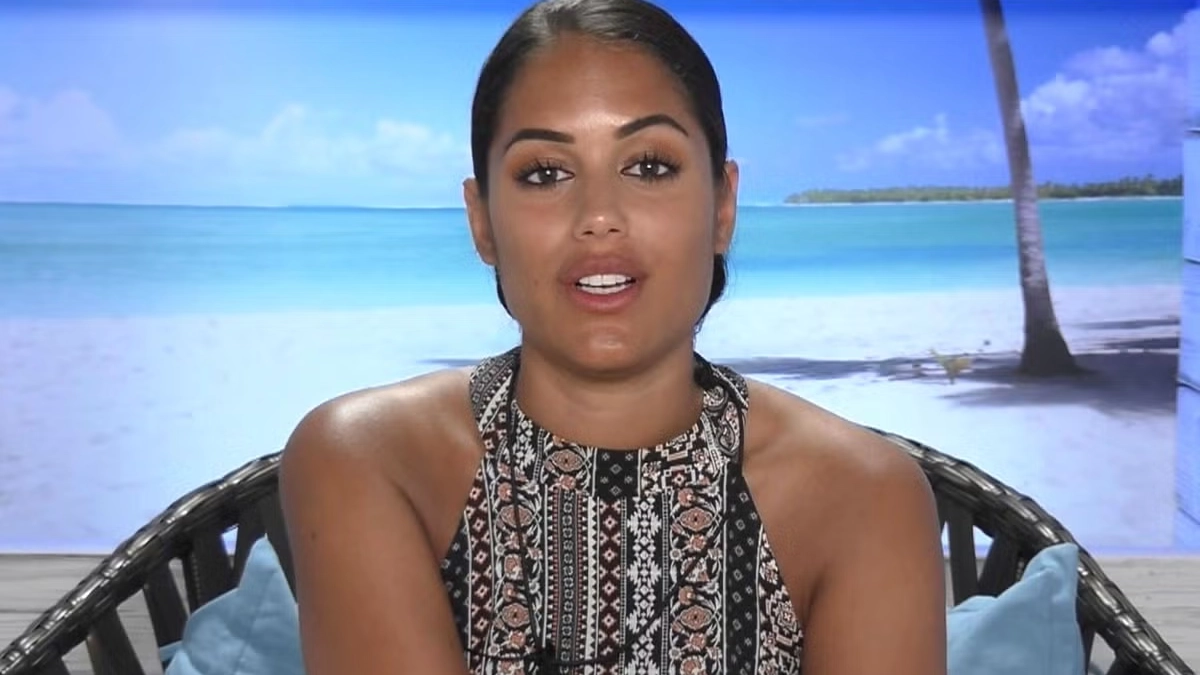
Former Love Island contestant says 'nobody knows what's going on truly for people in reality TV'

Warning: This article contains discussion of suicide, which some readers may find distressing.
On 20 June 2018 - two years after appearing on the dating series Love Island - Sophie Gradon ended her own life.
Now, a former castmate of the Newcastle model has accused the show's producers of failing to provide her with the mental health support she needed after leaving the infamous on-screen villa, despite Sophie allegedly asking for it.
Advert
Malin Andersson, who appeared alongside Sophie on the second season of Love Island in 2016, features as a guest contributor on the incoming docu-series The Curse of Love Island, set to land on Prime Video this weekend (26 Jul).
The two-part series promises a look at the darker side of reality TV, including the deaths of former contestants who were on the show.
Asked to comment on the series, a spokesperson for ITV told Tyla: "It would never be appropriate for us to comment on specific steps taken in relation to any individual's welfare, owing to medical confidentiality.
"So, where the film may present inaccuracies in an account of how an individual was looked after, it is difficult to contest when we can’t relay specifics. We do not recognise the events presented about the aftercare of contributors."
During her time on the show, Sophie struck up a passionate romance with Welsh fitness buff Tom Powell. Outside of her relationship, the 30-year-old became a firm fan favourite, especially among female viewers.
A particularly poignant moment saw Sophie deliver her 'Miss Love Island' speech, where she used a 'talent show' challenge to highlight double standards faced by women when it comes to sexuality, after her co-star Zara Holland was stripped of her Miss GB title for having sex with a male contestant.
After Tom was dumped from the island, Sophie developed a connection with cast-mate Katie Salmon, forming part of Love Island's first same-sex couple, making her an important figure in the show's history.
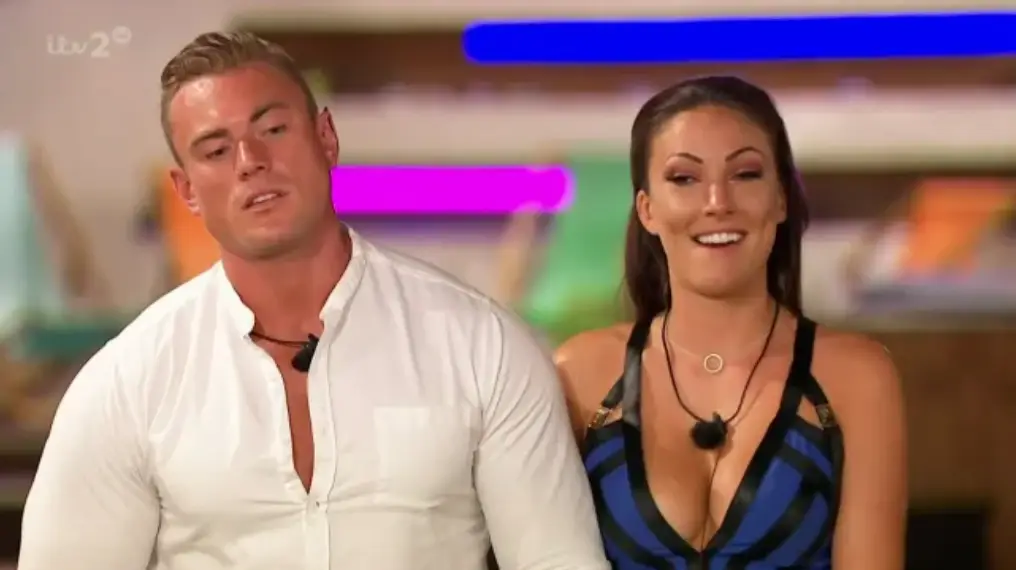
A few weeks ahead of the final, however, Sophie announced her plans to exit the programme, telling viewers it was time to go and expressing her hope of reuniting with Tom.
While their romance ended up being relatively short-lived, Sophie became a prominent figure on award show red carpets, making regular nightclub appearances and being splashed across magazine front pages.
According to Malin, at the outset, it looked as though Sophie was living the A-list lifestyle she'd always hoped for, but behind-the-scenes, she'd been struggling severely with her wellbeing.
Malin alleges that, at one point, Sophie's mental health reached rock bottom, after which she proactively sought out assistance.
"I remember Sophie being upset, and we’d speak," Malin recalls. "She was trying to get in touch with Love Island, and she was mad that they weren’t giving her a psychologist."
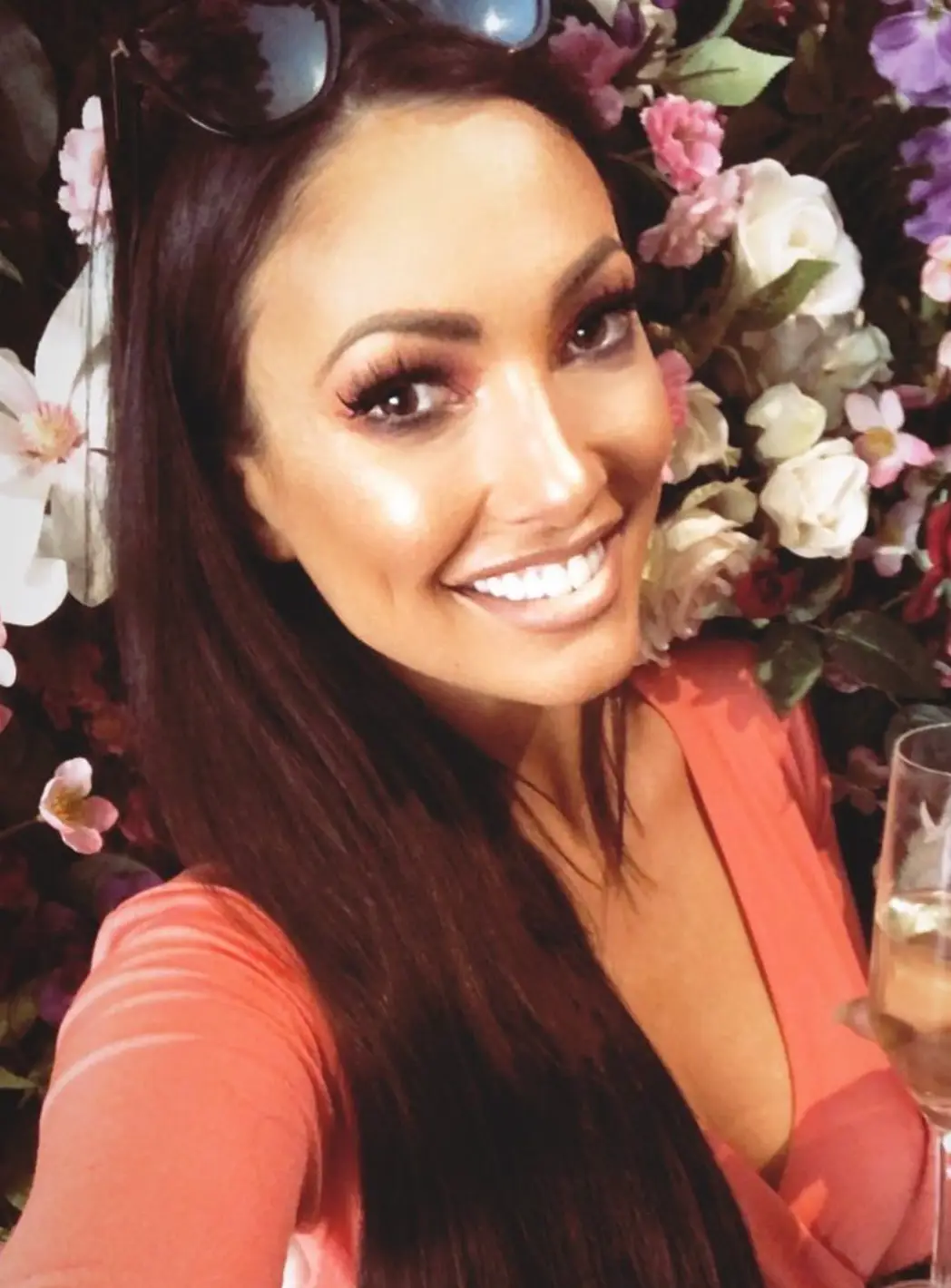
Her childhood friend, Stephen, also appears in the documentary, admitting: "I did have this worry that she would do something because I think she was in a vulnerable place - it's your worst fear for a friend."
Tragically, in the summer of 2018 - weeks after the fourth season of the show had kicked off - Sophie was found dead at her parents' house in Medburn by her boyfriend and his brother.
Northumbria Police declared her death as likely suicide at the time, after which an inquest ruled that she'd taken her own life using drugs and alcohol.
Police later confirmed that she'd been diagnosed with depression and low self-esteem in 2013, and was taking medication for social anxiety disorder prior to her passing.
"I didn't know she was feeling that bad, to want to do that," Malin confesses. "I think Sophie's death really put things into perspective for us. People think you've just been given a green card and you've got a good life. No way. Nobody knows what's going on truly for people in reality TV."
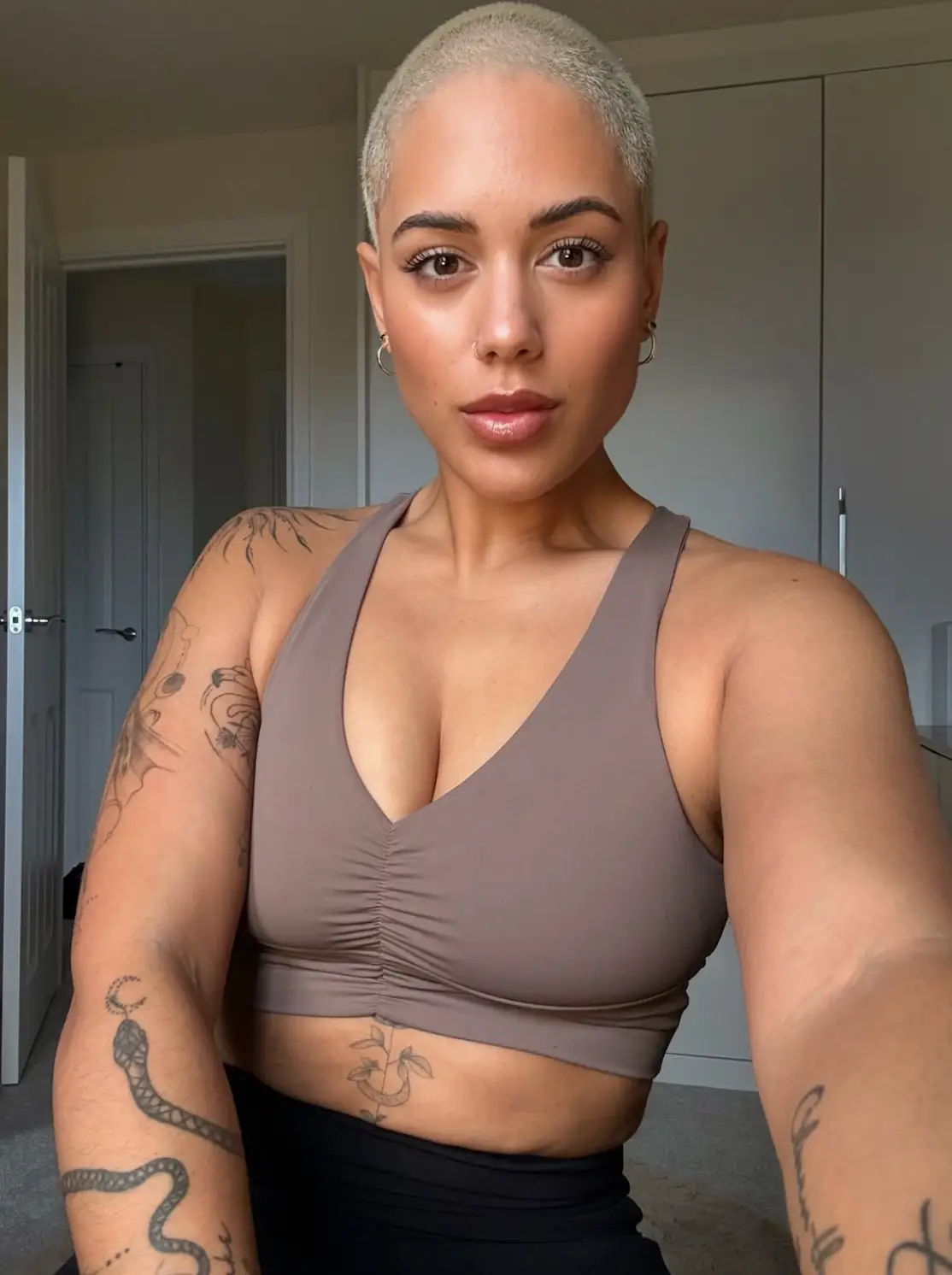
Stephen adds: "I think being in the industry she was in could cause some anxiety, some mental health issues. It was hard to see your friend go through this, and it wouldn't have happened if she hadn't been on the show.
"Production needs to have support for these people."
Malin also alleges that producers didn't get in touch with her until after Sophie's death.
"I didn’t get any calls," she claims. "When they did call me after Sophie had died to ask if I was okay, I remember feeling a bit of anger, because I knew they hadn't looked after us properly."
Stephen agrees: "Being thrust into the limelight, and then ending the show, you're sent off in a taxi, you fly home, and that's it. As far as I'm aware, she received no help from the show."
ITV told Tyla its duty of care measures for Love Island contestants have 'evolved significantly' since they were first published in 2019, following concerns around the wellbeing of participants.

The broadcaster pointed to its published welfare protocols, which include psychological support before, during and after filming, participant training on language and behaviour, and a social media blackout while Islanders are on the show.
A spokesperson also said these measures are regularly reviewed by independent chief medical officers. Dr Paul Litchfield said the safeguards 'continue to evolve in the light of experience and advances in best practice', while Dr Matthew Gould said the challenge is balancing 'creativity combined with enhanced duty of care' while maintaining the spontaneity of the format.
On the show’s welfare procedures, in 2023 Series 7 winner Liam Reardon said: "I found the welfare chats helpful as it gave us a chance to have a small break from villa life and being able to talk to someone off camera. It was nice to speak to someone every few days who wasn’t in the villa and who were there to just listen or offer advice."
This weekend's forthcoming documentary also covers the deaths of two other islanders.
A year after Sophie's death, 2017 star Mike Thalassitis died by suicide at the age of 26. A toxicology report determined that he had alcohol, cocaine, and antidepressants in his system at the time of death.
The show's presenter, Caroline Flack, took her own life in February 2020, aged just 40. In the weeks prior, she'd been arrested and charged with assaulting her partner, Lewis Burton, and stepped down from her role as Love Island's host.
Approached for comment by Tyla in light of Malin's claims and the Prime Video documentary as a whole, ITV's spokesperson said: "We would like to extend our very deepest sympathies to the families of Sophie and Mike.

"Many of the production team who worked on the early years of the show are still working on the series today and naturally the news of their passings was very distressing to everyone who knew them.
"We remember them both with great affection."
If you’ve been affected by any of these issues and want to speak to someone in confidence, please don’t suffer alone. Call Samaritans for free on their anonymous 24-hour phone line on 116 123 or contact Harmless by visiting their website https://harmless.org.uk.
Topics: Love Island, ITV, Reality TV, Celebrity, UK News
 Rhianna Benson