Katherine Ryan shares husband's struggle with male postpartum depression as expert explains little-known condition

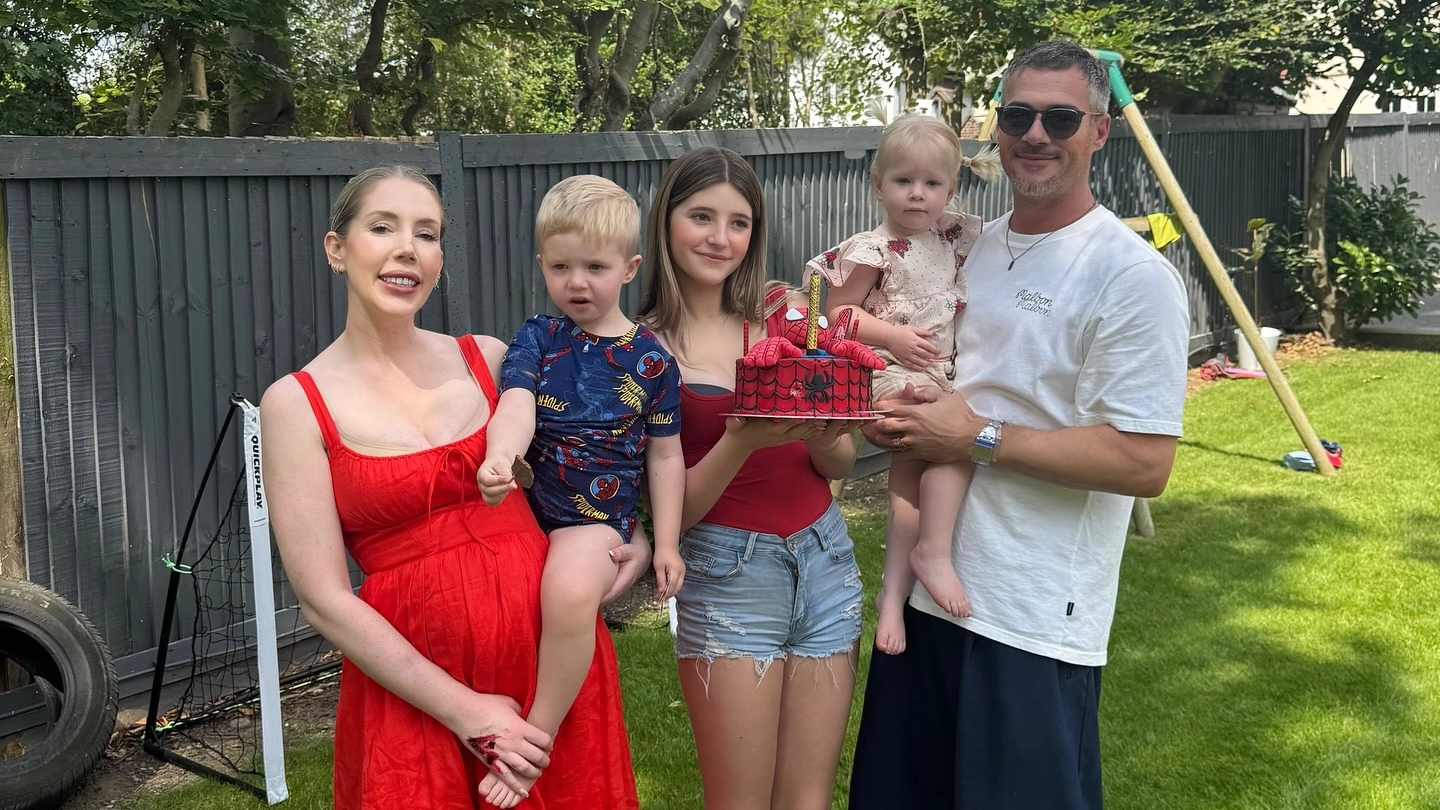
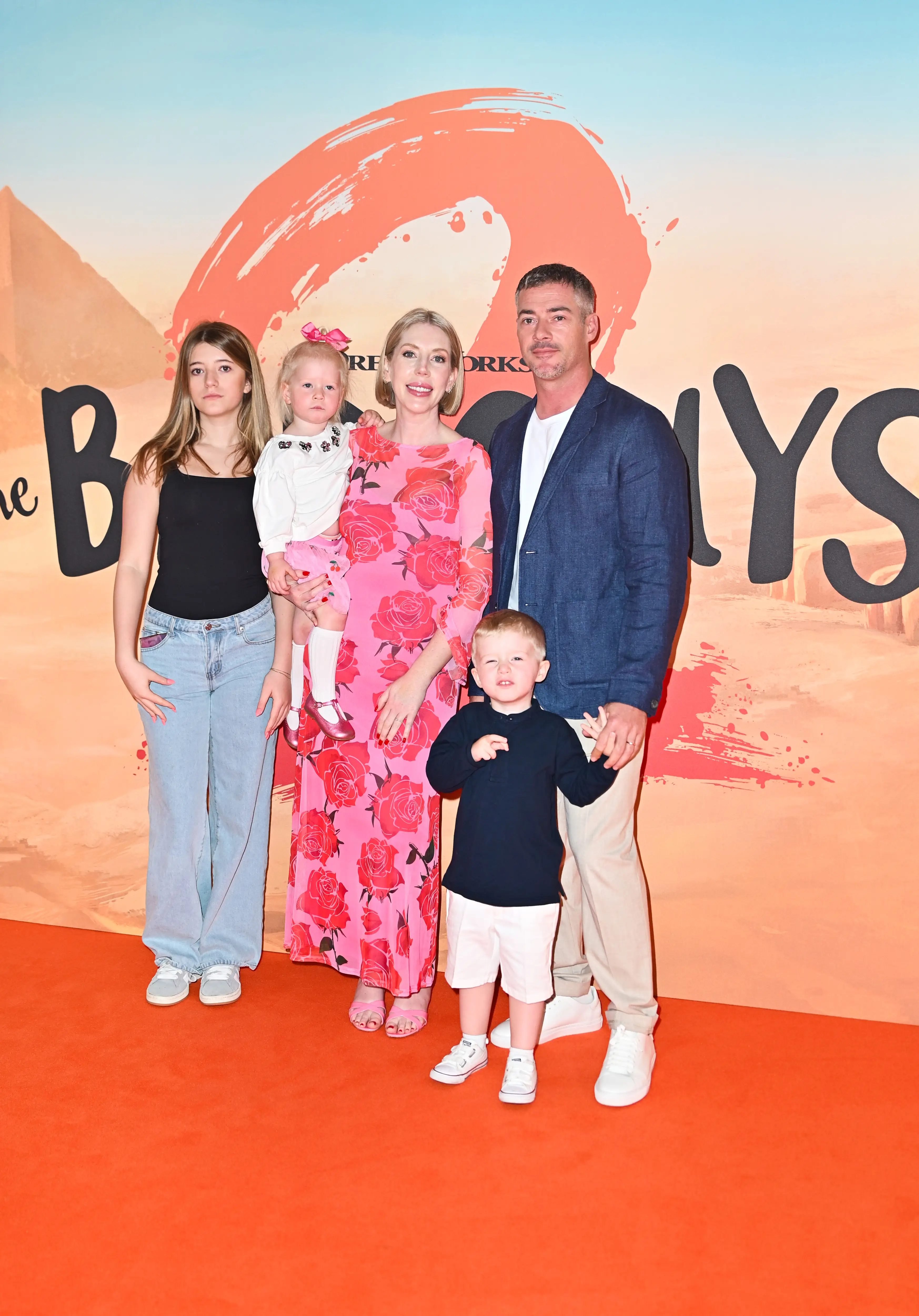
Katherine Ryan has opened up about the difficult time her husband Bobby Kootstra experienced after the birth of their son, revealing that he struggled with male postpartum depression - something neither of them knew existed at the time.
Speaking on the Weirdo's Book Club podcast this week, the Canadian comedian, 43, reflected on how becoming parents to their son Fred five years ago affected Koostra, admitting that he struggled to put his feelings into words.
Ryan also suggested that Koostra's difficult childhood, including losing his father at a young age, may have played a role in his experience.
"Especially with his history, he doesn't remember his childhood, he lost his dad young," she explained. "You know how Prince Harry talks about this empty space, like a protective part of his brain blocked out his mother entirely, which is so sad? Bobby has the same thing."
Advert
The couple, who experienced miscarriages before welcoming Fred, chose a particularly meaningful name for their son, as it was also the name of Koostra's late father.
"We got together very quickly and then we had some miscarriages and then we had Fred. Fred is his deceased dad's name, so will really set him up for failure emotionally," Ryan said.
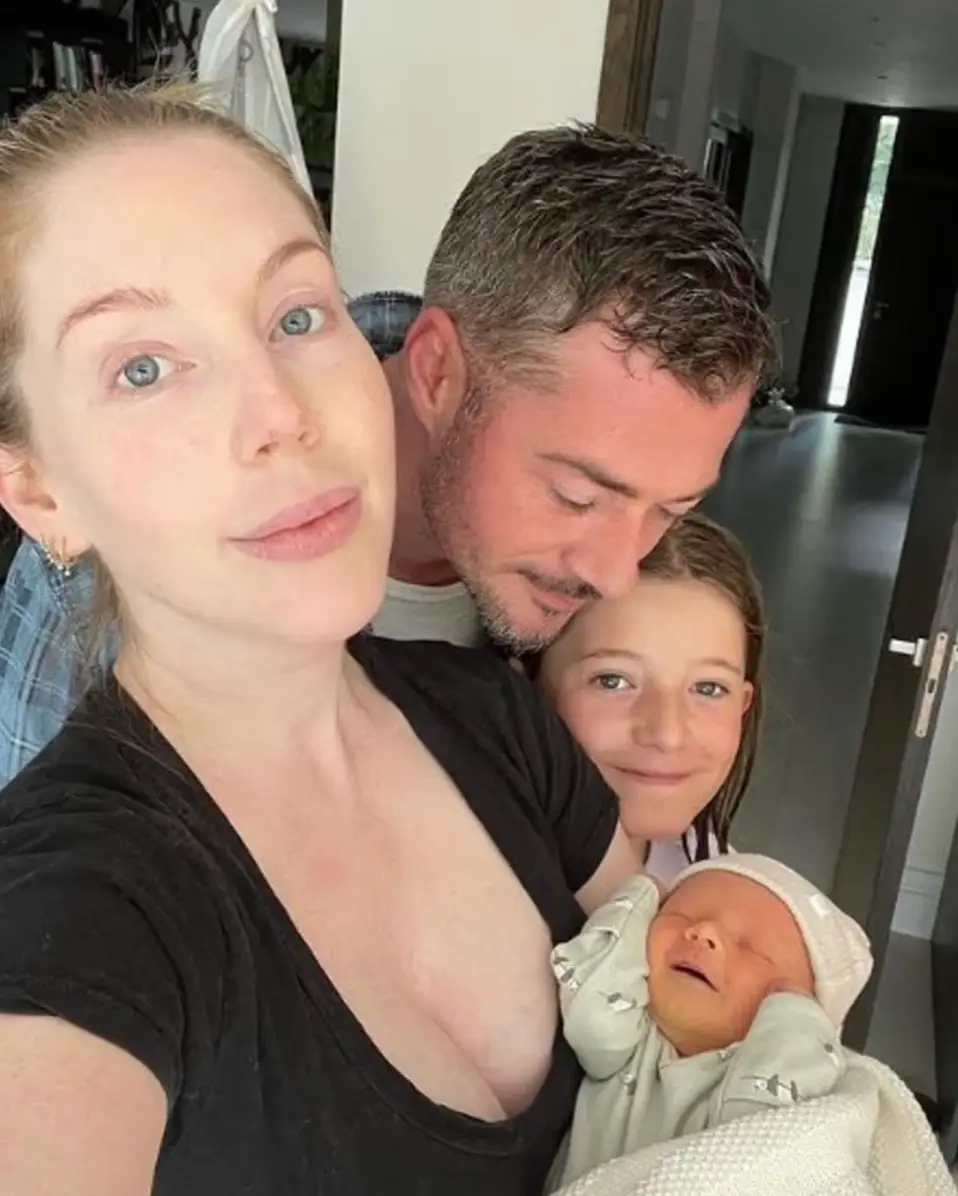
She also spoke about their decision for Koostra to become a stay-at-home dad, explaining that she wanted to respect his wishes rather than assume she should be the one making all the parenting decisions.
"He also had to look after Fred quite a bit, because I believed him about wanting to be a stay at home dad," she went on. "I was trying not to be a first-born daughter in this scenario when he said he wanted to be a stay-at-home dad."
With lockdown limiting her work opportunities, Ryan eventually returned to filming before heading out on tour. She admitted, however, that looking after a newborn was very different from caring for older children.
"I think he's a great stay-at-home dad now that they're old enough to speak. But to give him a newborn, and I was still breastfeeding…"
Looking back, Ryan said she hadn't realised just how much Koostra was struggling, particularly as he found it difficult to communicate what he was experiencing.
'Bobby was not really able to articulate what he was going through at the time," she continued. "This was five years ago, but we didn't really know about male postpartum depression. He was just on edge."
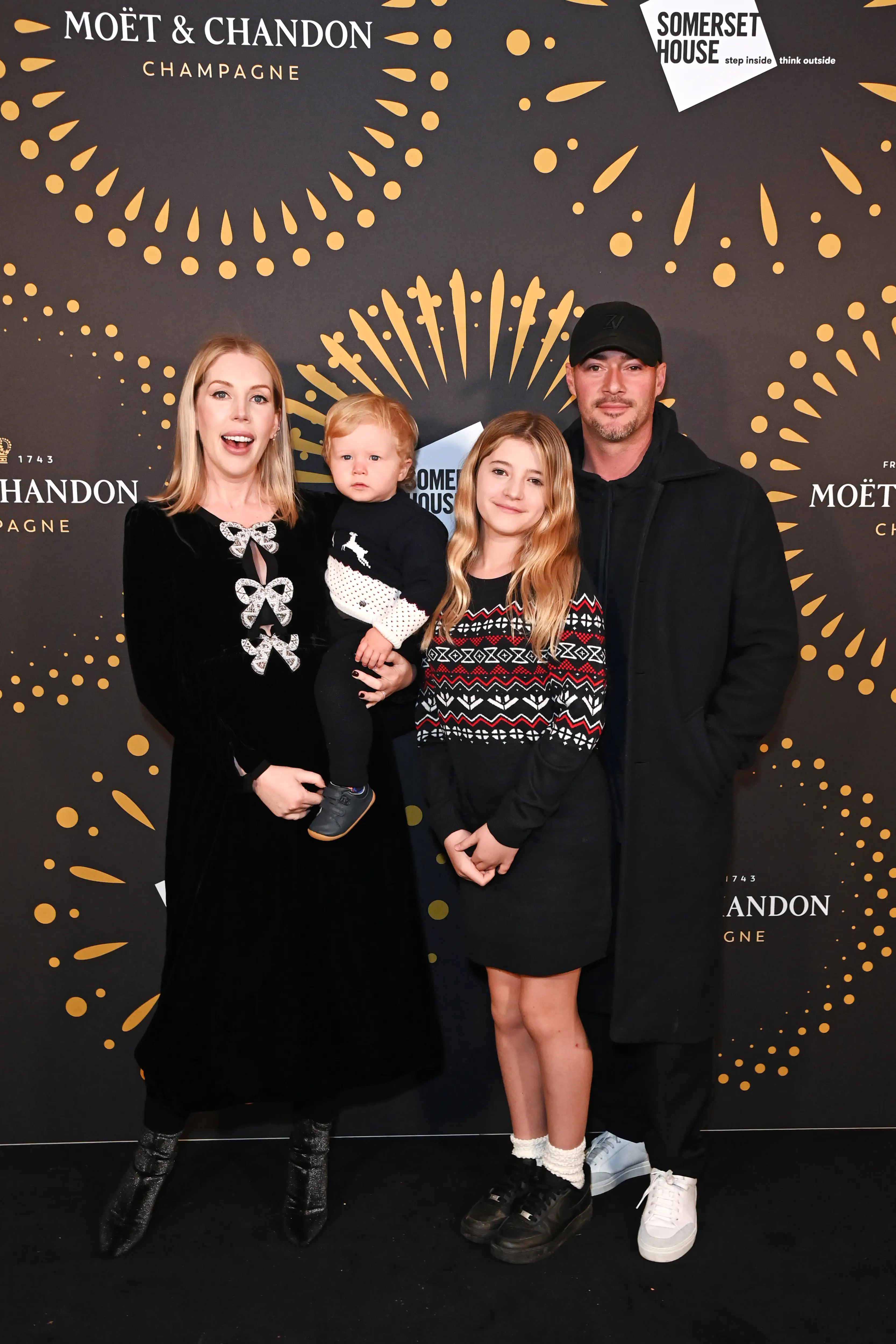
"He doesn't speak much anyway. Didn't know what was going on. But when he came out of it, he was like, 'Oh, I was having a really terrible time'."
The funnywoman recalled how Koostra had become consumed by worry about their little one, struggling to sleep and spending long periods watching him.
"He was thinking about it all the time, he couldn't sleep, he would just watch Fred sleep," Ryan looked back.
And while postpartum depression is often discussed in relation to new mothers, experts warn that fathers can experience it, too.
Speaking exclusively to Tyla, Dr Wildaliz Caro, PhD, Medical Contributor at Aura Recovery Centre, explained in response to Ryan's story that paternal postnatal depression (PPND) is a serious condition that can affect new fathers.
"Indeed, postpartum depression in dads, or paternal postnatal depression (PPND), is a very serious condition," he began. "Symptoms may include trouble sleeping or poor appetite. Men can experience depression and anxiety as new dads, too.
"Paternal postpartum depression (PPD) does in fact affect many fathers."
A combination of biological, psychological and social factors can contribute to the condition, particularly when becoming a parent disrupts established routines and coping mechanisms.
Dr Caro explained: "Prenatal and postpartum depression can look different in men than in women. And, depression may lead to disturbed sleep while sleep problems may also increase the risk of depression."
Symptoms can include feeling very sad or hopeless, losing pleasure in everyday activities, feeling helpless, restless, agitated or irritable. That said, however, depression in men can sometimes present differently, with anger, aggression and withdrawal also potential warning signs.
"Shame can delay recognition. Another obstacle is that postnatal depression often is associated primarily with women," Dr Caro said. "For some men, anger may be easier to express than sadness."
She added that withdrawal and irritability can also create tension and isolation between parents, while adjusting to fatherhood can bring significant emotional challenges. Some parents may simply need more time to bond with their baby.
The good news is that paternal postpartum depression is treatable.
Dr Caro explained that treatment can involve counselling, medication or a combination of both, depending on individual needs. Counselling may help someone understand how depression affects the way they think, feel and behave.
She also stressed that anyone at immediate risk of harming themselves or someone else needs emergency help.
"Finally, make sure dad knows prenatal and postpartum depression are common and treatable," she added.
Ryan also reflected on the experience with a degree of guilt, admitting that looking back had made her question some of the decisions she made as a working mother.
Although Fred was exclusively breastfed for 10 months, she wondered whether she should have stayed home rather than returning to work while Koostra cared for their newborn.
"I describe it as if I wasn't around, Fred was exclusively breastfed for 10 months, so I was around. But if I had known," the star suggested. "That's a difficult feminist admission because I do internalise misogyny and I think, 'Oh, I shouldn't have gone straight back to work.'
"I shouldn't have left a man alone with a newborn. I should have done it, I've done it once before."
Reflecting on her tendency to take responsibility, she added: "Again, the first-born daughter thing, I was like, 'I should have been in charge of this and it would have been fine."
Topics: Katherine Ryan, Celebrity, UK News, Mental Health, Parenting
 Rhianna Benson