‘Fungal nail’ warning issued to acrylic nail wearers following Molly-Mae’s shocking admission

A health expert has revealed the key symptoms to watch out for when it comes to fungal nail infections, following Molly-Mae Hague’s candid admission about her own experience.
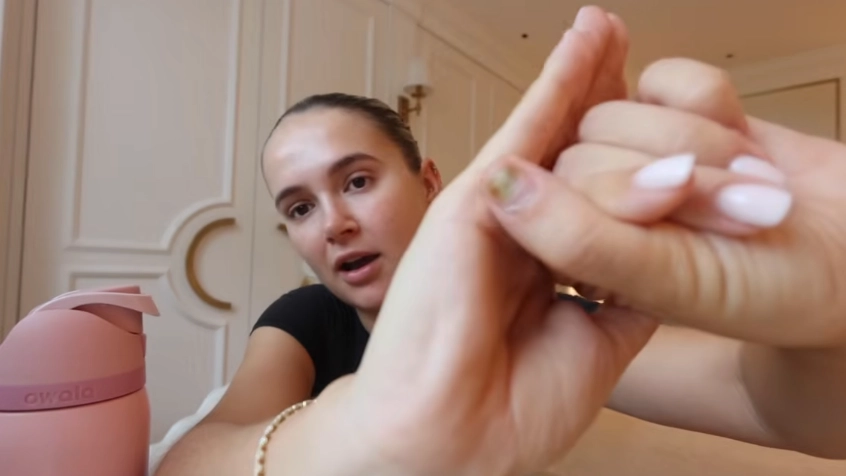
The former Love Island contestant, 27, recently opened up to fans on YouTube about developing what she described as a ‘fungus’ on her nail believed to have been caused by an acrylic.
The mum-of-two said the condition made her feel ‘really embarrassed’, however Dr Corné Hurter has stressed that there’s no need to feel ashamed and that fungal infections and other nail conditions are quite common.
The medical director for services and delivery at AXA Health Insurance explains: “Fungal nail infections can happen to both finger and toenails when fungi get into and grow in the nail, causing it to appear thickened and yellow, with brittle edges. These infections are often accompanied by itching, swelling, or an unpleasant smell.
Advert
“It is often dermatophyte, which is the same fungi that causes athletes foot that causes a fungal nail infection. Thriving in moist, warm and dark environments.”
Acrylic nails can trap moisture when they lift from the natural nail, creating a warm, damp environment where bacteria and fungi can thrive.
Swimmers, gym-goers and people who wear tight, poorly ventilated shoes are also more susceptible due to prolonged exposure to warm, moist conditions.
What to do if you suspect a fungal infection
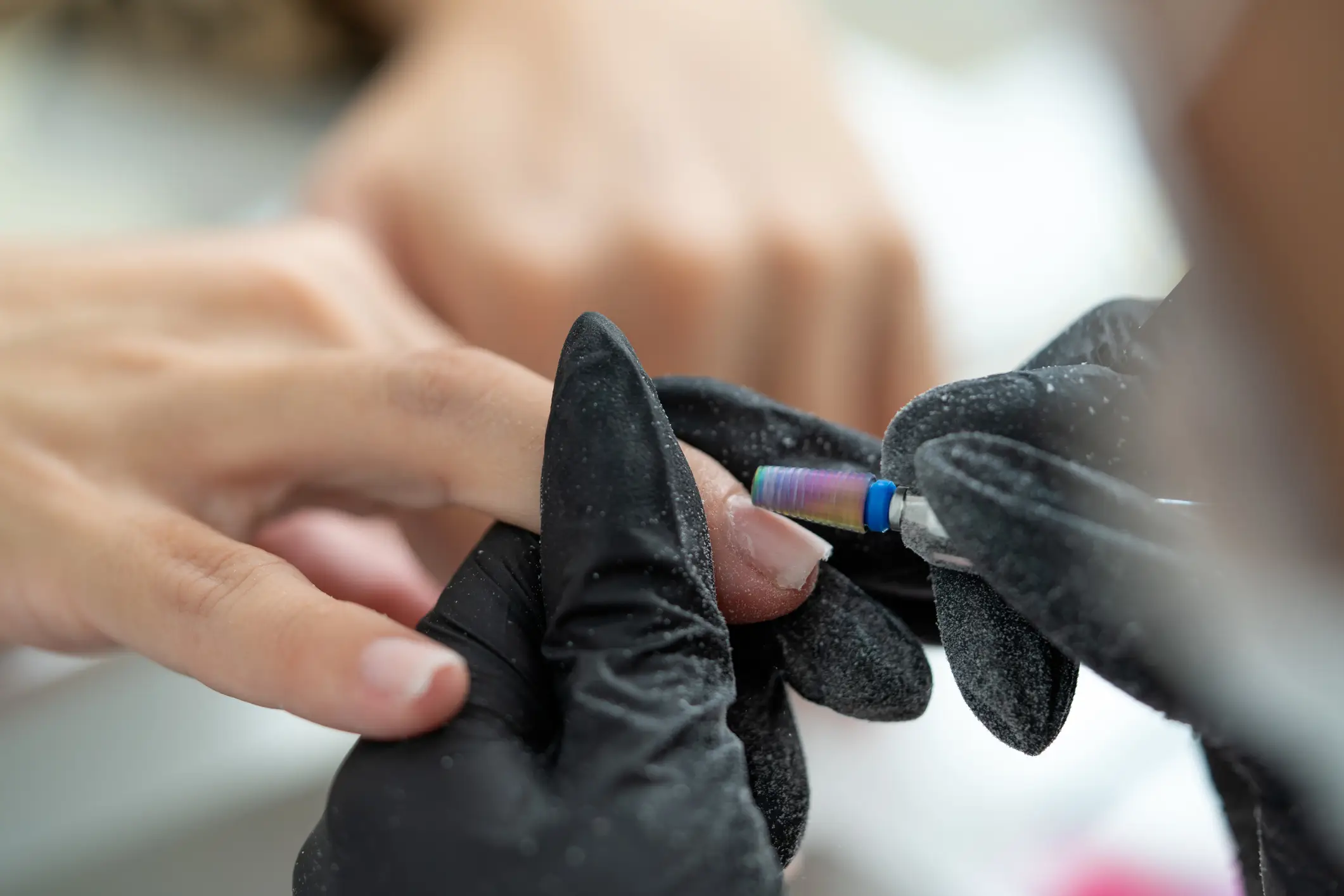
If you suspect you have a fungal nail infection, there’s no need to panic. According to Dr Hurter, these infections are 'usually treatable at home', although they can be stubborn and “will not go away on their own” if left untreated. Acting quickly is therefore key to preventing the infection from worsening. If you notice signs such as nail thickening, discolouration or brittleness, Dr Hurter recommends having any acrylic or gel nails removed first. This allows the natural nail to breathe and reduces trapped moisture. The next step is to treat the fungus and allow healthy nail to grow back. “The good news is that there are some effective over-the-counter remedies available,” she explains. However, if the infection is causing significant discomfort, it’s best to visit a doctor, who may prescribe anti-fungal medication.
Could it be something else?
Nail discolouration isn’t always a sign of a fungal infection. Dr Hurter explains that a condition known as ‘green nail syndrome’, sometimes referred to as a ‘greenie’, could also be responsible. Caused by the bacteria Pseudomonas aeruginosa, it can develop when moisture becomes trapped beneath artificial nails.
Unlike fungal infections, green nail syndrome typically causes a greenish discolouration without nail thickening or brittleness. Dr Hurter also stresses that ‘nail colour changes alone cannot confirm a diagnosis’, as nail polish pigments and chemical stains can cause similar changes.
The expert therefore recommends seeking medical advice before starting treatment to ensure an accurate diagnosis. Treatment usually involves thoroughly cleaning the affected nail, keeping it dry and, in some cases, using topical antibiotics. More persistent infections may require oral antibiotics or minor procedures.
 Greg Harris