Girls Aloud star Sarah Harding’s warning helps Manchester mum catch breast cancer early

A mother from Manchester, United Kingdom, was fortunately able to catch her breast cancer early following a warning issued by the late Girls Aloud star, Sarah Harding.
The legacy of Sarah, who sadly passed away aged 39 back in September 2021, remains strong after Annette Illing's breast cancer was detected early thanks to research funded in Sarah’s name at The Christie Charity Sarah Harding Breast Cancer Appeal, which was set up at the late pop singer's request and supported by her bandmates.
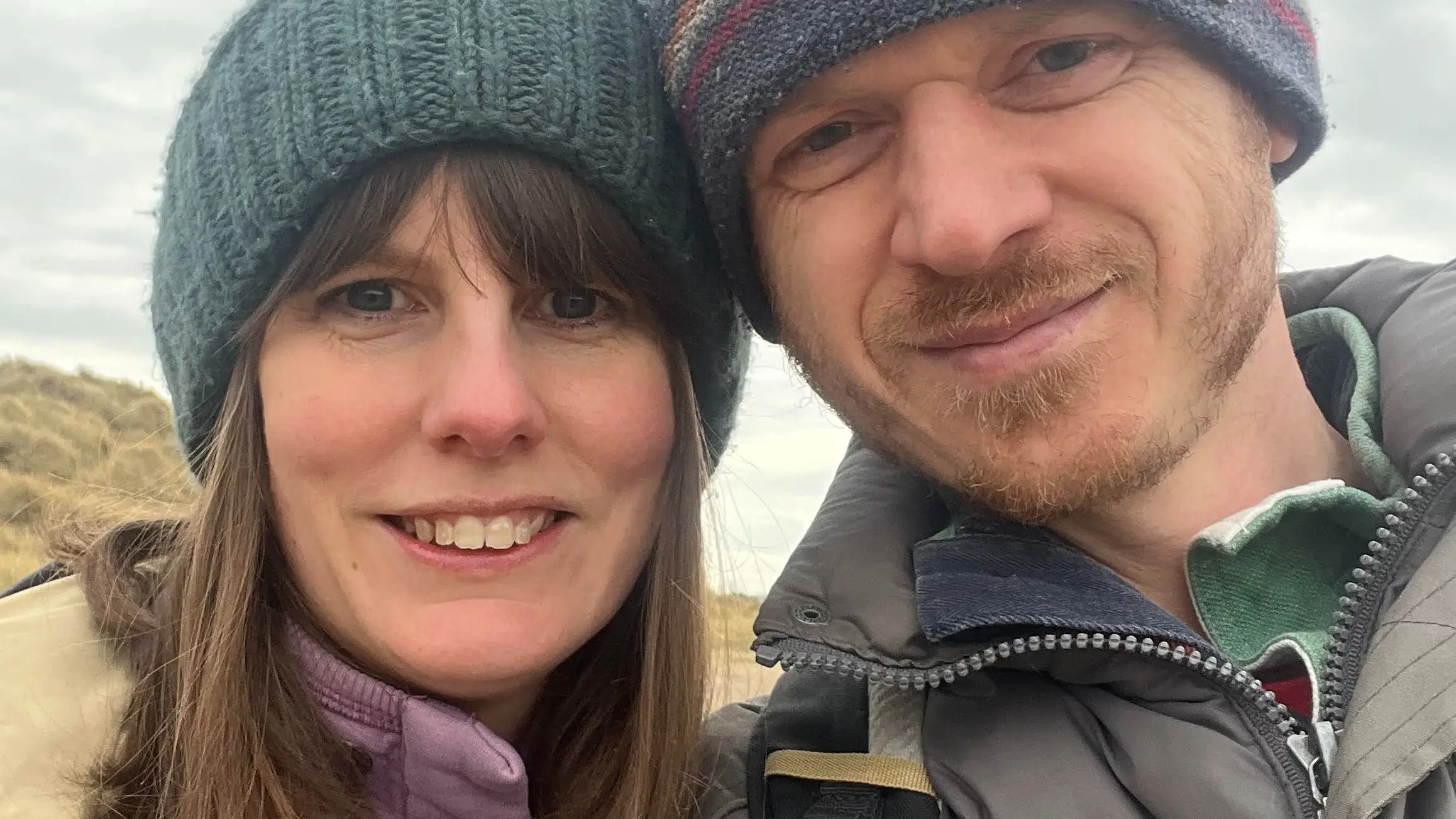
Annette, a 39-year-old mum of three who had no symptoms, had no family history of breast cancer and no reason to suspect anything was wrong.
But after taking part in a groundbreaking study to identify which women are most at risk of developing breast cancer in their 30s and backed by the Appeal, Annette received news that would change everything.
Advert
What began as a simple 'Why not?' decision led to an early diagnosis that may ultimately have saved her life.

'It was a huge shock'
Annette took the opportunity to better understand her breast cancer risk while contributing to vital research, recalling: "I couldn’t really see any negatives.
"It would either be 'I’m fine' and carry on as I am, or 'I’m at increased risk' and might need to make some lifestyle changes."
Given her age and no family history of breast cancer, Annette wasn’t overly concerned about having a genetic risk factor.
Her decision proved life-changing as in June 2025, after Annette had been identified as being at increased risk by the BCAN-RAY (Breast Cancer Risk Assessment in Young Women) study, she had her first mammogram and was diagnosed with early-stage breast cancer.
"It was a huge shock as I don’t have a family history of breast cancer," she recalled. "It was scary to hear the word 'cancer,' but there was hope.
'I’d rather know and have choices than not know. It was caught early, meaning it could be removed, and preventive treatment was available."
Without the BCAN-RAY study, Annette would have waited another decade for her first routine mammogram.
"When the mammogram picked up my cancer, it was undetectable by any other means," she continued. "If I’d waited, it would have grown and changed my prognosis.
"It could have been a completely different story."
'Early detection may have saved Annette’s life'
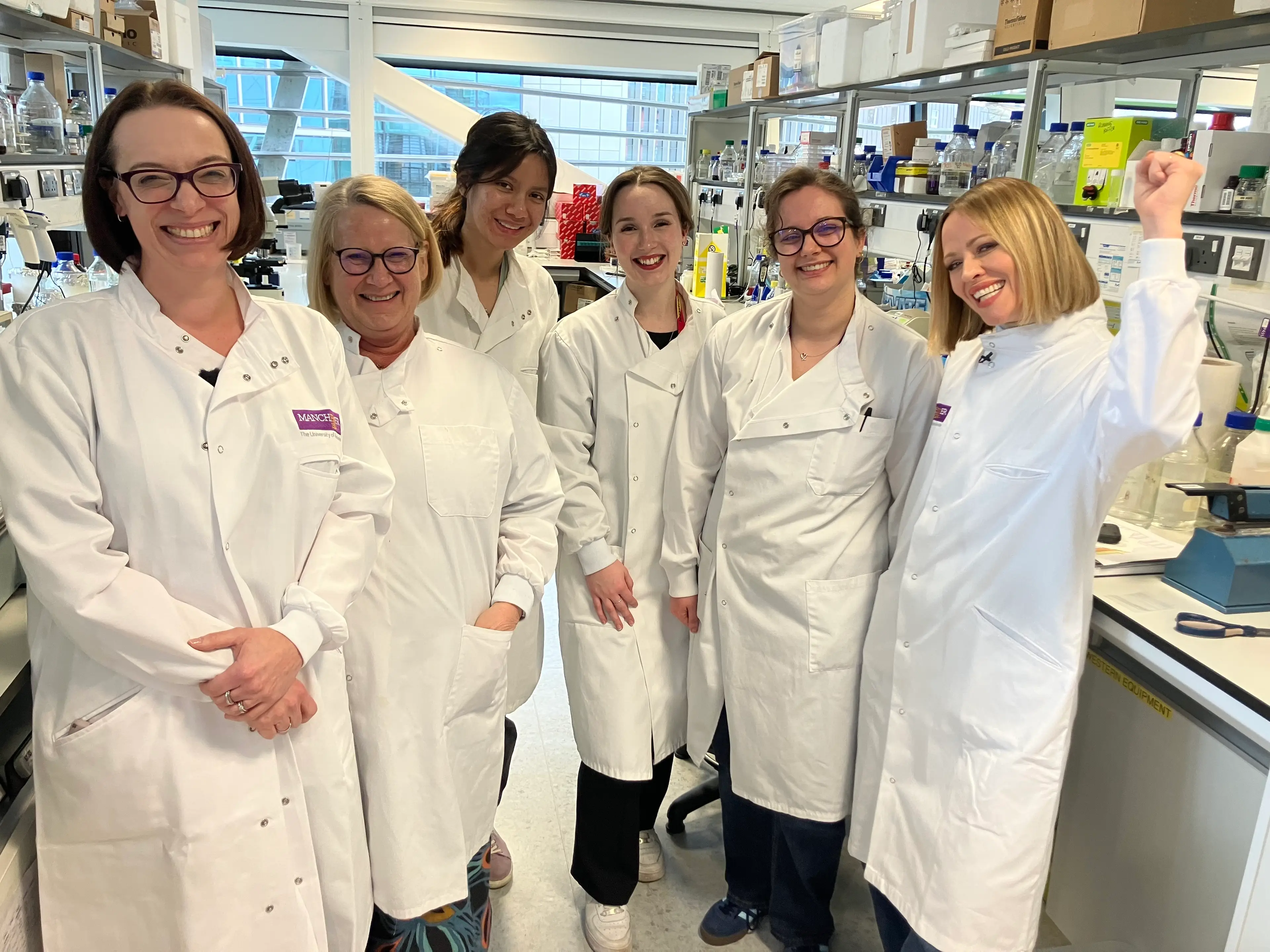
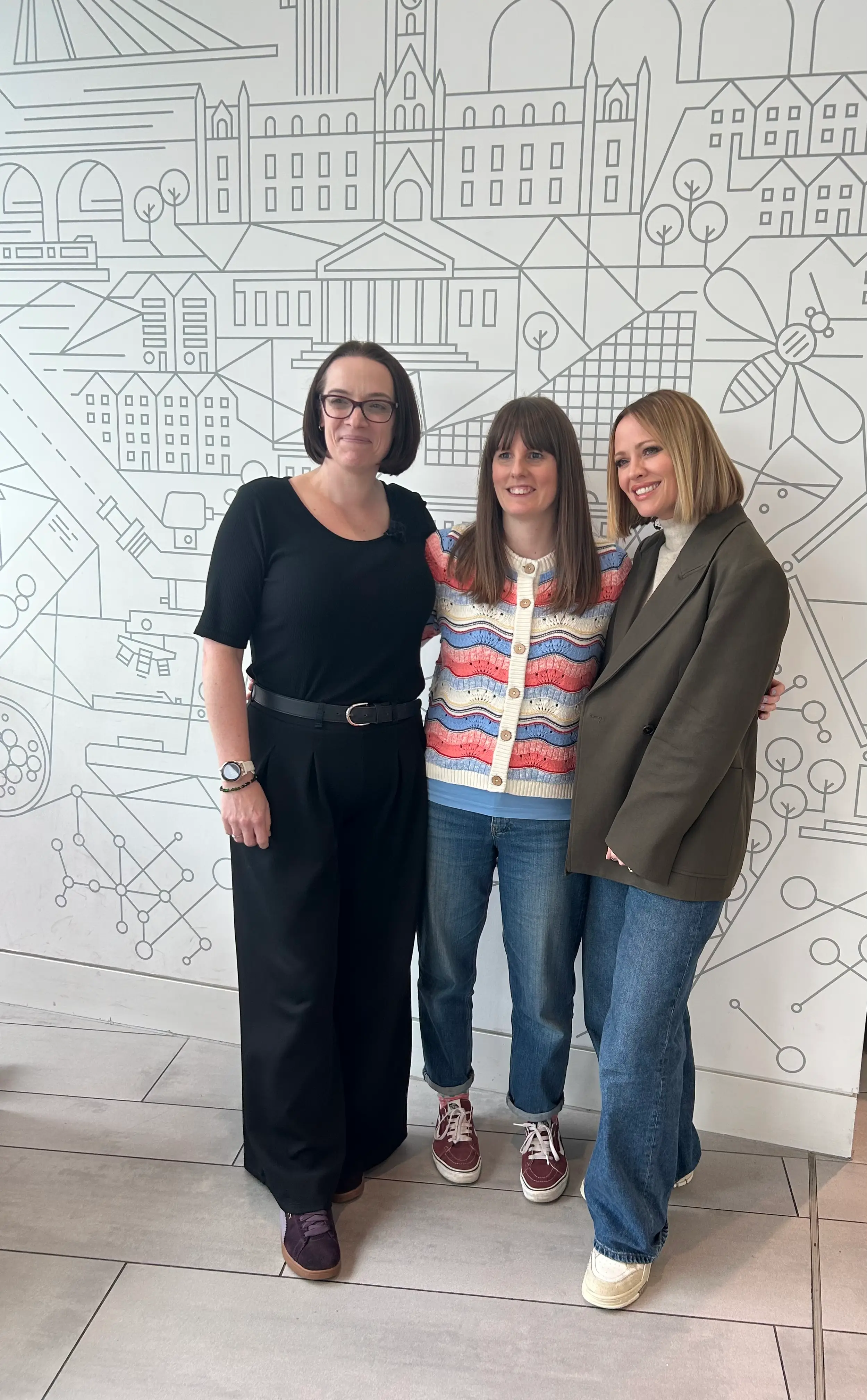
Dr Sacha Howell from The University of Manchester, The Christie NHS Foundation Trust and Manchester University NHS Foundation Trust (MFT), leads the BCAN-RAY study and said: "This study was designed to identify women at increased risk of breast cancer. Annette’s experience shows exactly why this is so important.
"By detecting breast cancers at the very earliest stages, treatment is more straightforward and survival outcomes much better.
"We can also offer women approaches to prevent breast cancer to stopthem developing the disease at all.
"Early detection may have saved Annette’s life, and we want to offer that same chance to many more women."
'I feel very hopeful for the future'
Annette, who hails from Withington, Manchester, underwent two surgeries at Wythenshawe Hospital, part of Manchester University NHS Foundation Trust, followed by radiotherapy at The Christie NHS Foundation Trust, and is now on preventive hormone therapy for five years.
She will also have mammograms every year for peace of mind.
"I feel very hopeful for the future," Annette shared. "My cancer has been removed, and I’m in the best possible position to move forward."
As a mum to three daughters aged 13, 11 and 8 yrs old, Annette is particularly thankful to have been part of the BCAN-RAY study.
She said: "I am so grateful for this study and future studies like it, so that I know my daughters will be well looked after by the Breast Cancer Family History Risk and Prevention Clinic when the time comes.
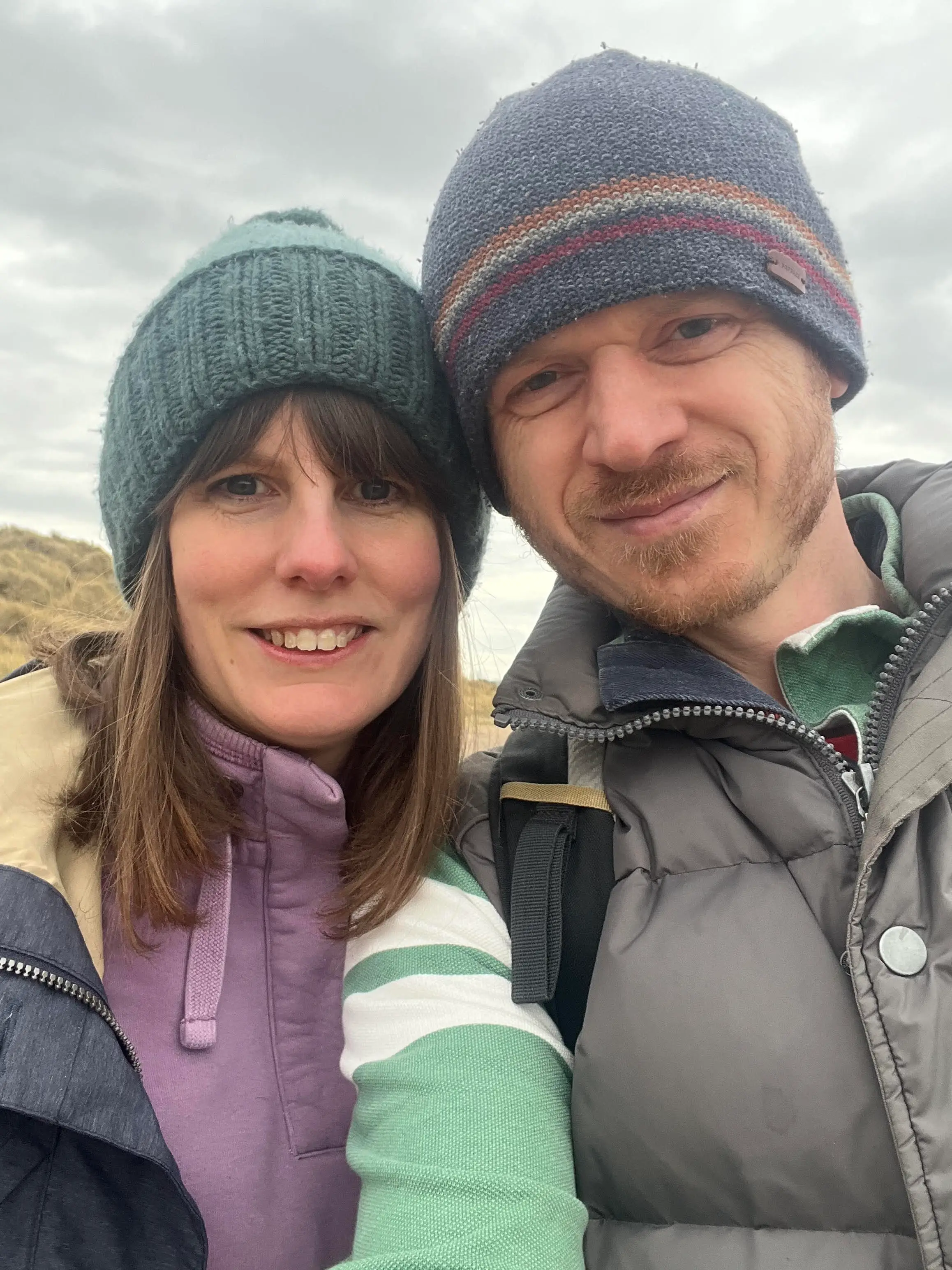
"I could not have got through the last six months without the support of my husband Mark, my daughters and my faith.
"To my family and friends who have picked me up when needed, listened to me andallowed me an outlet to process each step; to my group of ladies who I met during surgery and physiosessions, who I have shared experiences with and understand what it's like to go through the treatment; tomy employer and class team who have been incredibly supportive, I thank each and every one of them."
Annette's message
Annette is now encouraging others to take part in studies like BCAN-RAY and to perform regular breast checks.
"Many women I’ve met found their cancers by noticing changes. Please check your breasts regularly," she urged.
Dr Dani Skirrow, Science Engagement Manager at Cancer Research UK, said: "Even in the darkest days of her cancer journey, Sarah Harding was a fearless advocate for research. She bravely faced up to the pain the cancer caused her, undergoing treatment whilst thinking of ways to help other women in a similar position.
"It is a fitting tribute to Sarah that the study supported by her legacy has taken us towards smarter ways to identify women who have a high risk of getting breast cancer when they’re young.
"We’re getting promising insights into how we could provide tailored support to these women in their thirties, offering them access to early screening and prevention opportunities. Annette’s story illustrates the powerful impact this could have in the future.
"Further research will be needed to refine the tools created as part of this study before they can be rolled out more widely.
"But the progress made by the BCAN-RAY study moves us closer to a world where people can live longer, better lives, free from the fear of breast cancer."
If you’ve been affected by any of these issues and want to speak to someone in confidence, contact Macmillan’s Cancer Support Line on 0808 808 00 00, 8am–8pm seven days a week.
Topics: Music, Celebrity, UK News, Real Life, True Life, Cancer, Health, Science, Women's Health
 Rhiannon Ingle