
Anne Hathaway secretly battled with debilitating eye condition for 10 years, here are the early warning signs

Anne Hathaway has candidly opened up about a debilitating eye condition she battled with for a decade.
Speaking on an April episode of The New York Times' podcast, Popcast, the Hollywood A-lister confessed to being 'legally blind' in one eye all throughout her 30s following an early-onset cataract diagnosis.
"This is maybe too much information," The Devil Wears Prada actress began. "I was half blind for 10 years."
"It impacted my vision so much that I was basically legally blind out of my left eye, and I wound up getting surgery," she continued. "And I didn’t realise how bad it had gotten until I could finally see the full spectrum."
Advert

Hathaway revealed that, since then, she's 'calmed down' and added: "I didn’t realise it was actually taxing my nervous system."
The Les Misérables star went on to declare her current vision a total 'miracle'.
"I appreciate vision because I literally feel like every day, I wake up and I get to see the way that I do, it’s a miracle," she reflected.
"I actually am like, 'Oh, two generations back, that wouldn’t have been an option for someone like me.' So, I actually do feel very connected to that kind of a miracle."
What is cataracts?
The NHS explains that cataracts is where the lens in your eye becomes cloudy, causing blurred vision and loss of sight.
It usually affects older adults and can be treated with surgery.
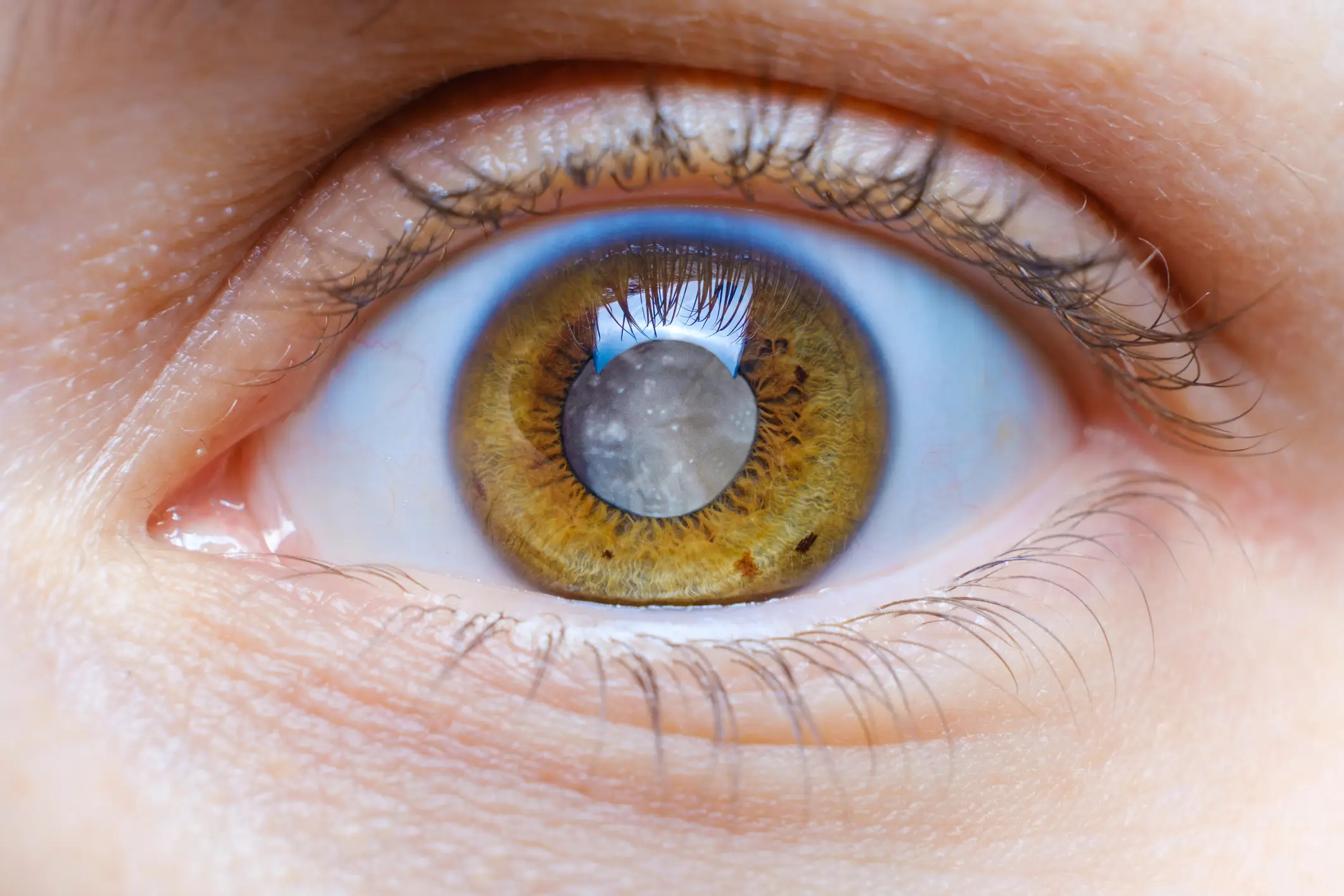
What are the symptoms of cataracts?
The symptoms of cataracts usually develop slowly.
The Forbury Clinic outlines that 'early signs' include blurred or cloudy vision, increased glare and light sensitivity, the fading or yellowing of colours, frequent prescription changes and poor night vision.
The NHS adds that sufferers will often have cataracts in both eyes, but the symptoms may be different in each eye.
Reiterating the early signs, the key symptoms include:
- blurred vision
- difficulty seeing at night
- difficulty reading and watching television
- your eyes being uncomfortable in, or sensitive to, light and glare
- looking at 1 object but seeing 2 (double vision)
- seeing glowing rings (halos) around lights
- colours look faded, especially blue
If you wear glasses, you may notice that you need to change the prescription of your glasses more often than usual.

What are the causes of cataracts in adults?
The NHS outlines that you may be more likely to get cataracts if:
- You're aged 60 or over
- You've had an eye injury or eye surgery in the past
- You have another eye condition, such as uveitis or are very short-sighted
- You've taken steroid medicines for long periods of time
- You smoke
- A parent, brother or sister has had cataracts
- You're a woman
- Your eyes have been regularly exposed to a lot of sunlight without protection, such as sunglasses
Some long-term health conditions can also increase your risk of getting cataracts, such as type 2 diabetes, severe dermatitis and high blood pressure.
 Rhiannon Ingle