Women may face ‘hidden’ cost each month because of world conflict

If you've been finding that your monthly pay packet isn't lasting as long as it used to, it's not just you.
Many women are finding that the cost of their shopping is increasing monthly, with the price of period products also going up.
The Iran War has been causing problems for imports of many items thanks to the conflict in the Strait of Hormuz.
It is one of the main waterways for the import and export of goods, and the ongoing war has seen many global supply chains being disrupted.
Advert
This disruption has caused the prices of raw materials to soar, including cotton, pulp, and plastics.
That's before you take into account the increased cost of shipping and fuel, with wartime tariffs and currency devaluation making imported pads and tampons much more expensive than they used to be.
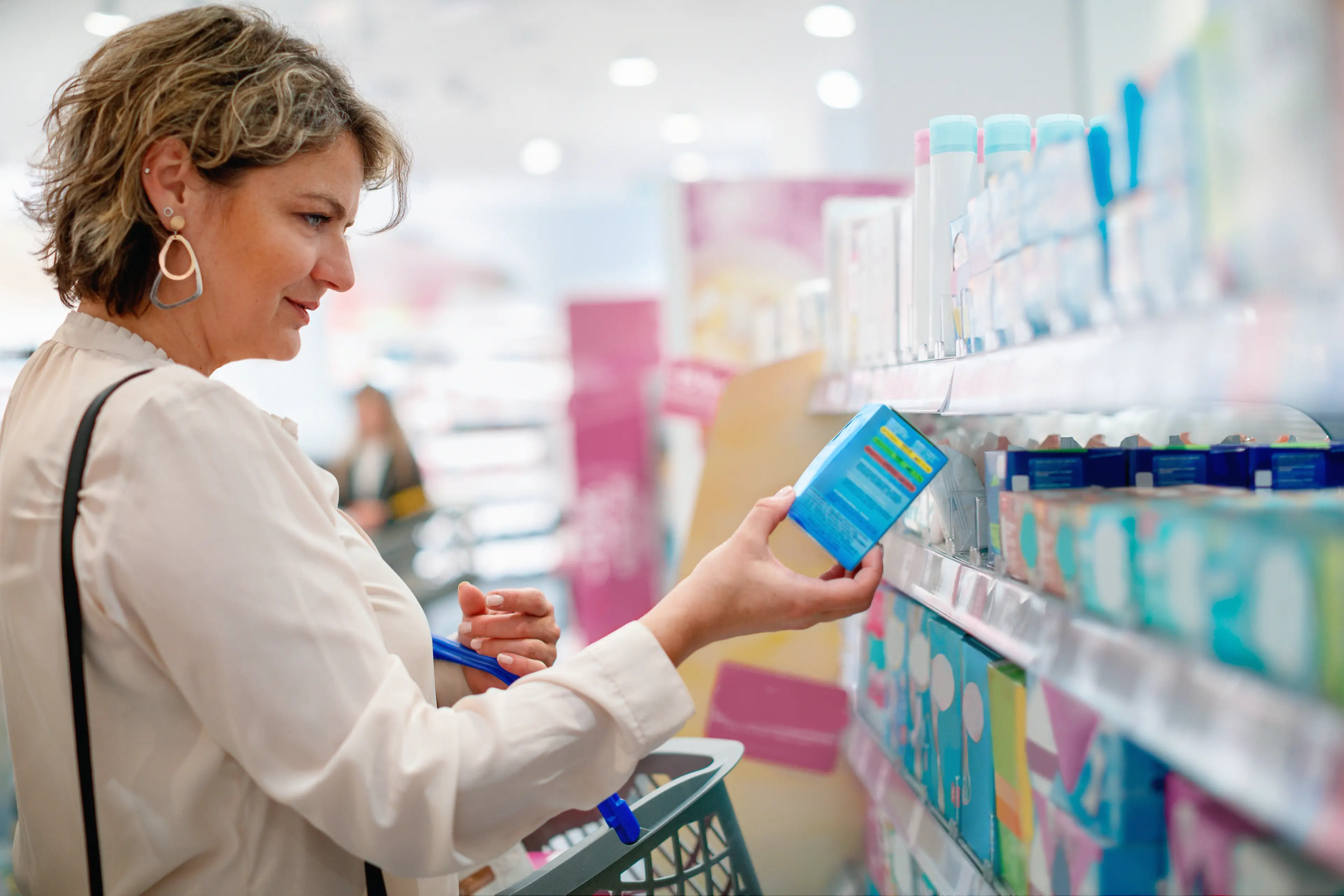
The National Institutes of Health says that many disposable pads and tampons heavily rely on petroleum-based plastics.
They also use processed cotton, which there has also been less of.
The CNBC inflation report says that the average price of feminine care products has already increased by a whopping 40% due to inflation and the aforementioned supply issues.
Latest CPI data shows that inflation in personal care products jumped by 22.1% in February when compared to January 2020.
According to LBC, the Office for National Statistics (ONS) found that the price of sanitary towels in packs of 10 to 20 rose from about £2 a pack to £2.41 in October 2025.
The price also depends greatly on whether shoppers have supermarkets with budget brands nearby, or if they have to pay more at convenience stores.
Sarah Broyd, a partner with consultancy firm Clarkston Consulting, told CNBC it makes some women have to make tough decisions: "I do think that we’re at a point where consumers in general are having to choose whether they can buy food for their family, or buy prescriptions for their family. Some things that we do typically define as a necessity, people are finding alternatives for or going without."
She added: “When you think about plastic and pulp and some of the main components of feminine care products, they’re largely probably coming from overseas and then getting hit with that much more of tariffs."
It's not just in the US either, as last year the charity Action Aid reported that the number of women who are struggling to afford period products jumped from 12% to 21% in one year.
That's around 2.8 million women living in period poverty.
Many women are now turning to period underwear or reusable methods such as a cup, but even those tend to have a higher initial outlay.
Topics: Money, Periods, Women's Health, Shopping
 Jen Thomas