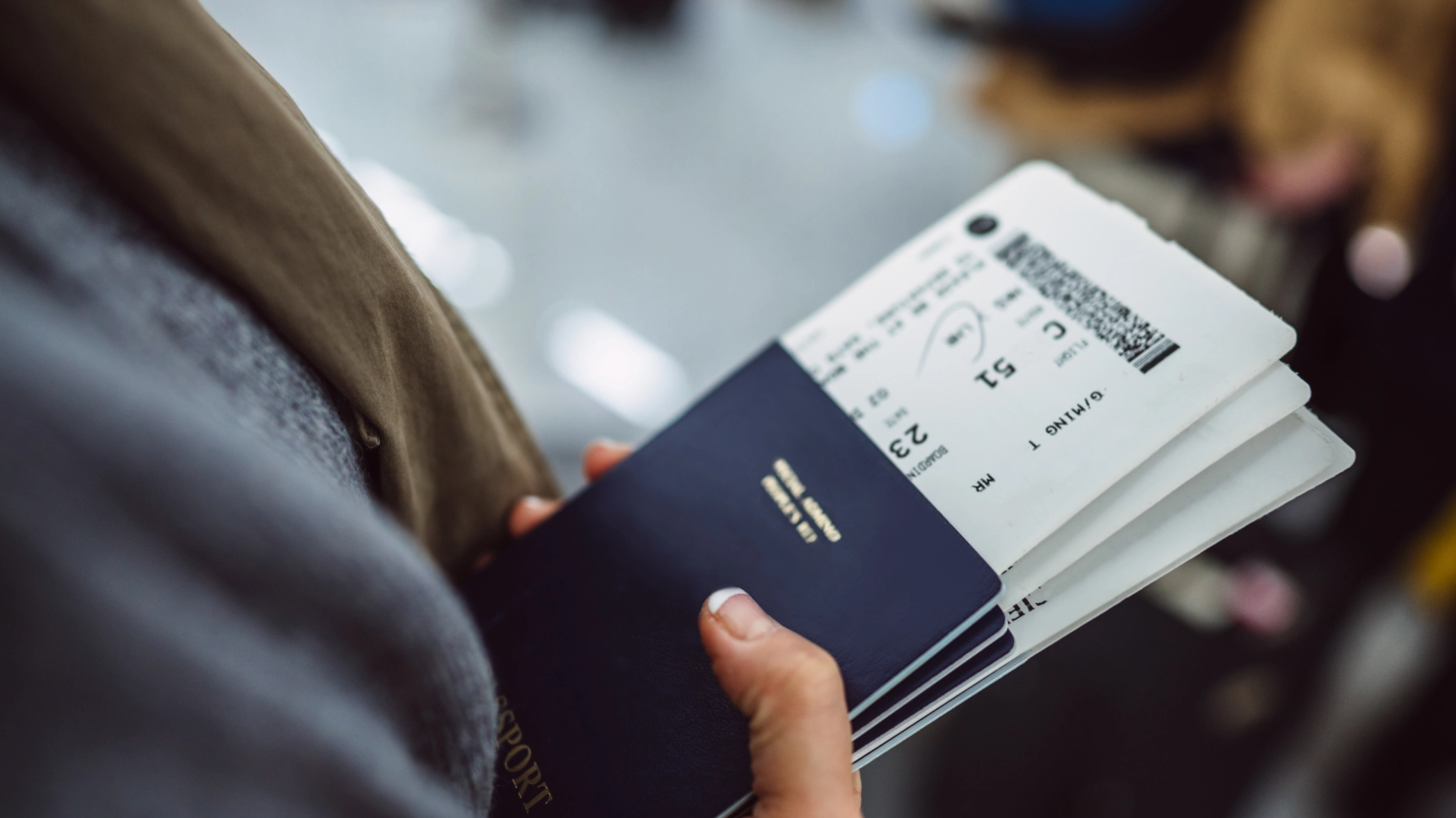
New passport rules could stop British holidaymakers boarding flights to Europe this summer

If you're heading to Europe this summer, you might want to give your passport a proper once-over before you start thinking about airport outfits.
New digital border checks are now in place across much of Europe, and experts are warning they could mean longer queues, extra checks and, in some cases, being stopped before you even get on your flight.
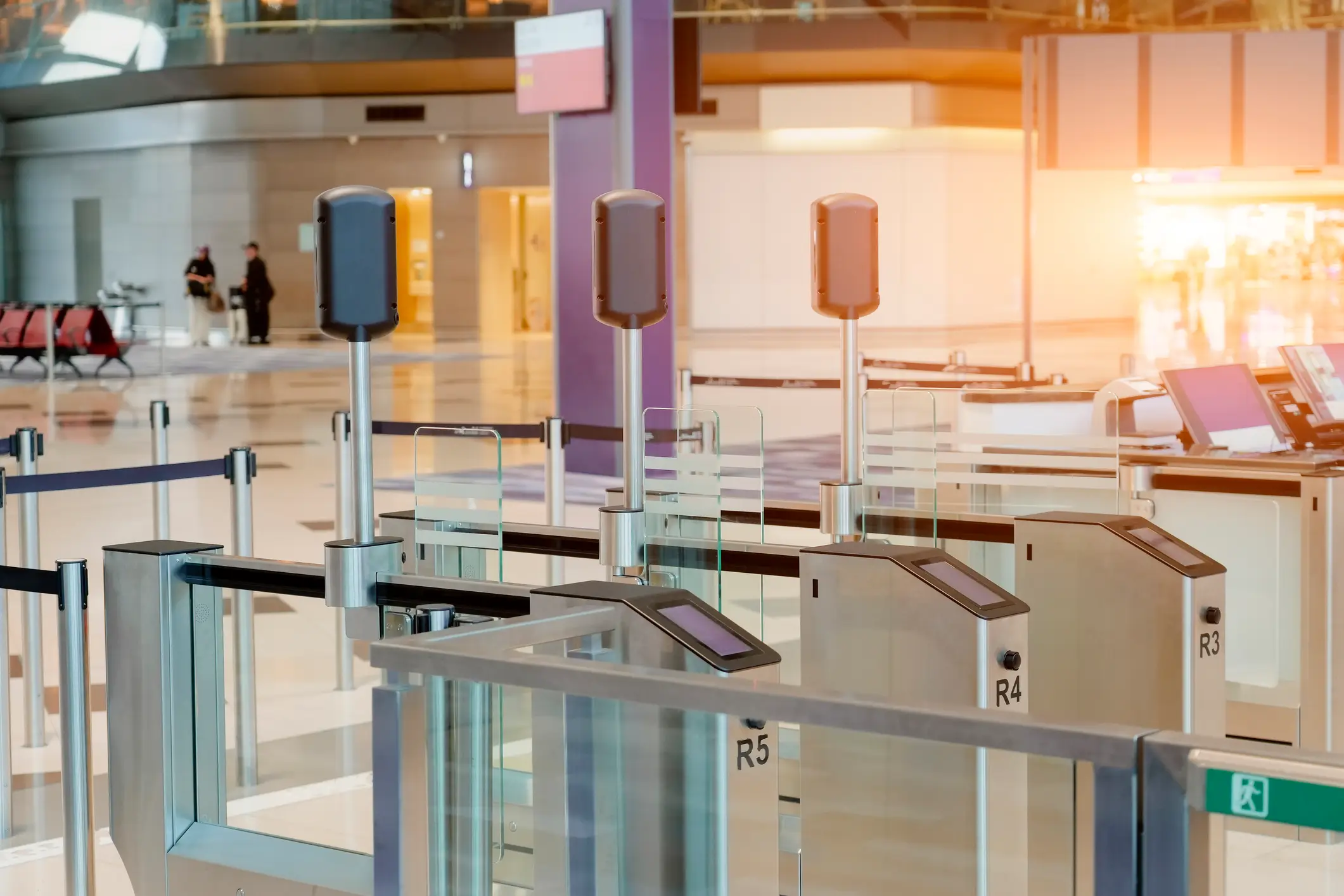
The EU's Entry/Exit System (EES) has officially replaced passport stamps with a digital system that records when non-EU travellers enter and leave the Schengen area.
For British holidaymakers, that means facial images, fingerprints and passport details could all be collected when travelling for short stays.
Advert
While the new process is designed to strengthen border security, it's also expected to slow things down during one of the busiest travel periods of the year.
Helena Sheizon, founder of UK immigration advisory practice Kadmos Immigration, said via Glasgow Live: "Some holidaymakers are travelling to Europe as non-EU nationals, and that means the checks are different from what many people remember before Brexit.
"The biggest mistake families can make is assuming nothing has changed. If your passport doesn't meet the entry requirements, or you haven't allowed extra time for the new border procedures, your holiday can be disrupted before it has even begun."
First-time users of the system may also be asked to provide biometric information, including fingerprints and a facial image. It only takes a few minutes per person, but those extra checks can quickly add up during busy periods, especially for families and larger groups.
There's another passport rule catching plenty of Brits out too.
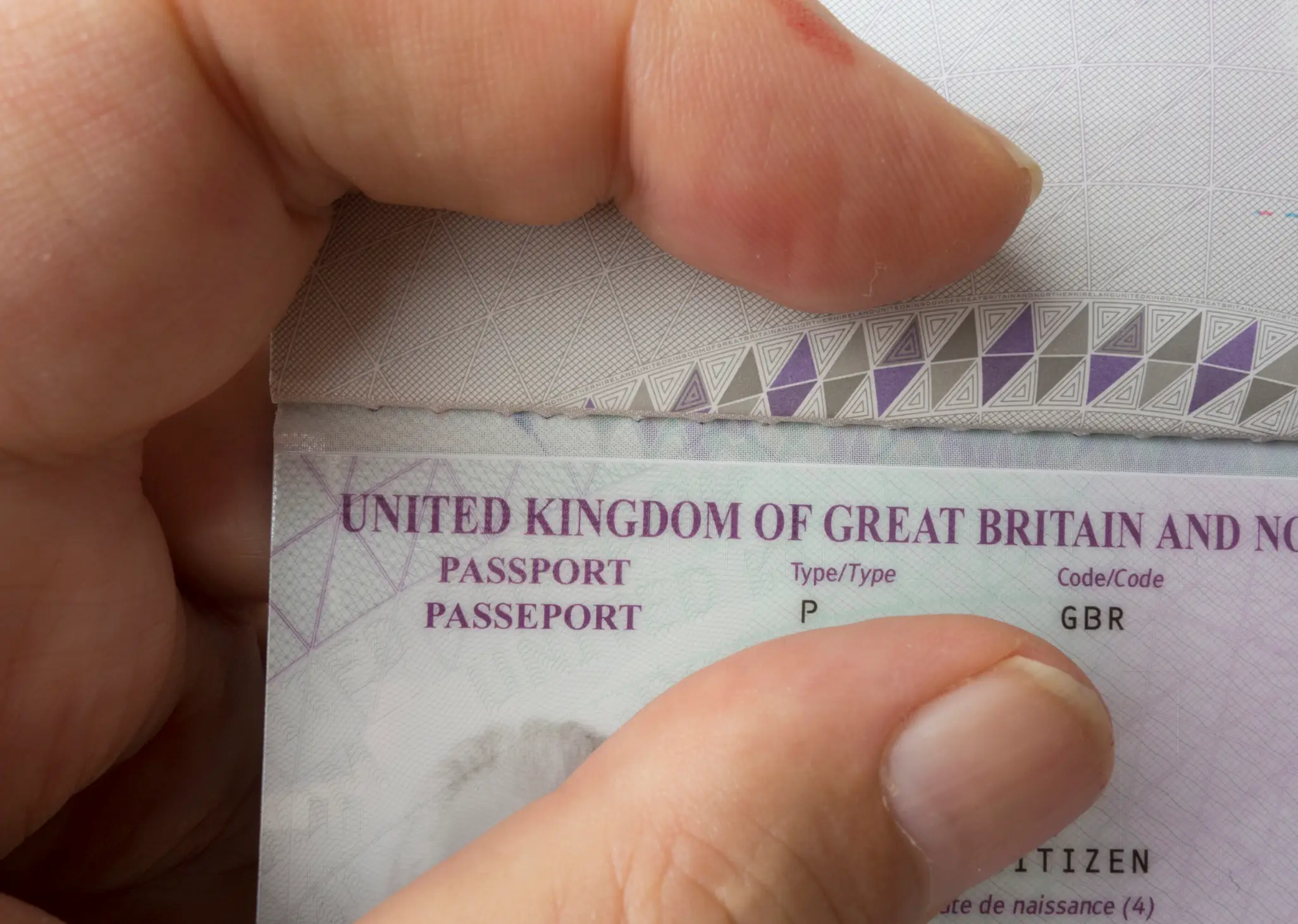
For travel to the EU and wider Schengen area, your passport must have been issued less than 10 years before the date you enter, and it must also be valid for at least three months after the day you plan to leave.
Sheizon explained: "Many people only look at the expiry date, but for travel to Europe that isn't enough. A passport can still appear valid, but if it was issued more than 10 years before the date you enter the Schengen area, you could be refused boarding or entry. It's one of the easiest mistakes to avoid, provided you check early enough."
She also urged travellers not to leave those checks until the last minute, adding: "The safest advice is simple: check your passport before you book, not the night before you fly. People spend weeks comparing flights and hotels, but something as simple as passport validity can stop a holiday before it starts.
"Spending five minutes checking your documents now could save hours of stress later."
 Rhiannon Ingle