
Medic thought woman, 24, was 'overreacting' and within hours she was dead

 Rhiannon Ingle
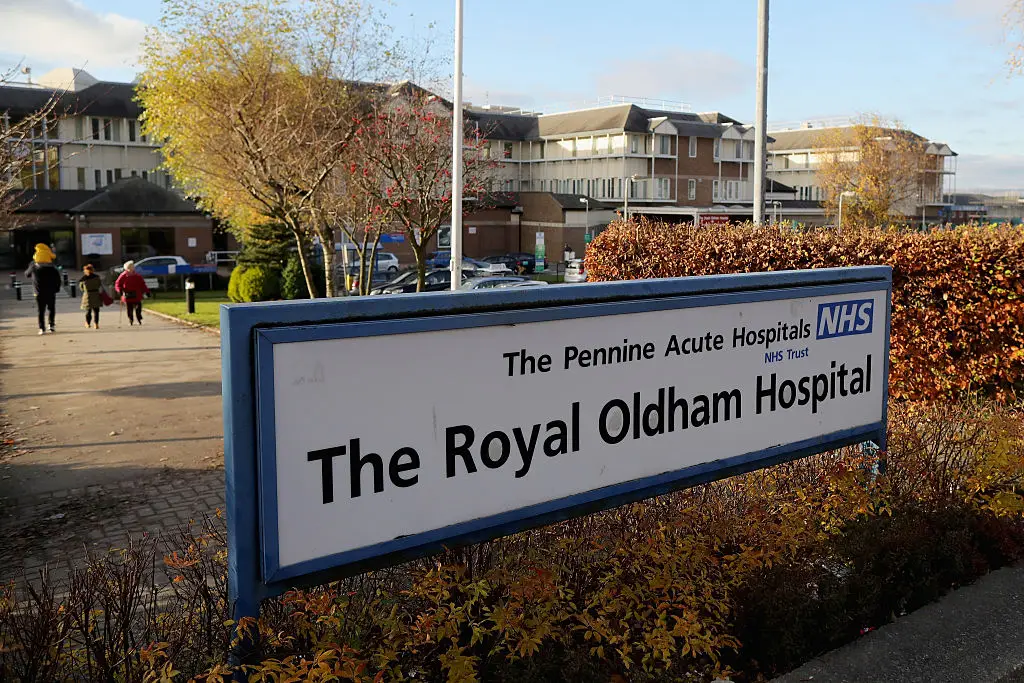
A 24-year-old woman tragically died after spending more than an hour in a corridor at Royal Oldham Hospital while suffering from a pulmonary embolism, a recent inquest (6 May) has heard.
Clarissa Street, from Castleton in Rochdale, died in the early hours of August 14, 2024, after being taken to A&E the night before following spells of dizziness, vomiting and passing out.
The three-day inquest at Rochdale Coroner’s Court heard that Clarissa, a University of Manchester Sociology graduate who received the Dean’s Award for her dissertation, had been feeling unwell for two days before her boyfriend called an ambulance on August 13.
She had previously suffered a provoked pulmonary embolism and deep vein thrombosis in 2017, and had taken blood thinners at different points between then and 2024.
Advert
After arriving at Royal Oldham Hospital, Clarissa was reportedly given an oxygen mask that was not connected to anything 'to try and regulate her breathing' before being left in a corridor for around an hour.
The inquest heard that a paramedic handing Clarissa over to triage staff suggested she was 'overreacting and having a panic attack'.
Staff Nurse Michelle Neale, the triage nurse on duty that night, told the hearing she ordered an ECG, blood tests and venous blood gas tests after being informed by ambulance staff that Clarissa had been hyperventilating.
Ms Neale said she 'didn’t know' why she gave Clarissa the disconnected oxygen mask and accepted she should not have done so, but claimed it 'did regulate her breathing' and that Clarissa was 'speaking in full sentences'.
She said Clarissa told her she had recently been on holiday in the Canary Islands.
Ms Neale said: "Normally, I would challenge it, but Clarissa was talking to me. She could speak to me in full sentences.
"I remember her coming in. She was able to talk to me, and she told me that she had been on holiday in the Canary Islands. I went back to Clarissa in the corridor, and I asked her if [the oxygen mask] helped her, and she said yes."
The court heard Clarissa had low blood oxygen levels and a high heart rate, but was placed in a corridor after being handed over to a more senior nurse.
Ms Neale added that the senior nurse told her Clarissa was 'young, so we’ll just keep an eye on her' after she was put on fluids and left in the corridor.
The inquest also heard a senior nurse planned to reassess Clarissa after fluids were administered, with the possibility of transferring her to an urgent treatment centre.

However, Clarissa’s condition later deteriorated. She was eventually moved to higher care and treated by a doctor, but died hours later from a pulmonary embolism with a background of fatty liver disease.
The hearing was also told that, under national guidelines, there had been no requirement to refer Clarissa to haematology following her 2017 pulmonary embolism because it was considered 'provoked'. Long-term anticoagulant treatment was also not deemed necessary at the time.
It was accepted that, with hindsight, further haematology investigations may have identified an underlying contributing factor. However, the inquest heard Clarissa’s 2024 embolism was unprovoked and 'cannot be said that the two are linked'.
Clarissa’s family described her as a very well-liked, creative and outgoing woman who enjoyed concerts and being around people.