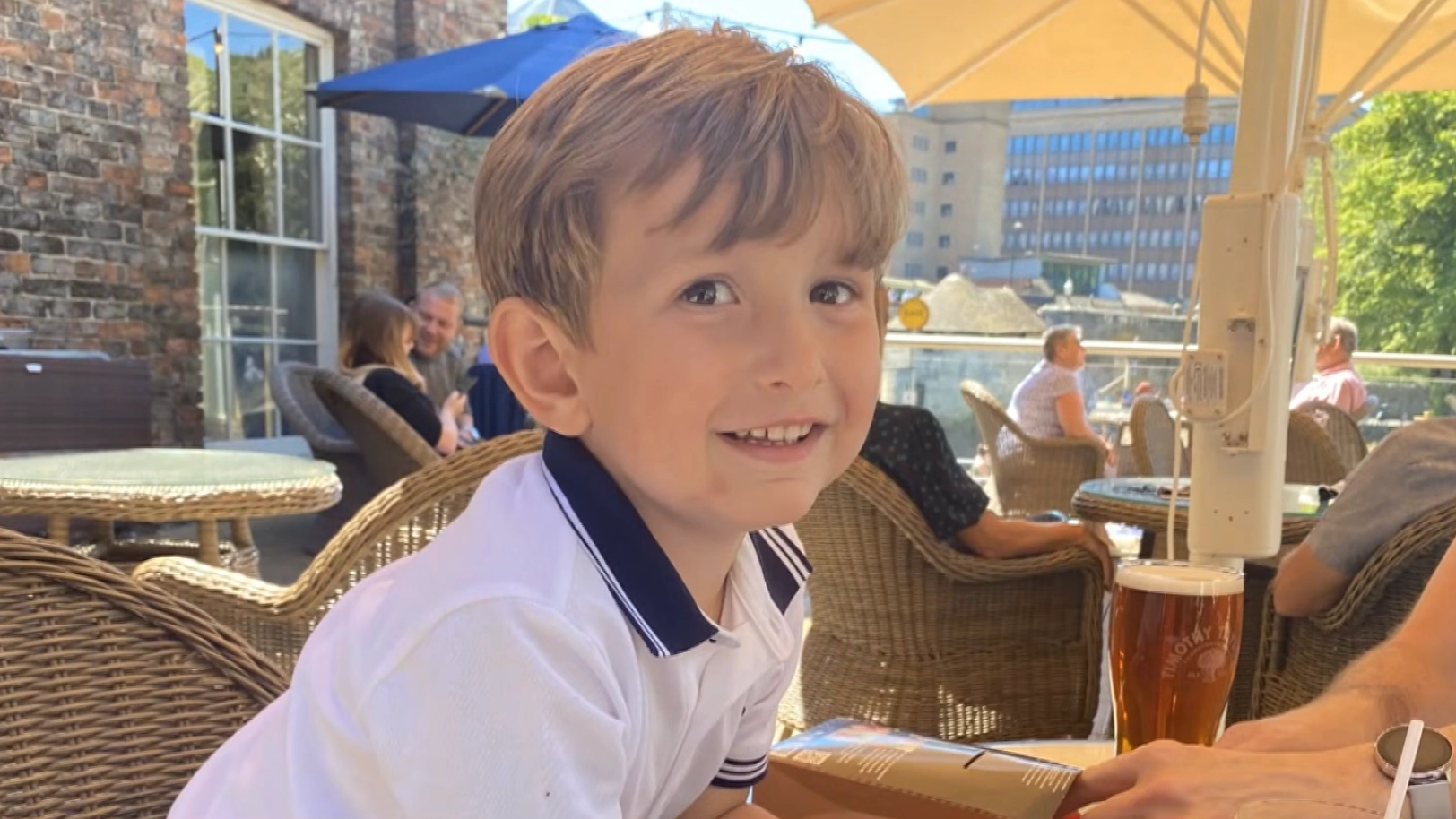
Mother of boy, 5, who died after being mistakenly given cow's milk in school has urgent plea

The mother of a British schoolboy who died following an allergic reaction to cow's milk, which he was mistakenly given, has issued an urgent plea to teachers as new safety rules come into force.
Helen Blythe appeared on Good Morning Britain today (4 Sept) to speak about the devastating loss of her five-year-old son Benedict, who passed away after suffering a fatal allergic reaction at school in 2021.
The child had been diagnosed with allergies when he was just four months old, including a severe allergy to cow's milk. His parents made the school aware of his condition and provided information about how to keep him safe.
Advert
But on 1 December 2021, Benedict was accidentally exposed to cow's milk protein while at Barnack Primary School in Stamford.
An inquest later concluded that he had probably ingested cow's milk protein from his own receptacle during break time.
Jurors also identified delays in administering adrenaline and failures around the sharing and following of his allergy plan among factors that probably contributed to his death.
Now, following years of campaigning by Helen and Benedict's dad Peter, the first phase of Benedict's Law has come into force in England, with schools required to strengthen allergy policies, staff training and emergency preparedness. At the same time, life-saving adrenaline pens are being made available in schools.
And Helen has a stark warning for schools, insisting the new measures must not simply become a 'tick-box exercise'.
"He'd got an allergy that we'd known about since he was four months old," she recalled. "So, he was allergic to a few things, but particularly cow's milk.

And so, when he went off to school, we asked all the right questions. We asked whether there was a policy, training.
"We also provided information for the school to turn into their own plan."
She added: "So we did, I think, all we could have done as parents to make sure that they had the information that they needed to keep him safe."
Reflecting on the day of Benedict's death, Helen continued: "What happened was, the processes that we agreed weren't followed, and they gave him milk containing cow's milk protein, which we knew he was allergic to.
"The people providing his care hadn't seen the plan that we'd given, and ultimately, they gave him the medication too late to save his life. He had an EpiPen on him, but it was used too late."
Helen said the family's campaign had already prompted an encouraging response from teachers, but stressed that the new rules must be taken seriously.

"We've had so many teachers reach out to us this week saying, 'I've done my training, I'm so pleased, I feel so much more confident'," she explained. "I think it's why it's so important that this isn't a tick box for school.
"And while we're really pleased that statutory guidance has come in, how they deliver on that is up to each school. Some will go above and beyond, and others may see this as a tick-box exercise. We really urge them to take this seriously."
For Helen, the campaign is ultimately about ensuring Benedict’s death can save other children's lives.
"He was the loveliest little boy; he was incredibly kind and sweet," she gushed. "When he started school, on his first day, there was a little boy near him who was really nervous, and he noticed this, reached out his hand and said, 'It's okay, I'll take you in'.
"I think that's a really good way of describing who he was, and it's why doing something in his memory that supports other children is so important to us."
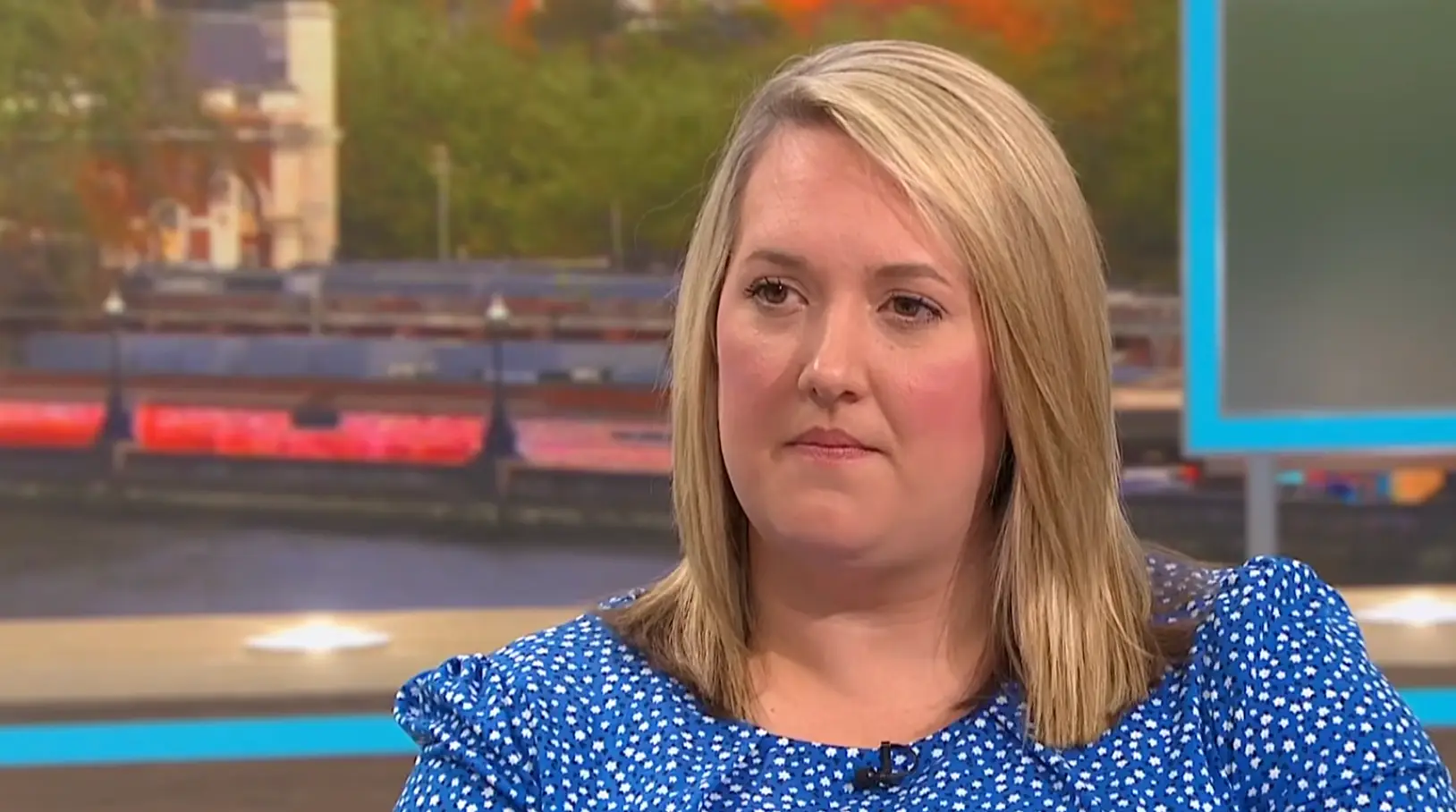
Benedict's Law follows the Blythe family's campaign, with the new measures designed to ensure schools have clearer systems for protecting children with allergies and responding to potentially fatal reactions.
For Helen, though, the message remains simple - having the rules in place is only the first step.
Schools must now make sure they are actually followed, because, as Benedict's heartbreaking story has shown, when a child suffers a severe allergic reaction, there may be only minutes to save their life.
 Rhianna Benson