Nine safest states to be in if WW3 broke out

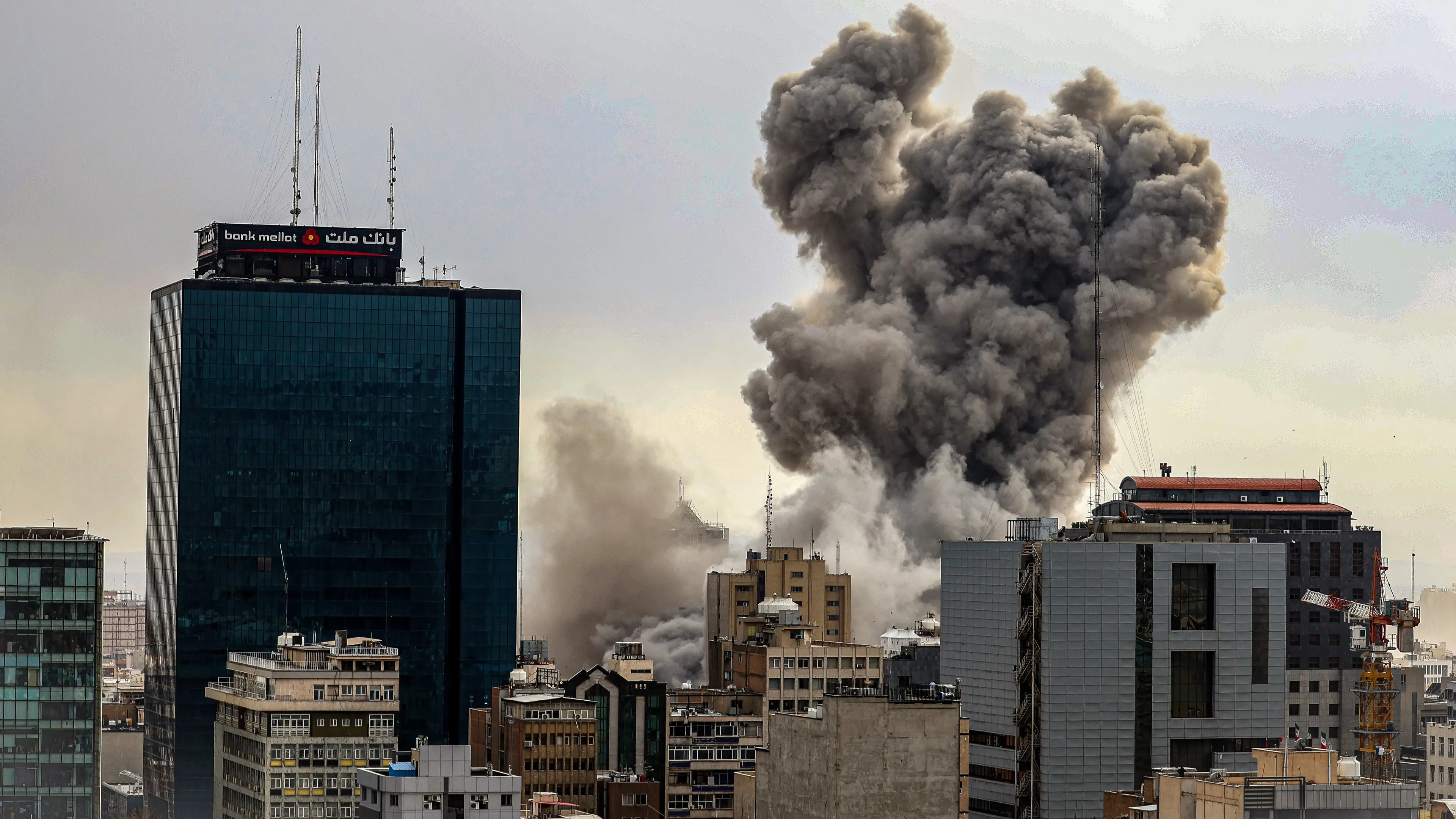
Fears of a potential Third World War breaking out have been growing ever since the US and Israel sent airstrikes to Iran on Saturday (28 February).
For those not up to date with the news, the two countries issued joint strikes that killed Iran's Supreme Leader, Ayatollah Ali Khamenei.
US President Donald Trump, 79, and Israeli leader Benjamin Netanyahu said their reasoning for the attack was to induce regime change in Iran and to address concerns regarding its nuclear programme.
In response, Iran launched a series of counter-strikes against Israel, as well as targeting American assets and allies, such as Israel, Bahrain, Kuwait, Qatar, Jordan, and the United Arab Emirates (UAE).
Advert
Now, we're in day six of conflict, and the death toll is still rising, with other countries getting involved and prompting fears of WW3 breaking out.
If the fighting were to become more widespread, people have questioned where would be safest in the worst-case, unthinkable scenario - the use of nuclear weapons, which can wipe out entire cities instantly.
While no place would ever truly be 'safe' from a nuke, one scientific study outlined which US states would be safer than others in the event of an attack, as per AOL.
Maine
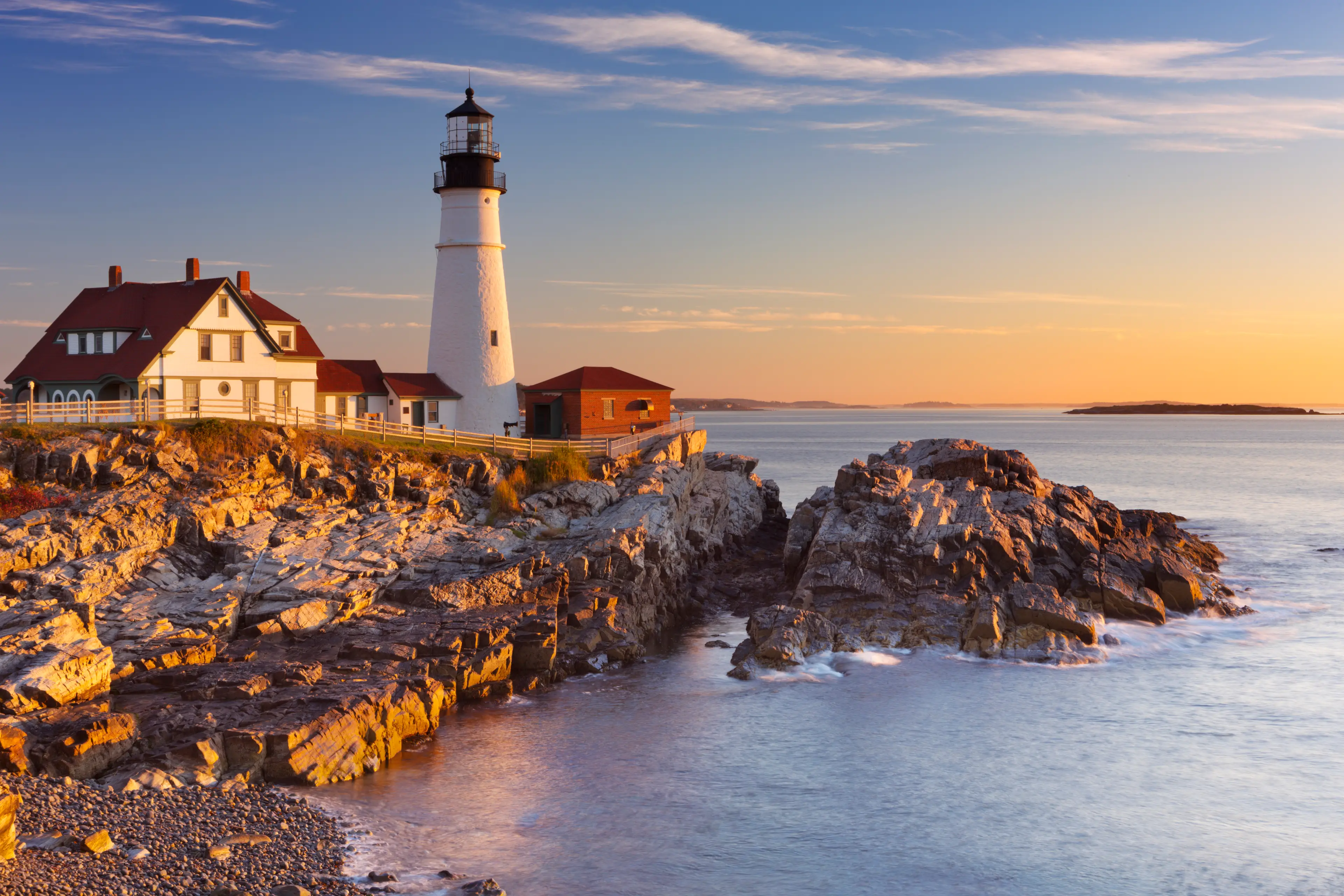
According to the publication, the first on the list is Maine, which is the northeasternmost US state and is known for its rocky coastlines, lighthouses, and national parks.
It has an 'abundance of fresh water, farmland, and fishing communities' that could all help in long-term survival if a nuclear attack were to happen.
As well as being close to military bases, it also has a lot of rural and sparsely-populated land, like Aroostook County, which would help people shelter away from fallout.
Montana
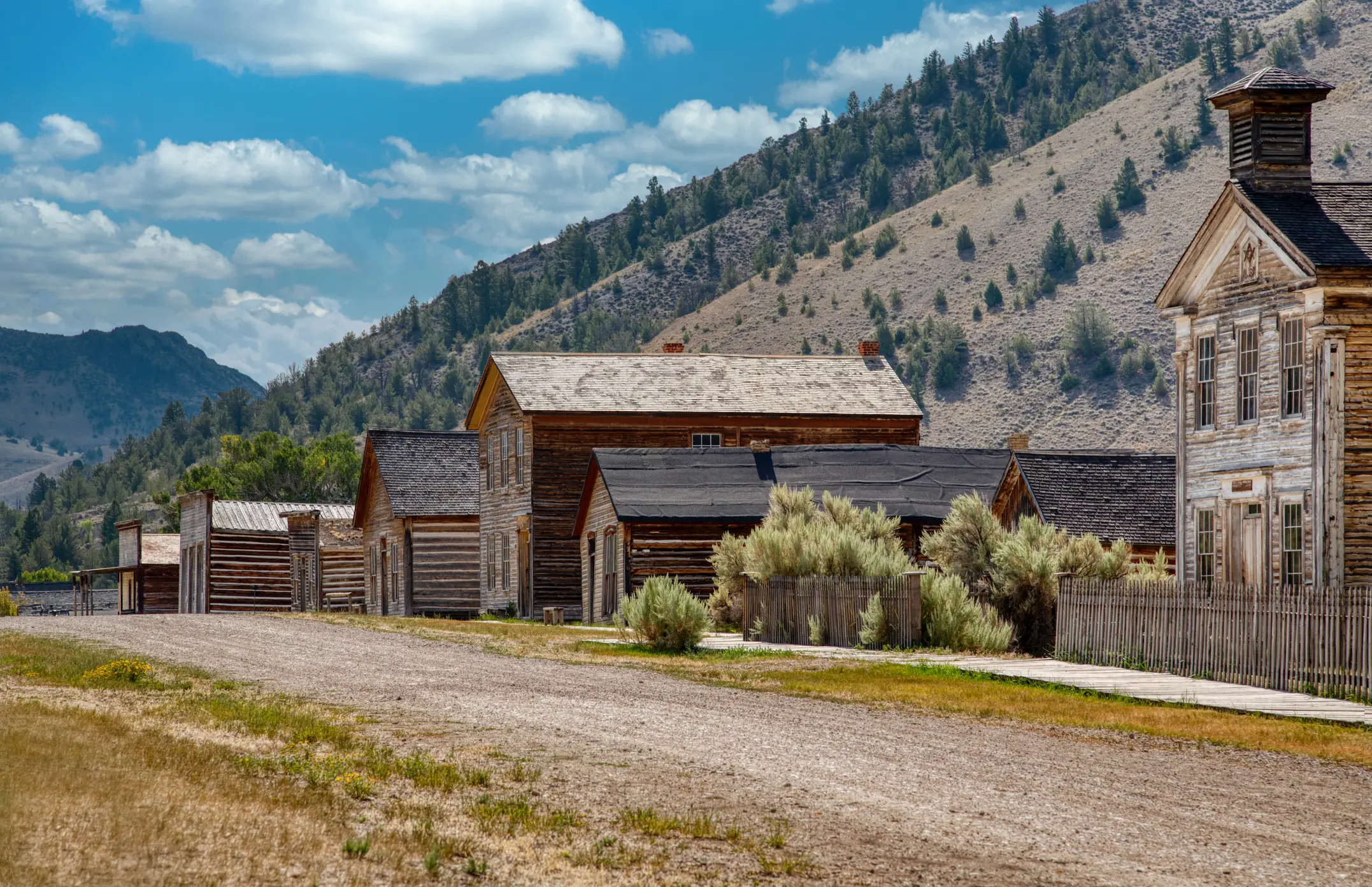
Second on the list is Montana - a Western state best known by its diverse terrain, which ranges from the Rocky Mountains to the Great Plains.
Despite being the fourth-largest state by area, it also has the third-lowest population density, with lots of rural and rugged areas, making it an unlikely target for a nuclear missile.
It was also used to house missile silos which were used during the Cold War, but most have since been decommissioned.
Oregon
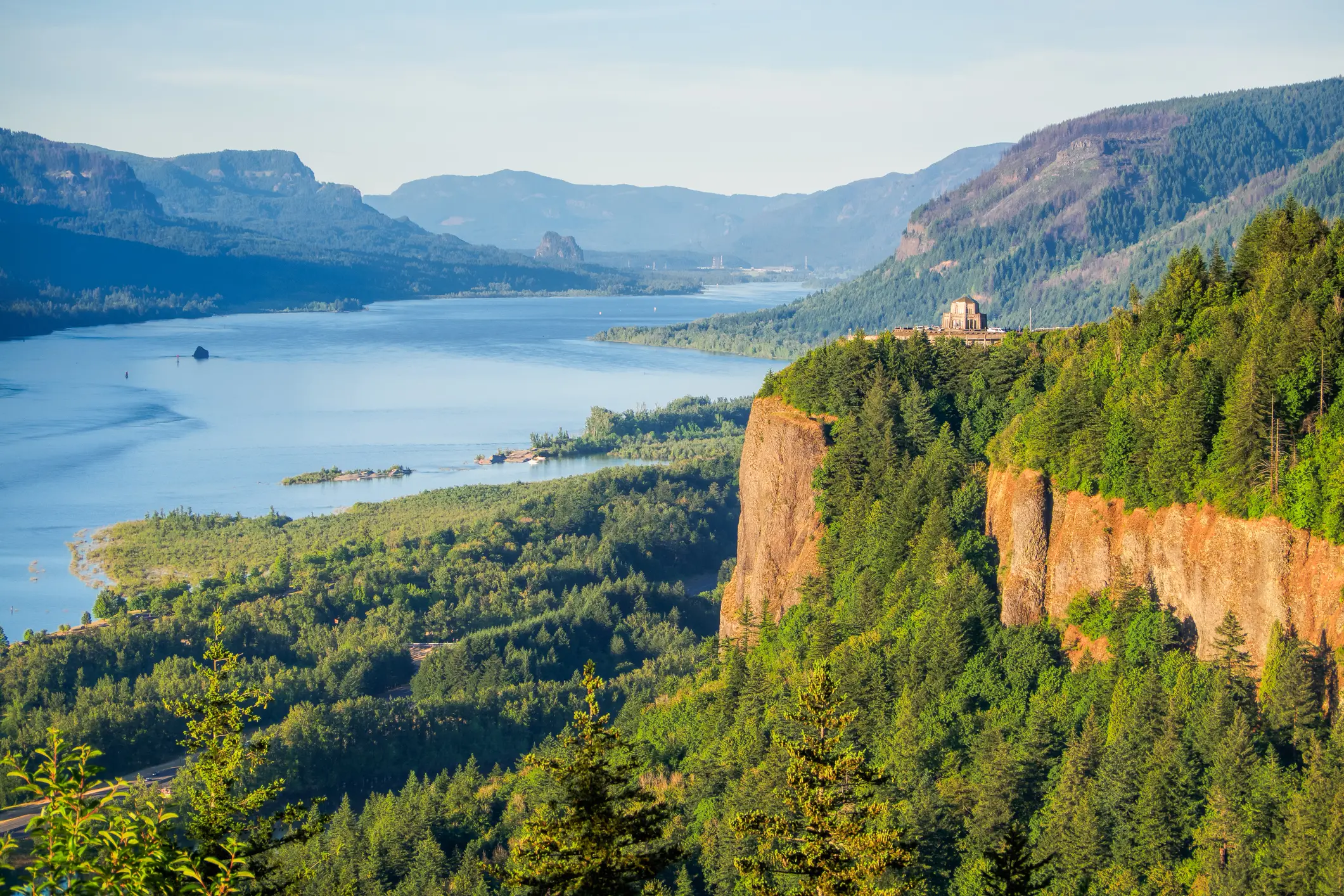
AOL reports that a lot of Oregon's inland areas would be mostly shielded from major strike zones, making it another safer option.
Away from busy areas like Portland, there are dense forests, freshwater lakes, and other agricultural resources that would help in the event of an emergency.
Idaho
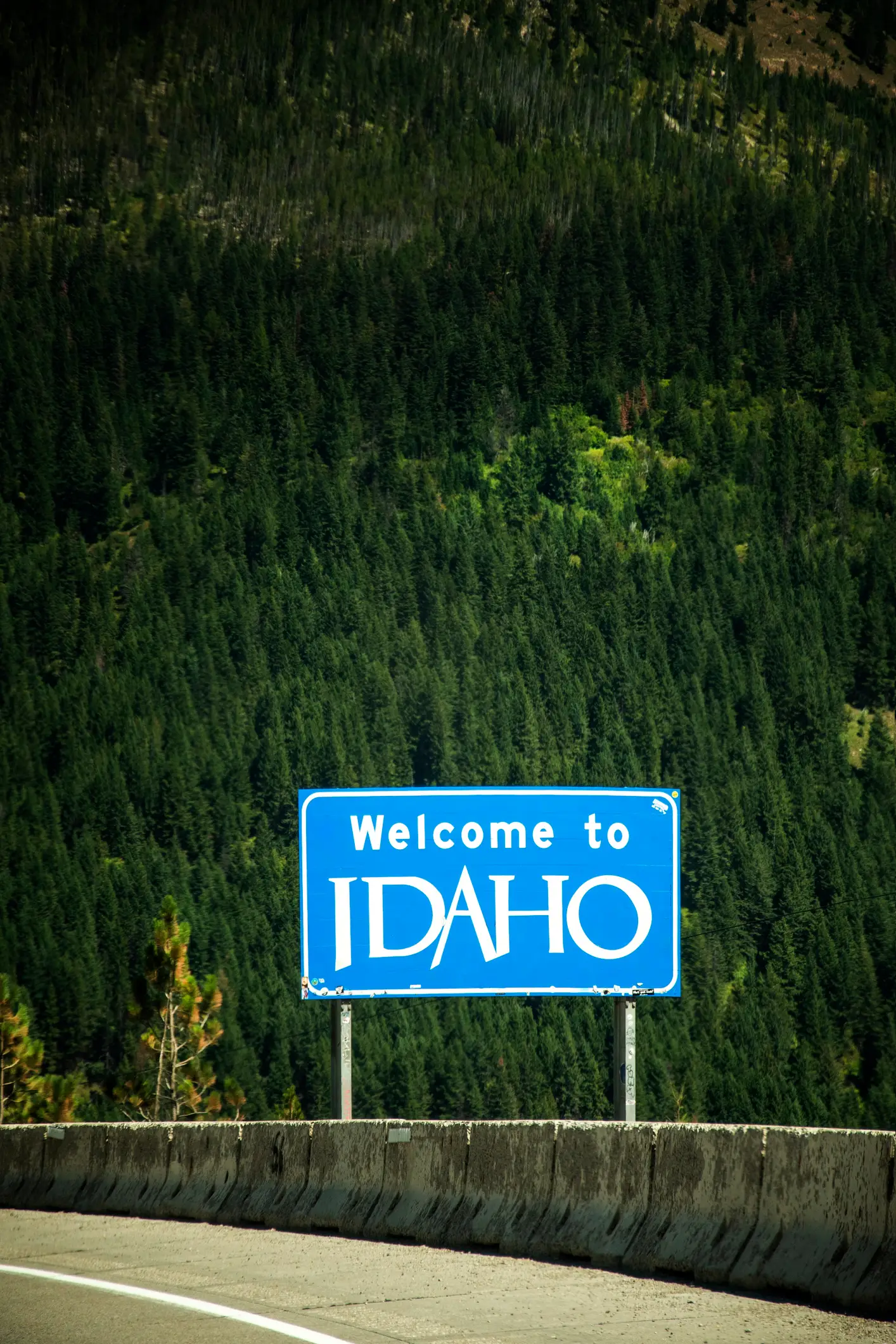
Another one of the Mountain states that is thought to be safer in the event of WW3 is Idaho.
As per Britannica, the residents of the state 'enjoy some of the largest unspoiled natural areas in the United States, including about 3,900 square miles (10,000 square km) of wilderness and primitive land in which roads and vehicles are seldom to be found'.
AOL reports that this would make it easy to find shelter and quickly relocate from one place to another, due to the state's extensive public lands.
Utah
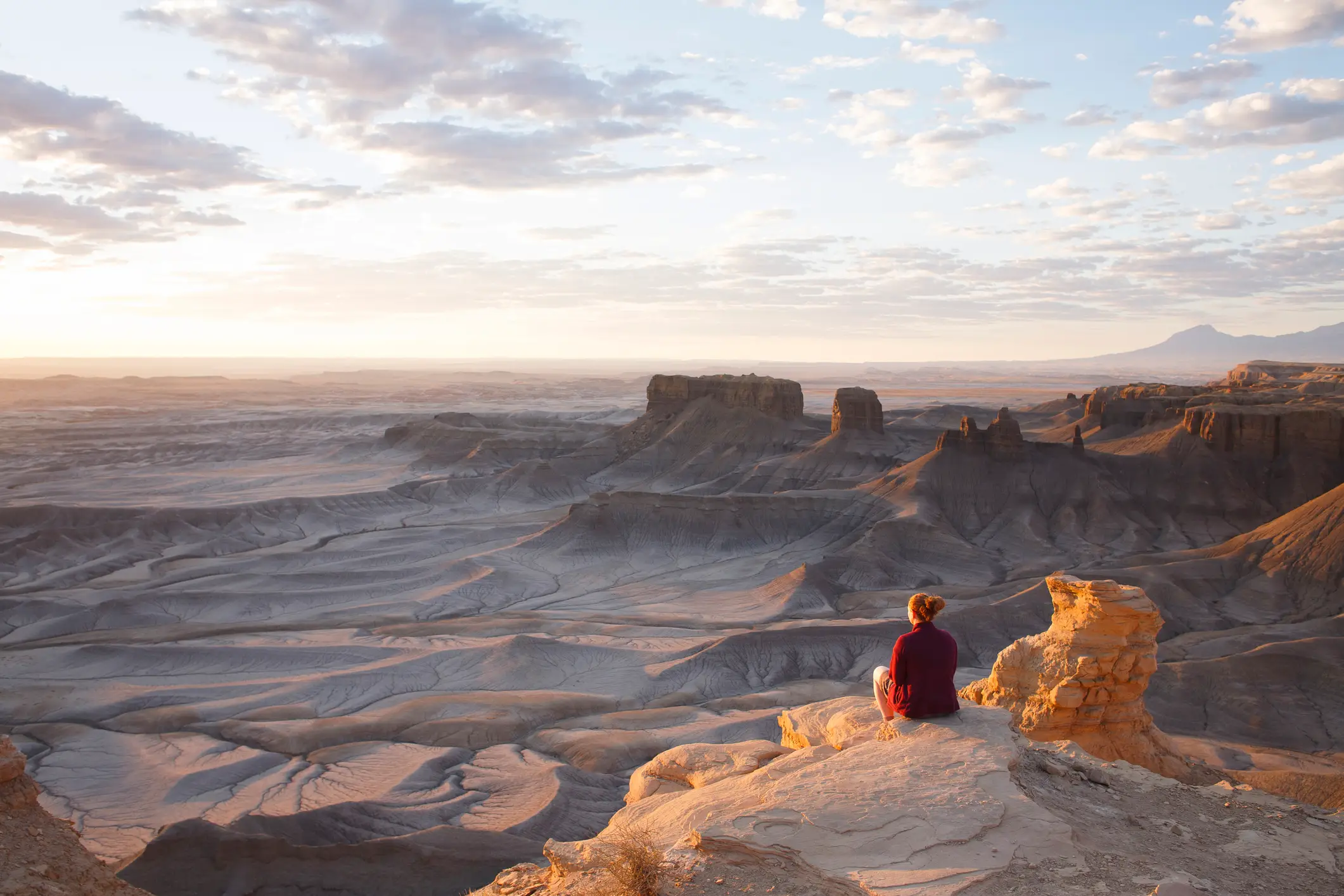
Similarly, Utah is also extremely remote, which would be an advantage in the event of a global catastrophe.
It also has more boatable water than most other states, and a dry climate, which would reduce fallout risks. On top of this, the state's rock caves and secluded valleys make great natural shelters.
Vermont
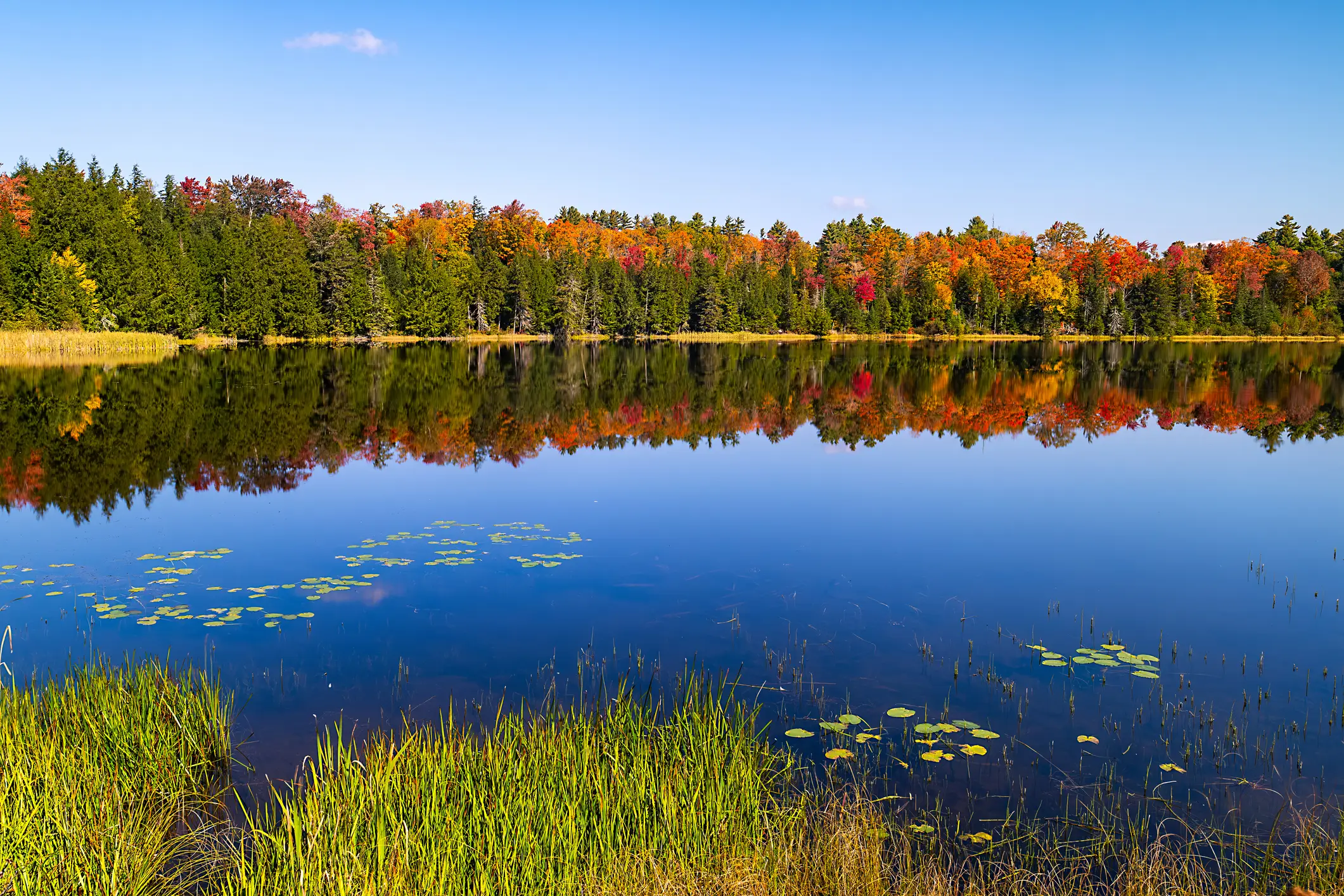
Next on the list is Vermont, which has dense forests to hide in, as well as lots of natural resources to aid survival.
Other factors at play are its low population density, lack of major military targets, and distance from major ICBM silos.
North Dakota
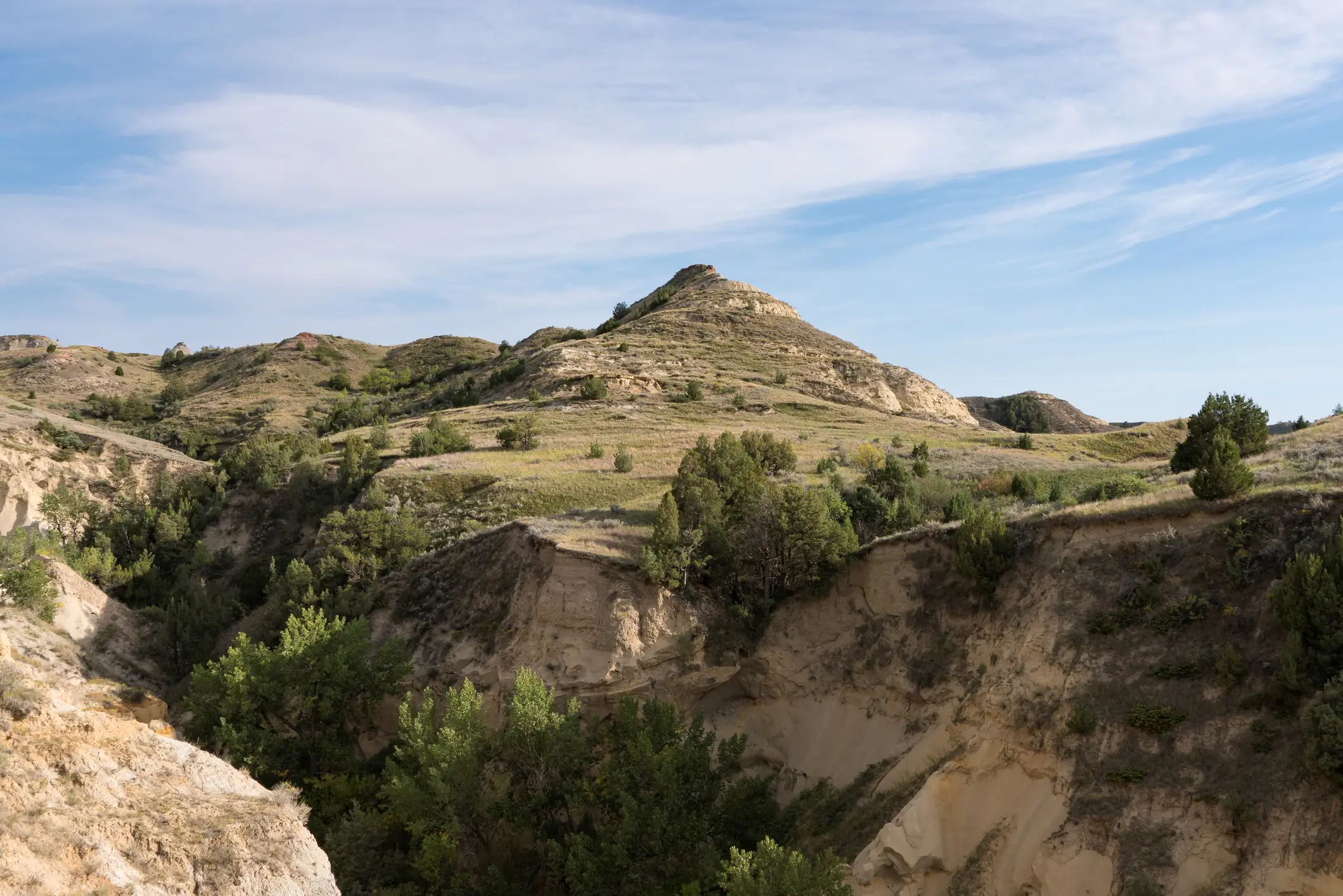
Meanwhile, North Dakota is another one of the least-populated states in the country, earning it a place on the list.
The climate is ideal for agricultural production, and it used to be home to Cold War-era missile sites.
Now, though, it's mainly just remote and agricultural, with an open landscape abundant with farmland, water, and wind power.
Alaska
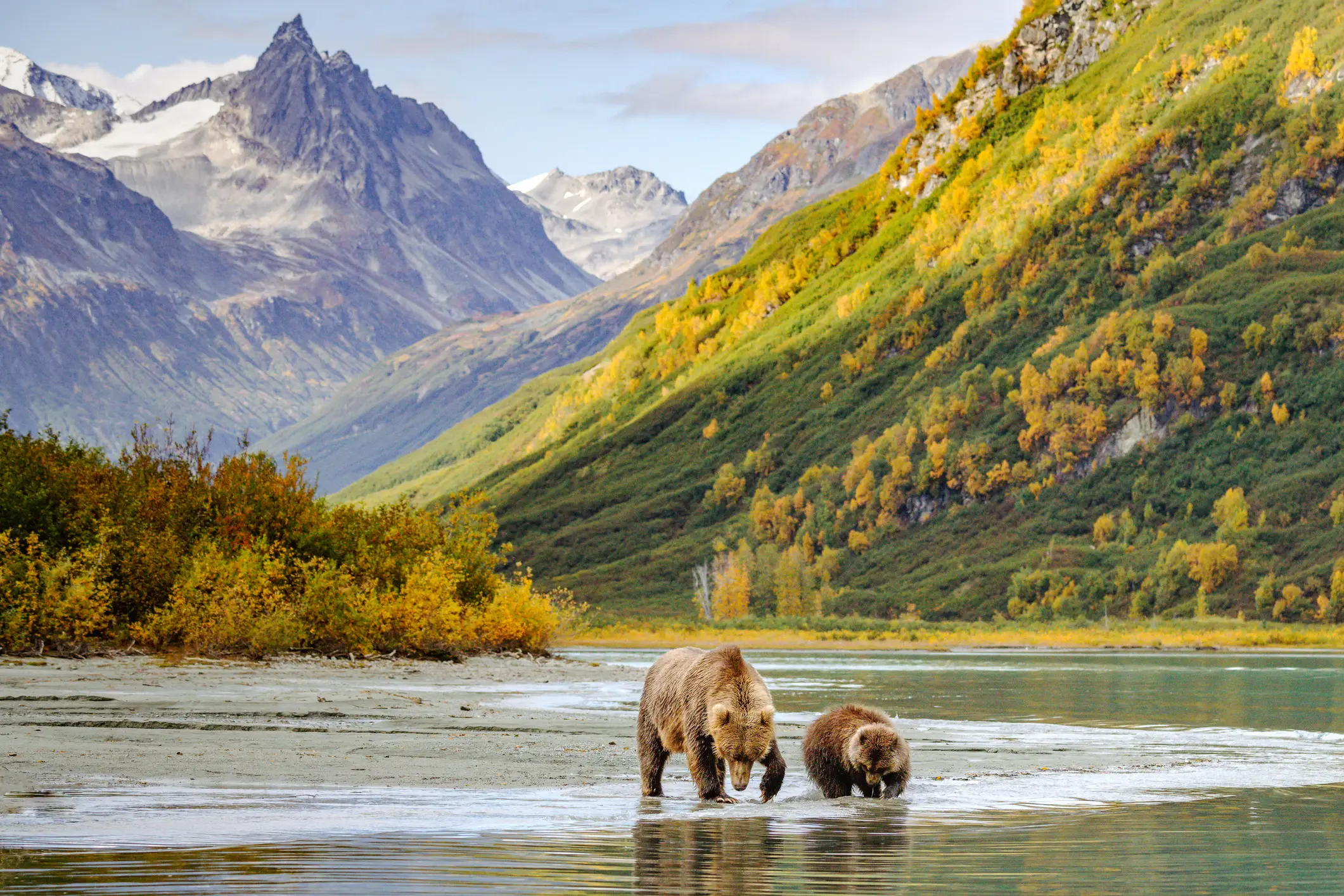
Finally, you can't really get any more remote than Alaska.
The publication names it as 'one of the best survival spots on the planet,' not just in America.
This is due to its distance from the continental US, making it protected by distance alone, not to mention its clean waters and fish as added advantages.
 Madison Burgess