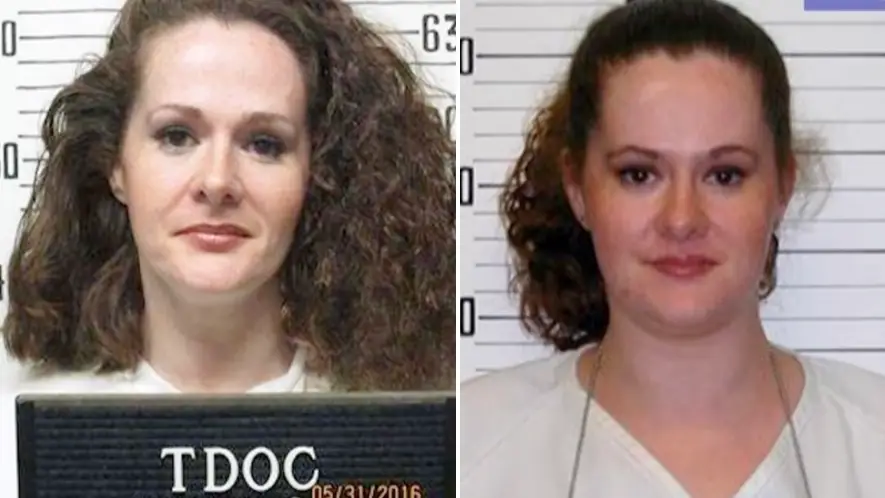
What went wrong during Christa Pike’s botched execution, according to her lawyers

It’s been almost a week since Christa Pike’s execution was scheduled to take place; however, Tennessee’s only woman on death row is still alive and critically ill in the hospital.
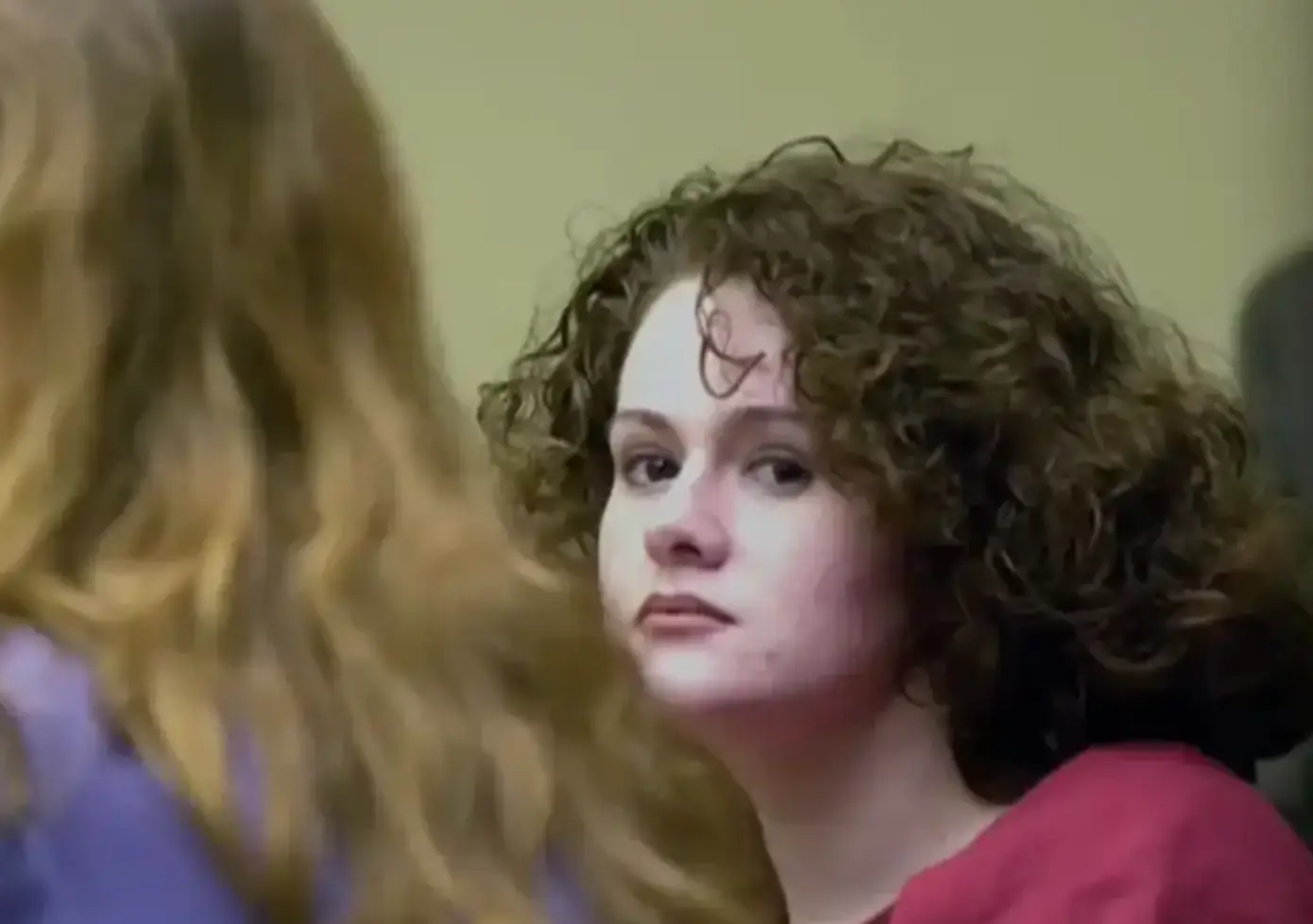
The 50-year-old was 18 when she and her then-boyfriend tortured and killed a classmate, Colleen Slemmer, in 1995, and last week she was due to be the first woman executed in the state in over two centuries.
But after officials gave the convicted murderer two doses of the lethal injection drug, she remained alive and complained that her ‘arm feels like it’s about to burst open’ before falling unconscious and ‘snoring’.
The room was evacuated, and Pike was rushed to hospital, where she was said to be receiving ‘life-saving’ care.
Advert
Now, in a fresh update, on Sunday (4 October), one of her lawyers outlined that she’s been unconscious on a ventilator in hospital for the four days since her failed execution, and her prognosis might not be known for days.
Following the failed execution, Pike's lawyers also filed an emergency motion to preserve ‘any and all evidence’ related to it.
What went wrong during Christa Pike’s botched execution?
During the execution attempt, Pike was given two doses of the lethal injection drug pentobarbital, which is in accordance with state protocol when the first attempt fails.
As reported by BBC News, the officials tried to start intravenous (IV) lines by using at least seven needles.
Her lawyers recalled: “She could be heard crying, whimpering, and breathing loudly.”
They claimed that the IV lines were incorrectly placed and her veins had ‘blown’, meaning they failed to stop her heartbeat.
The filing said: "At no point did any member of the execution team realise that the IV lines were not correctly placed or that the veins had blown and that the pentobarbital was, in whole or in part, entering Ms Pike's body.”
The outlet reports that one of her lawyers, Randy Spivey, said he saw during the execution that ‘her right arm was turning purple’ and that there was ‘burning around the sites of the injection’ afterwards.
The Tennessee Department of Correction has defended what happened, saying that ‘the protocol does not allow for additional procedures beyond what was carried out’.
It reportedly doesn’t clearly specify what should happen if a prisoner remains alive after a second dose.
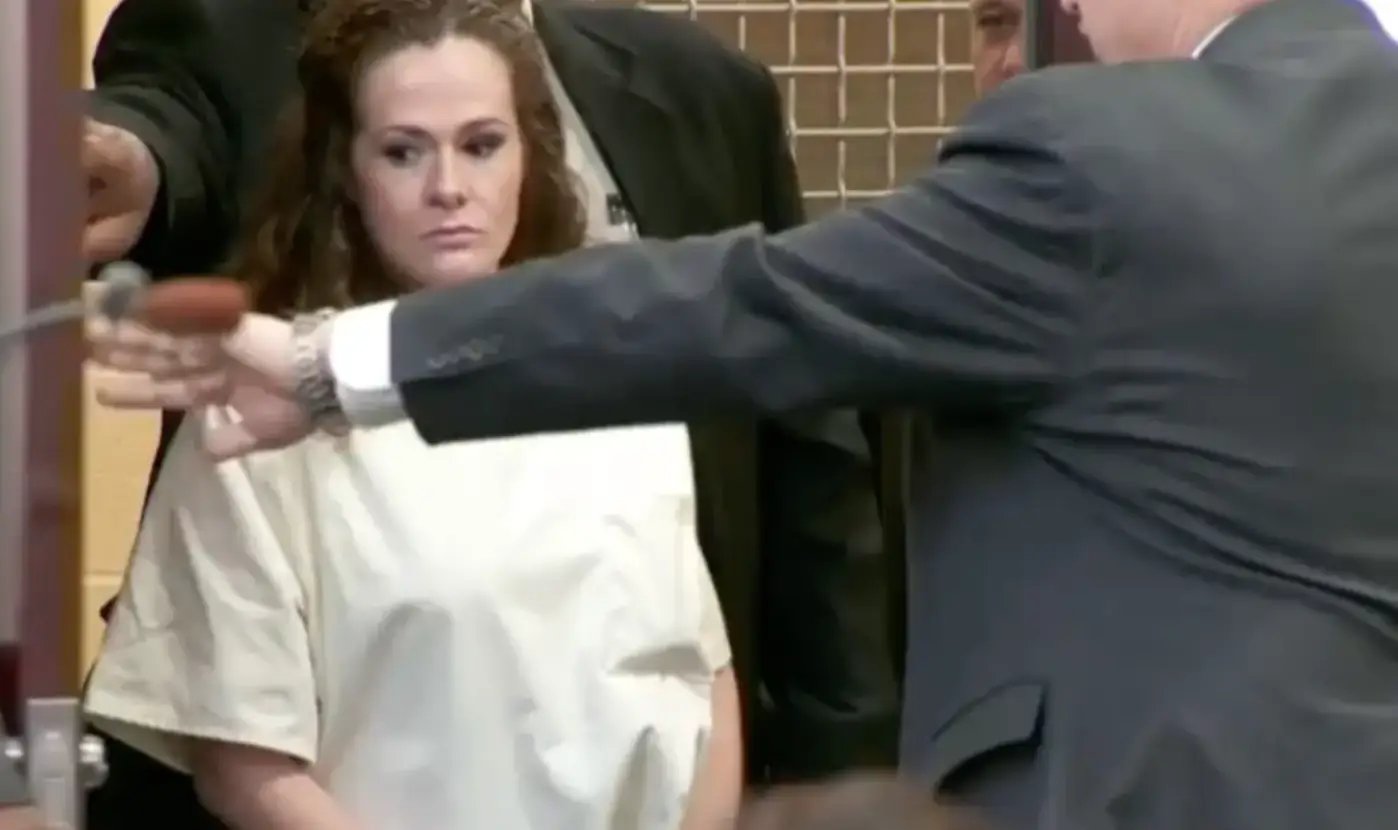
In the filing, Pike’s lawyers said that hospital staff are working to save her life and clear the huge dose of pentobarbital from her system.
As reported by the BBC, an anaesthesiologist advising Pike's defence team, Dr Joel Zivot, said: "It's very possible that as a consequence of the delay of the beginning of resuscitation she [Pike] will have a brain injury." However, this is yet to be confirmed.
The Press Association reports that assistant federal defender Stephen Ferrell added: “We don’t know right now, and we may never know what sort of torture she endured during that process, where her consciousness was, what physical pain there was, what mental torture she went through.”
Commissioner of the Tennessee Department of Correction Frank Strada announced on Saturday (3 October) that he was resigning, and governor Bill Lee has ordered an independent investigation into Tennessee’s capital punishment system.
While Pike’s legal team said in a statement: "What happened to her Wednesday reflects a systemic failure that goes far beyond any one person. We hope the Governor's call for a full, independent review will expose the profound problems within Tennessee's entire death penalty system."
Topics: News, US News, World News, Crime, True Crime
 Madison Burgess