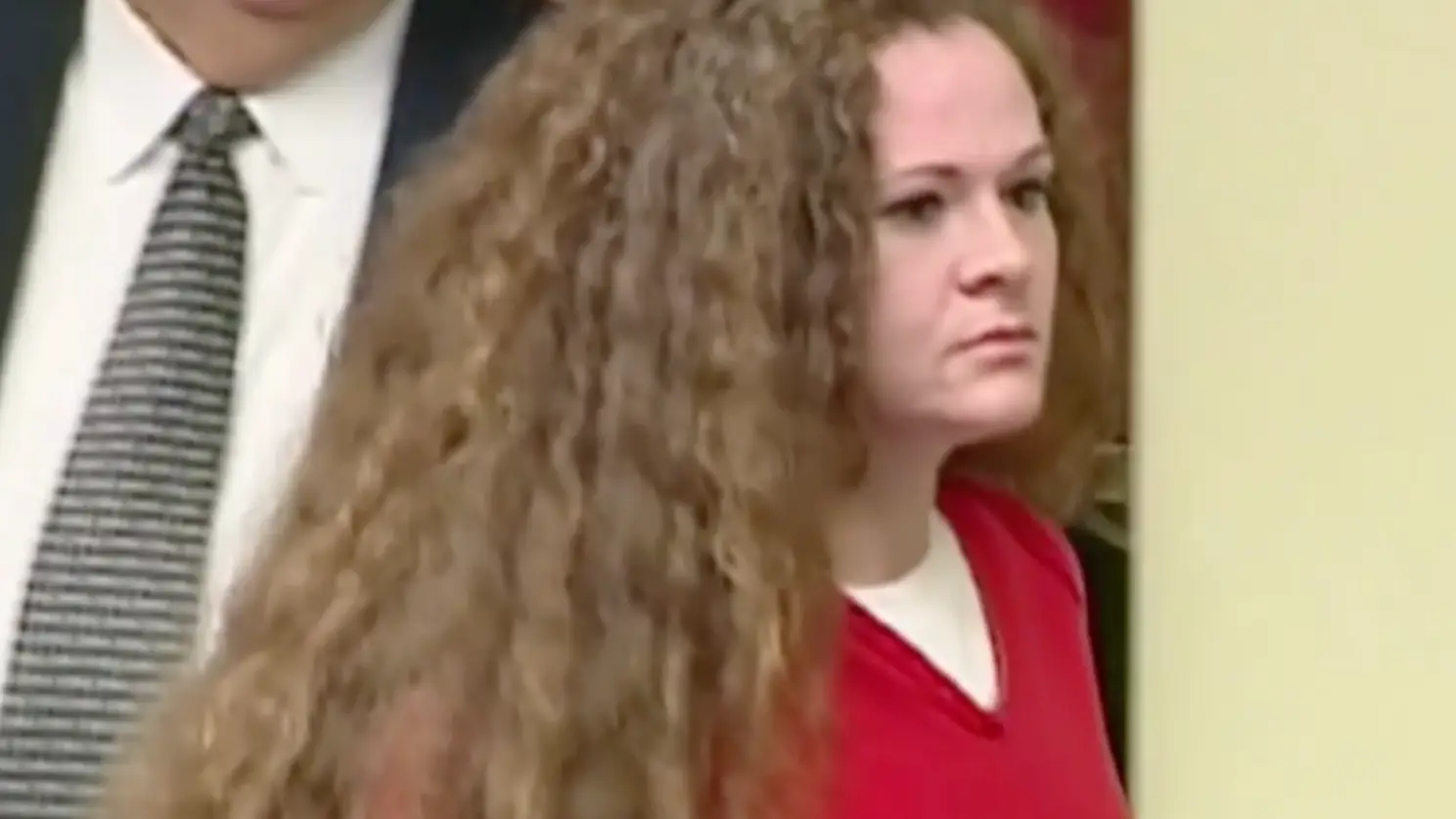
What happens next after Christa Pike’s botched execution

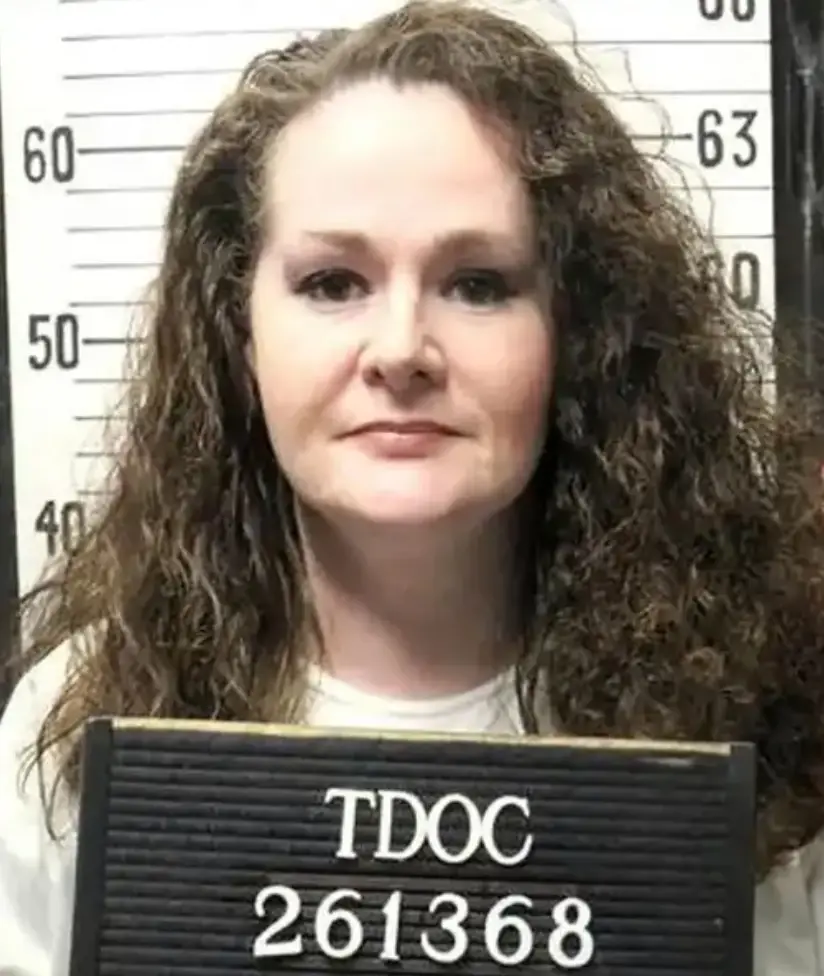
Yesterday (30 September), Christa Gail Pike was set to be put to death by the state of Tennessee but survived despite being administered two doses of a lethal drug.
A death penalty expert called the incident an unprecedented failure.
Pike was alive and loudly snoring after the attempted lethal injection and was taken by ambulance from the prison, her lawyers said.
"We have not been informed as to her condition," Pike’s lawyers said in a statement at the time.
Advert
Governor Bill Lee said in a statement that he has ordered 'a comprehensive, third-party review to determine exactly what occurred' and that scheduled executions will not be carried out this year.
READ MORE: Full timeline of Christa Pike case as she's hospitalised after surviving attempted execution
"Carrying out a lawfully imposed sentence is among the State’s most serious responsibilities, and the people of Tennessee expect it to be done in a manner that is not only legal and constitutional, but is effective," he said.
Tennessee only has one other execution scheduled this year.
Lawyers for Pike filed an emergency motion late on Wednesday to the US Supreme Court seeking to immediately halt and stay the execution, saying she was in 'unnecessary agony' and it was violating her right to be executed free of cruel and unusual punishment.
They also filed motions in the Sixth Circuit Court and district court.
Pike's execution warrant was set to expire at midnight local time on Wednesday, and it is not yet clear when a follow-up execution could go ahead and if lethal injection will again be the method.
Her lawyers filed an emergency motion to stay her execution and provide medical care after the botched lethal injection, per BBC.
Officials gave Pike two doses of pentobarbital, her lawyers said in court filings late on Wednesday.
Robin M Maher, executive director of the Death Penalty Information Centre, said what Pike experienced is 'singular and unparalleled'.
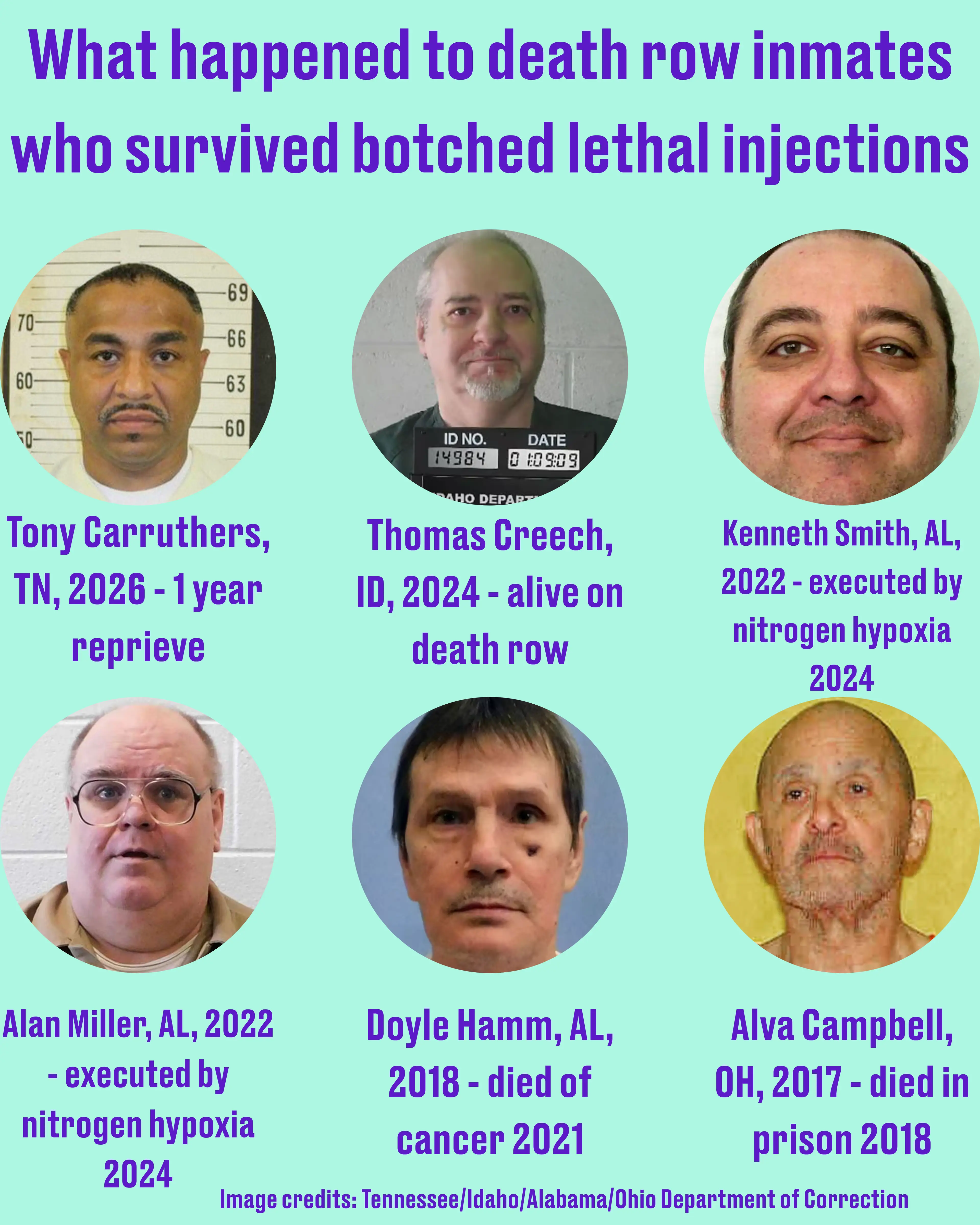
Seven other people have survived medical problems due to the execution team’s failure to access a vein to administer lethal injection drugs, but no one has stayed alive after receiving the drugs used in such executions, she said.
Pike’s lawyers said: "We take no pleasure in being right, but the concerns raised by Ms Pike proved to be true: difficult vein access, blown veins, degraded pentobarbital, no emergency medical care available when things inevitably go wrong, all under a protocol that remains veiled in secrecy."
 Rhiannon Ingle