Where Artemis II crew will land as they face most dangerous part of mission yet

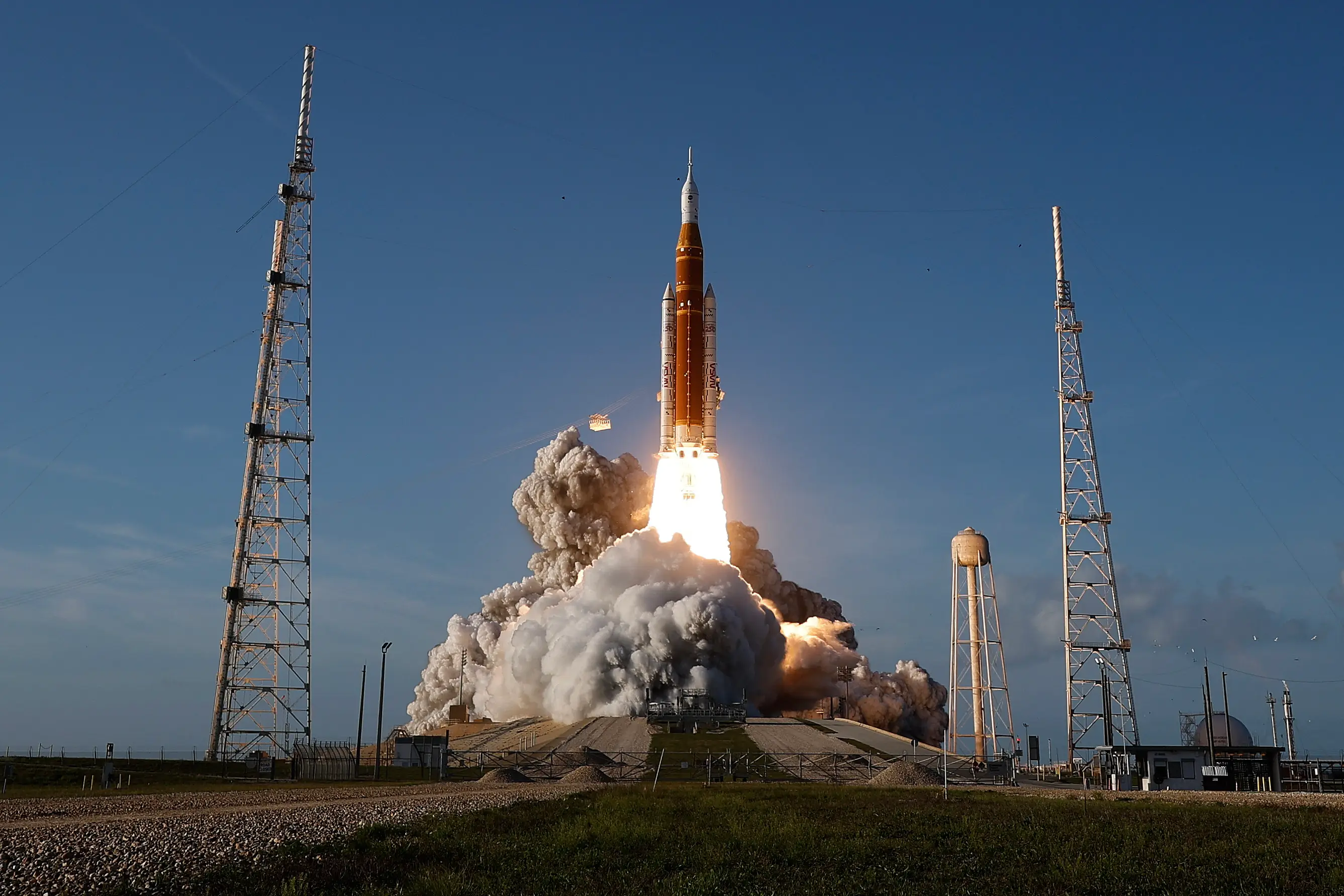
It's been over a week now since the Artemis II crew blasted off into space on their record-breaking journey.
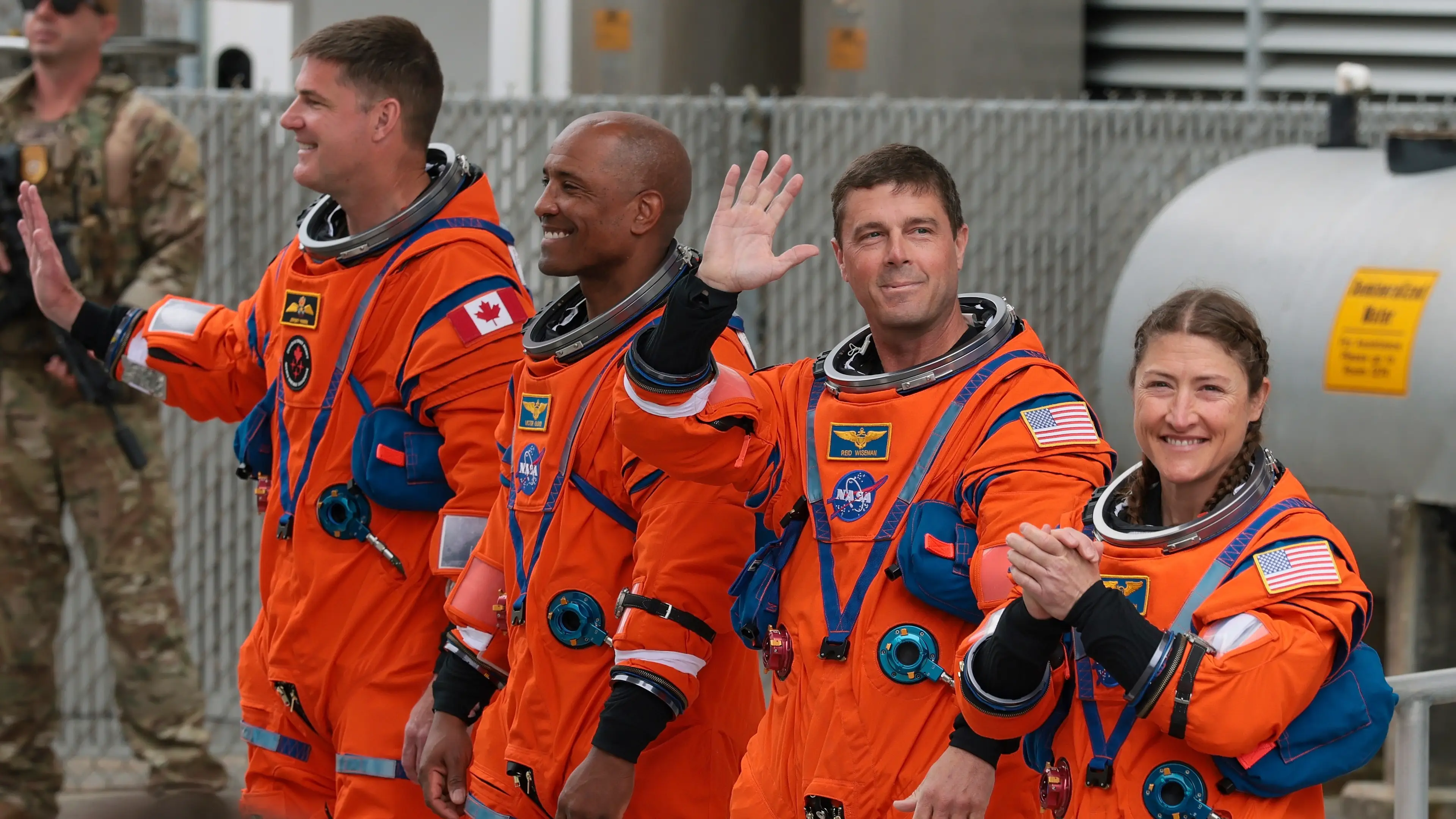
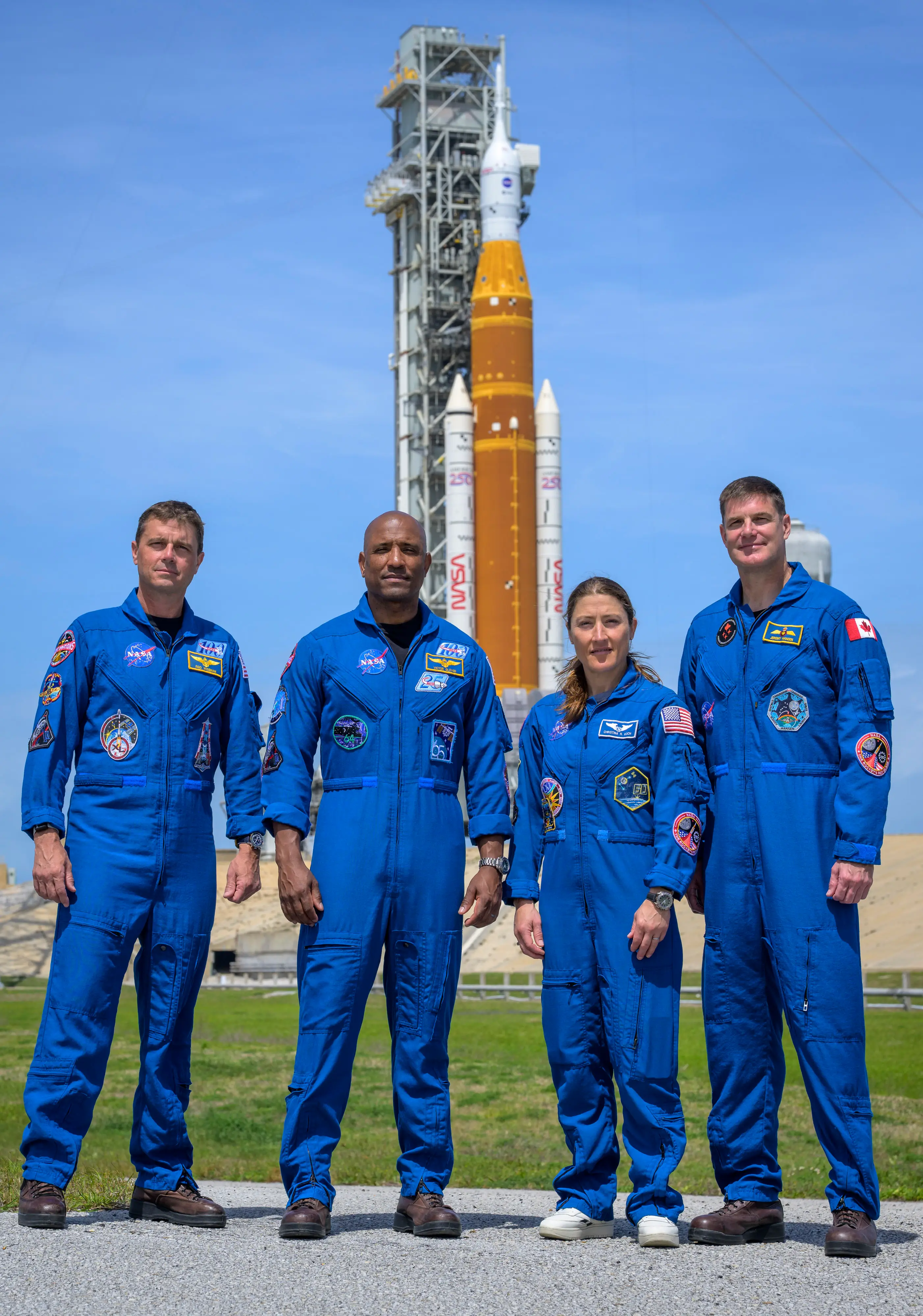
NASA astronauts Reid Wiseman, Victor Glover, and Christina Koch, along with CSA (Canadian Space Agency) astronaut Jeremy Hansen, left Earth on 1 April and have since made history with their travels behind the Moon.
On the first manned moon mission in more than five decades, it was revealed on Monday (6 April) that the group reached 252,756 miles (406,771 kilometres) from our home planet.
They embarked on a seven-hour lunar flyby, which included a 40-minute communication blackout as they passed around the far side of the Moon from Earth.
Advert
For context, Apollo 13’s previous record was 248,655 miles (400,171 kilometres) from Earth in April 1970.
However, although they're now on their way home, the most dangerous part of their mission is still yet to come - their landing.
The Orion spacecraft containing the astronauts will touch down on Earth on Friday (April 10), but not on land.
The crew will instead splash down in the Pacific Ocean, off the coast of San Diego, with their arrival time currently set for 8:07pm ET (1:07 AM BST).
They will parachute into the waters, with the United States Navy ready and waiting to help, and the USS John P. Murtha transport dock ship standing by to recover them and the capsule.
A navy helicopter will also help track the Orion space capsule as it re-enters the Earth's atmosphere.
As reported by the BBC, the Orion capsule will hit our planet's atmosphere at roughly 25,000 mph (40,000km/h), which is a test that no simulator can replicate.
It comes after the Artemis I Orion spacecraft's heat shield experienced unexpected char loss and cracking upon re-entry in December 2022.
That test flight, which wasn't manned by humans, triggered an investigation that delayed the Artemis II by more than a year.
NASA administrator Jared Isaacman said on X: “Before they left, they said they hoped this mission would be forgotten, but it will be remembered as the moment people started to believe that America can once again do the near-impossible and change the world.
“This mission isn’t over until they’re under safe parachutes, splashing down into the Pacific.”
Onboard, Commander Wiseman said: "We saw sights that no human has ever seen, not even Apollo, and that was amazing for us."
He also talked about how 'excited' they we are to 'watch this nation and this planet become a two-planet species,' referencing NASA's future goals to land on the Moon once again, and eventually travel to Mars.
The agency is seeking to return a crew to the lunar surface by 2028, before China does in about 2030.
A look at Artemis II's incredible Moon pictures so far
Marking the first time digital cameras have hitched a ride this far into deep space, there are several pieces of camera equipment included in the kit on board for the Artemis II mission. This includes two professional digital SLR cameras - one with a wide‑angle lens and another with an ultra-powerful zoom - as well as a mirrorless camera with a standard lens.
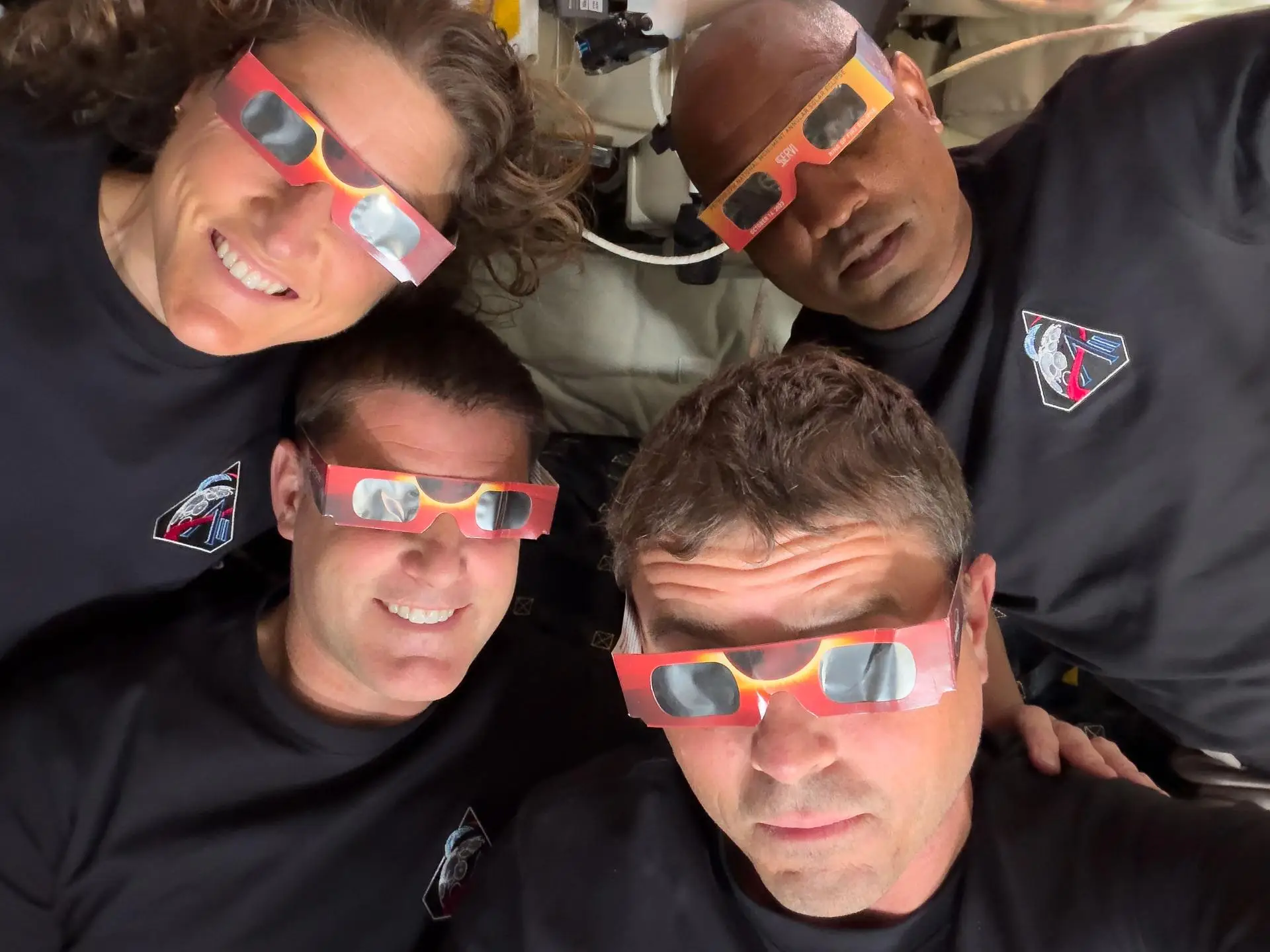
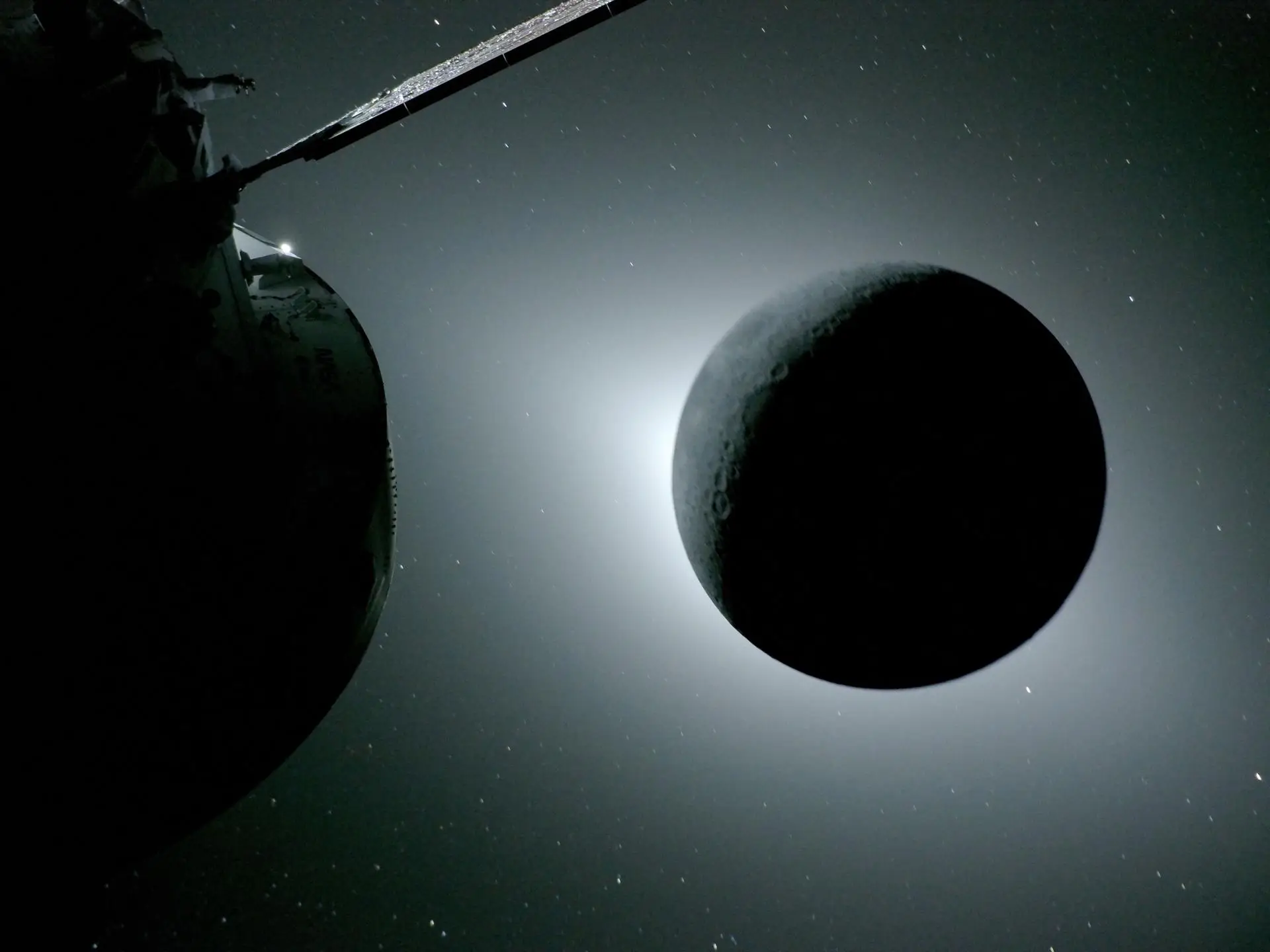
Unusually, the crew also brought iPhones with them up into space, with several photos from inside the Orion craft captured using an iPhone 17 Pro Max. The roster of handheld devices also includes a Nikon D5 and GoPros.
In total, Orion has 32 different cameras and devices, 15 of which are mounted onto the spacecraft itself, and the rest operated by the crew themselves.
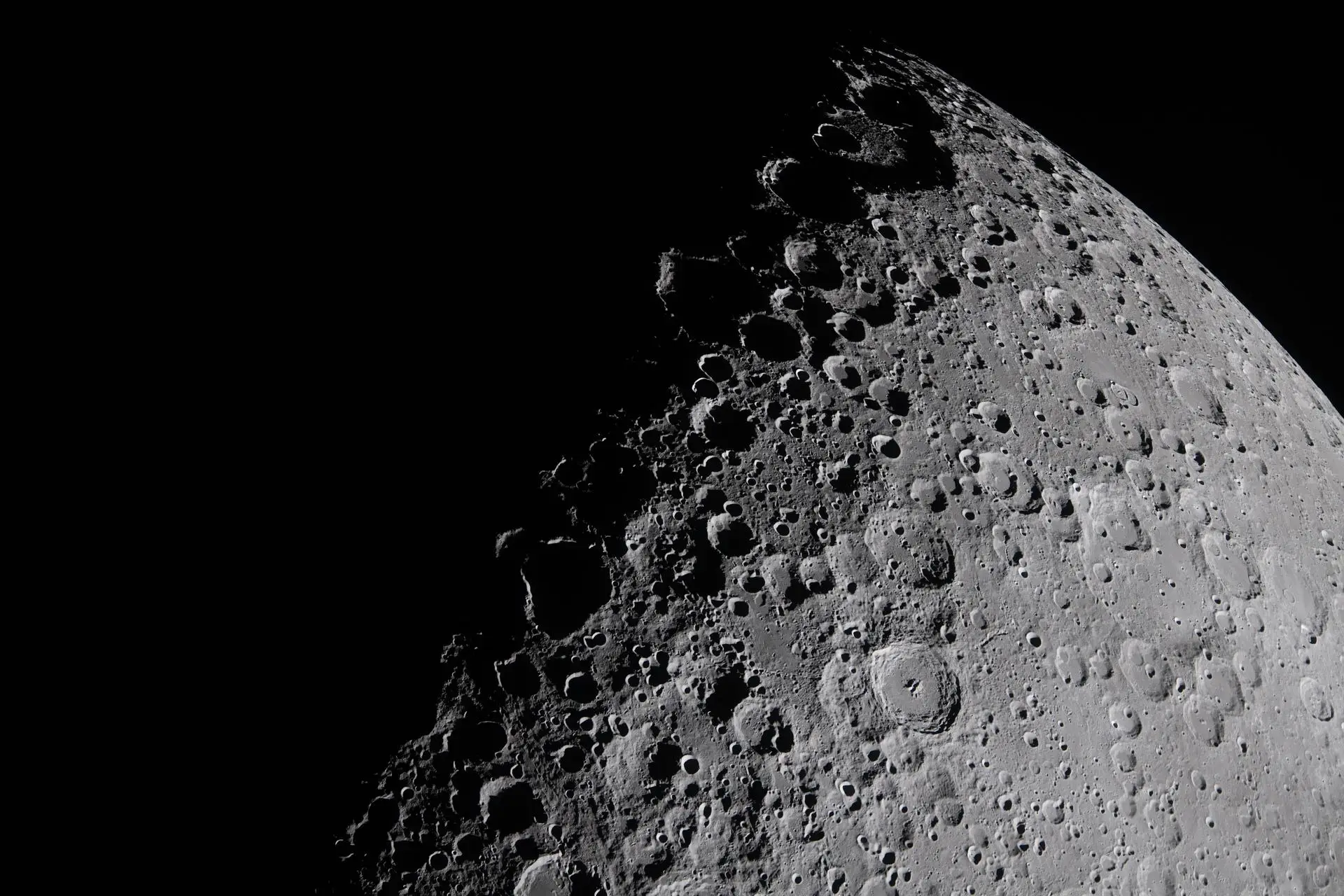
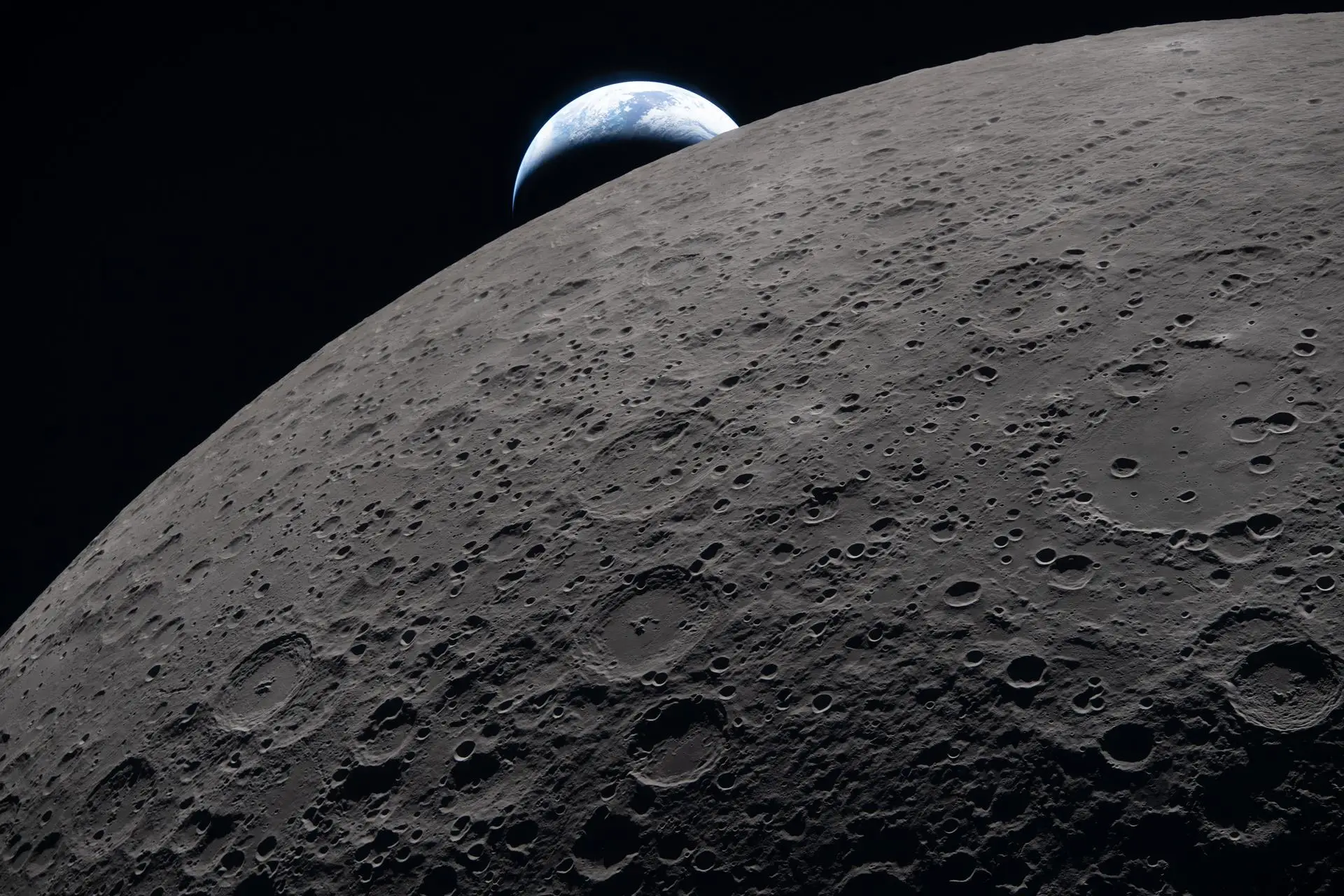
NASA says it plans on sharing a lot of this imagery down the line, but we've already been treated to a glimpse of what the crew have captured on their historic mission so far, including a breathtaking full view of our Moon.
Artemis II's approach to the Moon
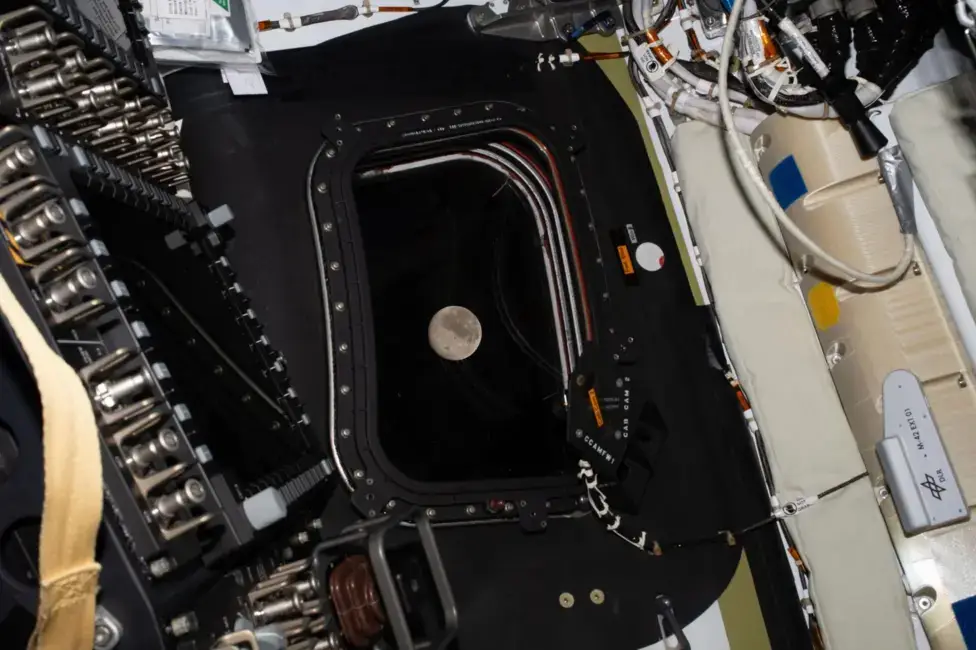
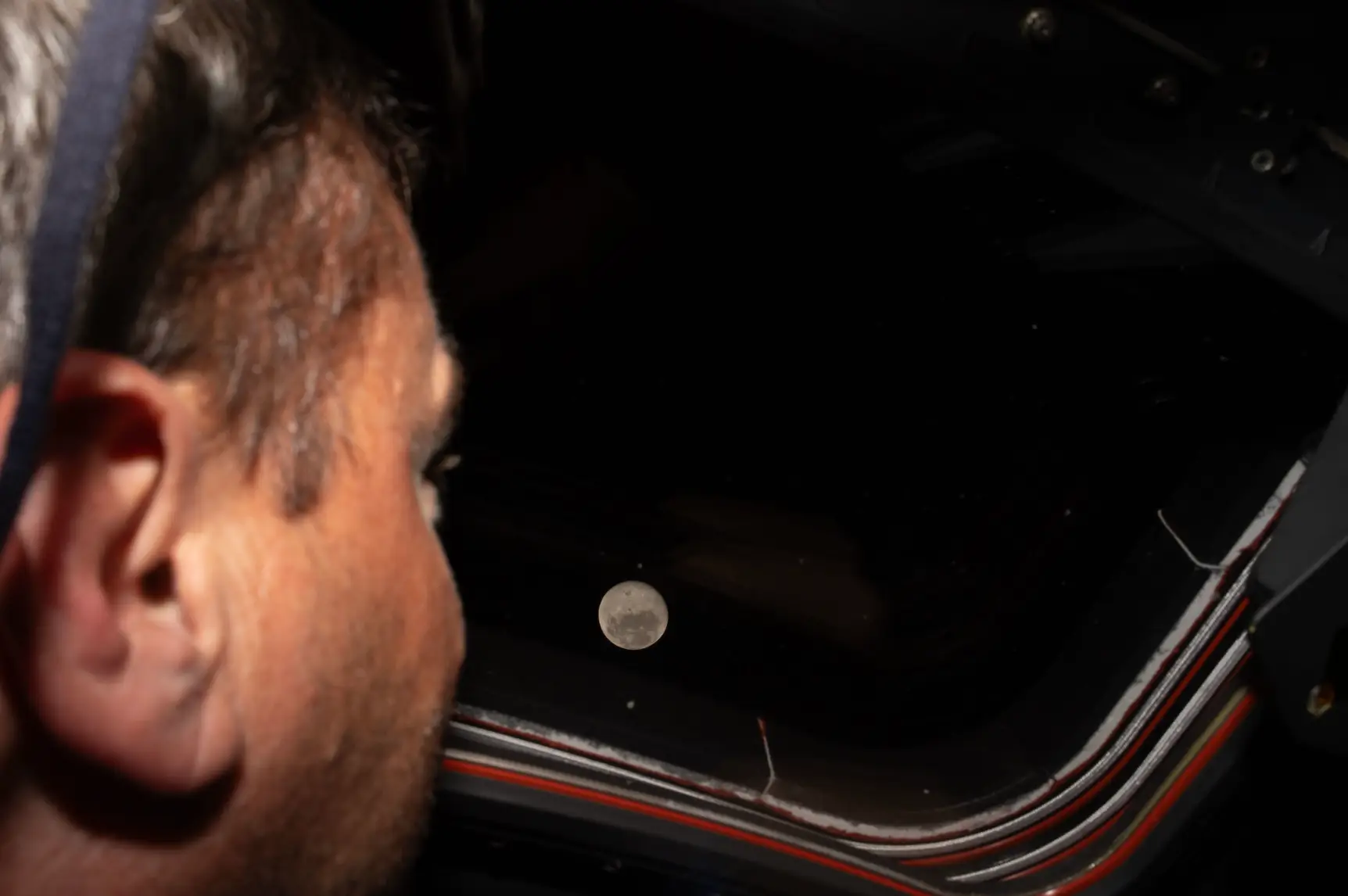
A full view of the Moon
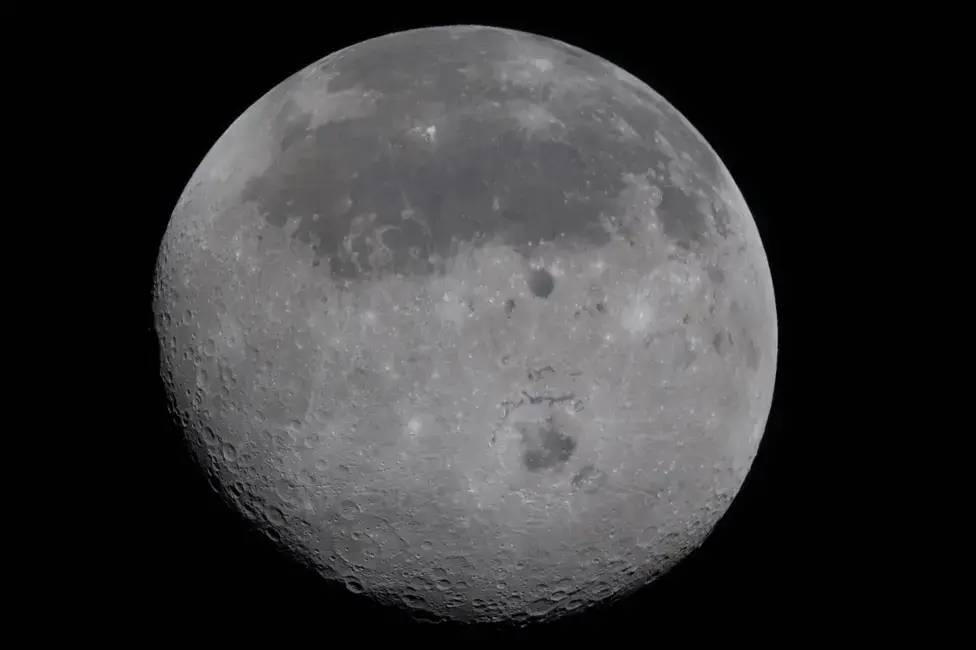
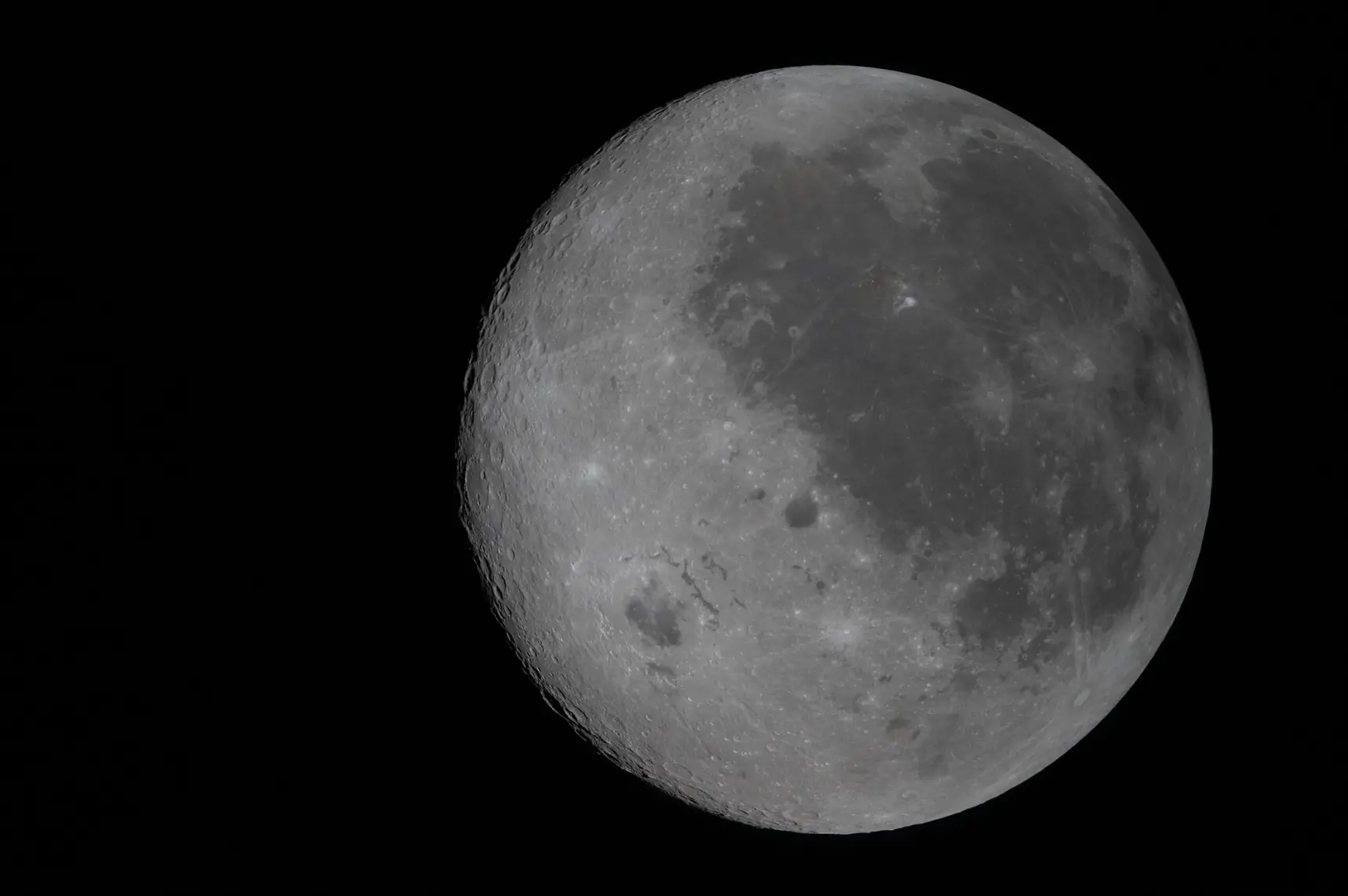
First photo taken from the far side of the Moon
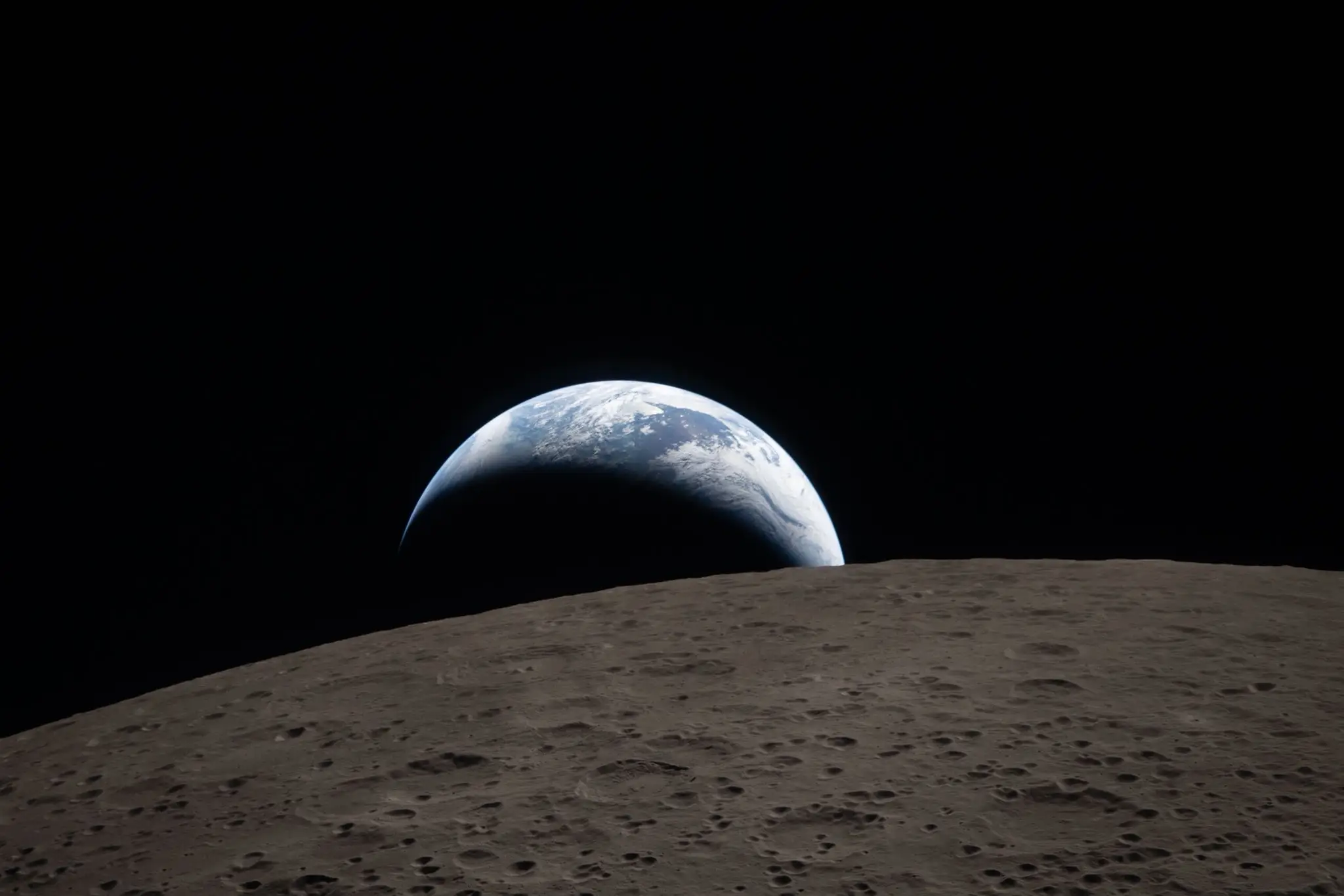
An in-depth look at the lunar surface
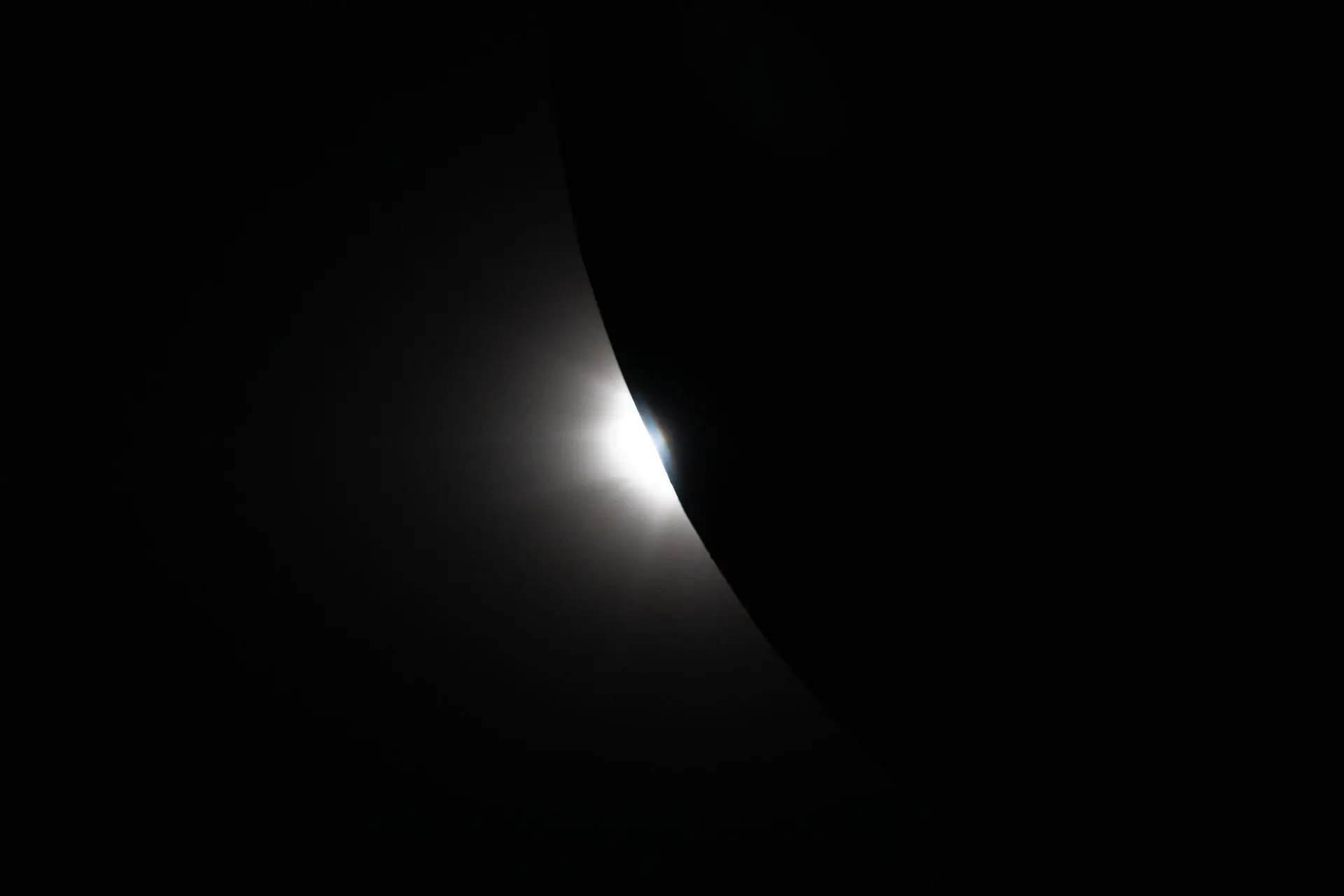
The Artemis crew view a solar eclipse
You can expect even more stunning photos to emerge over the coming days.
 Madison Burgess