
• News
  • Life
  • TV & Film
  • Beauty
  • Style
  • Home
  • News
    • Celebrity
    • Entertainment
    • Politics
    • Royal Family
  • Life
    • Animals
    • Food & Drink
    • Women's Health
    • Mental Health
    • Sex & Relationships
    • Travel
    • Real Life
  • TV & Film
    • True Crime
    • Documentaries
    • Netflix
    • BBC
    • ITV
    • Tyla Recommends
  • Beauty
    • Hair
    • Make-up
    • Skincare
  • Style
    • Home
    • Fashion
    • Shopping
  • Advertise
  • Terms
  • Privacy & Cookies
  • LADbible Group
  • LADbible
  • UNILAD
  • SPORTbible
  • GAMINGbible
  • UNILAD Tech
  • FOODbible
  • License Our Content
  • About Us & Contact
  • Jobs
  • Latest
  • Topics A-Z
  • Authors
Facebook
Instagram
X
Threads
TikTok
Submit Your Content
World Health Organization issues weight loss drugs warning as first guidance is released

Home> News

Updated 09:09 2 Dec 2025 GMTPublished 08:56 2 Dec 2025 GMT

World Health Organization issues weight loss drugs warning as first guidance is released

The WHO shared a very shocking statistic of what the world could look like by 2030

Rhiannon Ingle

Rhiannon Ingle

google discoverFollow us on Google Discover

The World Health Organization (WHO) has issued an urgent warning over weight loss drugs, with the first guidance now released.

There are now more than one billion people across the globe who are classified as obese - that's an eighth of the entire world's population.

Popularity for the weight loss drugs has surged in recent years, with the WHO now calling for more widespread and fairer access to GLP-1 medication after finding that fewer than one in 10 people who could benefit from such jabs will be able to access them under current projections.

According to the intergovernmental organisation, the number of people with obesity will double, climbing to a staggering two billion by 2030, unless action is taken.

Advert

WHO has outlined several key barriers to universal access to the drugs, including high costs, limited production capacity, and supply-chain constraints.
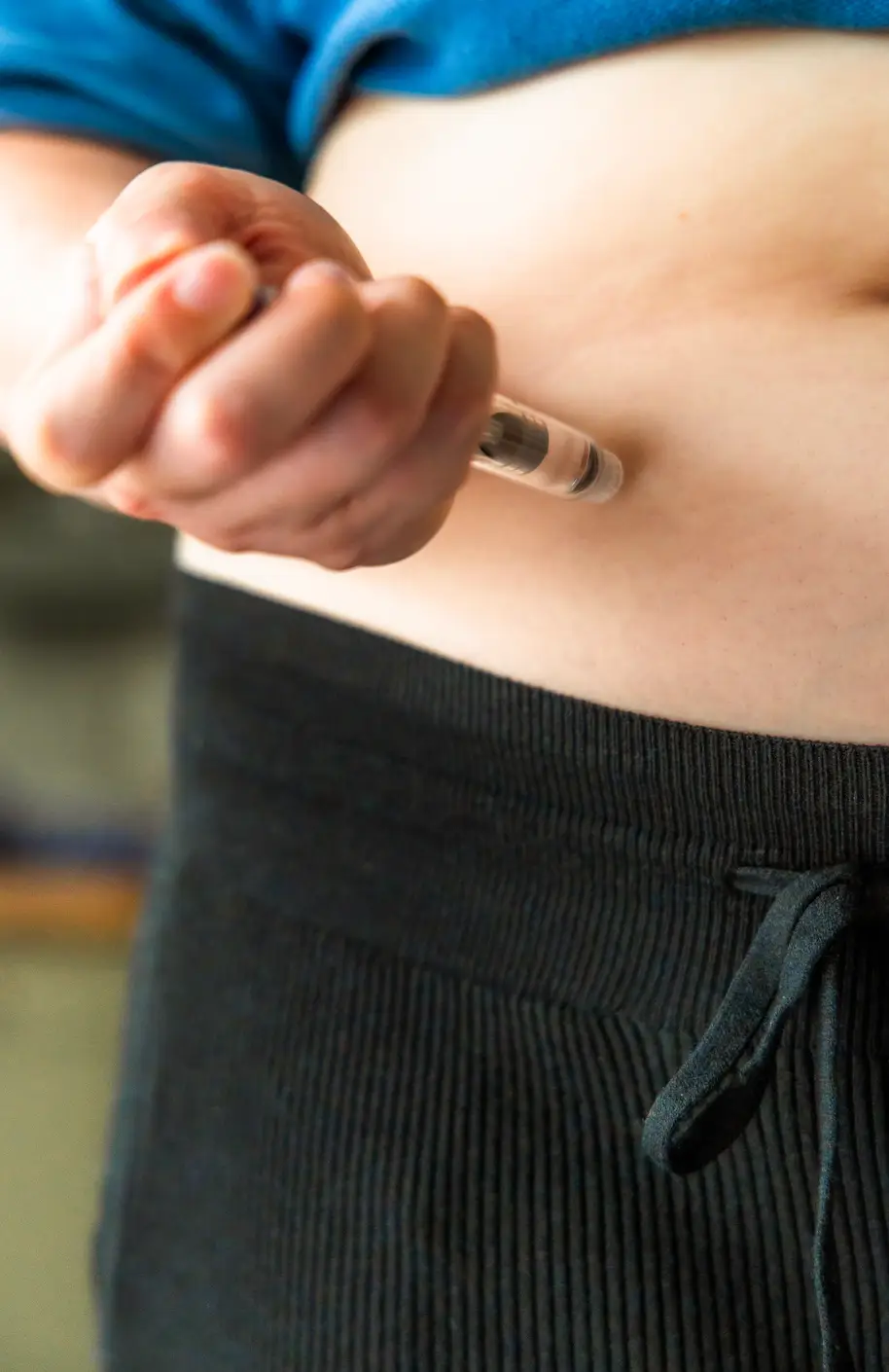
The WHO has issued a warning over the shortage of weight loss jabs (Getty Stock Images)

To combat this, the WHO has already added the medication to its 'essential' medicines list for overweight patients with diabetes, which countries are advised to provide.

The drugs can be taken long-term, for six months or more, but must be prescribed along with advice on diet and exercise.

WHO director-general Tedros Adhanom Ghebreyesus said: "Our new guidance recognises that obesity is a chronic disease that can be treated with comprehensive and lifelong care.

"While medication alone won't solve this global health crisis, GLP-1 therapies can help millions overcome obesity and reduce its associated harms."

The organisation also noted that these weight loss drugs, which come with a number of side effects, convey a gradual shift in how we as a society perceive obesity - from a 'lifestyle condition' to a treatable chronic disease.

The WHO predicts as many as two billion people worldwide will be obese by 2030 unless action is taken (coldsnowstorm / Getty Images)

"Our greatest concern is equitable access," said Tedros, with WHO stating that with the current best projected scenario, the production of GLP-1 therapies could only cover around 100 million people, which makes up less than 10 percent of those who need them.

The WHO's latest guideline urges both governments and industry to widen access through methods like voluntary licensing, where a drug maker lets others produce lower-cost, non-brand versions of a patented medicine.

The patent on semaglutide, the key ingredient in Novo Nordisk’s Wegovy, is set to lapse in several countries in 2026. Once it does, manufacturers in India, Canada, China, Brazil and Turkey will be able to offer cheaper alternatives.

The WHO also stresses the need for healthier environments that support wellbeing and help prevent obesity.

GLP-1 drugs work by mimicking the natural hormone glucagon-like peptide-1 to help lower blood sugar and aid in weight loss. They increase insulin release from the pancreas, reduce the amount of sugar your liver produces and slow the emptying of your stomach which, in turn, helps you feel fuller for longer.

Suppressing appetite leads to reduced calorie intake and, eventually, weight loss.

Featured Image Credit: Getty Stock Images

Topics: Health, US News

Rhiannon Ingle
Rhiannon Ingle

Rhiannon Ingle is a Senior Journalist at Tyla, specialising in TV, film, travel, and culture. A graduate of the University of Manchester with a degree in English Literature, she honed her editorial skills as the Lifestyle Editor of The Mancunian, the UK’s largest student newspaper. With a keen eye for storytelling, Rhiannon brings fresh perspectives to her writing, blending critical insight with an engaging style. Her work captures the intersection of entertainment and real-world experiences.

Advert

Advert

Advert

Choose your content:

6 hours ago
9 hours ago
10 hours ago
  • Kena Betancur/Getty Images
    6 hours ago

    Melania Trump slammed for insensitive update during Iran conflict

    The documentary landed on Prime Video this week (9 March) after Jeff Bezos' Amazon MGM studios paid $40 million for the film

    News
  • Kenny Holston-Pool/Getty Images
    6 hours ago

    Iran mocks Trump with shocking AI propaganda video

    The video shows Donald Trump and Benjamin Netanyahu as Lego-style figures with a devil behind them

    News
  • Win McNamee/Getty Images
    9 hours ago

    US Secretary of Defense breaks record with highest monthly expense seen in 18 years

    A report has found that the US military spent $9 million just on crab legs and lobster in September of last year

    News
  • Federal Defenders for the Middle District of Alabama
    10 hours ago

    Man on death row for three decades granted clemency days before execution date

    Charles 'Sonny' Burton was sentenced to death for his role in a 1991 Alabama convenience store robbery that saw a customer killed

    News
  • Kate Winslet issues 'terrifying' warning over weight loss drugs with brutal comments
  • Surgeon issues warning over horrific new side-effect of weight loss drugs
  • Doctor issues warning over ‘unusual’ new side effect from weight loss drugs
  • Major update on weight loss drugs as new unexpected health benefits revealed