
Expert reveals the warning signs women should look out for during their period

We're now in Endometriosis Awareness Month and one expert has revealed the warning signs women should look out for during their period.
Now, endometriosis is a medical condition affecting 200 million people but it is extremely misunderstood.
So, what is the condition - which affects around 1 in 10 women of reproductive age in the UK - and why should there be such a spotlight on it?
Advert
The chronic condition occurs when tissue from the womb grows around the ovaries and fallopian tubes and for some people, it reduces their fertility.
It can affect women of any age once they've started menstruating, including teenagers, and cause some pretty serious pain.
Despite the severity of it, funding unfortunately remains limited, and a significant number of patients are left undiagnosed for an average of 10 years.
So, to held shed some light on the issue, experts over at Healthcare Transformers have shared the seven signs you should look out for that may mean you have endometriosis.
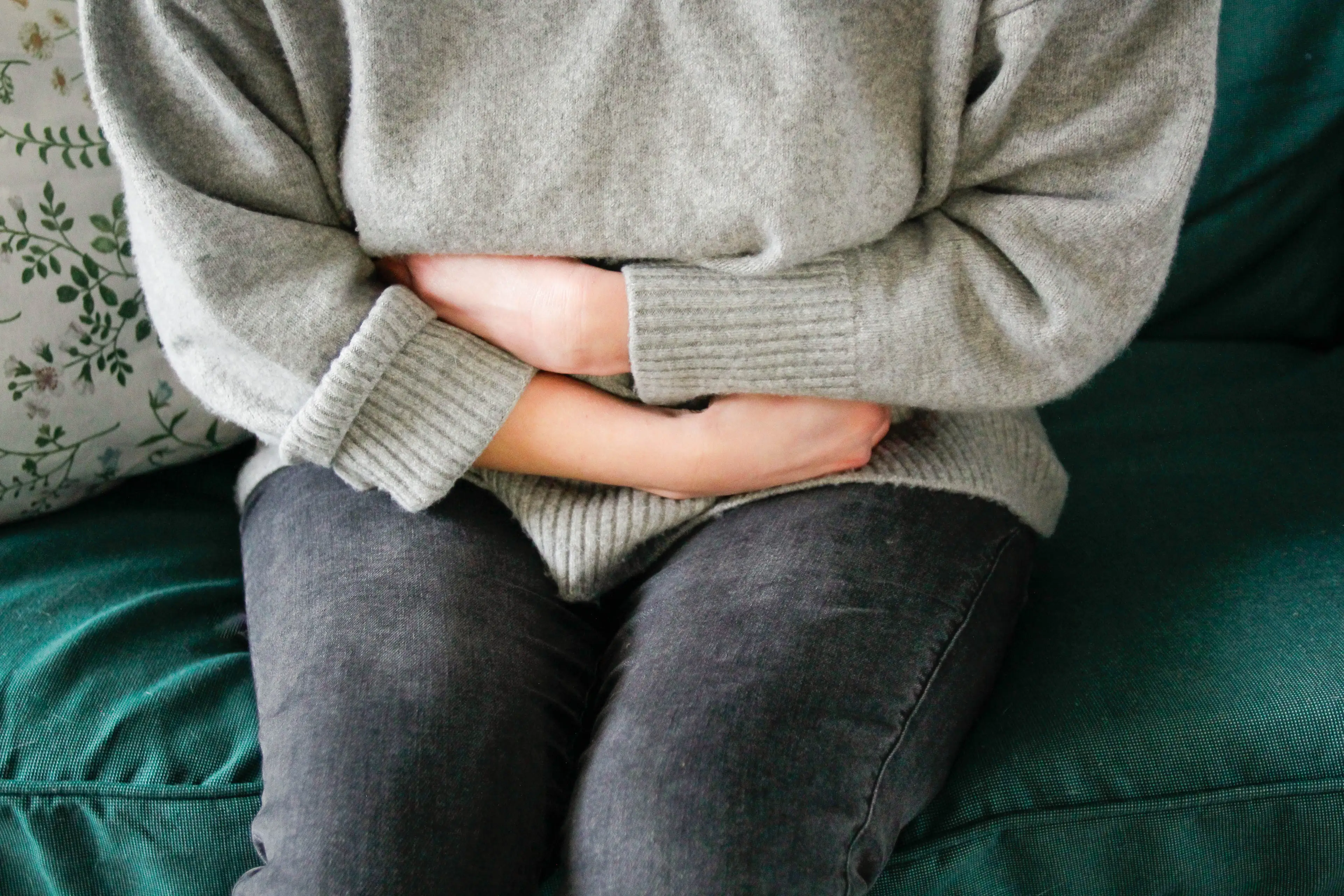
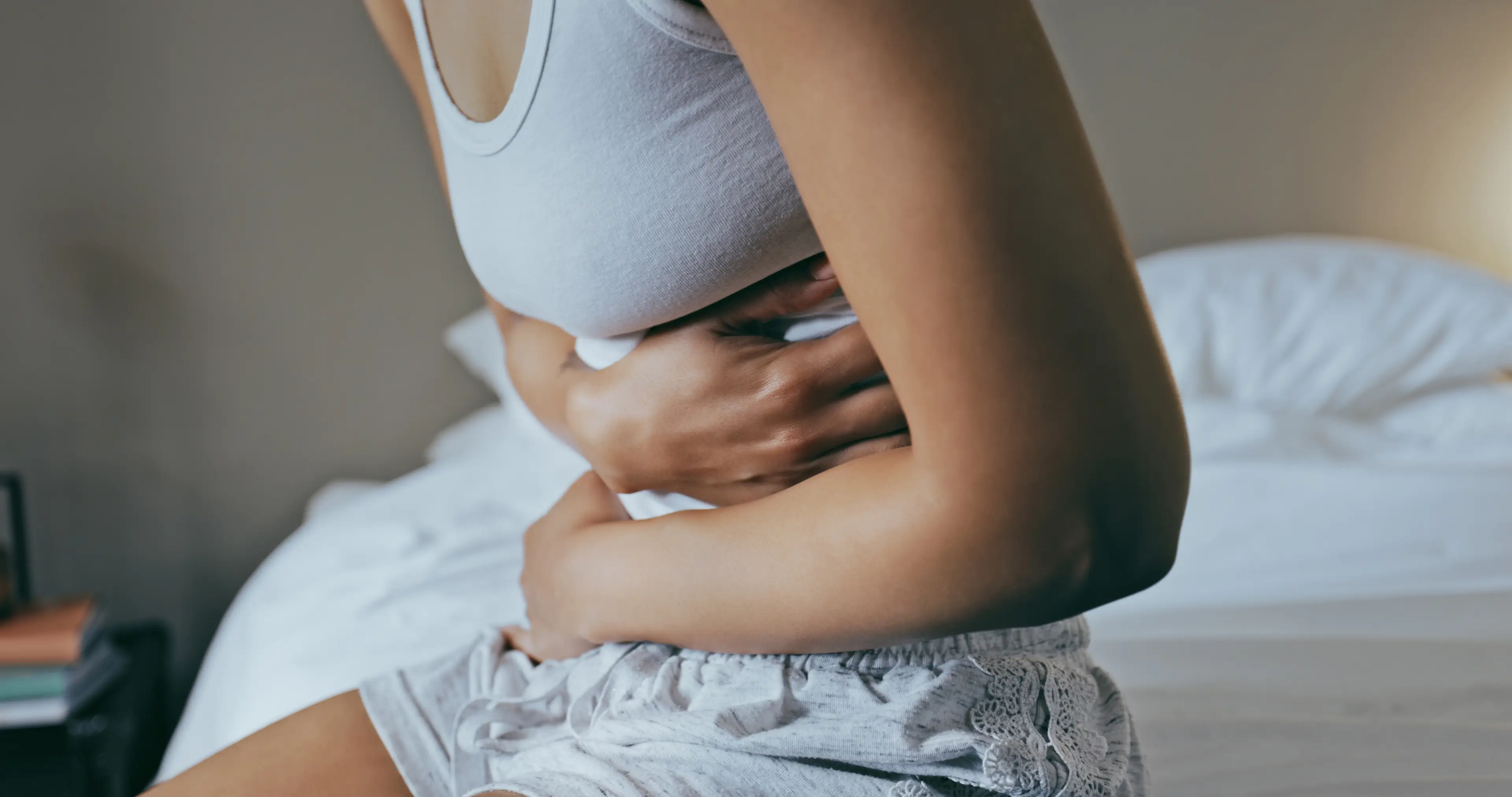
The signs include; very painful menstrual cramps, heavy bleeding or spotting between your period and abdominal or back pain during and in between your period.
Other symptoms include; pain during sex, feeling sick, constipated or experiencing, diarrhoea, difficulty becoming pregnant and painful bowel movements.

The experts urged anyone who suffered with these symptoms to speak to your doctor for advice.
Andrew Horne, Professor of Gynaecology and Reproductive Sciences at the University of Edinburgh, spoke with Healthcare Transformers, and explained: "There’s been a lack of awareness when it comes to endometriosis.
"Because it’s women’s health, it’s invisible and it has been neglected for some time."
He continued: "But we are starting to see that endometriosis has many similarities with other conditions and it’s something that researchers are starting to tap into more as they try to better understand and treat the conditions they have been focusing on.
"Irritable Bowel Syndrome is one example of this. Like endometriosis, this is a chronic pain condition. There is a lot of crossover of symptoms."
The NHS advises: "See a GP if you have symptoms of endometriosis, especially if they're having a big impact on your life."
There is currently no cure for endometriosis, but there are treatments that can help ease the symptoms.
Such treatments include; painkillers such as ibuprofen and paracetamol,
hormone medicines and contraceptives, including the combined pill, contraceptive patch, intrauterine system (IUS) and contraceptive implant, and medicines called gonadotrophin-releasing hormone (GnRH) analogues, surgery to cut away patches of endometriosis tissue, surgery to remove part or all of the organs affected by endometriosis, such as surgery to remove part of your colon, or your appendix or womb (hysterectomy).
If you have been affected by the contents of this article, please find more information and support via Endometriosis UK on their website, or call 0808 808 2227.
Topics: Endometriosis, Health, UK News, News, Life, Real Life
 Rhiannon Ingle