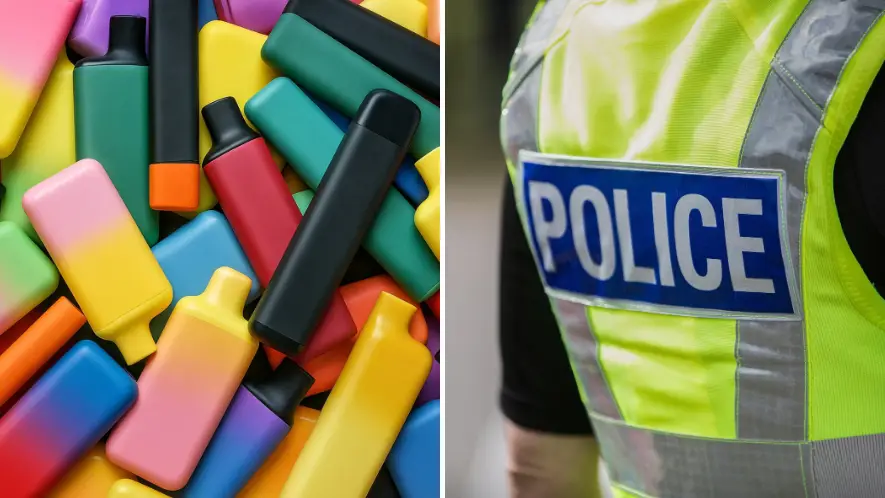
Police warn over terrifying spiking method involving over-the-counter medicines and drug-laced vapes

Warning: This article contains discussion of rape which some readers may find distressing.
The Metropolitan Police have warned that predators are increasingly using high doses of everyday medications to spike their victims.
Detective Superintendent Dan Thompson, the force’s spiking lead, said that ‘the nature of the crime is changing’ and ‘a wider range of substances than ever before’ are being used.
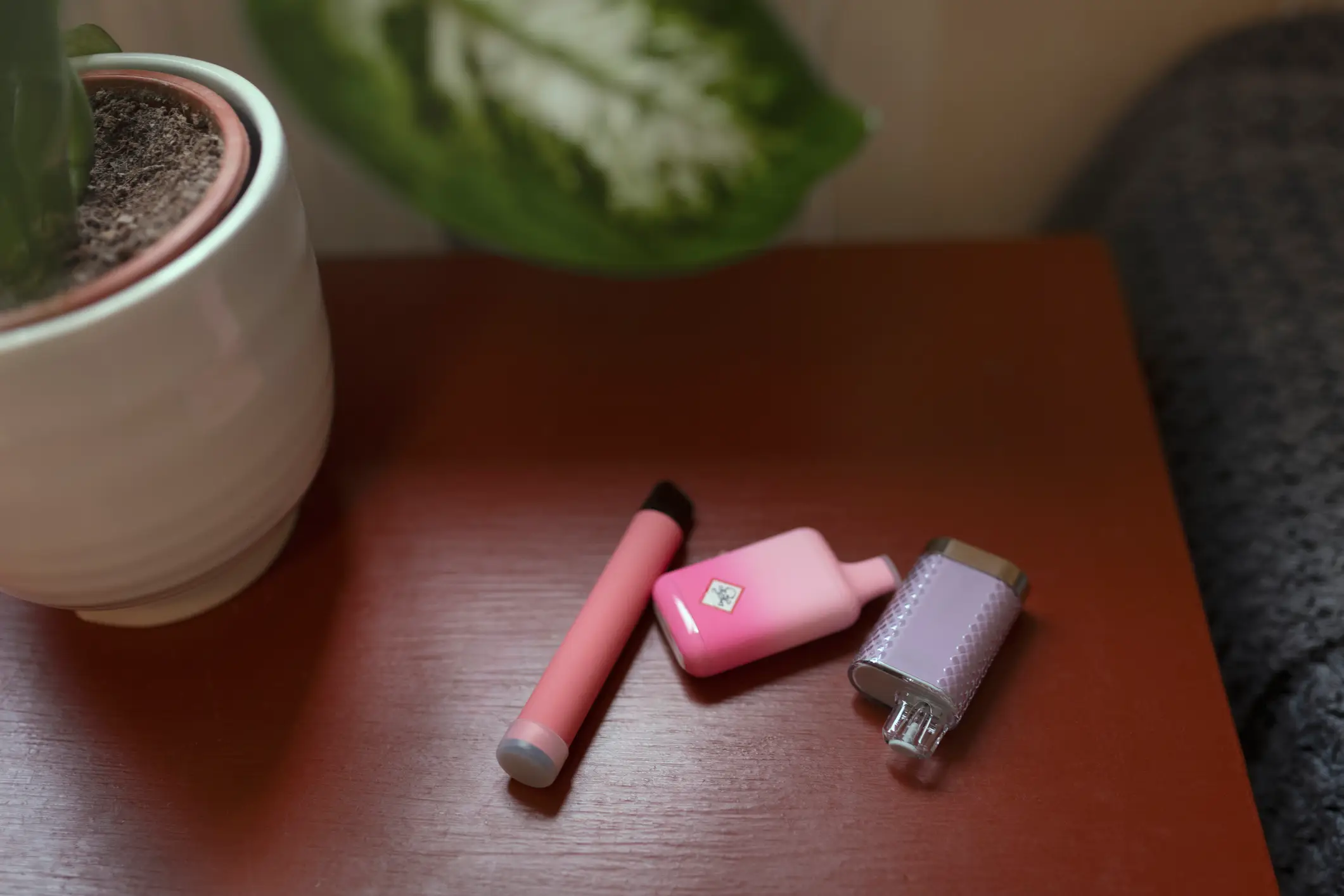
Detectives have seen worrying cases with vapes that contain THC - the main psychoactive chemical in cannabis - and the drug spice.
Advert
Police have also noticed the use of high doses of everyday medication such as antihistamines and travel sickness pills that cause drowsiness.
This is different to the typical ‘date-rape’ drugs such as rohypnol and gamma-hydroxybutyrate (GHB), with predators instead moving towards substances that are easily obtained over the counter.
And apparently, it’s not just the method that’s shifting, as the force outlined a rising number of cases at private parties in flats or houses, rather than bars and clubs.
In the past year, more than 2,700 spiking-related offences were reported to the Met, of which only 131 led to a charge, caution or summons, although this was surprisingly an increase of 20 percent on the previous year.

The Press Association reports that more than half the victims were aged 18 to 35.
Spiking cases can be difficult to investigate since the drugs are quickly metabolised, so police are urging victims to report the crime quickly.
The force also explained that self-testing kits sold online wouldn’t detect many over-the-counter medicines or prescription drugs, making reporting the crime quickly even more crucial.
Thompson said: “The nature of spiking is changing. We’re seeing offenders use a wider range of substances than ever before, including everyday medications and substances added to vapes, while increasingly targeting victims in private settings such as homes, parties and student accommodation.
He urged: “Many of the substances now being used leave a narrow forensic window, which is why reporting as quickly as possible is so important.
“Reporting within the first 12 hours allows us to secure CCTV, obtain forensic evidence, identify witnesses and make arrests.
"Nobody should hesitate to come forward. Even if some time has passed, we still want to hear from you.”
It comes after two prolific sex offenders were jailed last year as part of separate Met investigations, after they were convicted of targeting multiple women at their flats.
Rapist Chao Xu, 34, would give guests a drink he called ‘the spring of life,’ that he had laced with substances including GHB and scopolamine, a travel sickness medication.
In November 2025, he was jailed for life for 24 sexual offences over the course of three years, including rape, assault by penetration, sexual assault, upskirting and voyeurism.
The second case was Chinese PhD student Zhenhao Zou, 29, who also received a life sentence for drugging and raping 10 women in London and China.

He kept a trophy box of women’s belongings and filmed nine of the attacks, with jurors in the case having to watch the disturbing footage.
Awareness events are taking place throughout Freshers’ Week at various universities across London.
If you’ve been affected by spiking, call 999 immediately if you are in danger. If you wish to report spiking to the police, it is advised that you call 999 or 101 as soon as possible. You can also report it online if your local police force offers this service.
For support after experiencing spiking, you can contact Victim Support on 08 08 16 89 111, which operates 24/7 every day of the year including Christmas. You can also use their live chat service.
If you have been affected by any of the issues in this article and wish to speak to someone in confidence, contact the Rape Crisis England and Wales helpline on 0808 500 222, available 24/7. If you are currently in danger or need urgent medical attention, you should call 999.
 Madison Burgess