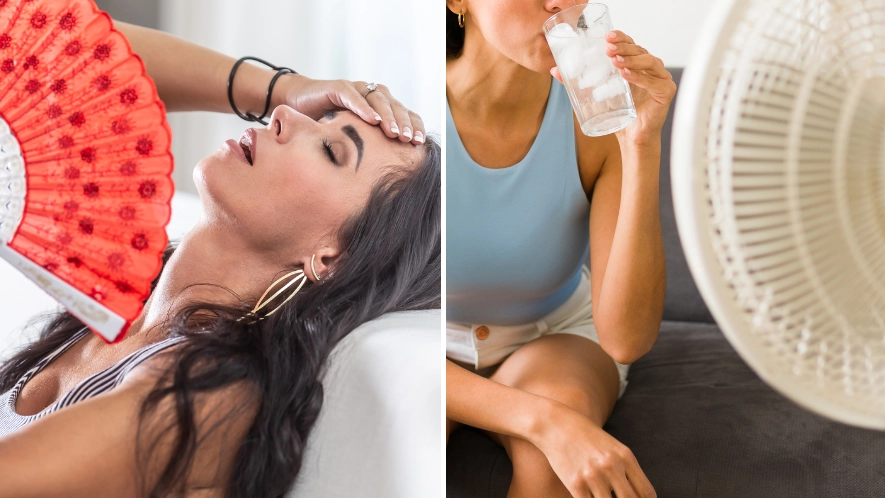
NHS warning signs for heatstroke as UK expected to experience hottest day of the year so far

Following the stark health warning that we were issued amid this year's first 'mini heatwave', Brits should be aware of the signs and symptoms of heatstroke so they can keep an eye on each other.
From today (24 June) until Thursday (27 June), parts of England are expected to hit staggering temperatures of around 31 degrees.
And while this may sound like the delightful news we'd been hoping for following weeks of dreary weather, Brits have simultaneously been issued a warning from the UK Health Security Agency and Met Office, with a 'Yellow Heat-health' alert coming into force today.
For those unfamiliar with the various categories and what is expected in terms of action, a 'Yellow Heat' alert is issued during periods of heat which would mainly impact people who are vulnerable.
Advert
As such, it's worth knowing how to tell the difference between feeling like you may have taken in slightly too much sun, and requiring urgent medical assistance.

What is the difference between 'heat exhaustion' and heatstroke?
First things first, according to the NHS, heat exhaustion doesn't usually require emergency medical help if you're able to cool down within 30 minutes of becoming overwhelmed by the temperatures.
The most commonly spotted symptoms of this largely uncomfortable state range from general tiredness, to feeling or being sick.
They also include:
- Dizziness
- Headache
- Excessive sweating and skin becoming pale and clammy
- A heat rash
- Cramps in the arms, legs and stomach
- Fast breathing or heartbeat
- A high temperature
- Being very thirsty
- Weakness
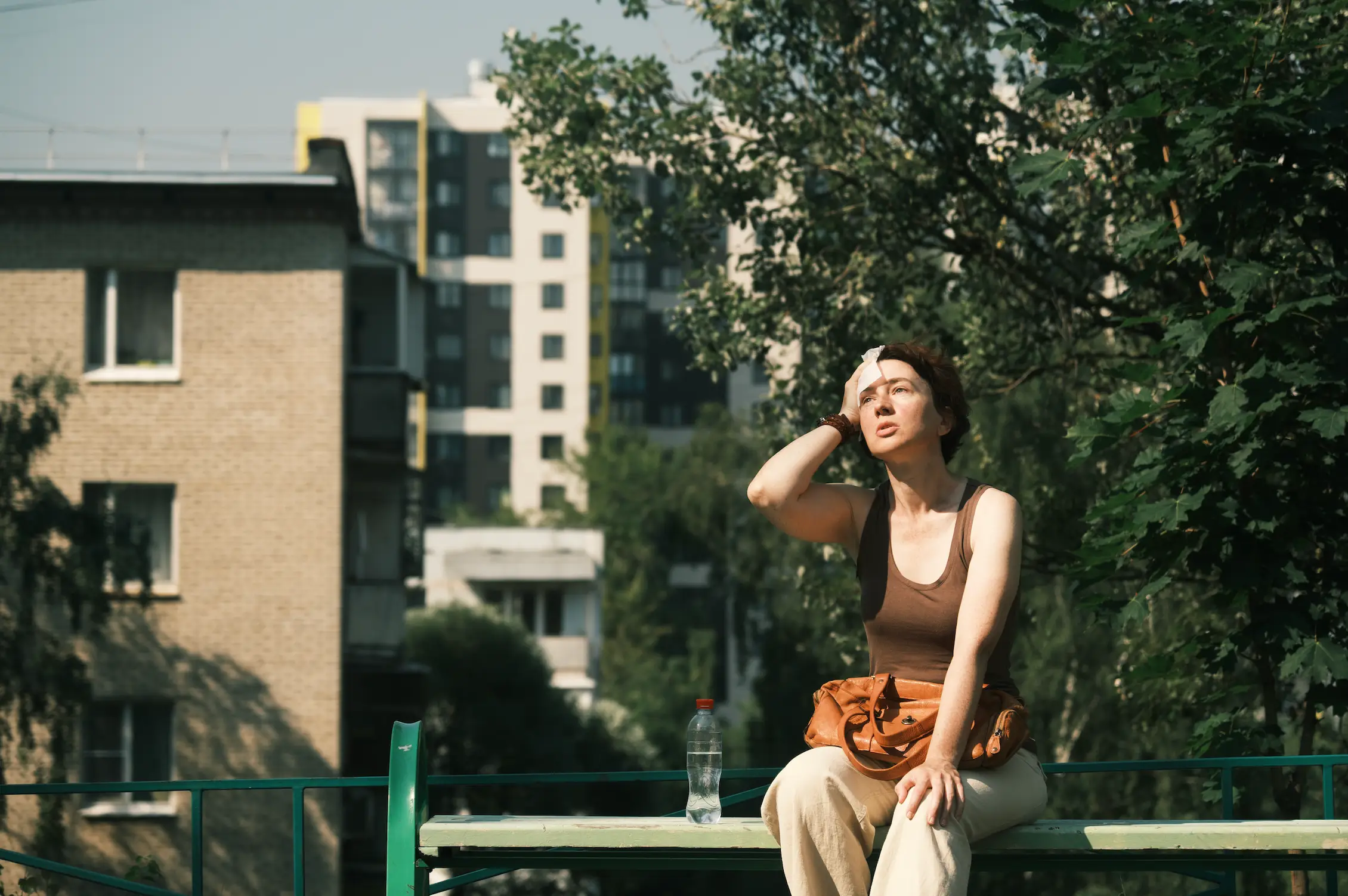
Though these are the most prevalent signs of heat exhaustion in adults, they are similar to those in kids - though younger children who perhaps aren't able to dictate their discomfort might show general signs of irritability too.
Your best bet if you suspect that you or someone you're with might be suffering with heat exhaustion is to cool them down quickly and make sure they're plied with fluids.
How to 'cool down' someone suffering heat exhaustion
The NHS advises that, if someone seems to be suffering in this frustrating state, you should undertake these four critical steps.
- Move them over to a cool place.
- Take off all unnecessary clothing (jackets, socks, belt, over-shirt, etc.).
- Get them to have a sports or rehydration drink, or cool water.
- Make sure to cool their skin - you can do this by spraying or sponging them with cool water, or by fanning them. Cold packs, wrapped in a cloth and put under the armpits or on the neck also work.
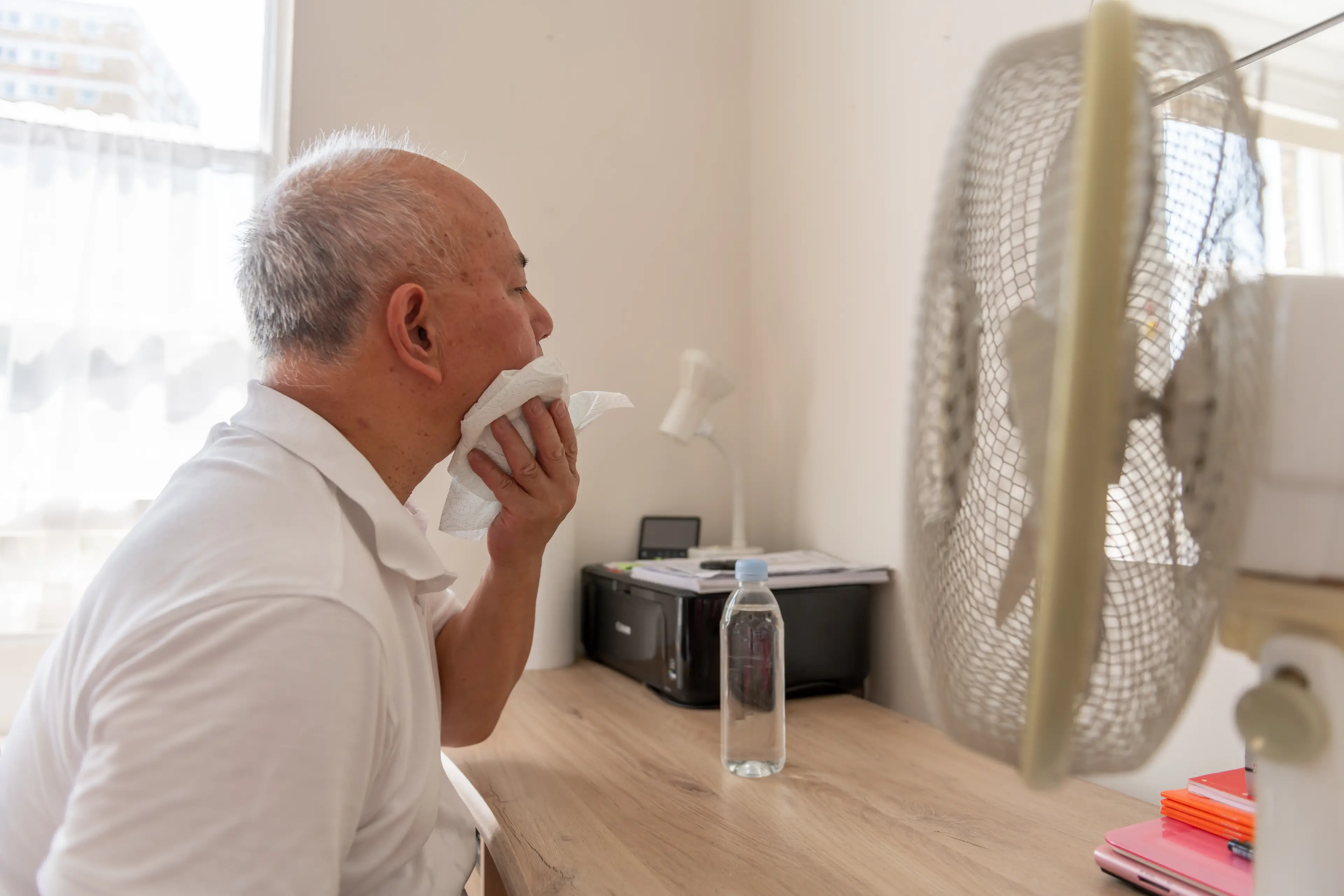
Most importantly, you must stay with that person until they're feeling better, being that it usually takes 30 minutes for someone suffering heat exhaustion to start cooling down.
In the worst cases of heat exhaustion, however, this can develop into heatstroke, which does need to be treated as an emergency.
Signs of heatstroke
As we say, if after 30 minutes, the person suffering with heat exhaustion doesn't seem to have cooled down, or be feeling any better, it may be that they've already developed heatstroke.
Other signs of this dangerous condition also include:
- A very high temperature
- Hot skin that's not sweating and might look red (this can be harder to see on brown and black skin)
- A fast heartbeat
- Fast breathing or shortness of breath
- Confusion and lack of coordination
- A seizure or fit
- Loss of consciousness

If the person is suffering with any or all of these symptoms, it's vital to call 999 immediately, placing them in the recovery position if they lose consciousness.
How can you prevent 'heat exhaustion' and heatstroke?
With the UK emergency services are already struggling at the moment - regardless of the added pressure of a heatwave - Brits are understandably being encouraged to take precautions in this weather.
As well as drinking more cold drinks - particularly if you're active or exercising - the NHS also recommends that we should:
- Wear light-coloured, loose clothing.
- Avoid the sun between 11am and 3pm.
- Avoid excess alcohol.
- Avoid extreme exercise.
- If you're inside on a very hot day, close curtains, close windows if it's hotter outside than in your home and turn off electrical equipment and lights that get hot.
 Rhianna Benson