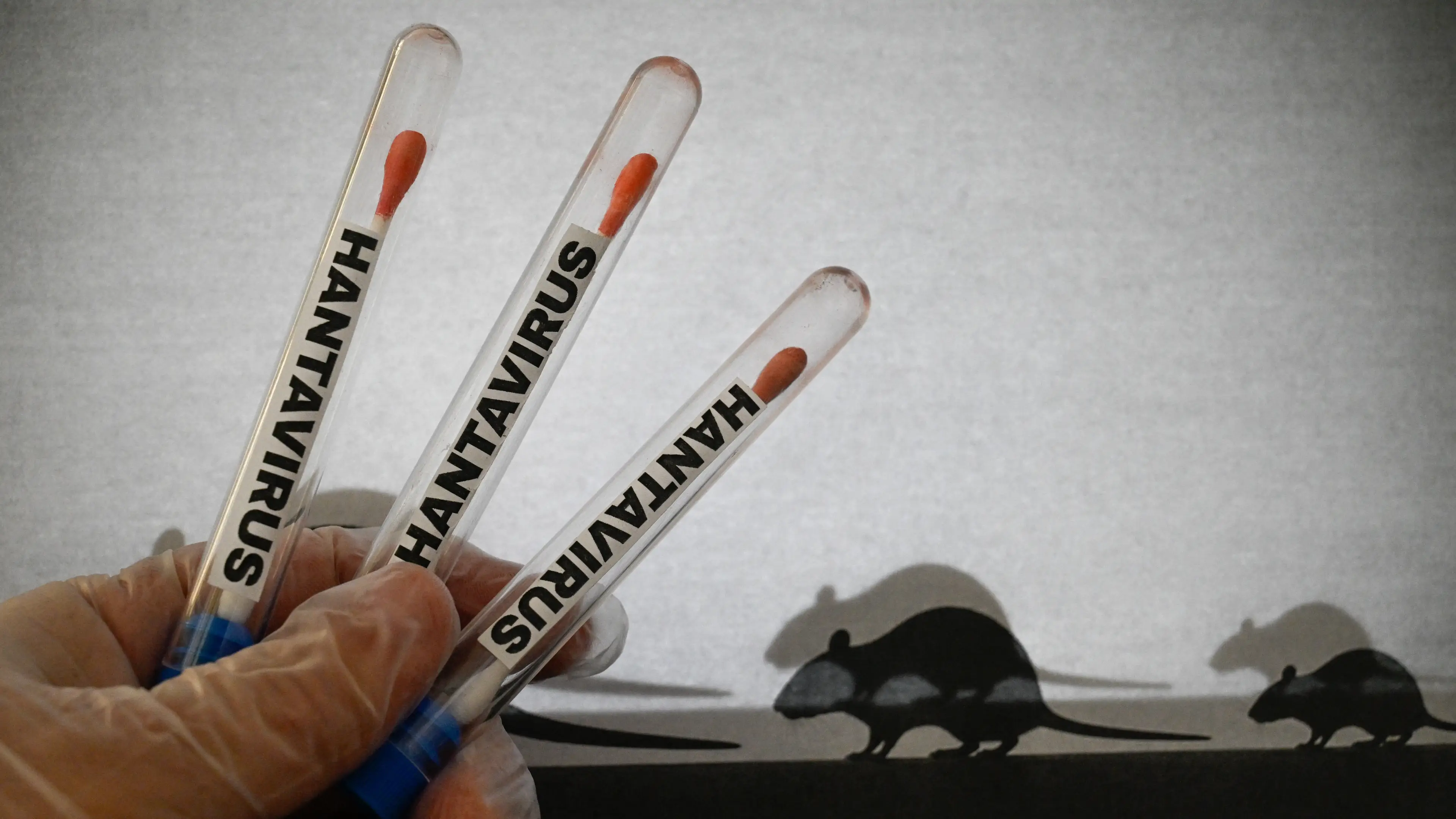
Scientists have made worrying link between hantavirus and sperm

Hantavirus fears are growing after scientists have found a concerning new link involving sperm.
It comes after the worry of contagion has spread after several passengers from the ship were seen walking around with masks around their ears instead of wearing them properly.
There's now another method of spreading it that is of concern to scientists, after researchers found that the virus survived in the testes of a 55-year-old man for almost six years.
Scientists are now stressing the importance of taking safe sex measures to cut the risk of the disease spreading.
Advert
The findings were published in a journal called Viruses, after a peer-reviewed study was carried out at the Spiez Laboratory, a Swiss government institute which looks at nuclear, biological and chemical threats,
Following their findings, male patients will be urged to avoid unprotected sex, the same way they are advised after testing positive for Ebola or Zika, which also survives in the genitals.

The patient in question, a Swiss man, previously contracted the Andes strain of the hantavirus in South America.
Scientists found there was no trace of it left in his blood, urine or respiratory tract.
They were surprised to find the virus still tested positive in his semen some 71 months later.
It's believed that the testicles act as a 'reservoir' for the disease, allowing it to 'hide' from the immune system.
This is because sperm cells are protected from the body’s immune system, and will not be attacked, as they are needed for procreation.
The study said: “Taken together, our results show that the Andes virus has the potential for sexual transmission."
It is recommended that male patients be given 'extensive safe-sex guidance beyond the [42-day] quarantine,' and should be 'analogous to the World Health Organization’s (WHO) Ebola survivor semen-monitoring protocols.'
According to WHO, male Ebola patients should be tested every three months.
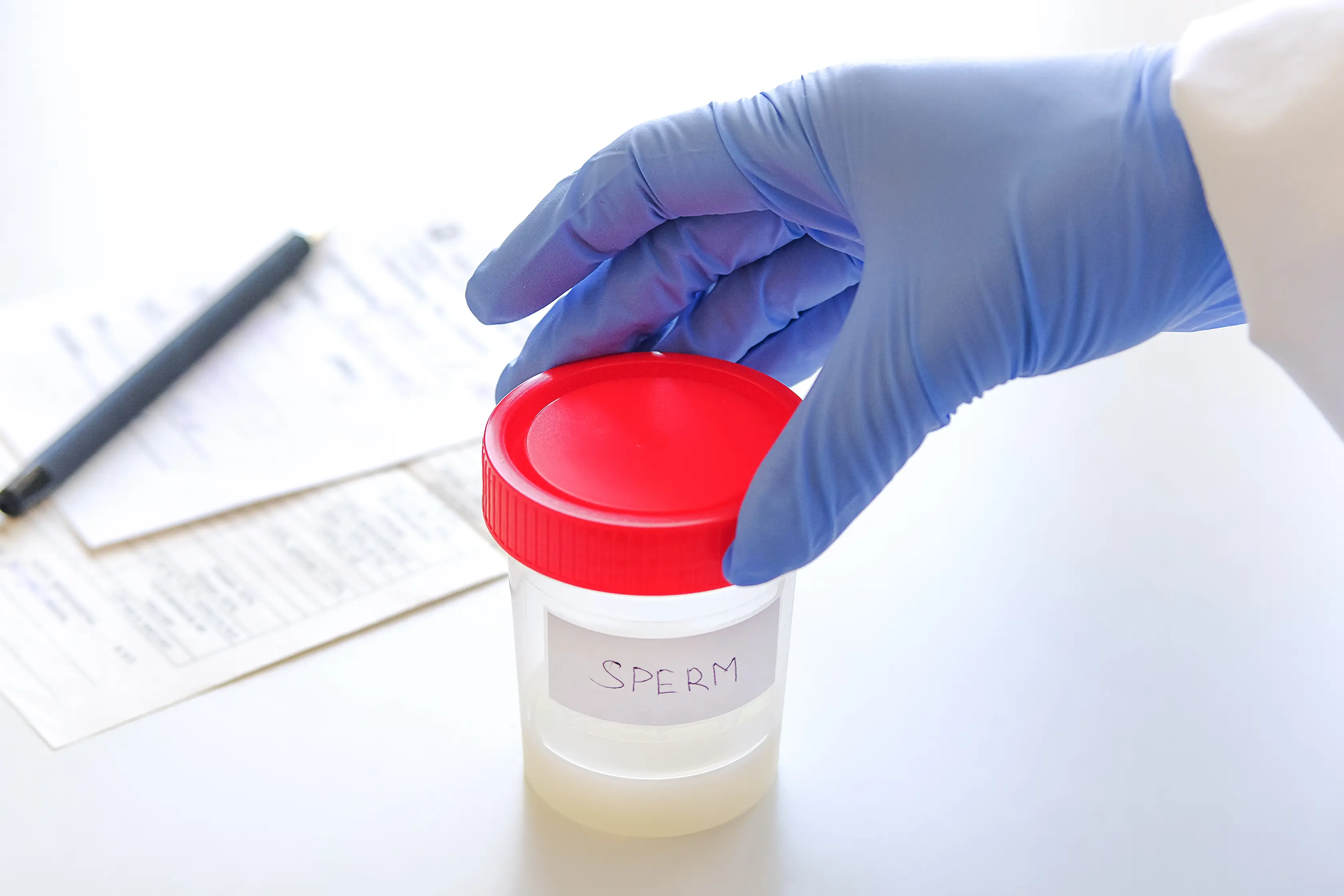
They are not counted as being clear of the virus until they have two consecutive negative test results, and until then they should 'abstain from all types of sex' or 'use condoms consistently and correctly.'
tThe UK Health Security Agency (UKHSA) told The Telegraph: “UKHSA keeps all guidance under constant review and monitors emerging evidence, including international research, as it becomes available.
“Any individuals in England who are confirmed as cases or identified as contacts will be provided with all necessary public health advice, including on reducing the risk of onward transmission.”
It comes after the number of cases keeps rising following the outbreak on a cruise ship, and a British holidaymaker has now been tracked down and quarantined.
A Dutch woman died after contracting hantavirus, and a man who had been on the same flight from Saint Helena to Johannesburg has been found.
The woman was one half of the Dutch couple who contracted the virus and were the first to die, with the BBC reporting they are considered 'patient zero' after they visited a landfill on a remote Argentinian island.
There have been 11 confirmed cases so far, with 3 deaths.
Topics: Health, Science, World News, Sex and Relationships
 Jen Thomas