Aristocrat who boasted about killing on 'human safaris' allegedly under investigation as new details emerge

An Italian nobleman has allegedly been accused of being part of the disturbing ‘human safari’ trips that took place during the siege of Sarajevo in 1990.
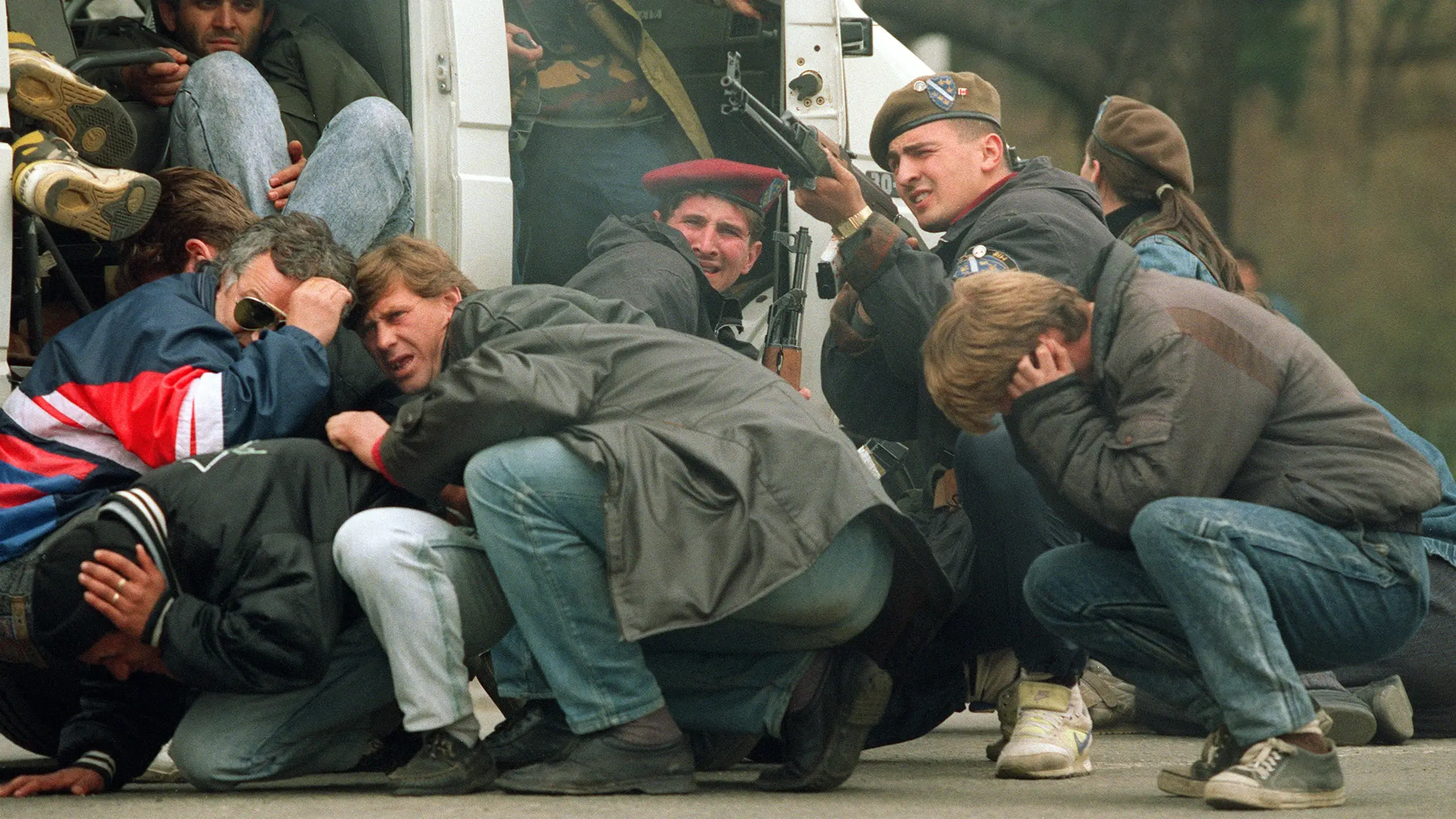
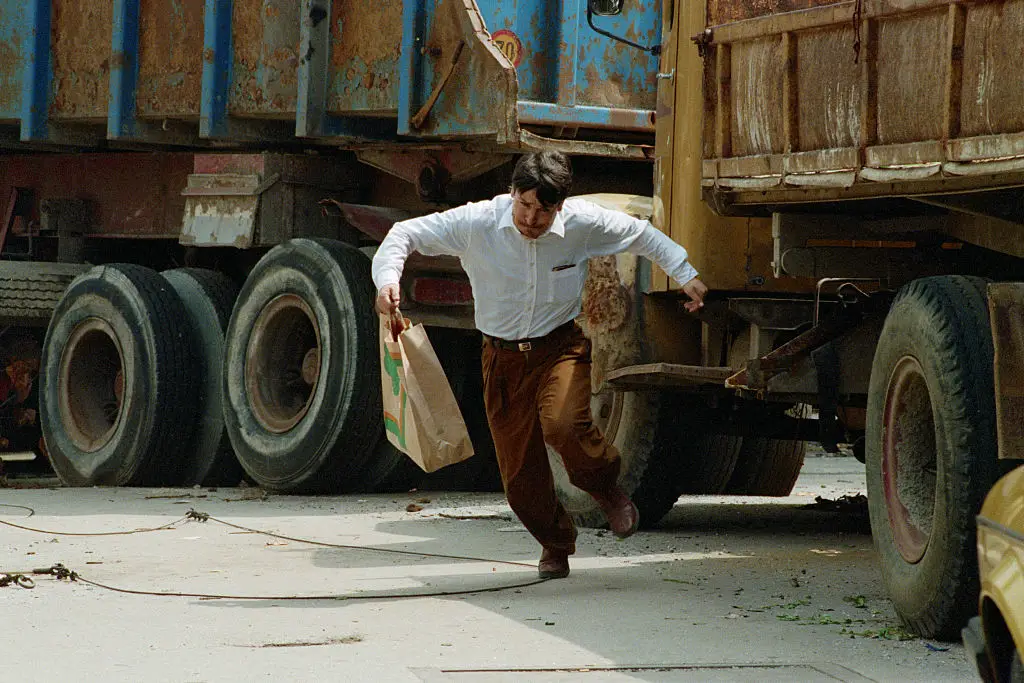
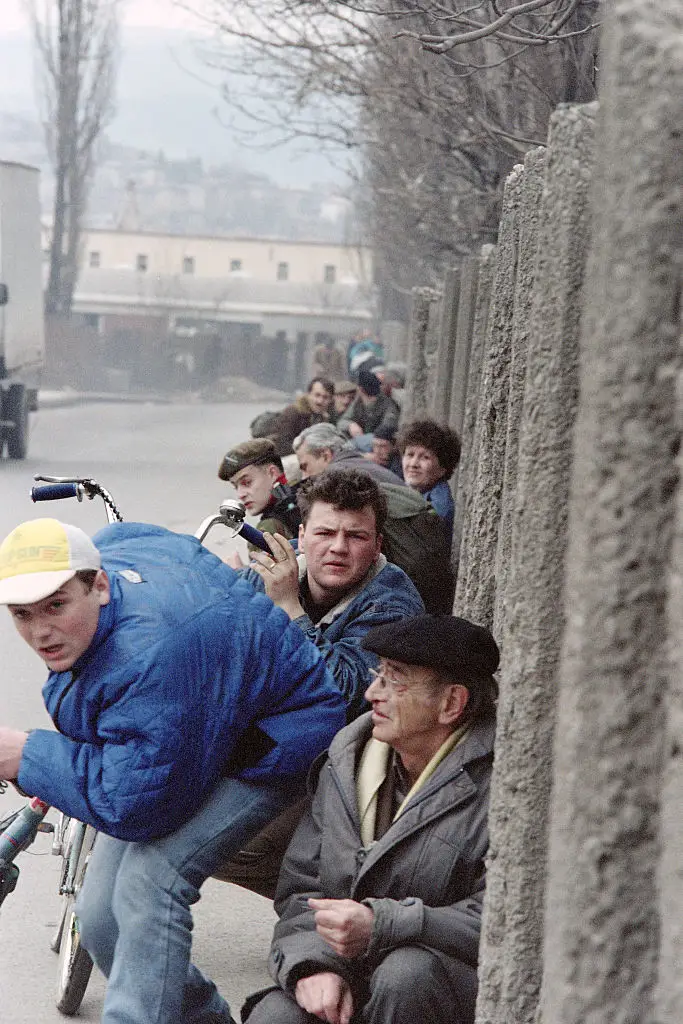
More than 10,000 civilians were killed by snipers and shelling in Sarajevo between the years of 1992 and 1996, during the four-year-long siege that took place after Bosnia and Herzegovina declared independence from Yugoslavia.
But, reports have emerged in recent years that something horrifically sinister was also going on at the same time - so-called ‘human safaris’.
Allegedly, wealthy tourists would travel to the Bosnian capital and pay large sums of money to shoot civilians, which was hidden under the guise of the conflict that was happening.
Advert
Rich gun enthusiasts are said to have travelled to Sarajevo for 'sniper tourism,’ where they allegedly paid members of the Bosnian Serb army to kill civilians.
An investigation began after journalist Ezio Gavazzeni sounded alarm bells last year by compiling information about the alleged practice and handing it over to the Milan Public Prosecutor’s Office.
Others have since come forward detailing stories of their own, including Croatian journalist Domagoj Margetic, who published a new book, Pay and Shoot, which cites documents handed over by Nedzad Ugljen, a Bosnian intelligence officer who was killed in 1996.
It claimed that disturbingly, sniper tourists would pay 80,000 marks (£35,000) to shoot someone who was middle-aged, 95,000 marks (£42k) to shoot a young woman, and 110,000 marks (£49k) to shoot a pregnant woman.
It's also been claimed that the tourists would fork out more to shoot children.
Now, The Times has reported that amid the ongoing investigation, an unidentified aristocrat who comes from a rich family in Milan was among one of the groups who paid to take part.
Gavazenni told the publication: “I was approached by a witness who reported the aristocrat had boasted to friends about the safari more than once over dinner.”
The writer added: “I believe the friends have also been questioned.”
A source told the outlet that the man in question is also a keen collector of military weaponry and has previously had encounters with the police over his collection.
The Times also reports that, as well as Italy, investigators are also tracking people they think were involved in Austria, France, Switzerland, and Belgium.
The publication understands that so far, four suspects have been questioned, including an 80-year-old former lorry driver.
Meanwhile, 20 potential witnesses who are able to identify the shooters have also reportedly been called in, a source with knowledge of the investigation claimed.
The home of another suspect was searched, and a silencer was found by police, in the city of Alessandria, which is located 60 miles south of Milan.
The man’s ex-partner alleged that he had flown to the Bosnian capital with ‘people who became snipers at weekends to kill Muslims’.
The partner allegedly showed police photos of the permit the suspect had used to get into war zones, as well as chilling tallies he kept of his alleged kills, the publication reports.
A timeline of the Sarajevo 'human safari' allegations
5 April 1992
The Siege of Sarajevo begins. For almost four years, the 400,000 inhabitants of the city suffer from shelling and snipers, with many cut off from food, water, medicine and electricity.
Late 1993
Bosnian military intelligence officer Edin Subasic comes across testimony from a Serbian volunteer. He later tells El País the man spoke about seeing ‘five Italians who had hunting equipment and expensive weapons’ who described themselves as ‘hunters who paid Serbs in Sarajevo to shoot people in the city’.
29 February 1996
The Siege of Sarajevo ends.
2007
Former US Marine John Jordan testifies to the International Criminal Court about ‘tourist shooters’. He said: “I never saw one of these tourist shooters take a shot. I just saw them being handled and moved around known sniper positions.
"It was clearly obvious that the person being led by men who were familiar with the ground was completely unfamiliar with the ground, and his manner of dress and the weapons they carried led me to believe they were tourist shooters.”
2014
Luca Leone writes in his book The B***ards of Sarajevo of European tourists paying at checkpoints managed by Serbian paramilitaries in Croatia and Bosnia to shoot civilians in Sarajevo.
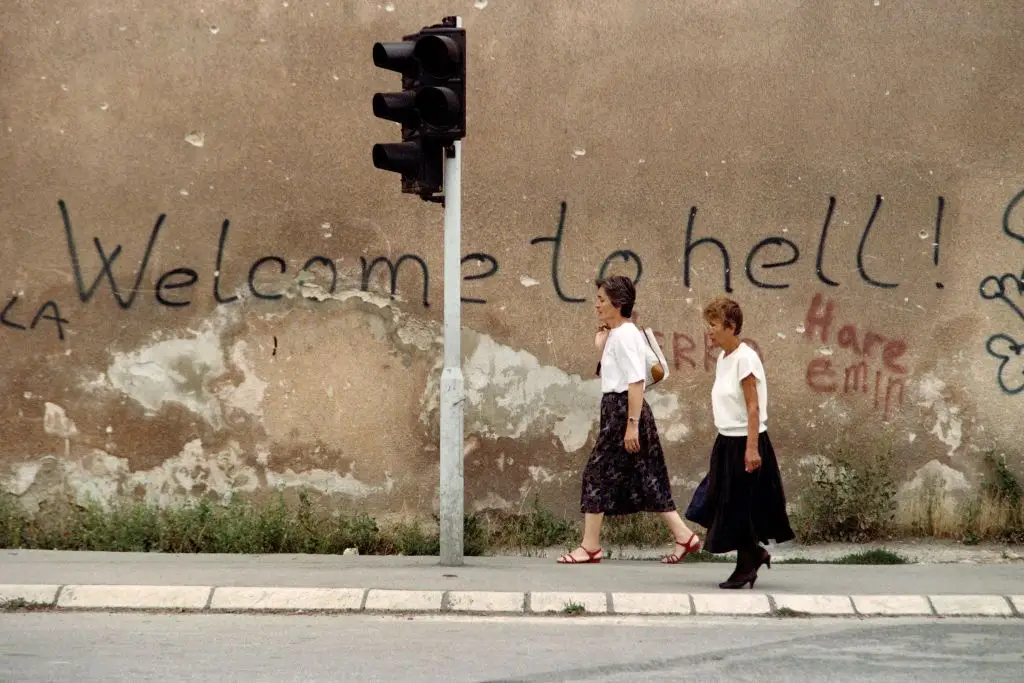
2022
The documentary Sarajevo Safari by Slovenian director Miran Zupanic further drags the murky details of the alleged human safaris into the public eye.
The film includes testimony from Subasic and an unnamed Slovenian source who worked for ‘an important American agency’. The latter claims in the film to have seen ‘how, for certain sums of money, strangers would come in to shoot at the surrounded citizens of Sarajevo’.
November 2025
The public prosecutor's office in Milan opens an investigation into claims Italian citizens were involved in the ‘human safaris’, after journalist and author Ezio Gavazzeni filed a legal complaint.
Meanwhile, US congresswoman Anna Paulina Luna says she has opened her own investigation and vows: “If there are any Americans who have engaged in this, they deserve to be charged and prosecuted.”
February 2026
An 80-year-old Italian truck driver allegedly becomes the first suspect investigated over the ‘human safaris’.
Topics: News, World News, Crime
 Madison Burgess