Queen Elizabeth's 9 female family members each share unique royal trait following 'unwritten expectation'

Princess Eugenie's decision to give her newborn daughter the middle name 'Elizabeth' might, at first glance, seem like a sweet tribute.
Announced this week, 14 days after the tot was welcomed into the world by Eugenie and her husband, Jack Brooksbank, Adelaide Elizabeth Annina Brooksbank carries the name of her great-grandmother, Queen Elizabeth II.
Her 36-year-old mother said herself that the name was inspired by people they 'love and admire'.
"2 weeks ago today we welcomed our girl to the world," Eugenie shared on Instagram, alongside a sweet snap of her baby girl. "And since then we've had the most special, cosy and love-filled time.
Advert
"We are so happy to share Adelaide Elizabeth Annina Brooksbank. Named after three people we love and admire past and present, including her Great-Grandmother who we hold close in our hearts.
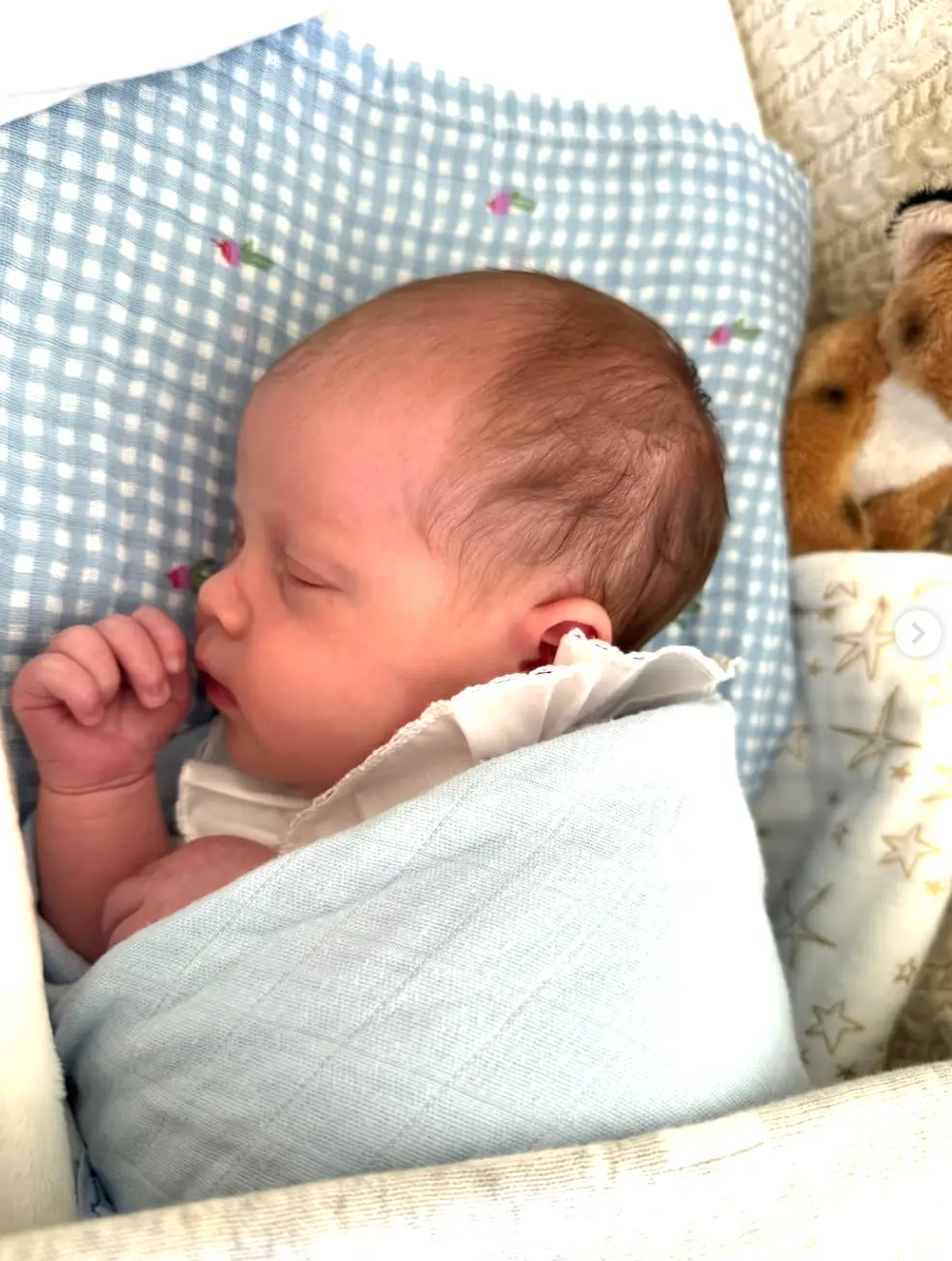
"Her name is part of English and Portuguese history, two places we love and call home."
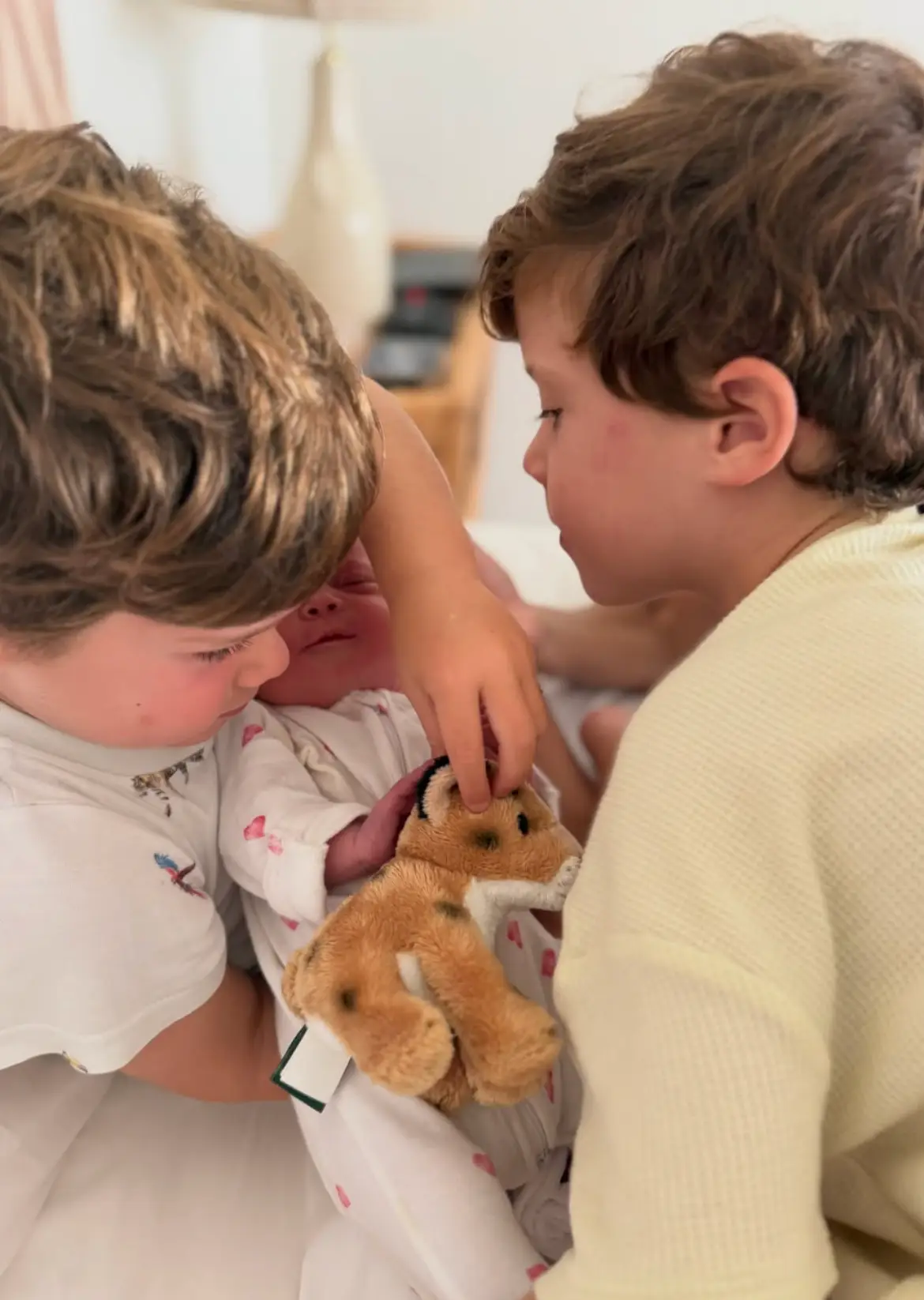
Referring to the two sons she already shares with businessman, the Princess added: "Augie and Ernie are already the best big brothers.
So, by anyone's standards, Adelaide's middle name is a touching nod to the late monarch, who had been close to her granddaughter, Eugenie, until her death in September 2022, amongst other key figures.
But then you look at the wider, family tree, and suddenly, 'Elizabeth' is everywhere.
Who else has the middle name 'Elizabeth'?
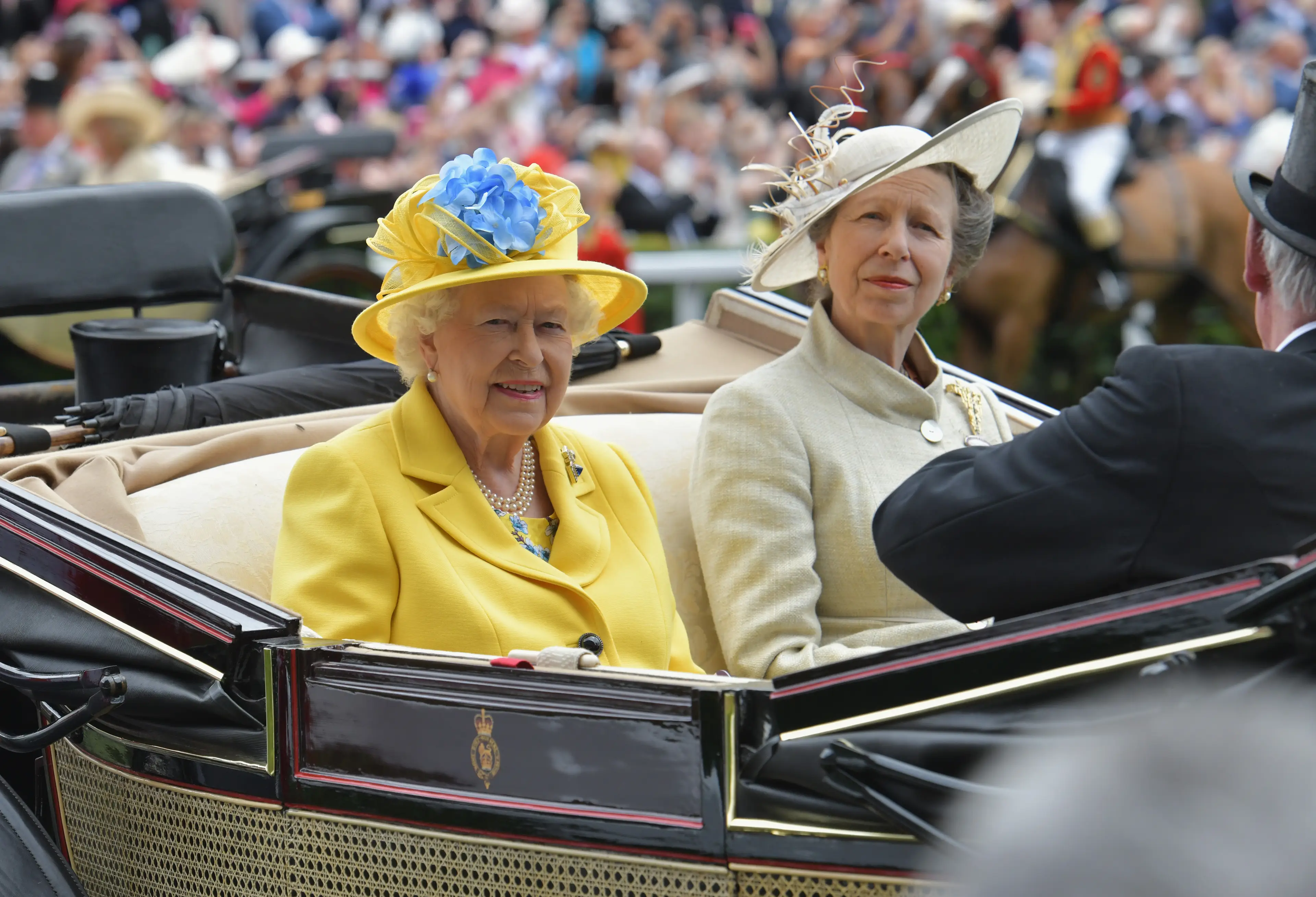
Princess Anne
The Princess Royal, Beatrice's auntie, was the first to receive the monarch-specific tribute when she was born to Queen Elizabeth and Prince Phillip in 1950.
At birth, she was given the name title, Princess Anne Elizabeth Alice Louise.
Zara Tindall
Princess Anne then passed the same moniker down to her own daughter, Zara, whom she shares with Captain Mark Phillips, giving her the title Zara Anne Elizabeth Tindall - famously omitting any HRH honours.
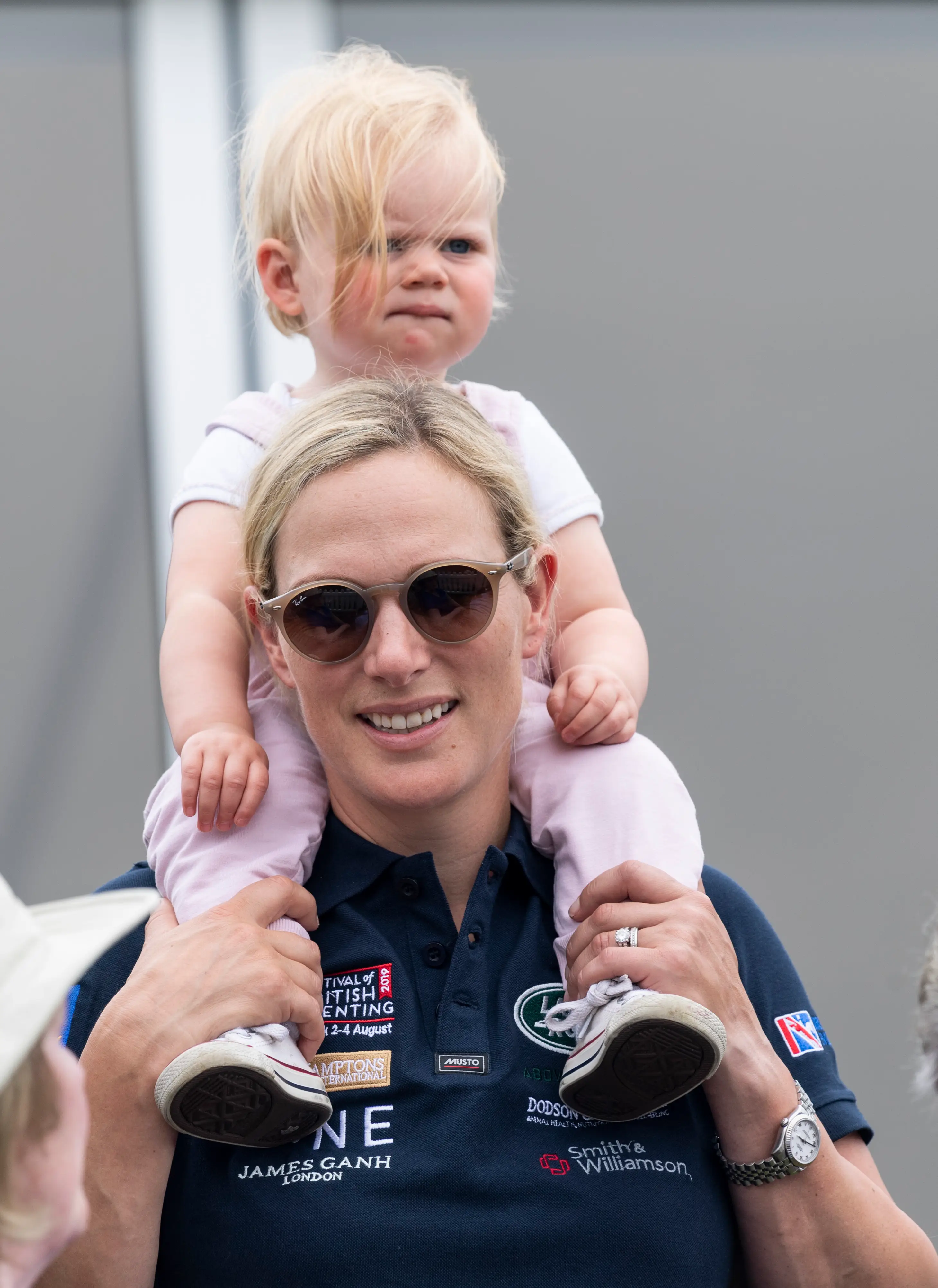
Zara, 45, then made the same move - twice!
Lena Tindall
She and her ex-rugby pro husband Mike Tindall gave their daughter, Lena, the middle name 'Elizabeth', when she was born in 2018.
Isla Phillips
Princess Anne's son, Zara's brother, Peter Phillips, then made the same choice when he and now-ex-wife Autumn Kelly welcomed their daughter, Isla Elizabeth, into their family in 2012, with the siblings therefore dragging the name out for a total of four generations.
Princess Charlotte
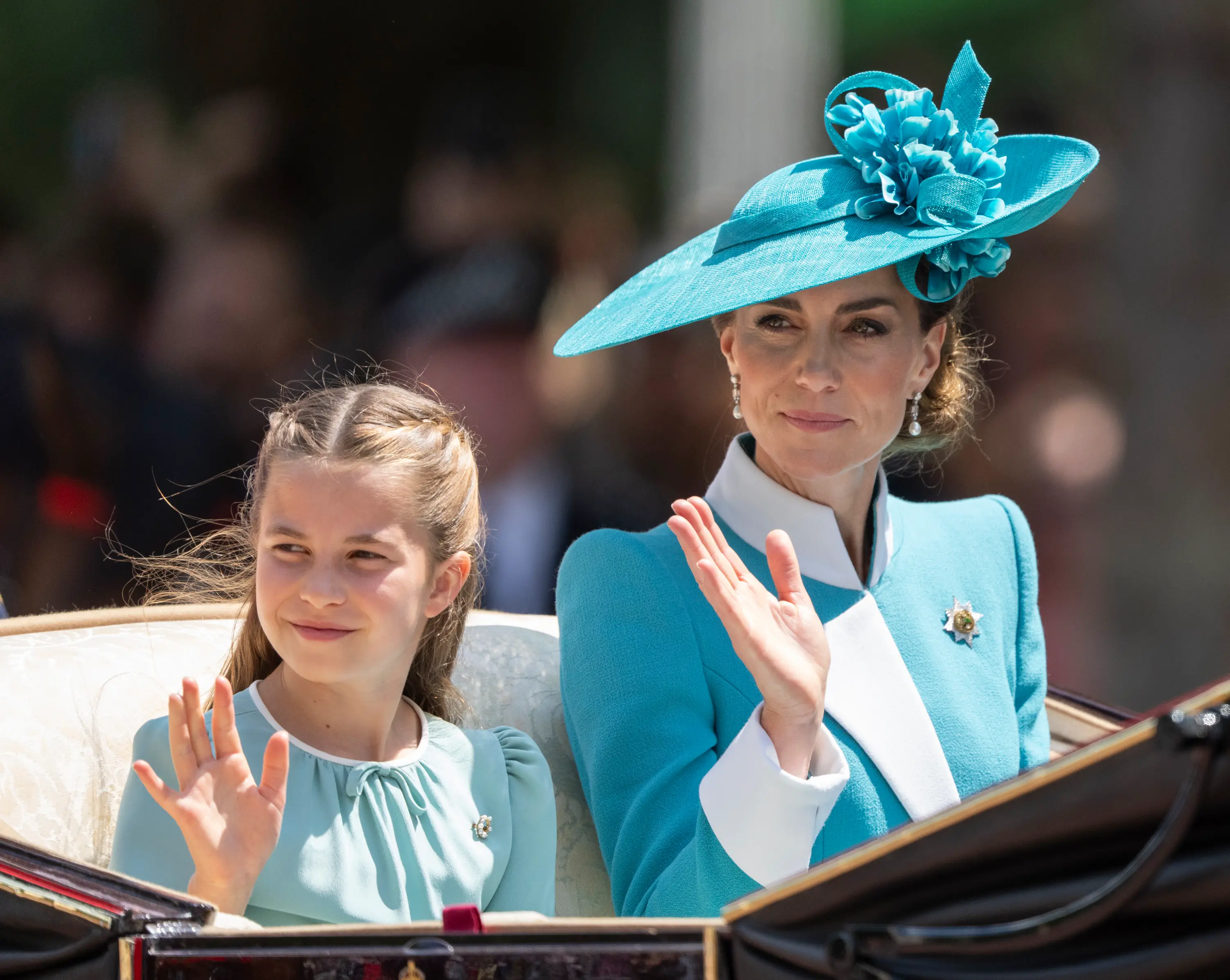
On the other side of the family, Beatrice's cousin and the future king, Prince William, chose to bestow his only daughter, Charlotte, with the name that belonged to his beloved grandmother.
After he and Kate Middleton welcomed her in 2015, they christened her 'Charlotte Elizabeth Diana', also paying tribute to William's late mother.
Princess Lilibet
His brother, Harry, also chose to honour Queen Elizabeth II in his own special way when he and Meghan Markle welcomed a daughter in 2021.
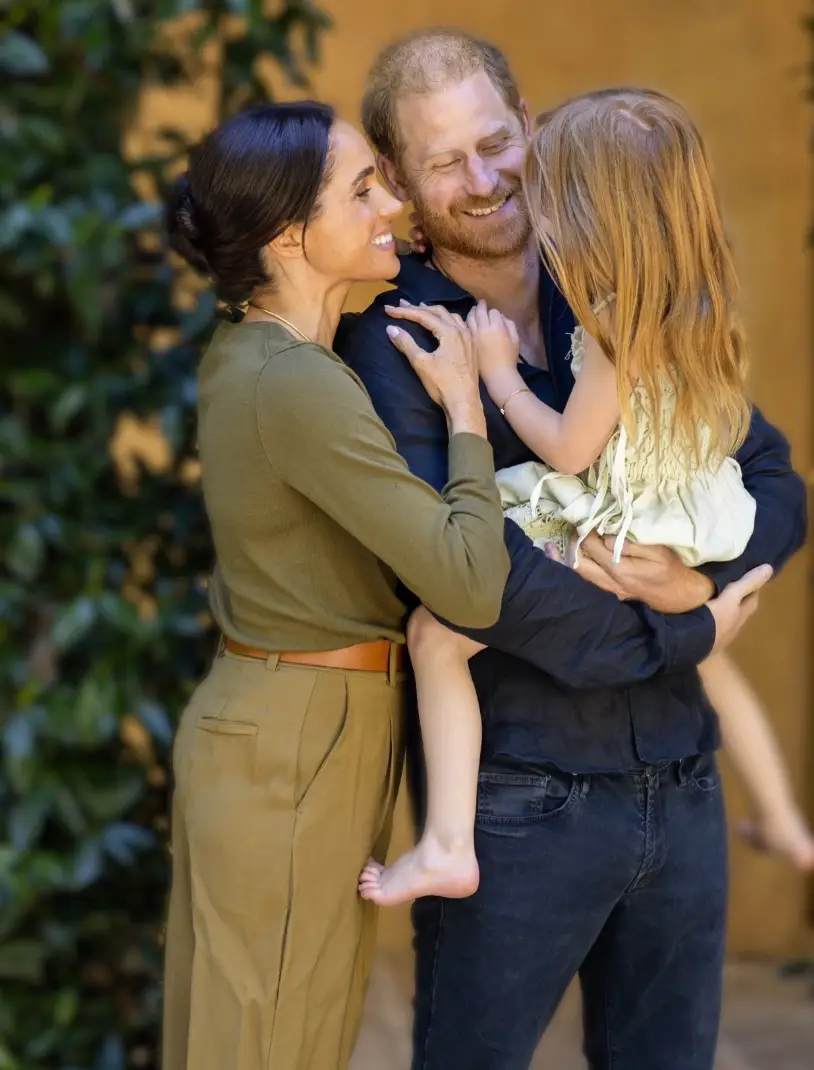
Instead of going with 'Elizabeth', they gave their now five-year-old the name 'Lilibet' - the cherished childhood nickname of the late Queen, first spoken by her as a toddler trying to pronounce 'Elizabeth' and subsequently adopted by her close family and friends.
Sienna and Athena Mapelli Mozzi
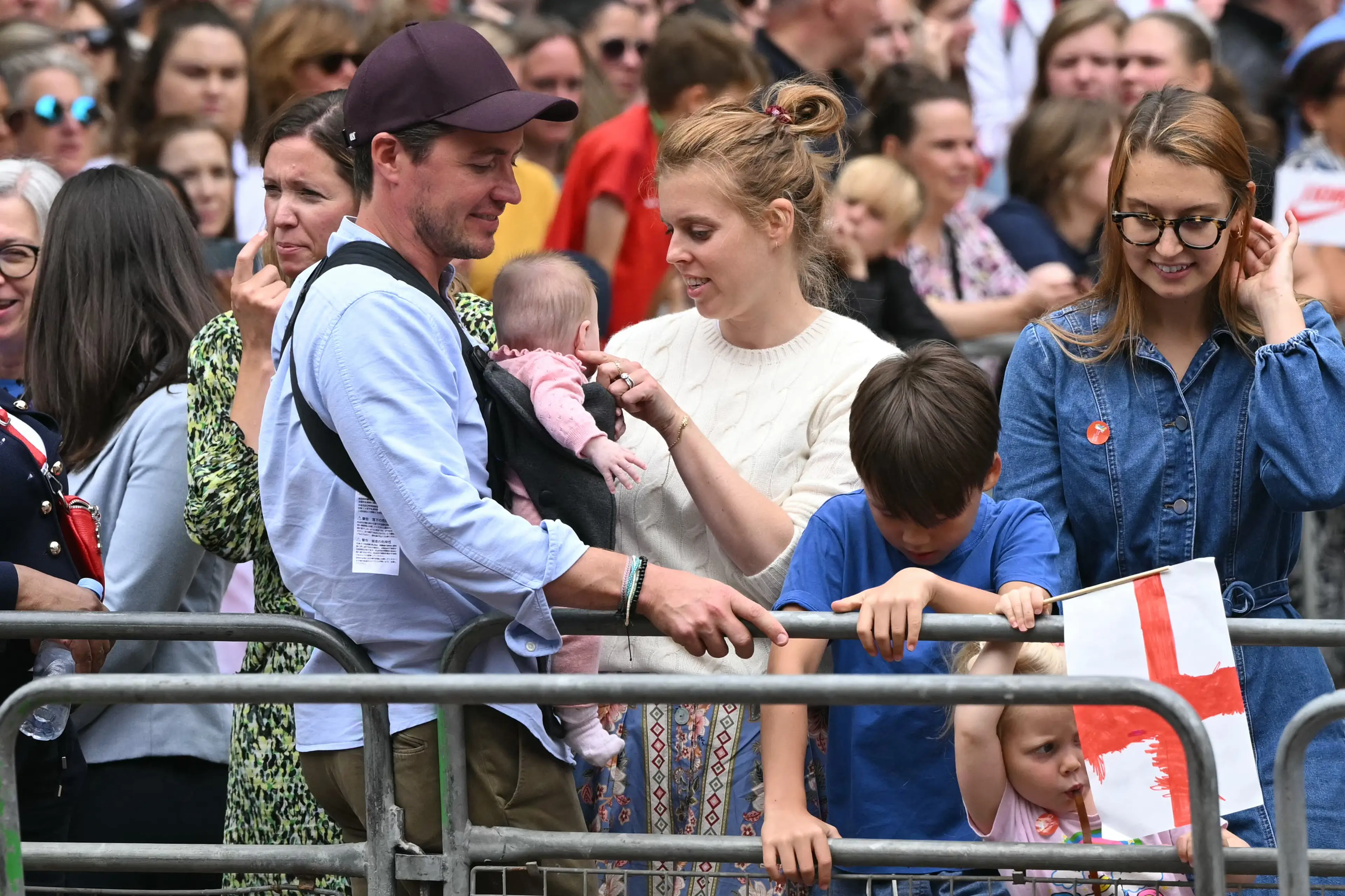
Eugenie's own sister, Princess Beatrice, even chose to give both of her daughters the same name, having been given it herself by parents Sarah Ferguson and Andrew Mountbatten-Windsor.
While her eldest, Sienna is 'Sienna Elizabeth Mapelli Mozzi', her youngest, Athena, born just last year, is 'Athena Elizabeth Rose Mapelli Mozzi'.
Rules on royal middle monikers 'explained'
The fact that Eugenie has opted for 'Elizabeth' again understandably raises the rather intriguing question as to whether royal families are expected to name their children after their predecessors.
Is Elizabeth simply such a beloved family name that everyone independently arrives at the same choice? Or is there an unwritten etiquette around honouring a monarch, one that makes certain names almost impossible to resist?
And when several cousins have already chosen the same name, is there any sense of royal competition over these precious links to the past, or would that idea be completely alien to the family?
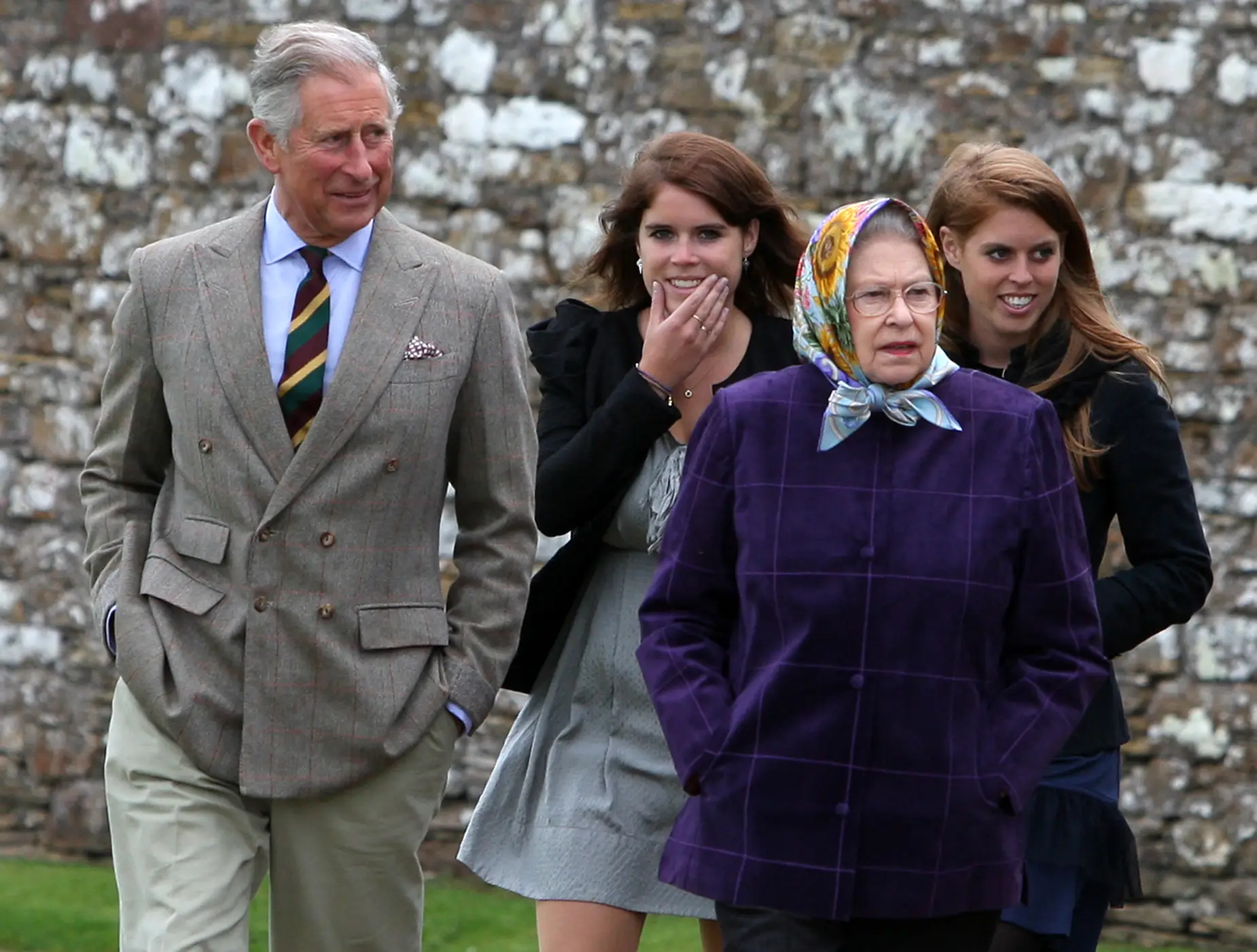
These are all questions we put to royal etiquette expert Laura Windsor, who tells Tyla there is a 'clear unwritten expectation' - particularly for those in the direct line to the throne - that traditional, historic names are reused.
"It is a matter of respect and continuity rather than constitutional obligation," she explains. "Children in the direct line have consistently carried these names, often with second or third middle names honouring other monarchs or their consorts.
"Elizabeth is very much a royal tribute name in this sense - a nod to one of the most significant monarchs in modern history, and a role model the family continues to hold in the highest regard."
So, at what point does honouring a family member become a matter of royal protocol rather than personal choice?
According to 'Queen of Royal Etiquette', there is an important distinction to make.
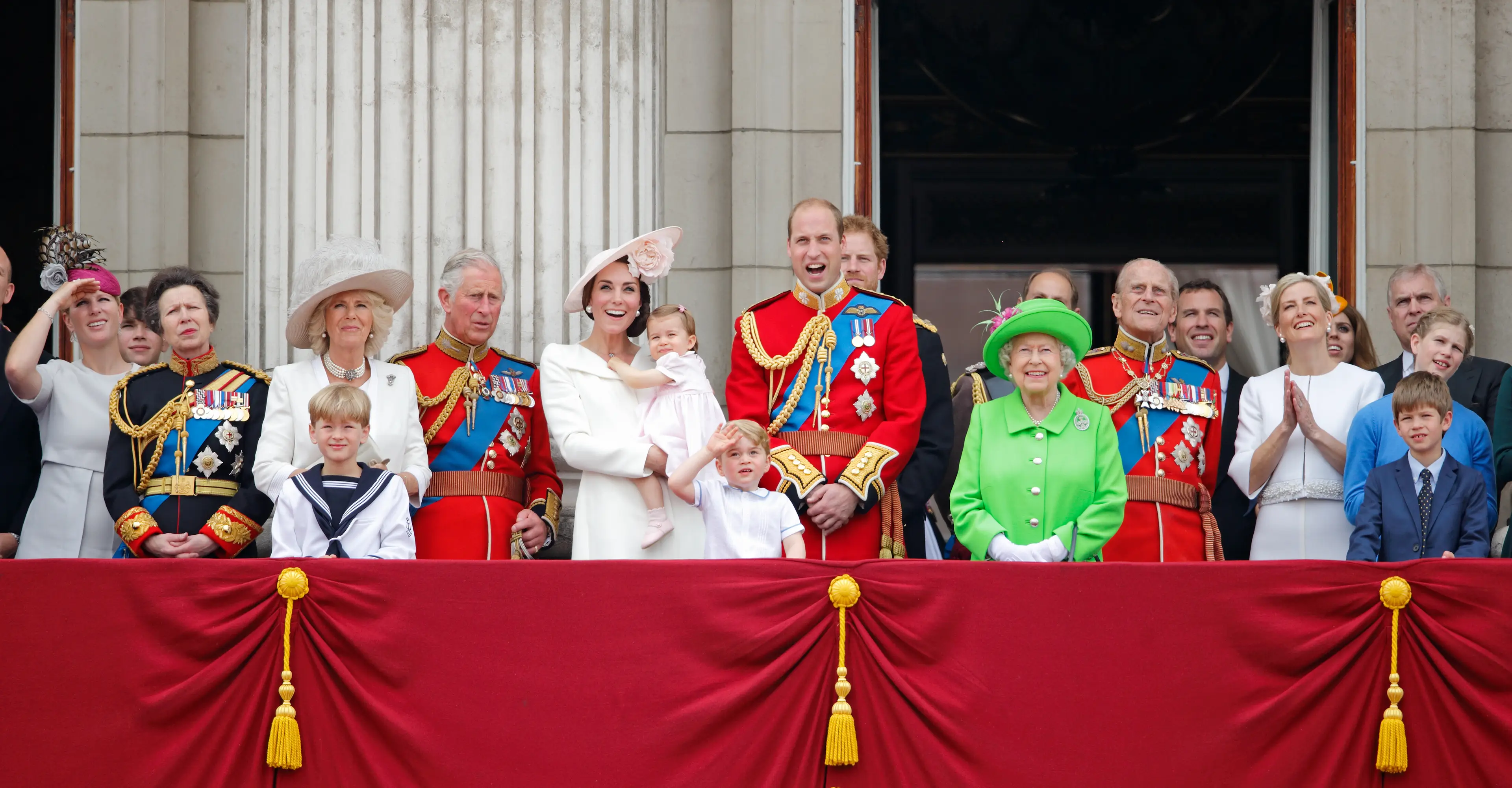
"It doesn't," she emphasises. "Naming, in this context, is about love and respect rather than protocol or institutional law. There is no rule compelling the use of Elizabeth."
That means Beatrice giving both Sienna and Athena the middle name, and Zara doing the same for Lena, reads as a heartfelt personal tribute to their grandmother, not the fulfilment of some royal requirement.
"The family adheres to tradition because they choose to, not because they are required to," Laura adds.
And, given just how many members of the family have now used it, you might reasonably wonder whether there is ever a sense of 'calling dibs' on such a significant name. Well, apparently not.
"‘Calling dibs’ implies claiming something before anyone else can, and that simply isn't how this works," Laura says. "Elizabeth appears across the family precisely because it is unremarkable to do so. It is part of the tradition, not a departure from it.
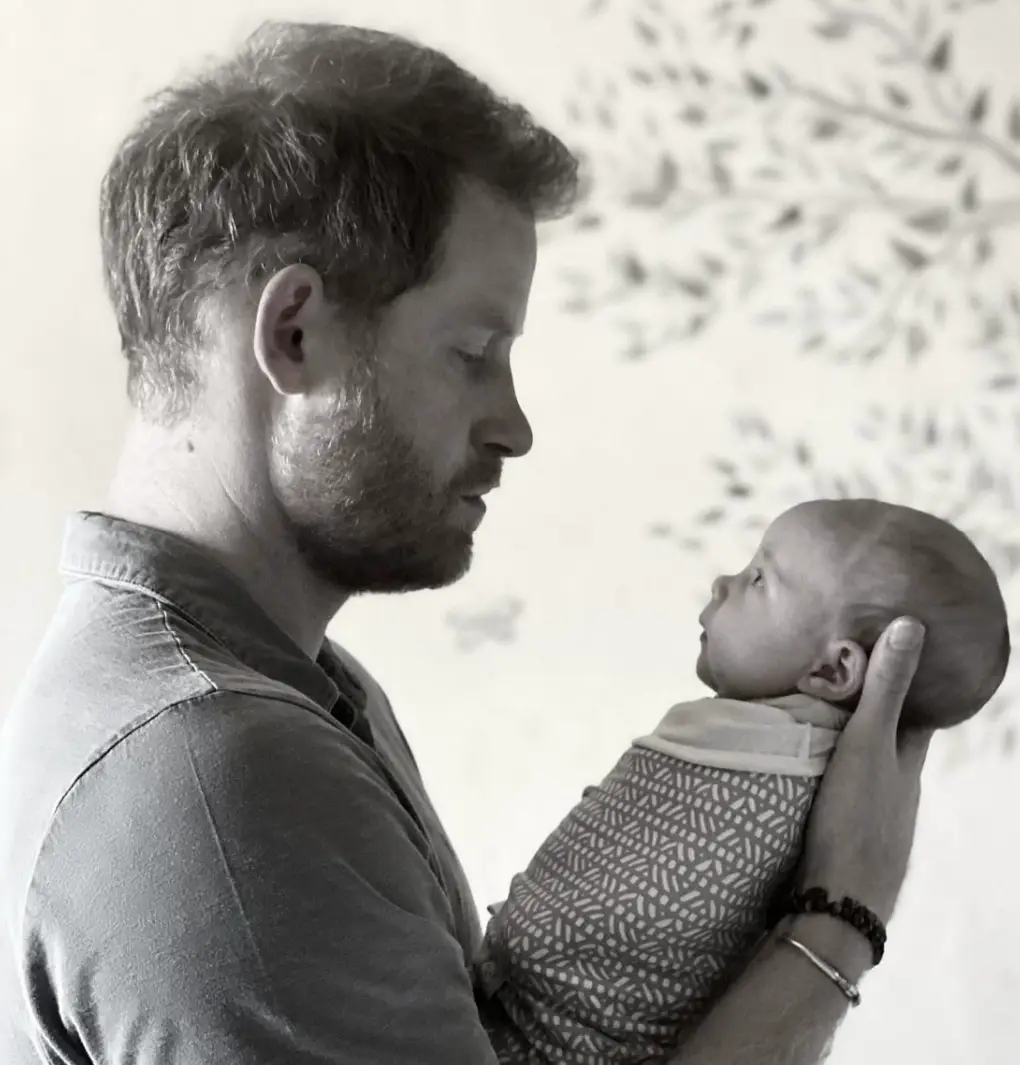
"The royal family does not operate competitively over names between branches - quite the opposite. Repetition is the tradition."
This makes the decision to use Elizabeth again perhaps less surprising than it initially appears - but there is one member of the monarchy whose choice of name represents something rather different.
Harry and Meghan's decision to name their daughter Lilibet, rather than Elizabeth, was also an unmistakable tribute to the late Queen - but according to Laura, it was a much more intimate one.
"All of the Elizabeths are variations on the same gesture: honouring Queen Elizabeth II by her formal, official name," she explains. "Lilibet is a different order of tribute entirely.
"It was the Queen's own childhood nickname - deeply personal, used only by her closest family, and never a public or formal title."
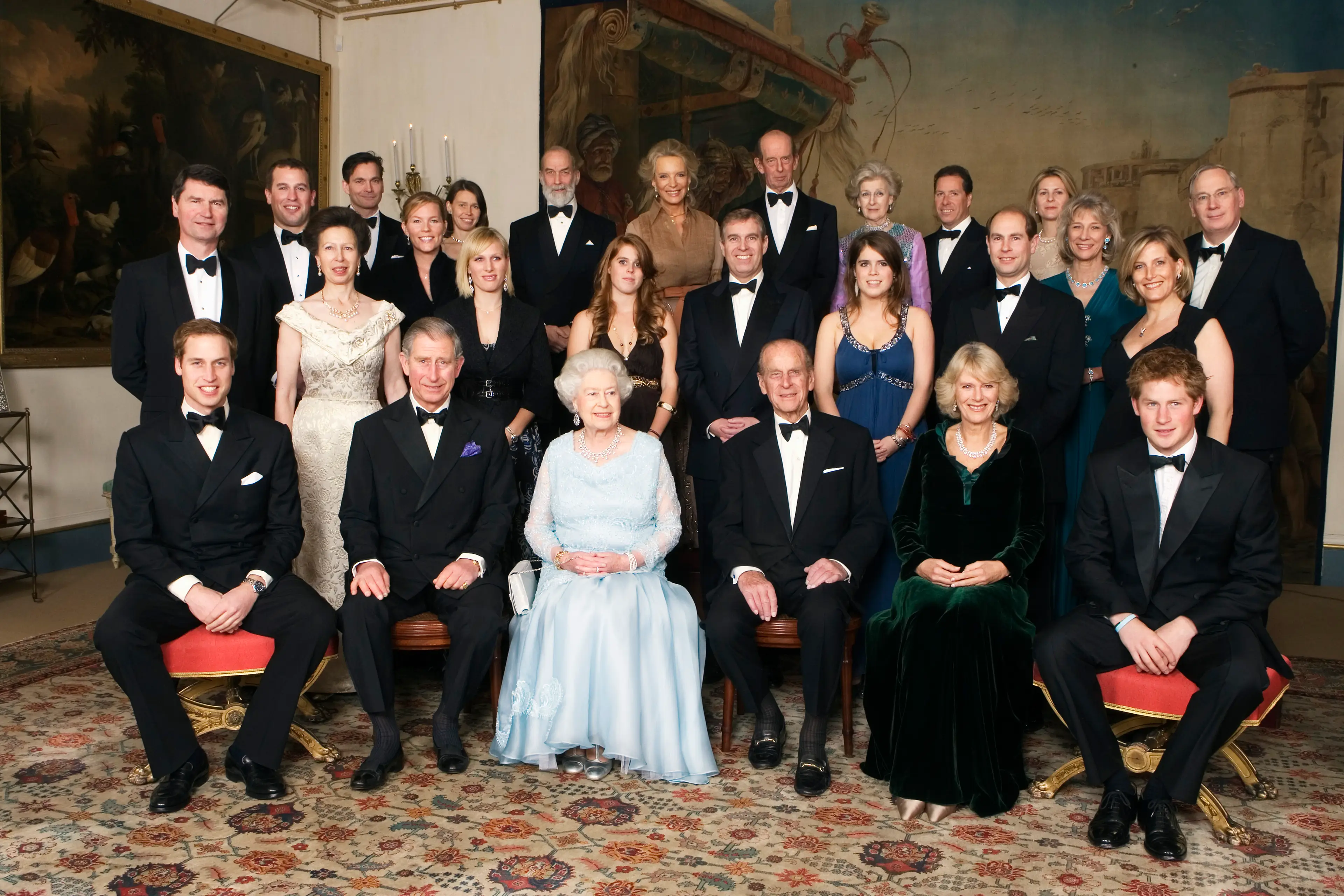
The expert notes: "While every other Elizabeth in the family reaches for the institutional name, theirs reaches for the private one, which obviously says something different about how they wished to position that tribute."
So while Charlotte Elizabeth Diana, Lena Elizabeth, Sienna Elizabeth, Athena Elizabeth and now Adelaide Elizabeth all use the late monarch's formal name, Lilibet reaches back into a much more private part of her family history.
'But could Elizabeth keep appearing in future generations?' we hear you ask. Well, there's no rule saying it can't.
But Laura seems convinced that the younger generation of royals is growing up in a far less formal era, meaning whether Elizabeth continues to carry quite the same weight remains to be seen.
"Those children have no lived memory of her, only inherited reverence," she tells us.
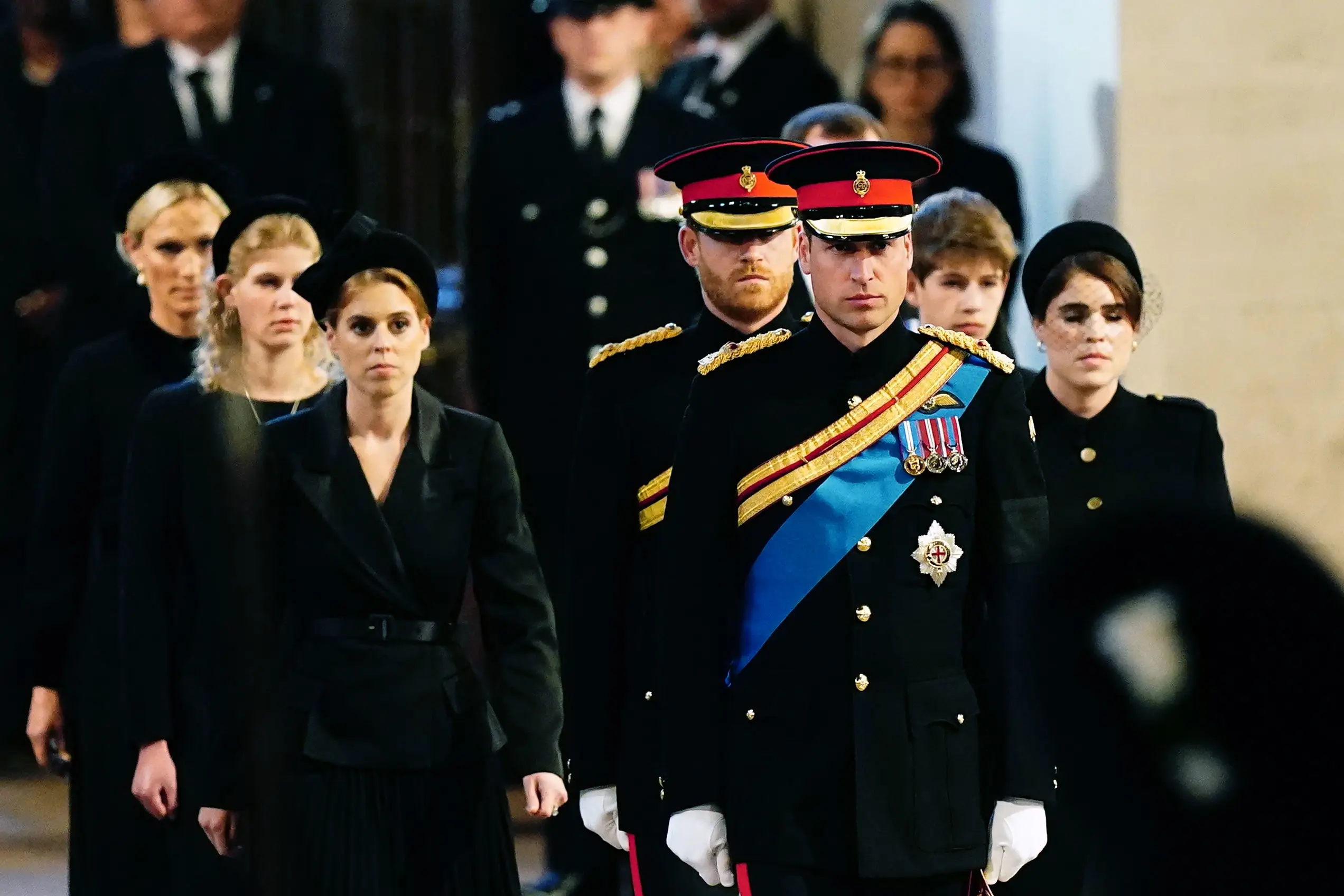
That said, Laura doesn't believe the repeated use of Elizabeth feels like saturation - rather 'it functions as something closer to shared symbolism than shared lineage."
And perhaps that is because of what Queen Elizabeth II's life represented - she never originally expected to become Queen, but following her uncle Edward VIII's abdication and her father George VI's sudden death, she was placed in the direct line of succession, becoming sovereign at just 25.
"Queen Elizabeth II's life was one of extraordinary personal sacrifice in service of the Crown," Laura says. "She had to become sovereign, stateswoman and symbol almost overnight. That is the legacy the name is really carrying."
So, while Adelaide Elizabeth may look like just the latest addition to an increasingly long list of royal Elizabeths, there's clearly more to the choice than simply following a naming trend.
For a family whose history is so closely intertwined with the Crown, repeating the name of one of its most significant monarchs is less about originality, and more about remembrance.
And if Laura is right, there is no reason to think Adelaide will be the last 'Elizabeth' to join the family.
Topics: Royal Family, UK News, The Queen
 Rhianna Benson