Why Princess Anne's children have no royal title - but Princess Beatrice and Eugenie do

At a time when royal titles have proven a major source of contention, questions have been raised as to why Princess Anne's children don't have them, while the brother Andrew's do.
This is in spite of the former, the Princess Royal, being considerably older than the recently-disgraced latter.
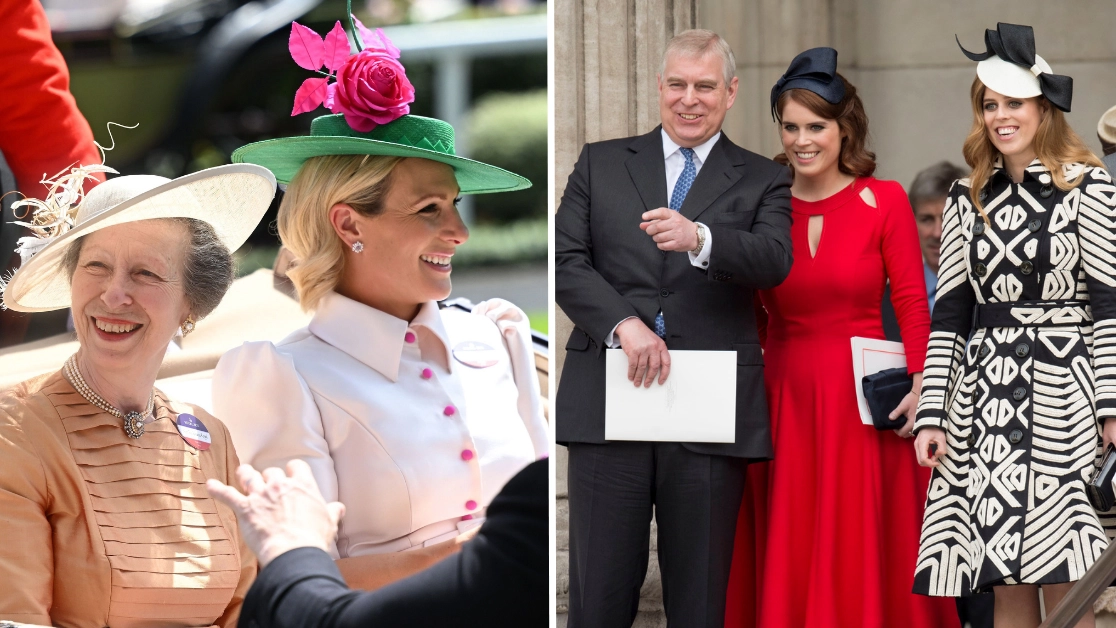
That's right, neither 44-year-old Zara Tindall nor her big brother, Peter Phillips, 48, bare any former of royal honour, even though their mother, Anne, 75, is the second eldest child of the late Queen Elizabeth and Prince Phillip.
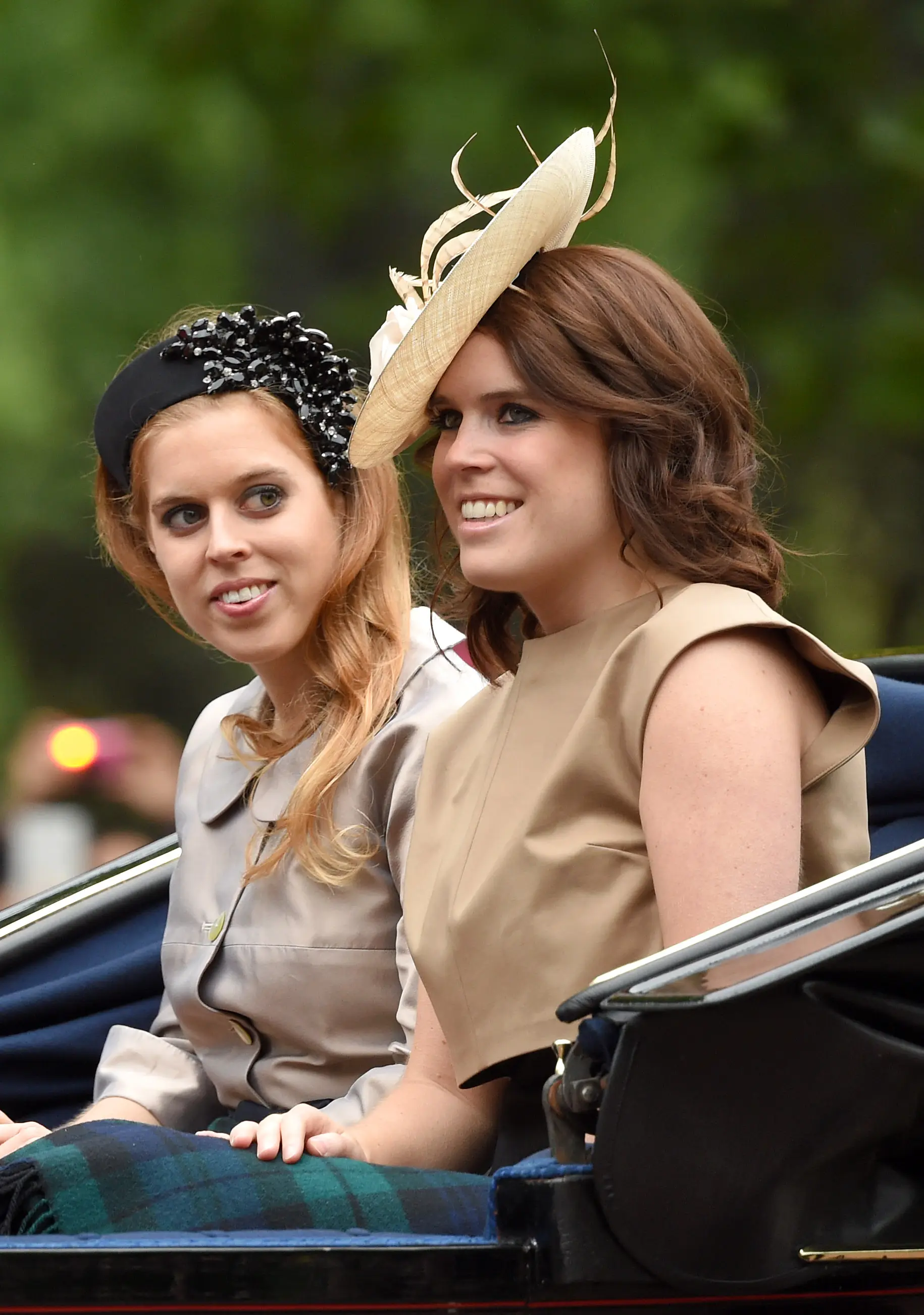
Oddly, though, Zara and Peter's cousins, Princesses Beatrice and Eugenie, have long been referenced as such - 'Princesses'.
Advert
The sisterly pair inherited these titles upon their births to parents, the former Prince Andrew, and Sarah Ferguson, the ex-Duchess of York.
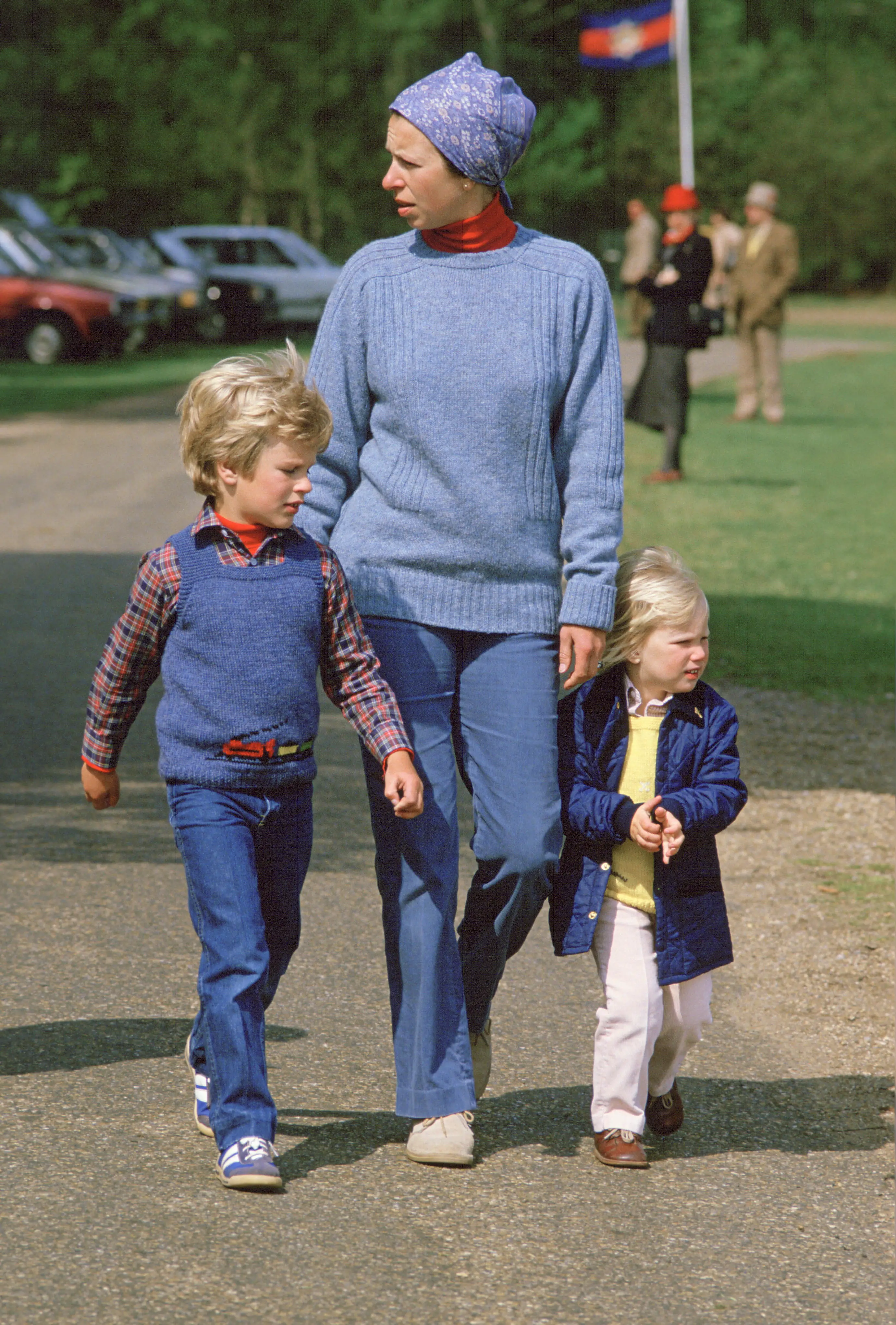
As a reminder, both Andrew and Sarah had their royal honours stripped last month in light of revelations over their relationship with late sex offender Jeffrey Epstein - the former, for being a close associate and alleged abuser, and the latter, for having previously written damning emails to the paedophile.
Official legislation centred on the royal titles that princes and princesses inherit at birth was put into place in 1917, when a Letters Patent written by King George V ruled that both children and grandchildren of the ruling monarch from male lines would take them on.
Apparently, however, the late Queen was ready to bend these long-standing for her only daughter and her offspring.
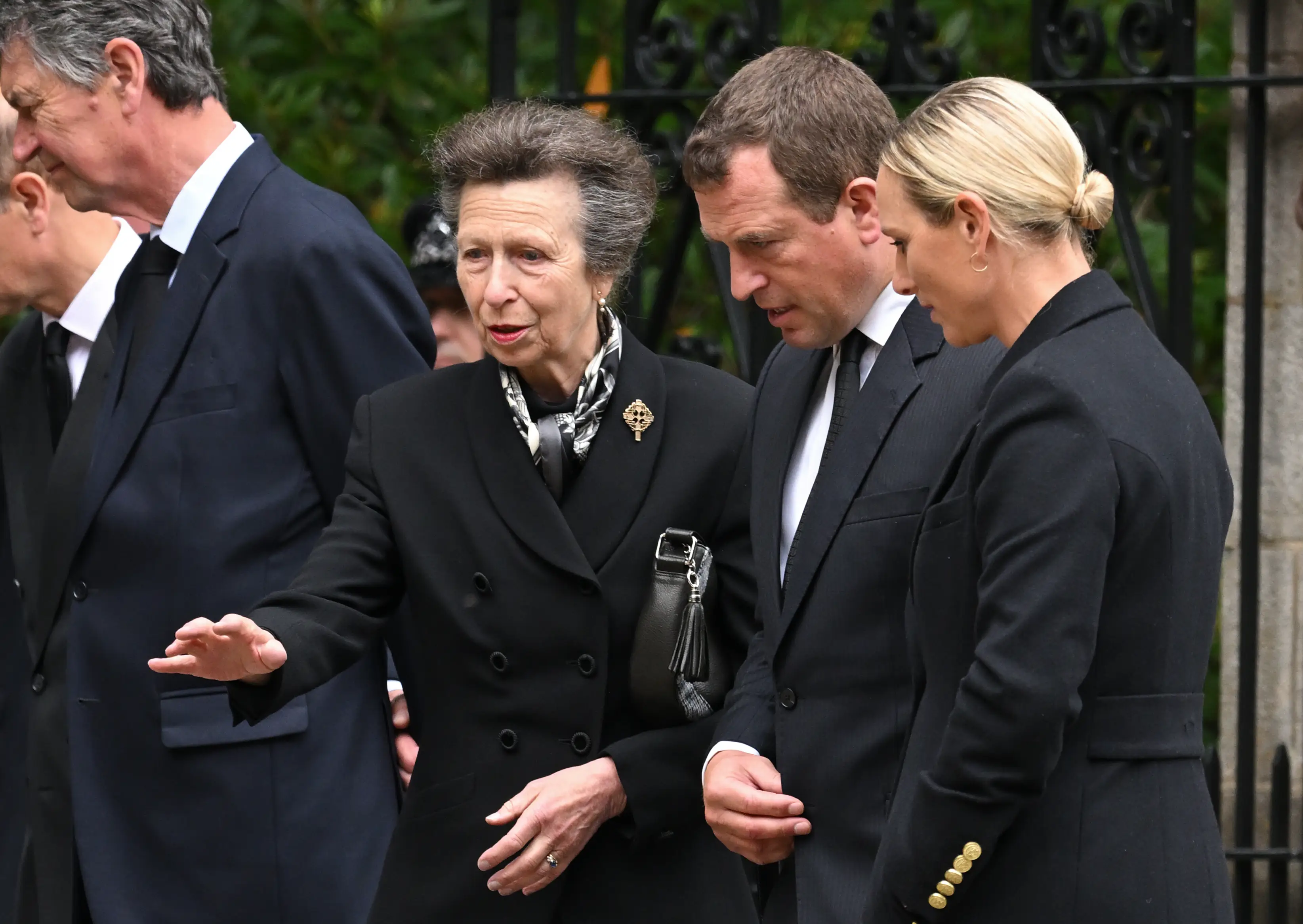
Despite this, Princess Anne reportedly turned her mother down when her son, Peter, was born in 1977. However - and again when Zara was born in 1981 - after asking for express permission to disuse 'prince' and 'princess' title.
The reason why? She'd reportedly hoped for her children to forge as 'normal' a life as possible for themselves.
And according to Zara herself, the decision was rightfully made.
"I’m very lucky that both my parents decided to not use the title and we grew up and did all the things that gave us the opportunity to do," the mother-of-three - whose children Mia, 11, Lena, six, Lucas, four, also don't have royal honours - previously told press.
This meant that Queen Elizabeth didn't have to make a change to the long-standing protocol until Prince William and Kate Middleton announced in 2012 that they were expecting their first child.
Unsure at that point whether the future monarch would be a boy or a girl, the Queen introduced a new Letters Patent, which changed the Law of Succession to absolute primogeniture.
This allowed for all three of the Wales' children to take on 'prince' and 'princess' titles.
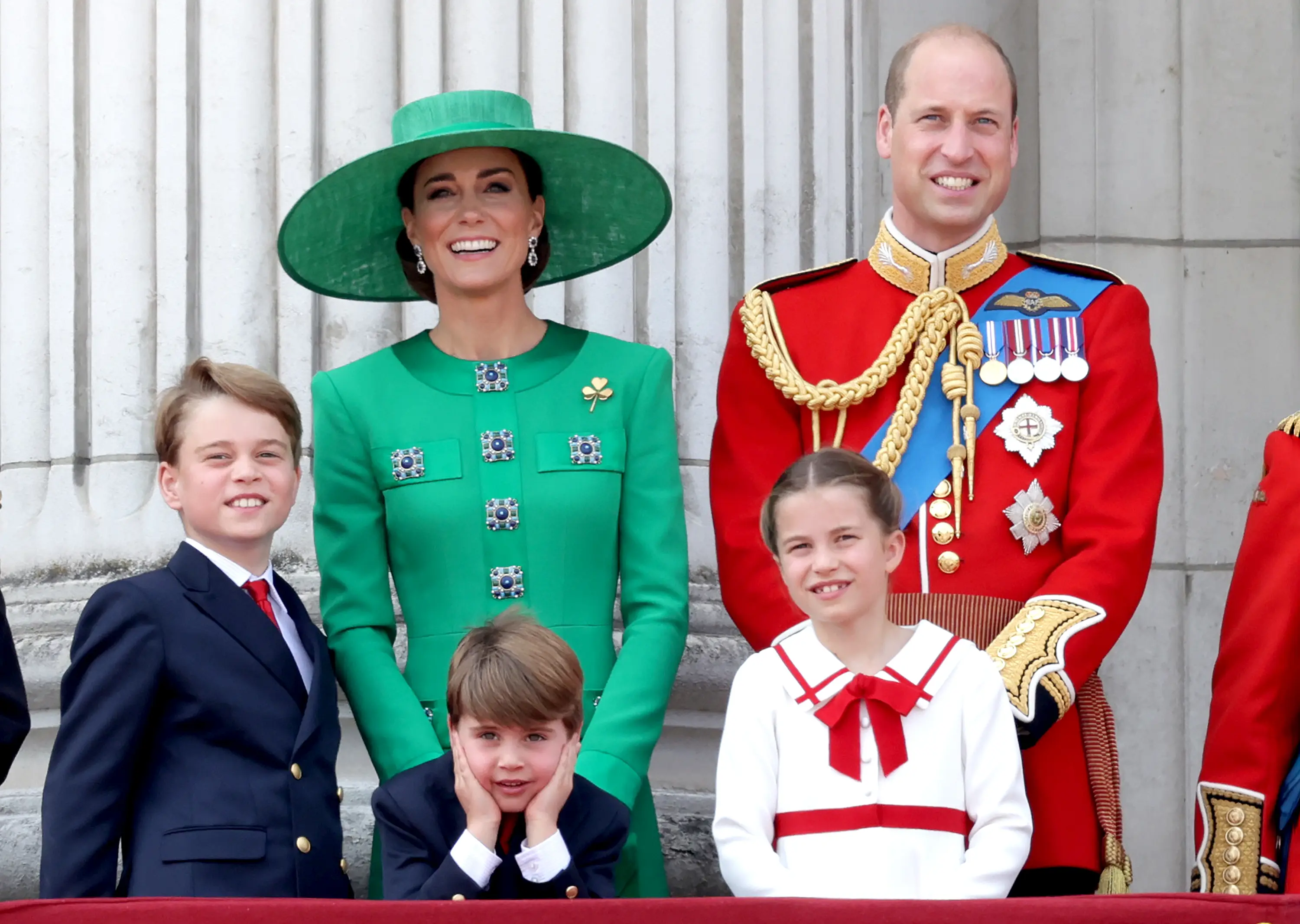
Interestingly, it also meant that Prince Louis, their youngest, was not to overtake big sister Princess Charlotte in the line of succession - a fate that befell Anne when little brothers, (the former) Prince Andrew and Prince Edward were born.
The latter went on to follow in footsteps similar to Princess Anne's after welcoming his own children with wife, Sophie.
Prince Edward decided to give his daughter, 22-year-old Louise Windsor, the title 'Lady', and his son James, the 'Earl of Wessex' honour.
"We try to bring them up with the understanding that they are very likely to have to work for a living," Sophie, the Duchess of Edinburgh told The Times in 2020.
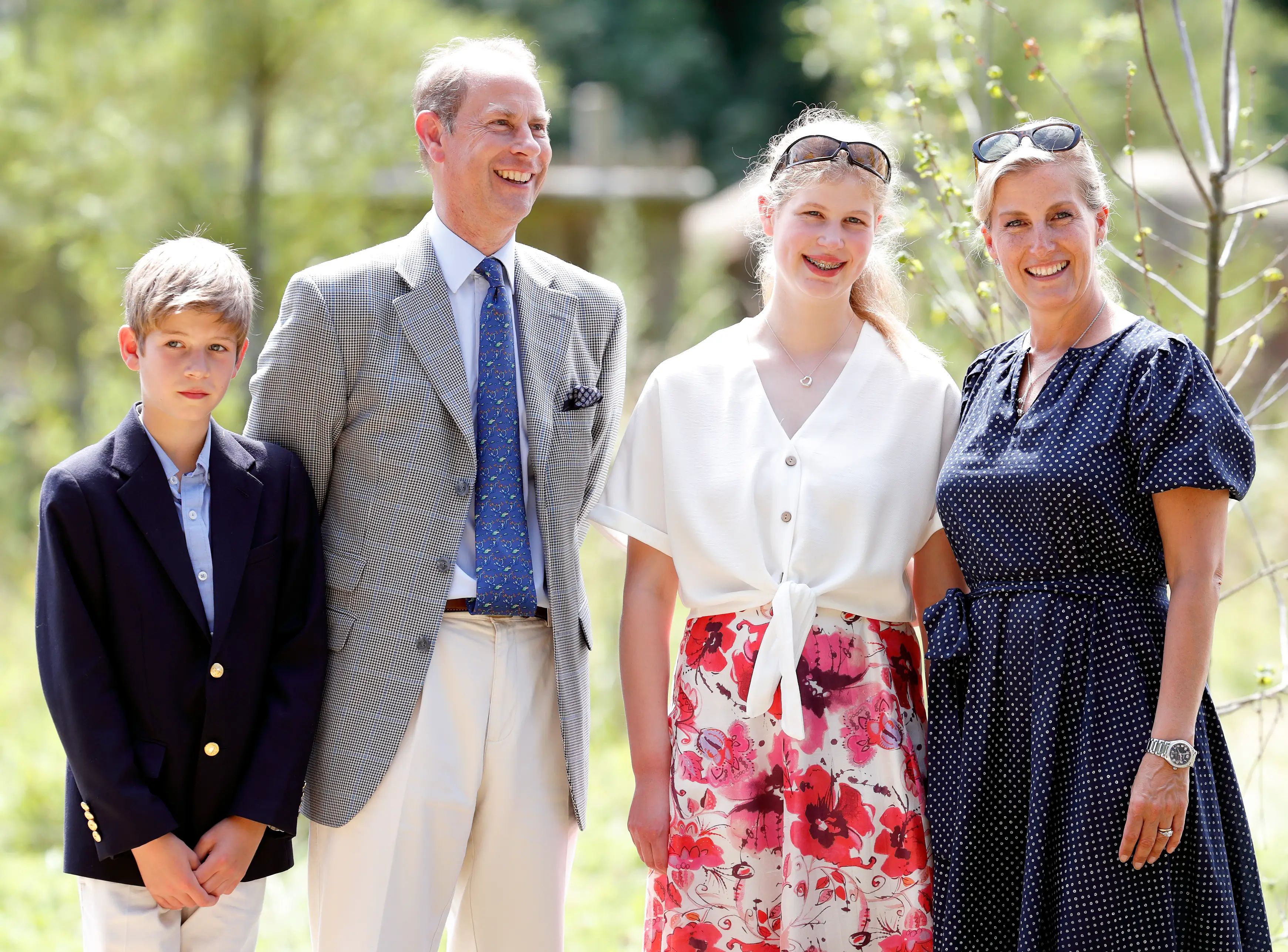
"Hence we made the decision not to use HRH titles. They have them and can decide to use them from 18, but it’s highly unlikely."
Topics: Royal Family, UK News
 Rhianna Benson