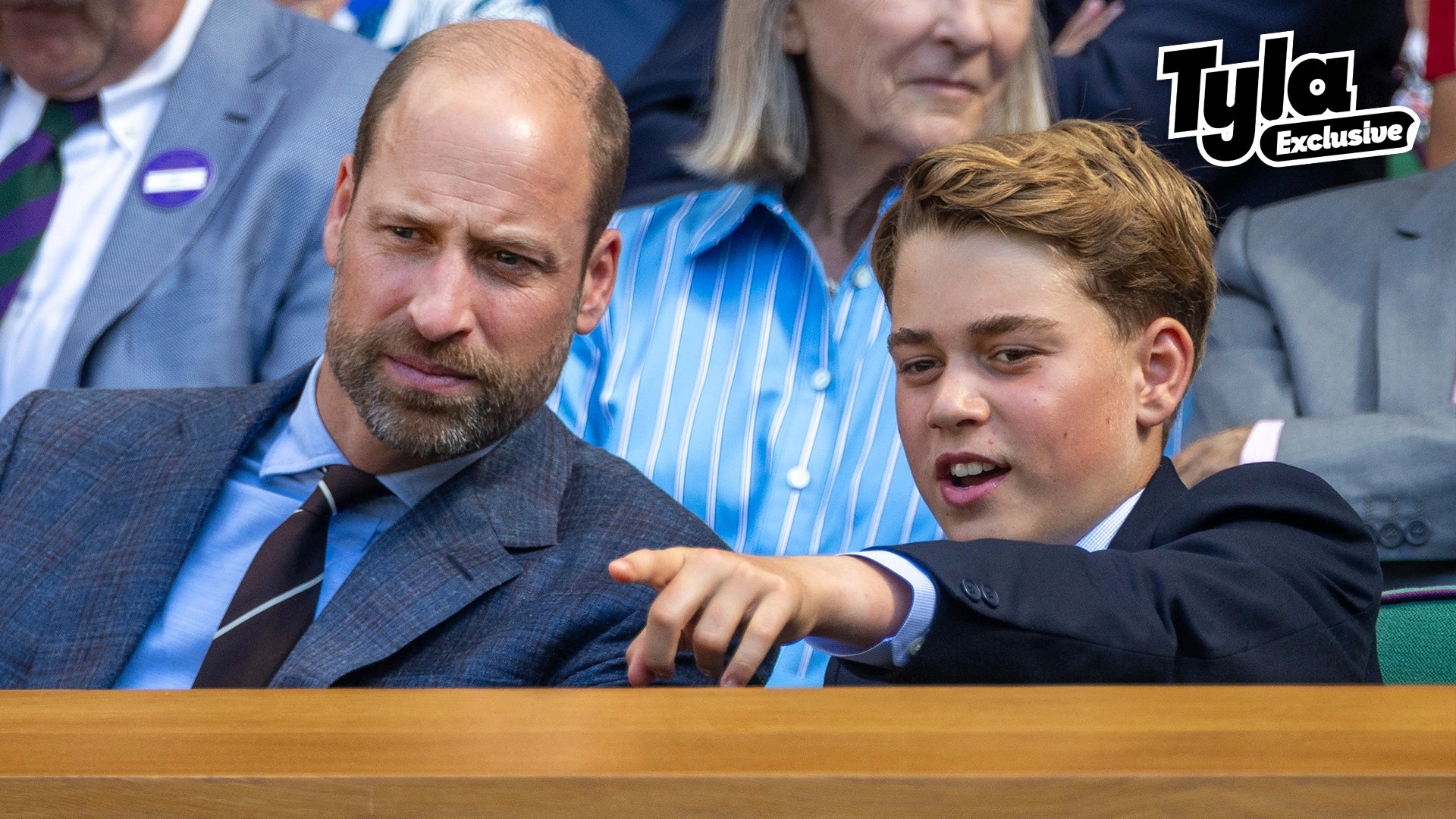
Key titles, wealth and residences Prince George will inherit as King - and what estates he won't own

With today marking his 13th birthday, Prince George is officially one year closer to inheriting the monarchy.
He won't just inherit glistening crowns and golden staffs and royal palaces, however, but also prestigious historic titles and a long list of responsibilities other children his age might never comprehend.
Former royal butler Grant Harrold, who worked for King Charles III between 2004 and 2011, says becoming King is about far more than privilege.
"Inheriting the crown has been described as a burden by many over the years," he exclusively told Tyla this week. "It is a responsibility that few have tried to get out of. I cannot imagine what it would feel like to have that weight on your shoulders."
Advert
Obviously, we're not expecting George to step up anytime soon. His father, Prince William, is next in line, and he's still only 44.
But there's no denying a growing public interest in what future Kings, like George, will inherit in the coming years, as well as how the monarchy is funded, and what belongs to the rules personally, versus the monarchy as an institution.

In response, Buckingham Palace has gradually become more transparent about royal finances. Since the Sovereign Grant was introduced in 2012, replacing the Civil List as the system used to fund the firm, the Royal Household has published increasingly detailed annual financial reports breaking down spending on official duties, travel, staffing and palace maintenance.
It has also produced an official guide to royal finances explaining the difference between public funding, private wealth, the Crown Estate and the Duchies of Lancaster and Cornwall.
More recently, George's grandfather, King Charles III, went a step further by authorising the publication of his personal tax payments for the first time in British history, revealing he has voluntarily paid more than £30 million in income and capital gains tax since becoming monarch. Prince William, meanwhile, also chose to disclose the amount of tax he paid through the Duchy of Cornwall in his first annual report as Duke of Cornwall.
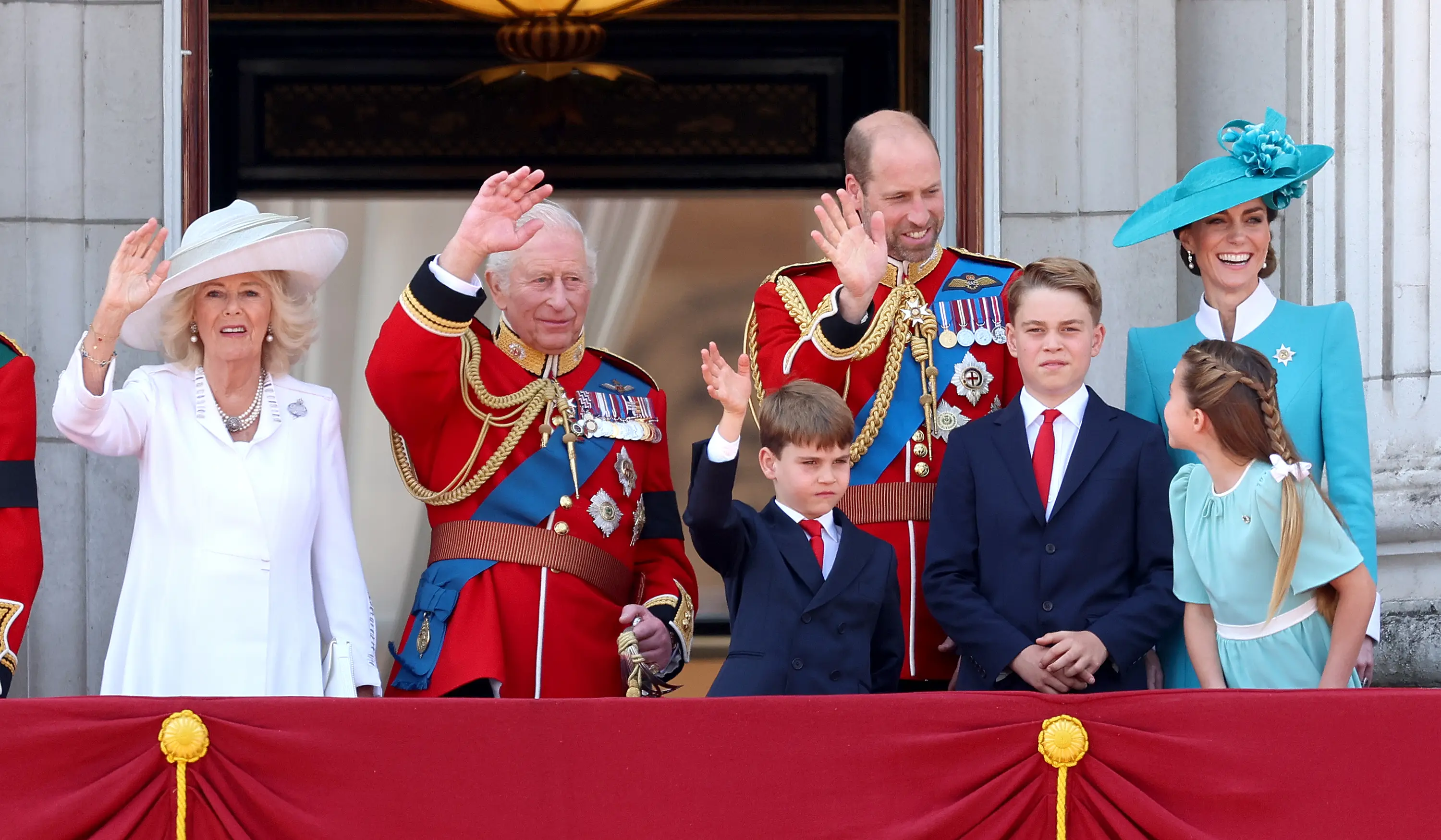
William, meanwhile, chose to disclose his personal tax bill from the Duchy of Cornwall last year.
By the time Prince George eventually ascends the throne, therefore, many royal commentators expect him to lead the most transparent monarchy in British history, with even greater public scrutiny over royal finances, assets and the institution's role.
Hence why there's so much interest in the things he'll inherit in the future. So, let's begin with...
The titles
Firstly, and perhaps most obviously, is that George will inherit the title 'King'.
He'll already have upgraded from 'Prince George of Wales' to the 'Prince of Wales' when his father becomes monarch, leaving the role vacant. In the same move, he'll inherit the titles of 'Duke of Cornwall' and 'Duke of Rothesay'. Again, currently held by William, these titles are traditionally reserved for the sovereign's eldest son in England and Scotland respectively.
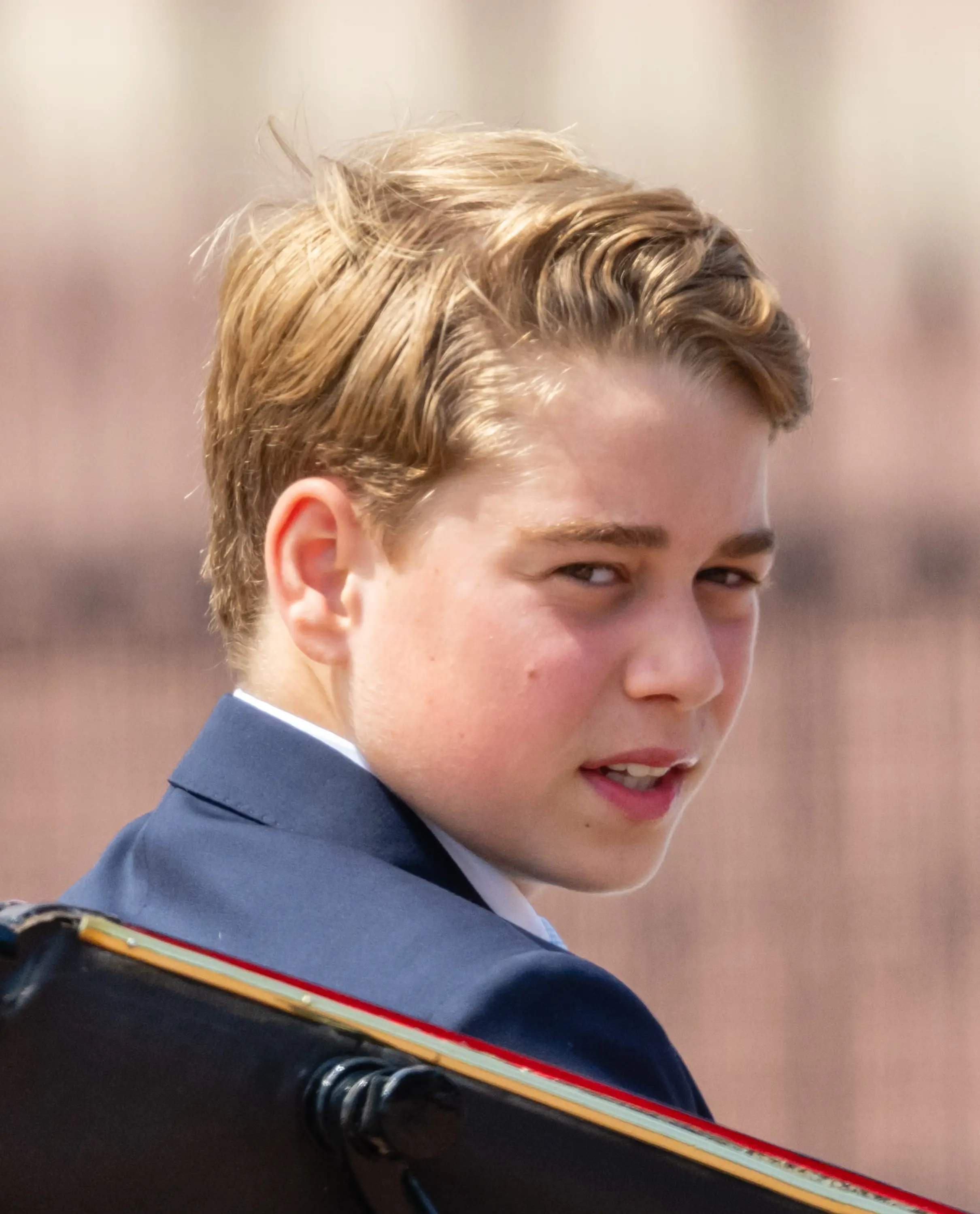
Once George does become King, however, he'll be given the freedom to choose his regal name. Sure, he could simply go by 'King George VII', continuing a name held by six of his ancestors, or he could jazz it up and opt for something different entirely.
He won't just be known as 'King' in Great Britain and Northern Ireland, however, but in other Commonwealth countries, where he'll serve as both Head of State and Head of the Church of England.
George will also become Head of the Armed Forces, a symbolic and constitutional role which will primarily see him receiving allegiance from service personnel, commissioning officers, formally declaring war or peace (though, hopefully, none of the former), and acting as the ultimate figurehead for morale, ceremonial duties and memorials.
According to Harrold, George has effectively been preparing for this role his entire life.
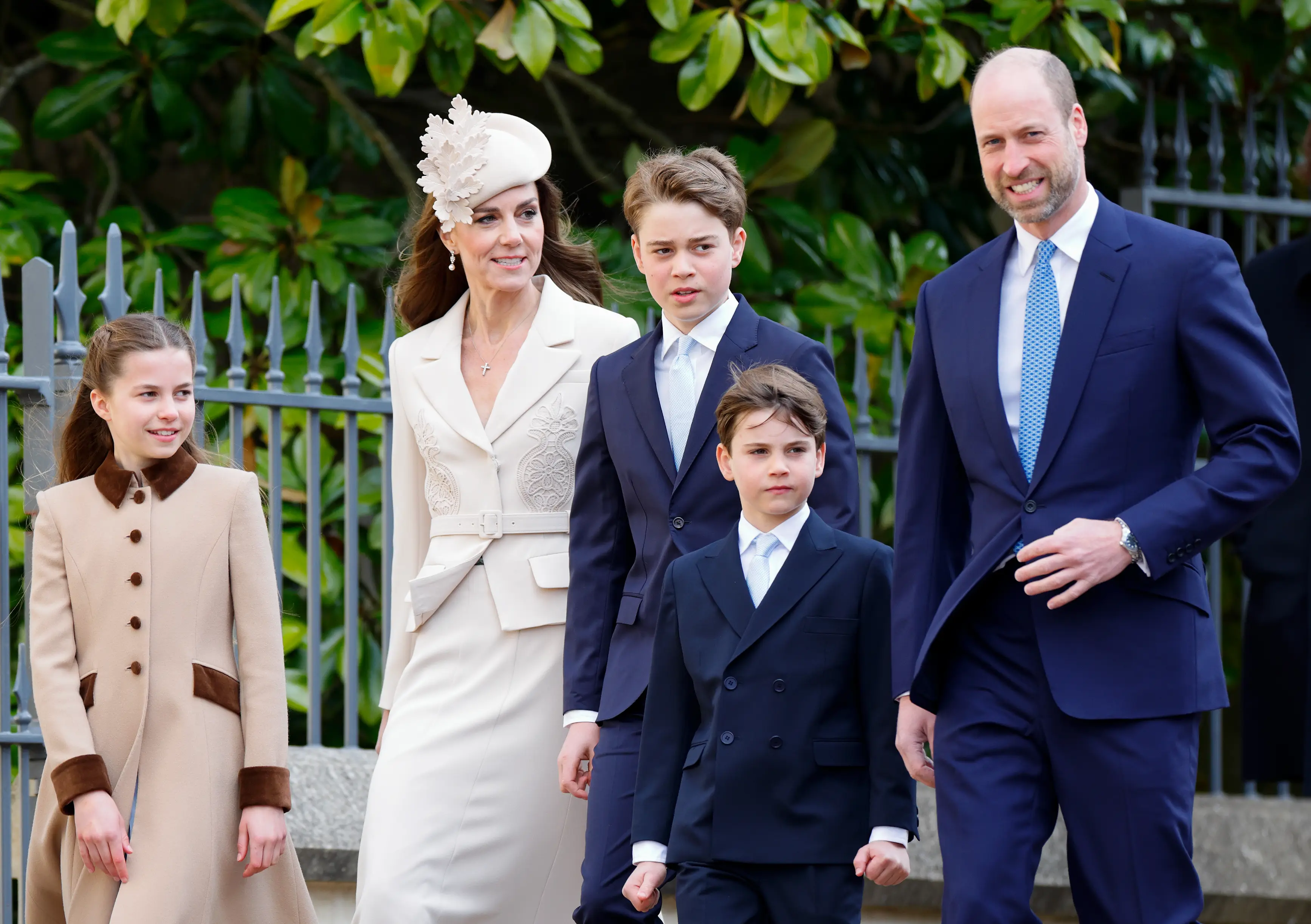
"I have witnessed first hand how their lives are laid out and mapped for them, years before they can make any decisions on their own," he claimed. "George’s upbringing is focused completely on the fact he will one day be king.
"Kate and William will of course work to give him ‘normal’ childhood experiences, but there is no getting past the fact his destiny is already set."
The fortune
Prince George may one day be associated with unfathomable wealth, but his royal fortune is unlike that of any Tesla boss or Amazon CEO.
Rather than inheriting vast sums of money to spend as he pleases, he'll become the custodian of some of Britain's most valuable assets, the main one being the Duchy of Lancaster.
This describes a centuries-old portfolio of farmland, commercial property and investments that has provided private income to the Royal Family since 1399. At the moment, it's understood to be worth a staggering £650 million and generates an annual surplus of around £27 million.
There's a catch, however. George can't just flog the Duchy, or split the earnings he gets from it with siblings Charlotte and Louis.
The Duchy is held by the monarch in right of the Crown, meaning it passes from one sovereign to the next.
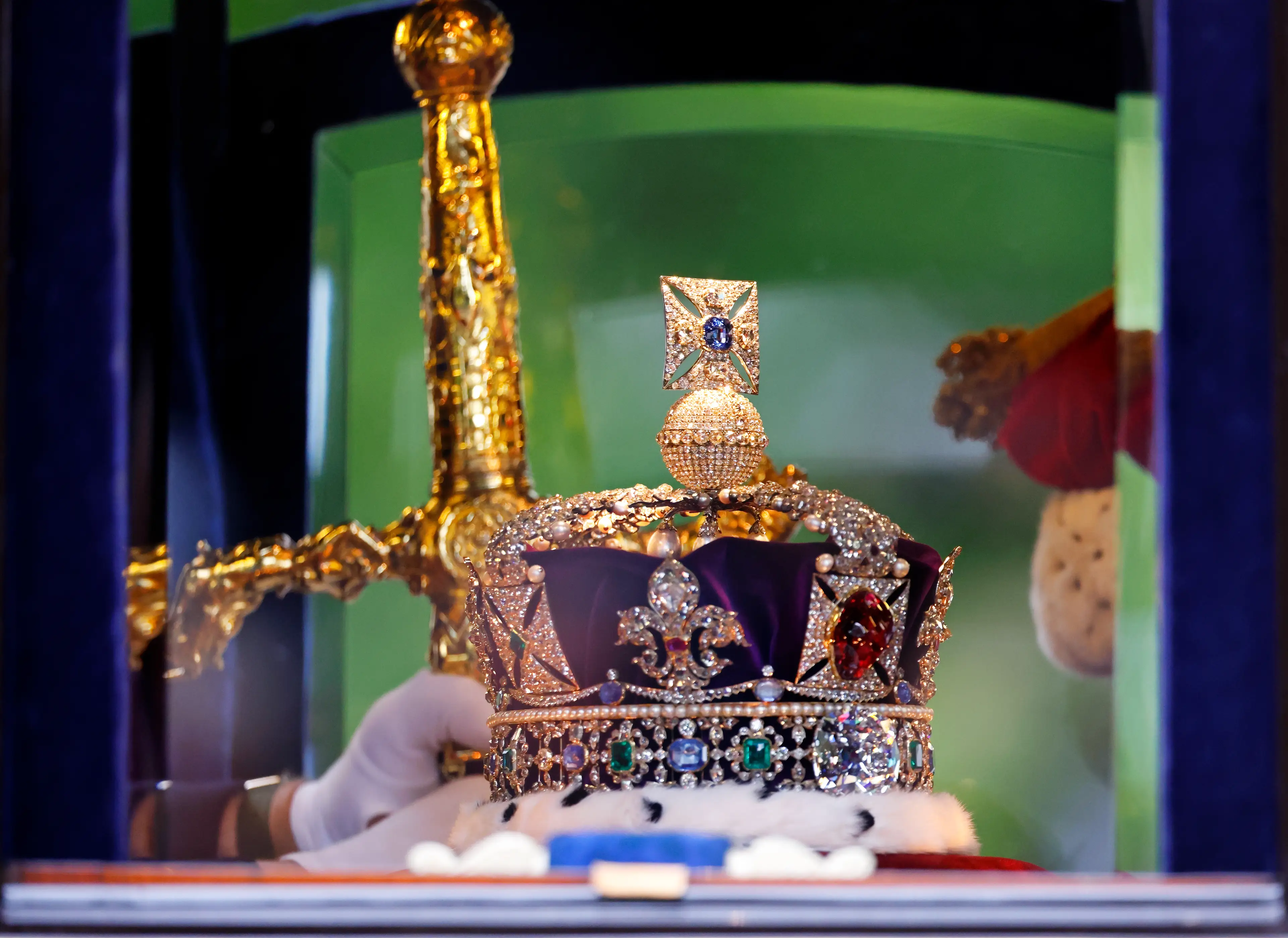
Aside from that, George will also become responsible for some of the world's most famous treasures, including the legendary Crown Jewels.
That's right, over 23,000 gemstones, featuring the Imperial State Crown and the Sovereign's Sceptre with Cross - the latter of which contains the Cullinan I diamond, the largest clear-cut diamond ever found - will fall under George's jurisdiction.
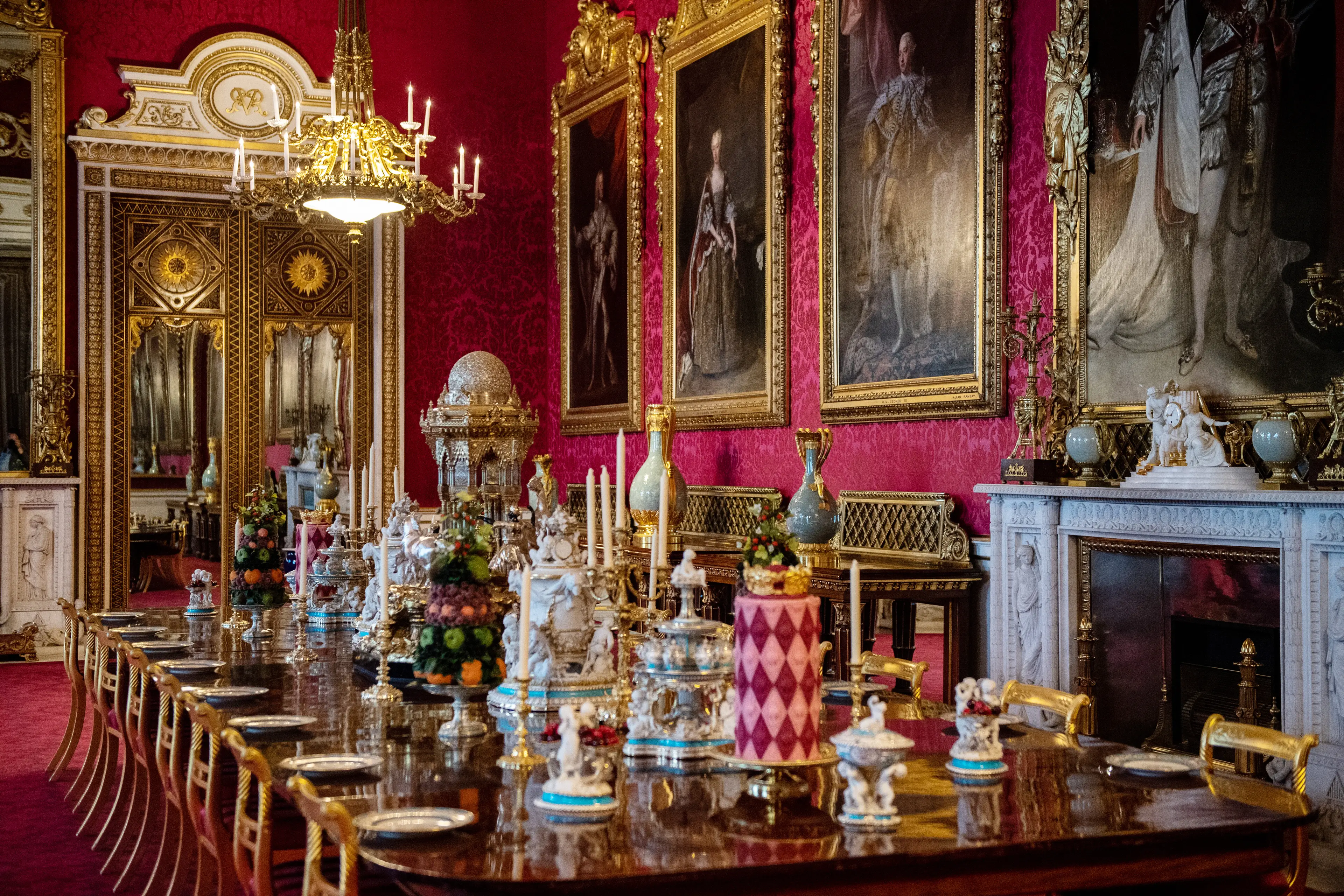
Then, there's the Royal Collection, an astonishing cohort of more than a million objects, including works by artists Leonardo da Vinci, Rembrandt, Vermeer and Michelangelo, alongside historic manuscripts, rare books, ceremonial objects and very vintage furniture.
It's vital to note here, however, that while their combined value is virtually impossible to calculate, none of these treasures will belong to George personally.
Instead, they're held in trust for future generations, meaning George will act more as their guardian than their owner.
"The royal jewellery collection isn’t owned by Charles personally, but by the Monarch," Harrold said. "This means that whoever is Monarch controls them, rather than the person individually.
"However, the family have huge personal jewellery collections, which they own and can therefore do whatever they want with, for example the women’s engagement rings."
The residences
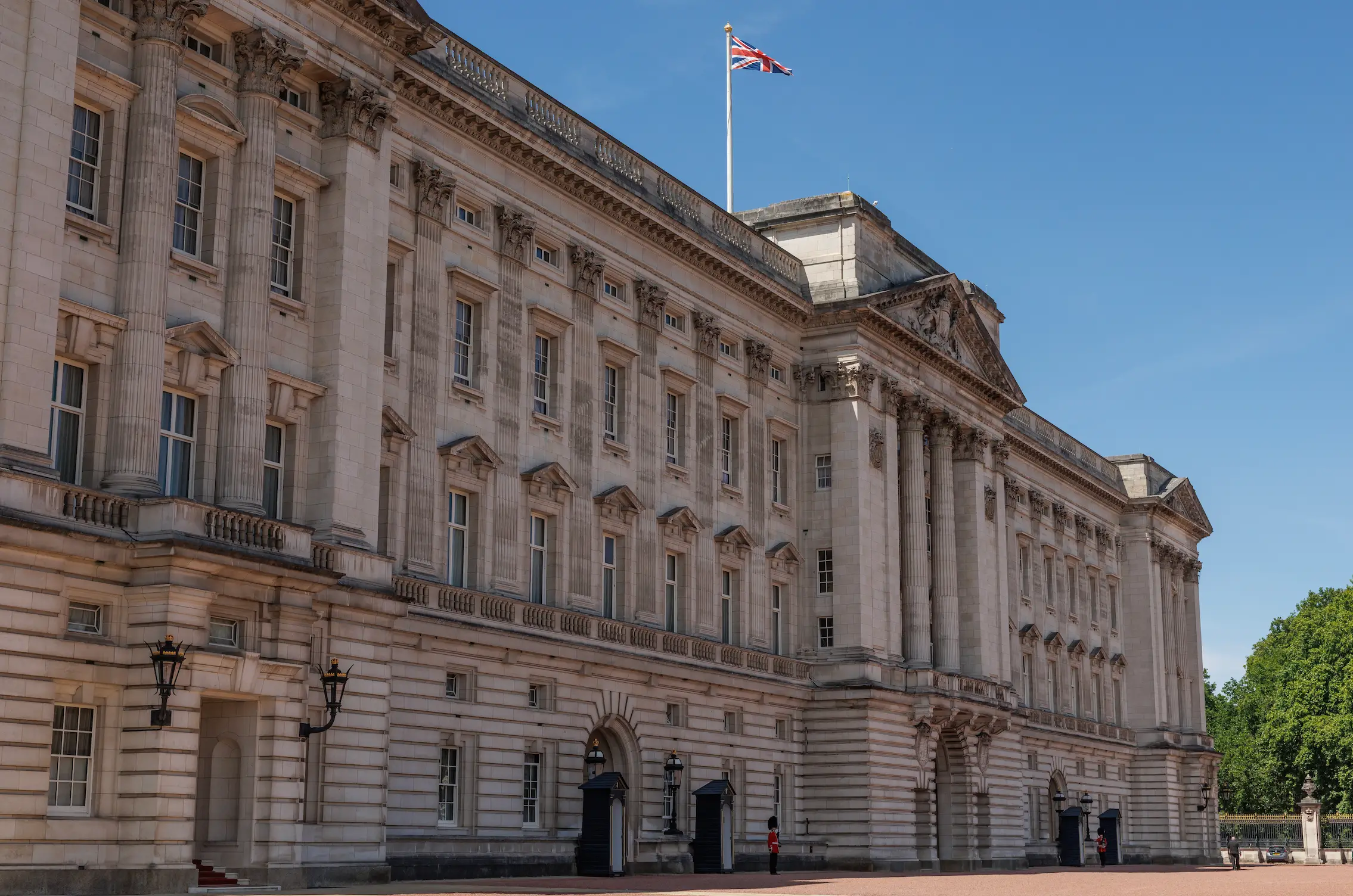
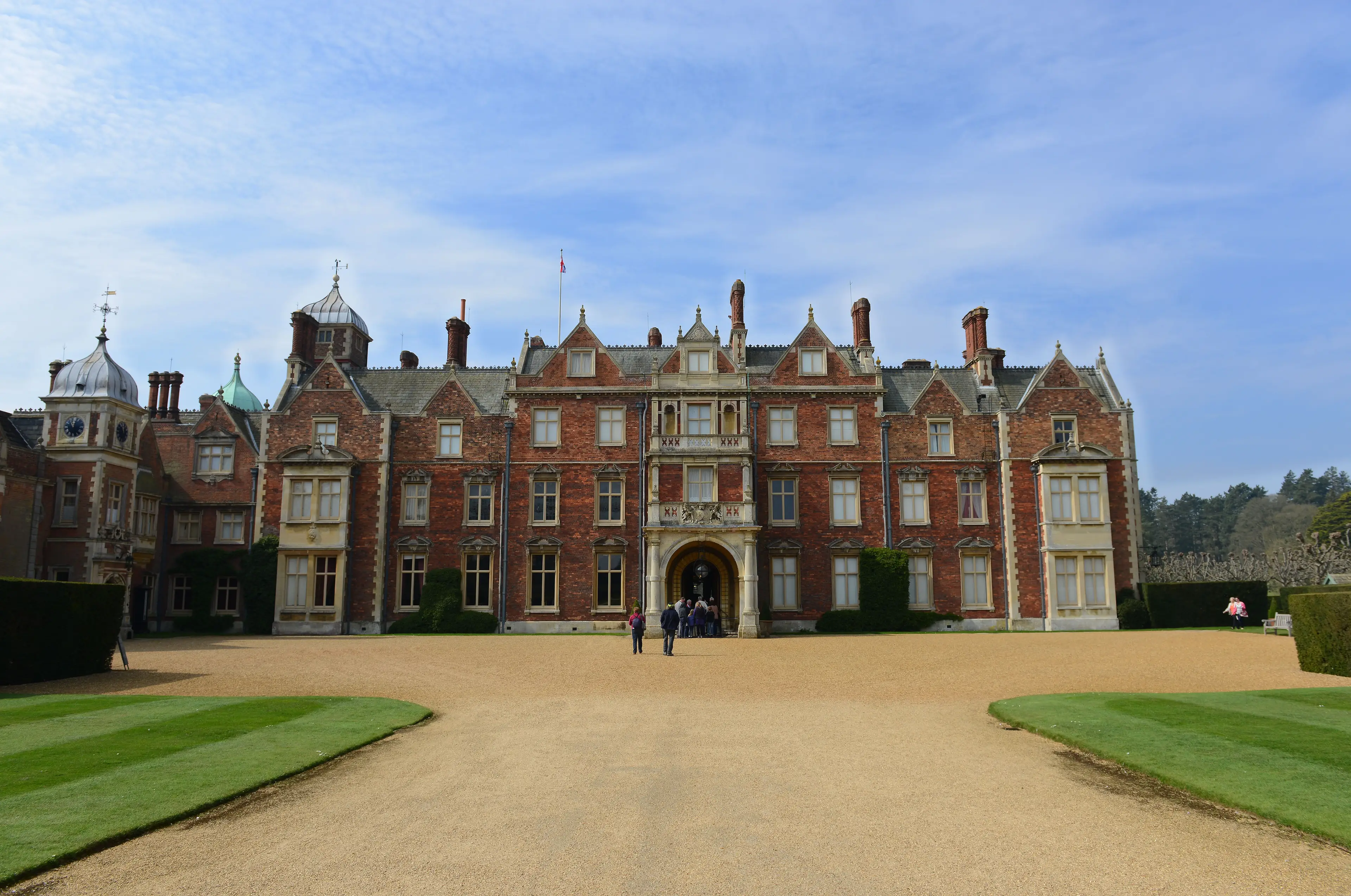
Naturally, becoming the King will see George receive the keys to Buckingham Palace, amongst a number of other royal residences.
It's probably worth mentioning, however, that these properties are less like luxury family homes and more like antique working headquarters.
As mentioned, there's Buckingham Palace, with its astonishing 775 rooms, 52 royal and guest bedrooms, 188 staff bedrooms, 92 offices and 78 bathrooms, where state banquets and official receptions take place.
Then, there's Windsor Castle, the oldest and largest occupied castle in the world, which has been home to monarchs for almost 1,000 years and remains a favourite royal retreat.
There are also some non-official residences that George will own privately, meaning they'll pass down to his own little ones when the time comes. These include Sandringham House in Norfolk and Balmoral Castle in Scotland.
Again, it's worth remembering that George won't technically 'own' many of these iconic buildings himself - he can't just add a wing or build a games room.
Buckingham Palace and Windsor Castle are held by the Crown and pass automatically from one monarch to the next.
Harrold says this distinction is something the public frequently gets wrong.
"Different types of royal properties have different rules," he continued. "Balmoral and Sandringham are two private properties that belong to the King.
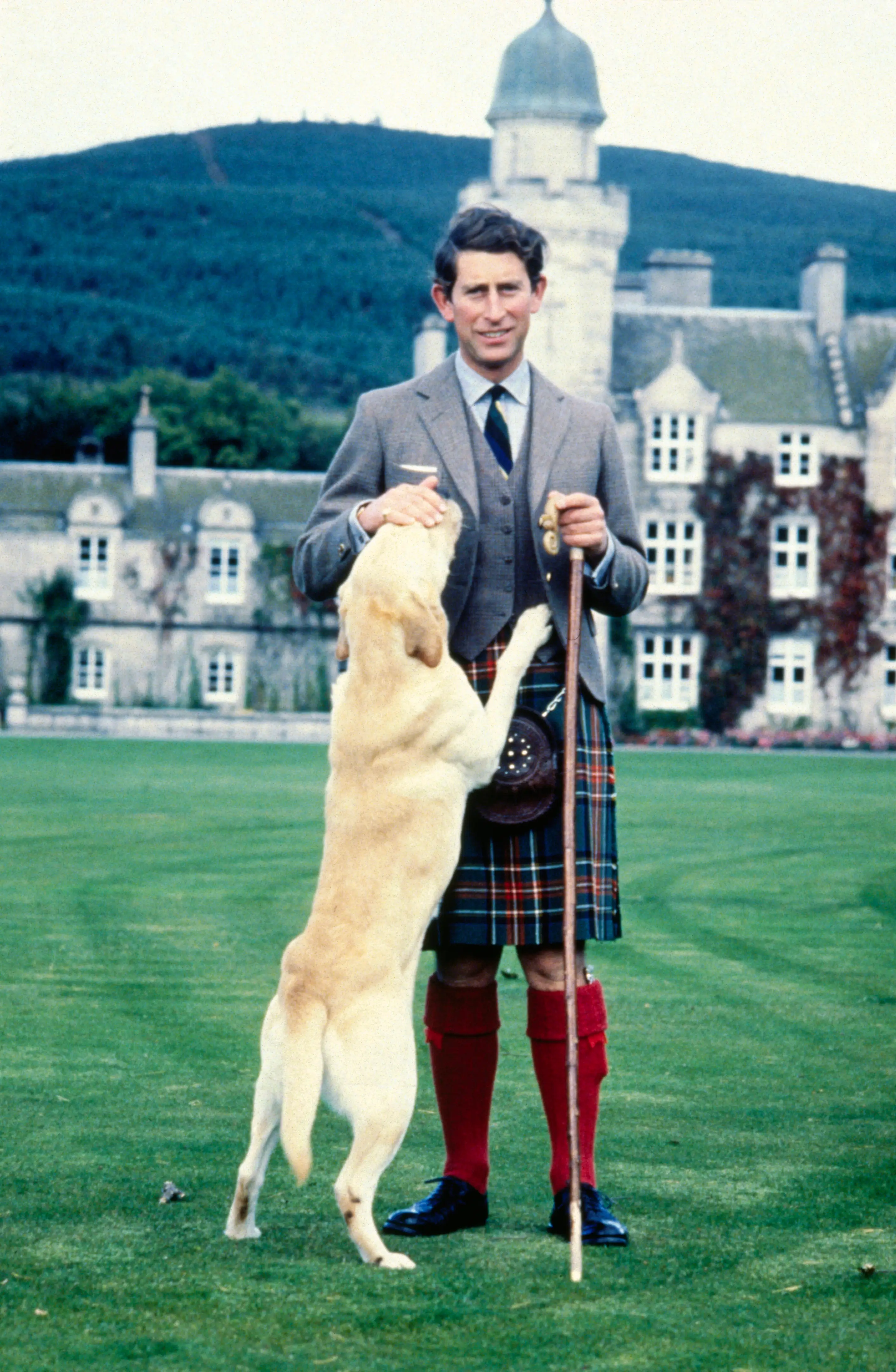
"They have been passed down the royal generations in the same way normal wealthy people pass down land to their children and grandchildren."
He added, however: "The more formal royal properties, for example Buckingham Palace, are different. People assume the King owns all the royal estates, which is simply not true. He is a custodian, and they are technically owned by the people.
"The properties are all held in a trust; he cannot just sell them. This means that while Prince George could sell off Balmoral when he becomes King (although I can’t imagine this would ever happen), he couldn’t just pop Buckingham Palace on the market to make a quick buck."
Harrold added: "These castles have been around for hundreds of years. Kings and queens used to purely live in them. Nowadays, the family is much more open to living in smaller, more intimate houses. They have to keep and maintain all the properties, as it comes with the job.
"We expect our monarchs to reside and host in these venues, so we do still need them."
The responsibilities
You'd be hard-pressed finding a job listing for the 'King' position - you know, given that it tends to run in the family.
As such, the main responsibilities of the monarch remain something of a mystery to many people.
And if the glitz and glam we've discussed so far has tricked you into believing running the monarchy will be a walk in the park, wait until you've caught wind of George's upcoming responsibilities.
From what we know about how the role has been handled by his ancestors, in a political sense, George will be responsible for formally approving laws via Royal Assent, opening new sessions of Parliament, and appointing the Prime Minister.
He'll meet with the country's leader once a year during what is described as an 'audience', to be briefed on both government matters and state affairs.
All bills passed by Parliament must be formally approved by George before they can become law.
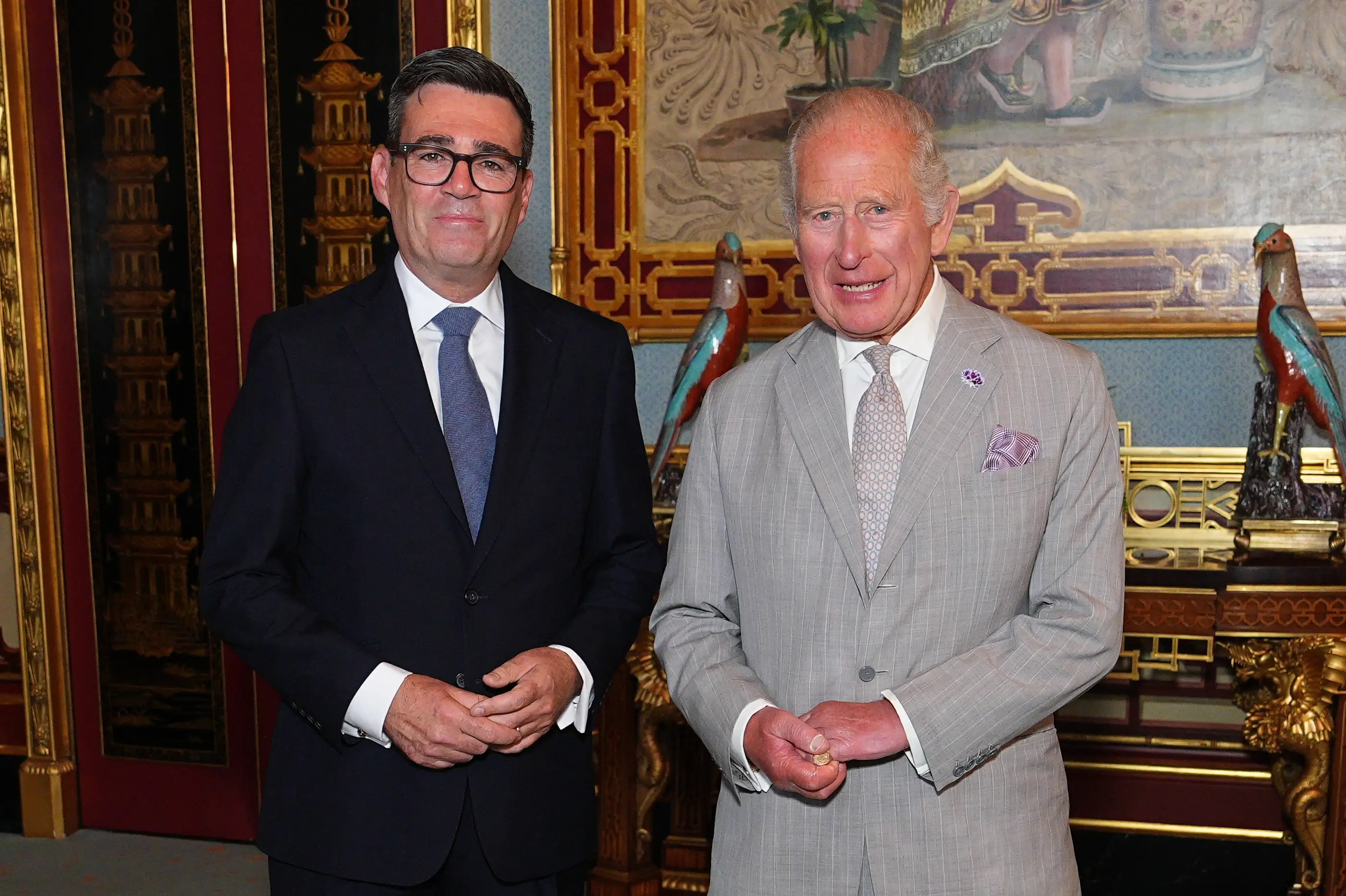
Also, each year, the King marks the start of the parliamentary year by delivering the King’s Speech in the House of Lords, which outlines the government’s legislative plans - a responsibility George will undoubtedly take on.
As a figurehead, the youngster will also perform public and voluntary service by conferring titles, medals, and honours, such as the New Year Honours, and he'll broadcast special messages to the nation, most notably at Chrimbo.
The King also hosts visiting Heads of State and represents the UK on international state visits, meaning when Donald Trump VI is undoubtedly elected as President in the coming years, it'll be on Georgie to host him.
Above all, however, George will spend much of his life carrying out public engagements, supporting charities, meeting world leaders and representing the UK during some of its most significant moments.
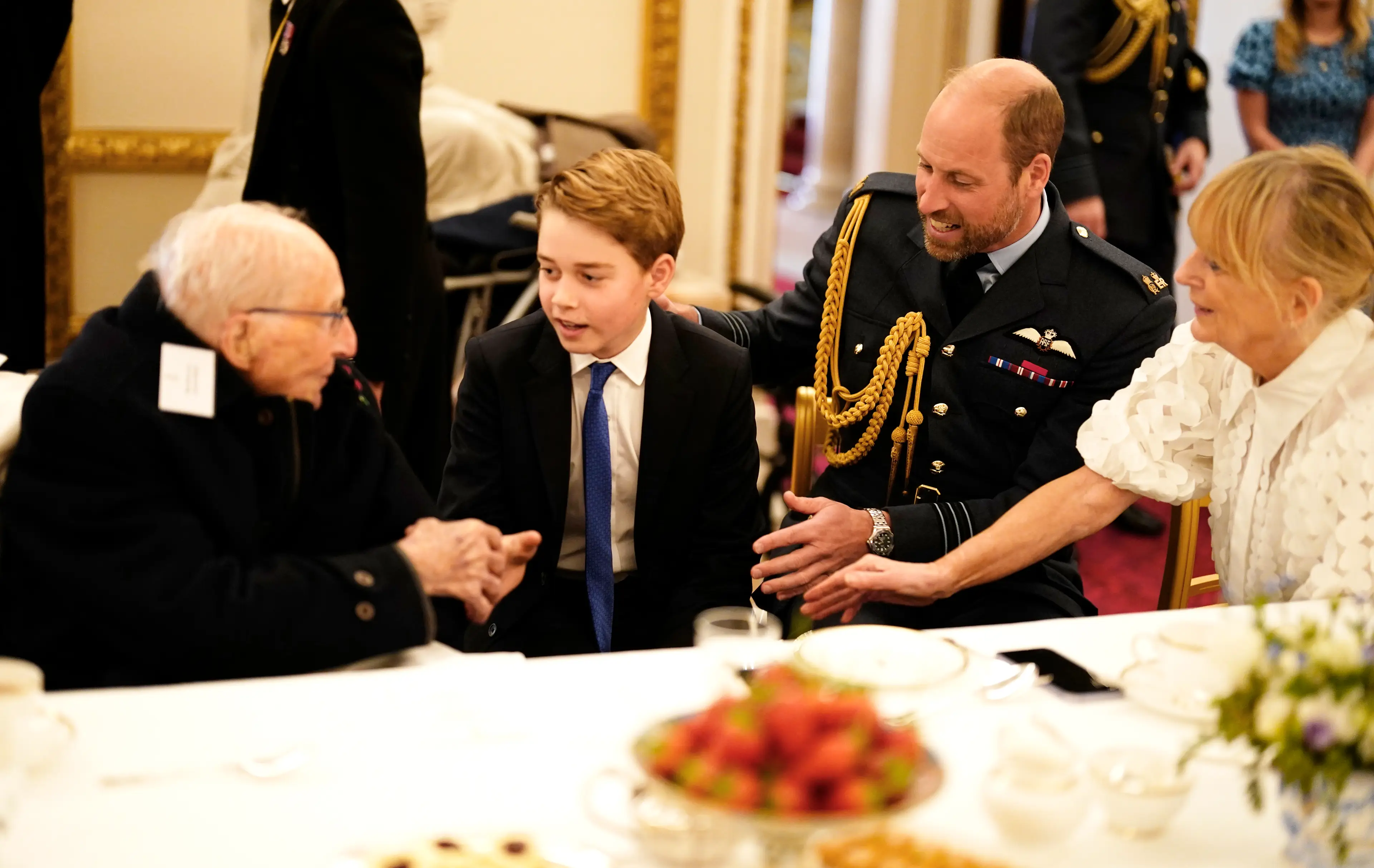
He'll attend artistic or sports performances or competitions, expositions, national day celebrations and remembrance events, prominent funerals, and will make it a priority to meet with people from different walks of life.
Harrold says that while George will inherit extraordinary privilege, people often underestimate what comes with it.
"This is, of course, a privilege; such a role comes with great perks," he said. "George will get to do countless things the rest of us couldn’t even dream of. However, there is a lot behind the scenes that people don’t fully understand.
"The lack of privacy, gruelling schedules, not having a say in what you want to do. The upsides are you are financially looked after, you live in castles and get to attend glorious events and meet amazing people."
For Harrold, a monarch's sense of duty has evolved over time, with William and Kate seemingly helping shape a more modern approach to royal life that George is likely to continue.
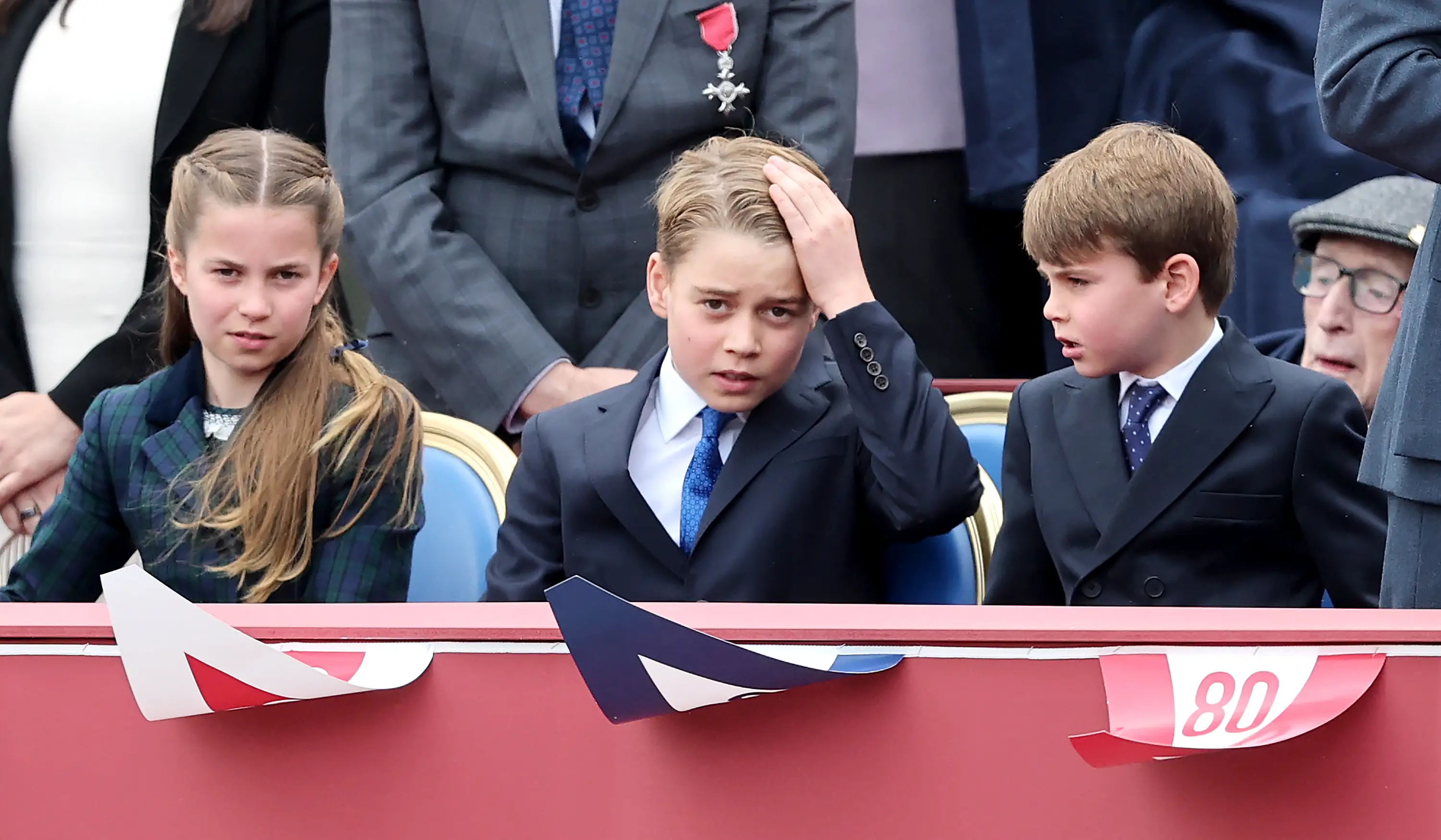
"There is a sense of duty. I wouldn't say it outweighs personal freedom," he concluded. "William and Catherine have always put family before the crown, which is not a bad thing. I think that is the future of the monarchy - family first.
"That being said, the crown is still a responsibility and duty that they need to undertake."
Topics: Prince George, Royal Family, UK News, Money, News
 Rhianna Benson