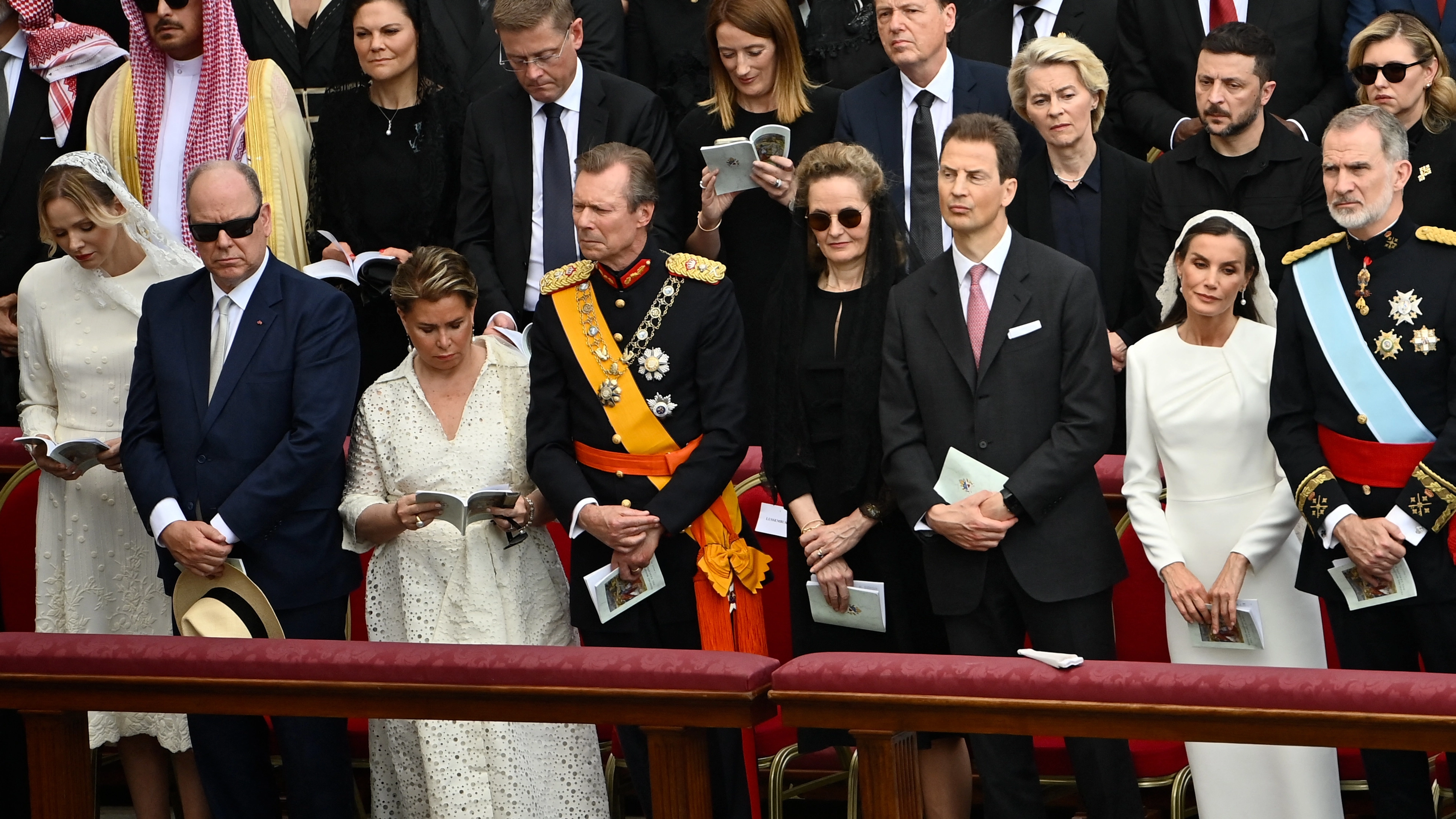
Tiny European country puts an end to 600-year-old royal tradition - marking historic change to the monarchy

One tiny European country has just made a rather major change to its royal rulebook - and, honestly, it's about time.
After centuries of men being favoured when it comes to inheriting the throne, women will now officially have the same right to become monarch.
The historic move means that, in future, the first-born child could inherit the crown regardless of whether they are a boy or a girl.
It might sound like a small change on paper, but when it comes to royal succession, changing the rules is kind of a big deal.
Advert
And while we won't be seeing a woman suddenly take the throne tomorrow, the decision marks a major break with a long-standing tradition.
We are, of course, talking about Liechtenstein.
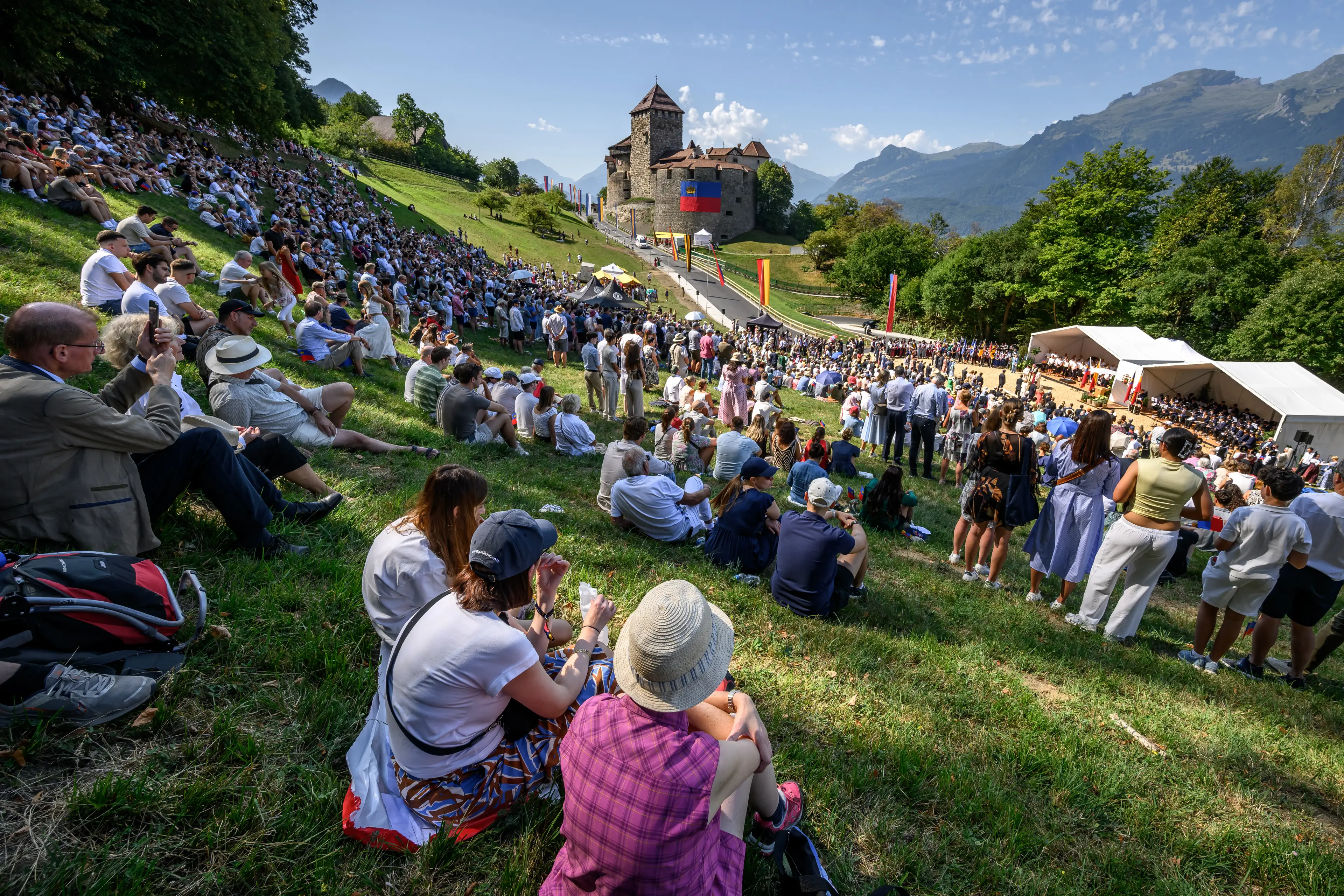
The tiny European principality, tucked between Austria and Switzerland, announced the change on 15 August, the country's National Day.
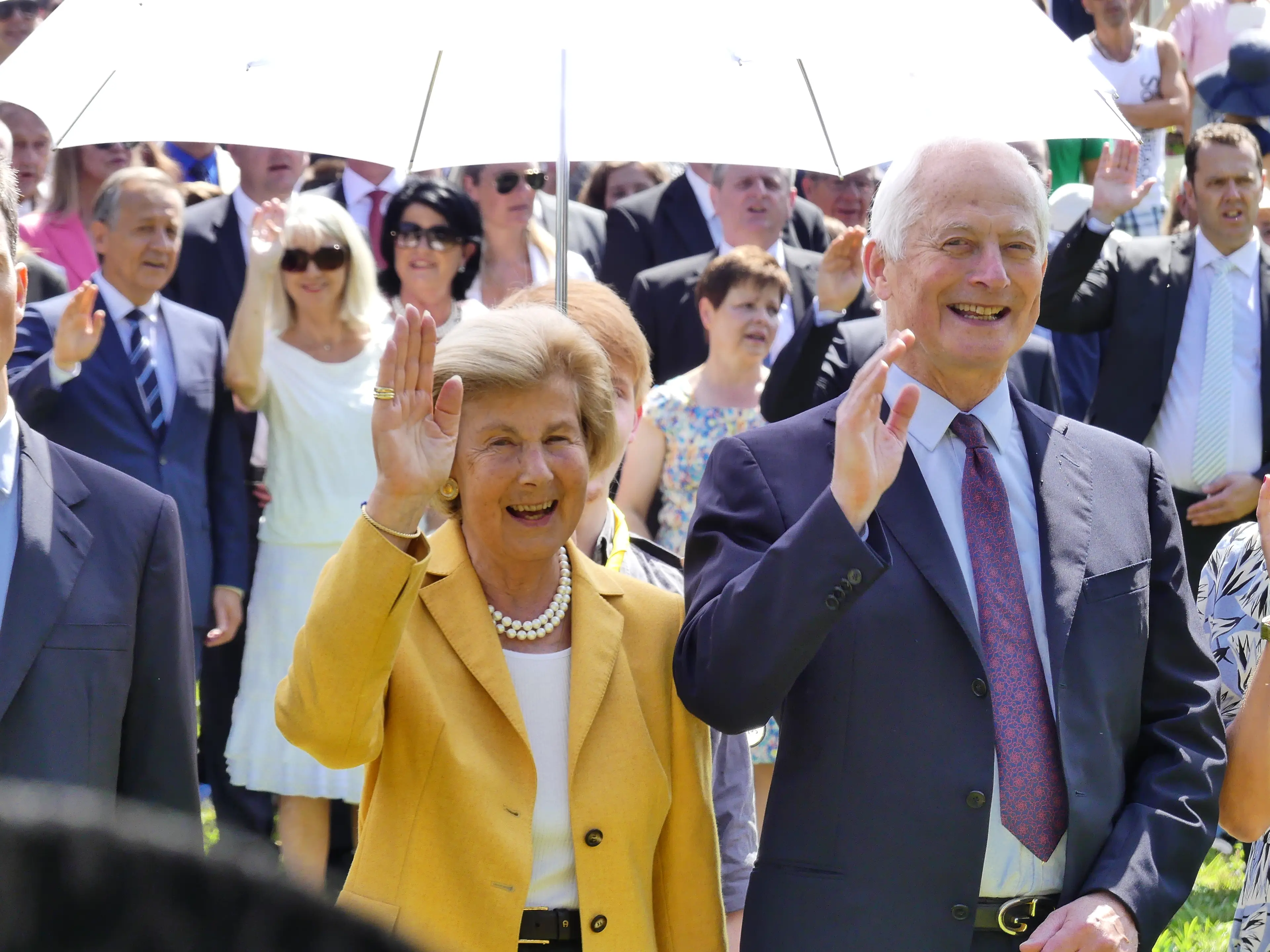
Hereditary Prince Alois, the son the of the current ruler, Prince Hans-Adam II, confirmed that the amendment had been approved by the required two-thirds majority of eligible members of the Princely House.
Previously, Liechtenstein followed a system of male-preference primogeniture, meaning male descendants were prioritised in the line of succession. Under the new rules, however, the country will move towards absolute primogeniture, meaning the eldest child can inherit regardless of their sex. So, yes, finally, daughters are finally getting a seat at the royal succession table.
The Princely House said the change was intended to combine 'continuity and renewal', while Alois said the throne should ultimately go to the person 'who has been best prepared for this responsibility'.
In an official statement, it was announced: "Dear citizens of Liechtenstein, the ability to combine continuity with renewal is a principle we also uphold within the Princely House.
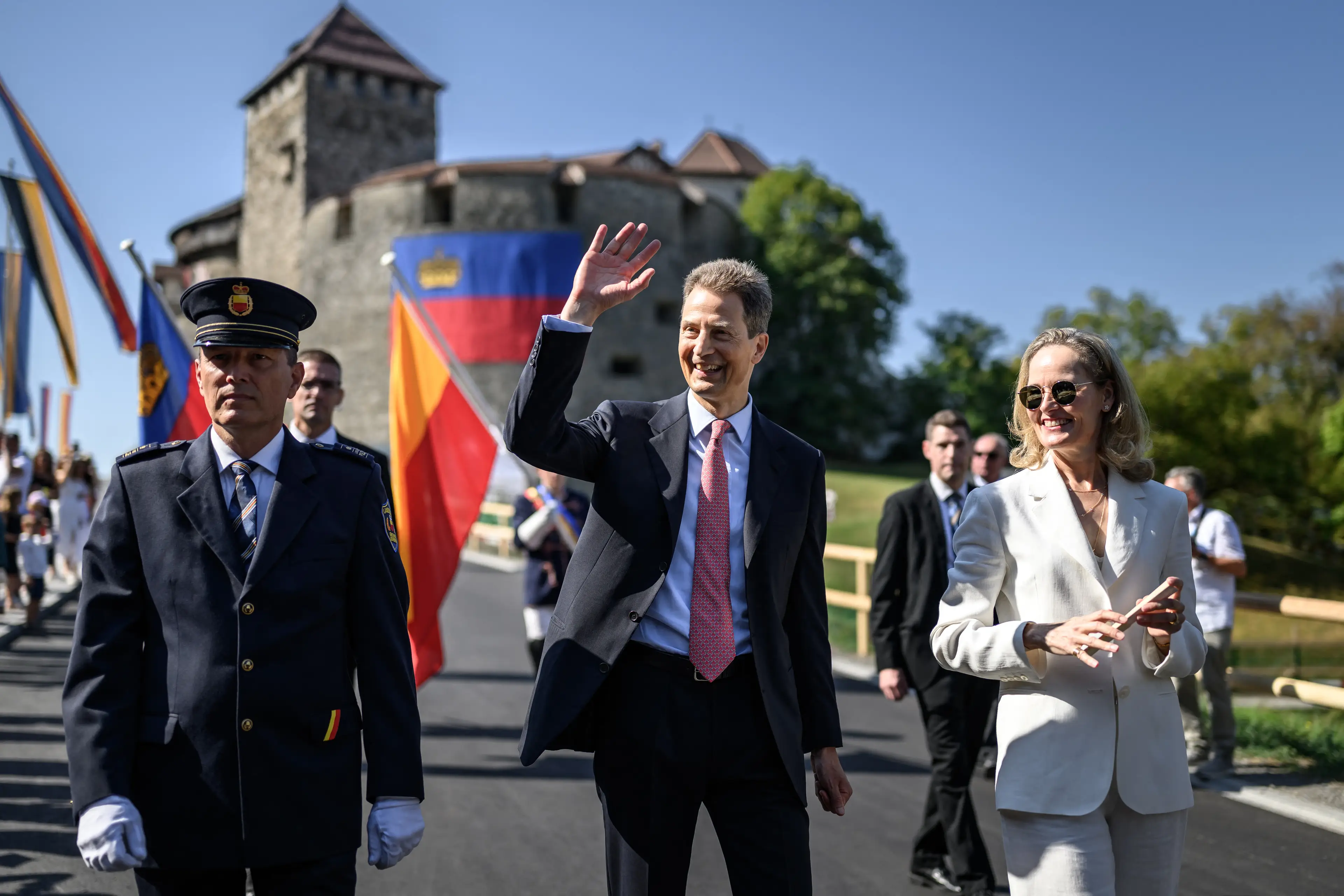
"Throughout our centuries-long history, we have benefited greatly from making decisions with a long-term perspective and careful deliberation."
The spokesperson for the Palace added: "I am pleased to inform you today of a decision of great importance to our House - one that has been discussed within the family, in part, for decades. It entails an amendment to the House Law; concrete work on this began late last year, and on Wednesday, it secured the necessary two-thirds majority among family members entitled to vote.
"This amendment grants all female descendants of the Princely House the same rights of participation in matters concerning the House Law as their male counterparts."
They concluded: "Furthermore, the order of succession is shifting from male primogeniture to absolute primogeniture. This means that, in the future, the firstborn child - regardless of gender - will become the heir to the throne and, subsequently, the Princess or Prince of Liechtenstein."
There's a caveat, however.
There won't be a woman sitting on Liechtenstein's throne any time soon, being that Alois's eldest child is a male - Prince Joseph Wenzel. His second and third children were also boys - Princes Georg and Nikolaus.
Prince Joseph, however, remains first in line to succeed his father, meaning the new rules will instead apply to future generations.
Despite this, the succession change brings Liechtenstein into line with a wider European trend, with several other monarchies already having scrapped male preference in favour of gender-neutral succession.
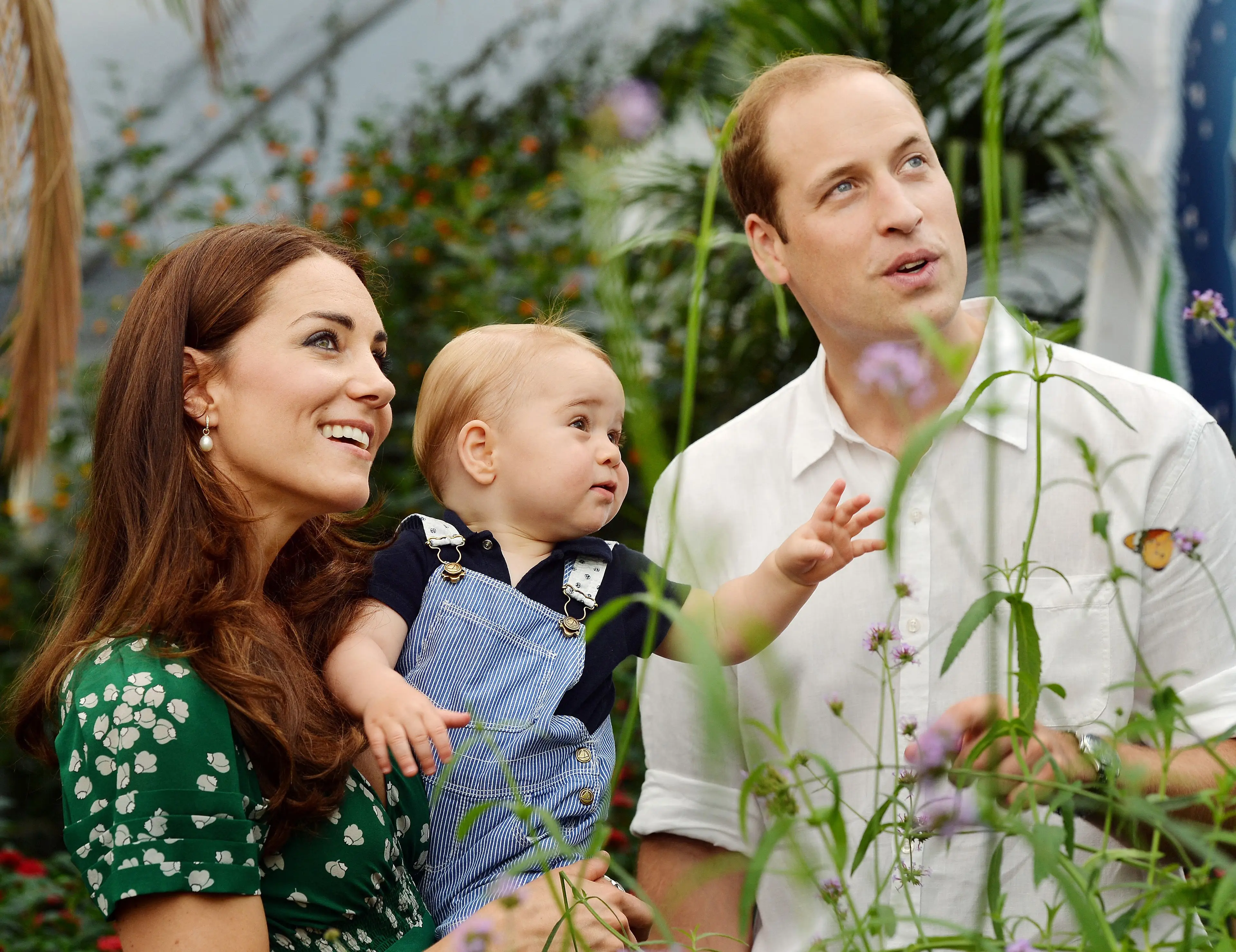
In the UK, the Succession to the Crown Act came into play in 2013 ahead of the birth of Prince George, allowing for a daughter to inherit the crown from Prince William in the years to come.
Meanwhile, Sweden, Belgium, the Netherlands and Norway have also allowed the eldest child to inherit regardless of gender.
And while Liechtenstein's announcement might not have quite the same global impact as a British royal wedding or coronation, it is still a significant moment for the tiny Alpine nation.
Women in the country only gained the right to vote in 1984, making Liechtenstein the last country in Europe to introduce female suffrage at the national level.
And despite its tiny size and a tiny population of only around 40,000 people, Liechtenstein has a surprisingly powerful monarchy, with the country's Prince retaining considerably more political power than many European monarchs.
He plays a role in the legislative process and has the power to sanction laws, meaning the Liechtenstein monarchy is far from being purely ceremonial.
Topics: World News, News, Royal Family, Europe
 Rhianna Benson