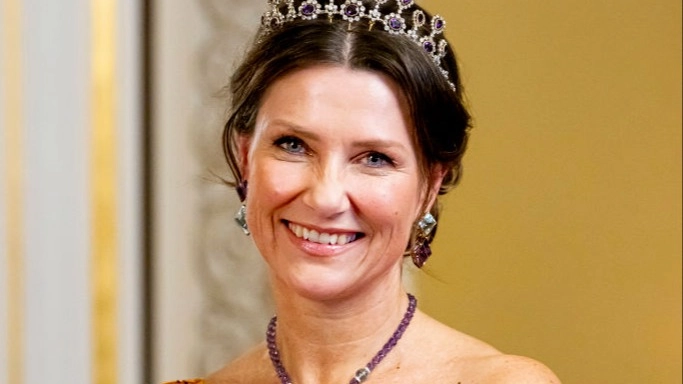
Reason why King Harald’s eldest child Princess Märtha Louise didn’t take the throne despite rule change

King Harald V of Norway passed away peacefully at Oslo University Hospital Rikshospitalet at 6.35 am on Friday (28 August), according to the Norwegian Royal Court.
The 89-year-old's death means his son, Crown Prince Haakon, succeeds him as King Haakon VIII.
But there is a slightly confusing detail in the Norwegian line of succession given that Haakon was not Harald’s first child. That was his elder sister, Princess Märtha Louise.
So why didn’t she inherit the throne?
Advert
The answer comes down to when Märtha Louise was born.
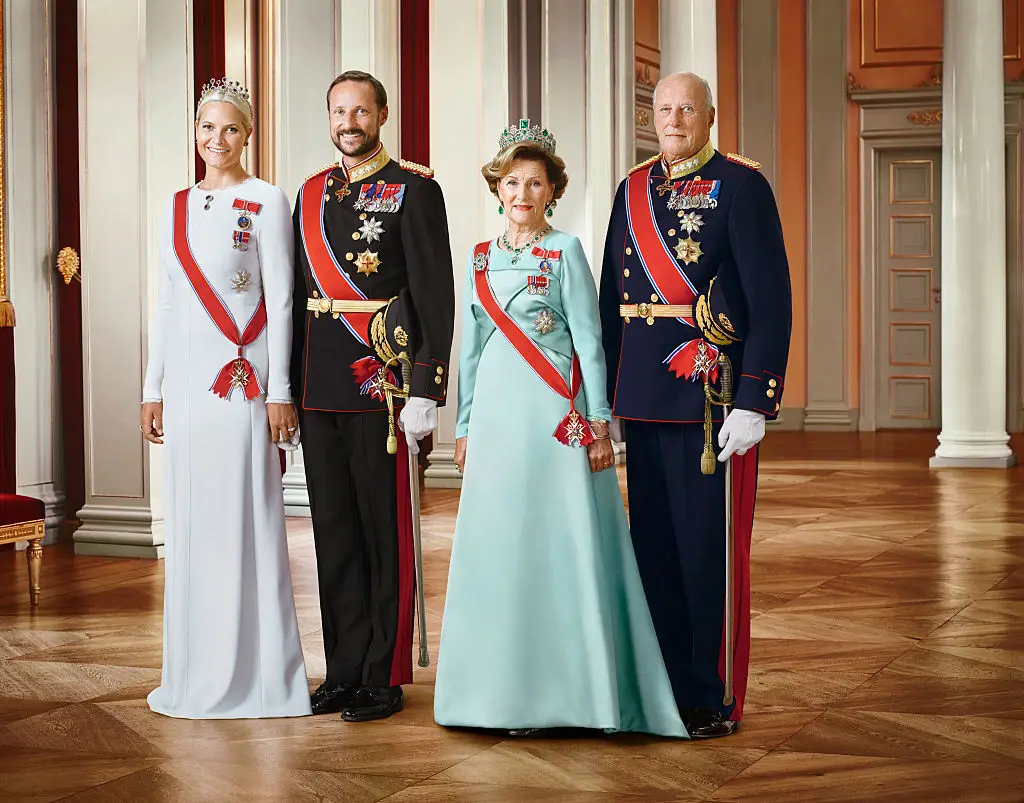
Märtha Louise was born in 1971, more than 18 years before Norway changed its succession rules. At the time, the Norwegian constitution still followed male-preference primogeniture, meaning a son would take precedence over an older daughter.
That changed in 1990, when the Storting amended the constitution so that the eldest child, regardless of gender, would take precedence in the line of succession.
There was a catch, however, as the new rule was not applied retrospectively.
The Norwegian Royal Court explains that the 1990 amendment meant the eldest child would take precedence regardless of gender, but 'for those born before this amendment entered into force, the former rule, under which men take precedence over women, continues to apply'.
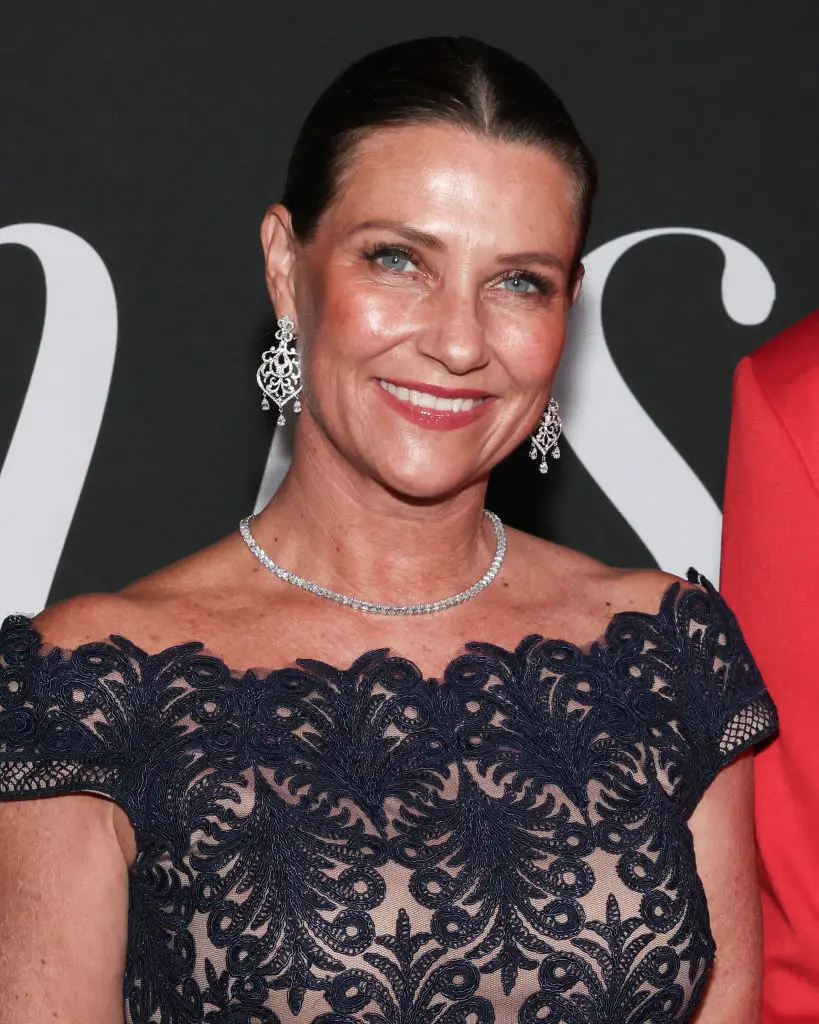
That left Märtha Louise in a rather unusual position.
She was the elder child of Harald and Queen Sonja, but because she had been born before the constitutional change, her younger brother remained ahead of her in the succession.
Haakon was born in 1973, meaning he was also born before the 1990 change. Yet because he was male, he retained his position ahead of his older sister under the transitional rules.
The same principle now explains why Haakon’s daughter, Princess Ingrid Alexandra, is ahead of her younger brother, Prince Sverre Magnus.
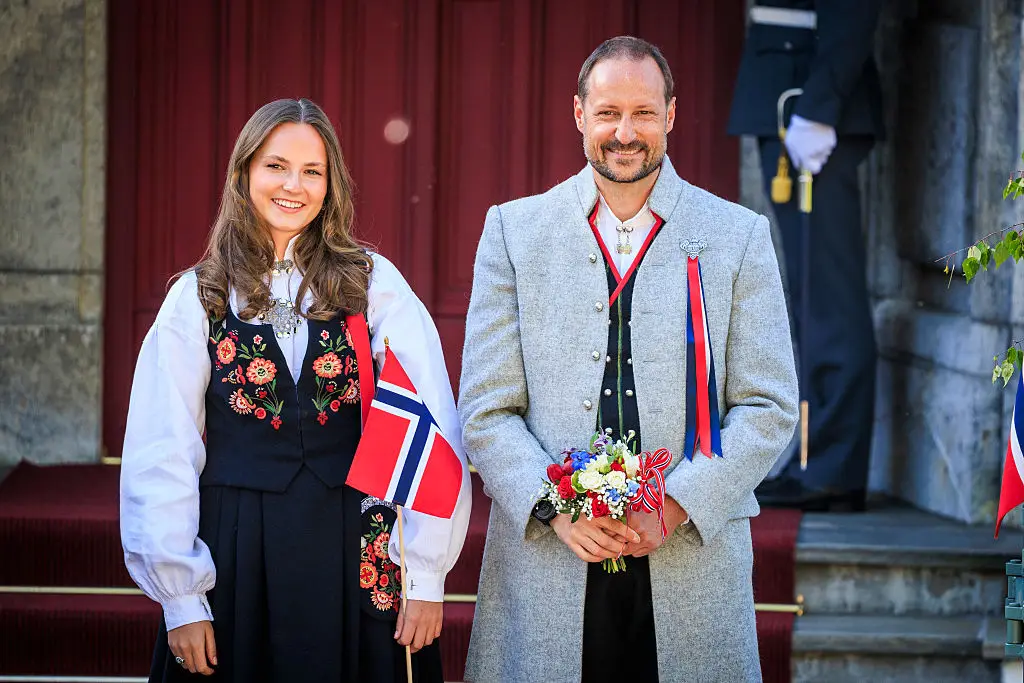
Ingrid Alexandra was born in 2004, after the rules had changed, so she inherits her place in the succession ahead of her younger brother.
The Royal Court lists her as next in line after her father.
So while Norway did eventually scrap the preference for male heirs, the change came too late to alter Märtha Louise’s position.
Had the rules been changed before her birth, the story of the Norwegian throne could have looked very different. But under the law that applied when she was born, Haakon was always ahead of her.
And now, following Harald’s death, it is Haakon who takes the throne.
Topics: World News, Europe, Royal Family
 Rhiannon Ingle