Trump to expand travel ban to over 30 countries - here's how you could be affected

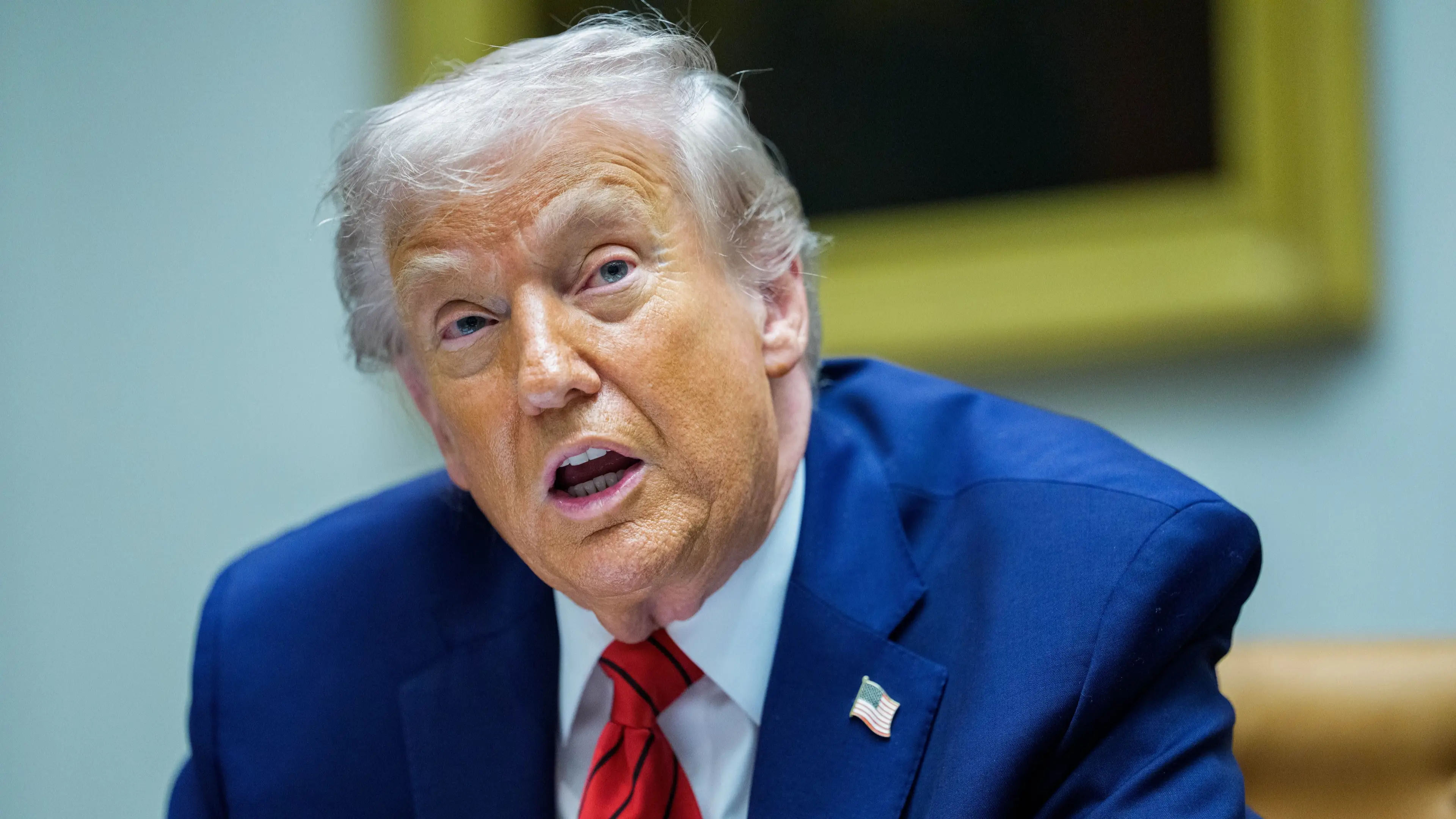
United States President Donald Trump is set to expand his travel ban to over 30 countries.
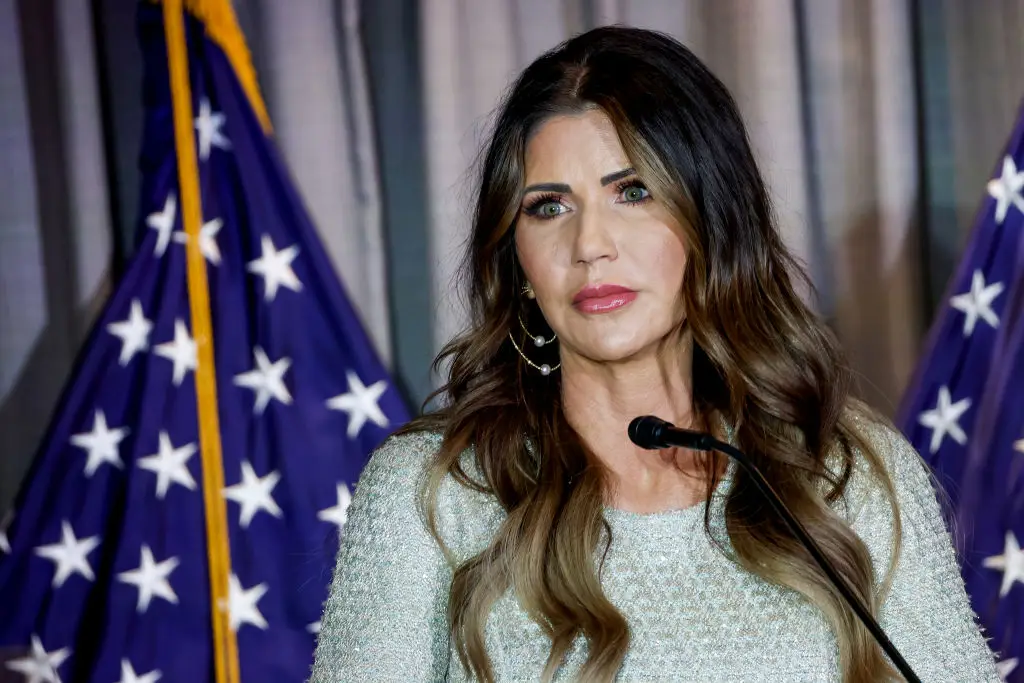
The secretary of the Department of Homeland Security (DHS), Kristi Noem, did not specify which countries would be added to the list, but the bans apply to both immigrants and non-immigrants, such as tourists, students and business travellers.
The ban expands on the list of 19 countries already facing travel restrictions, which include: Afghanistan, Burma, Burundi, Chad, Cuba, Equatorial Guinea, Eritrea, Haiti, Iran, Laos, Libya, Republic of the Congo, Sierra Leone, Somalia, Sudan, Togo, Turkmenistan, Venezuela and Yemen.
"I won’t be specific on the number, but it’s over 30, and the President is continuing to evaluate countries," Noem told Fox News host Laura Ingraham in an interview last week (4 November).
Advert
She added: "If they don’t have a stable government there, if they don’t have a country that can sustain itself and tell us who those individuals are and help us vet them, why should we allow people from that country to come here to the United States?"
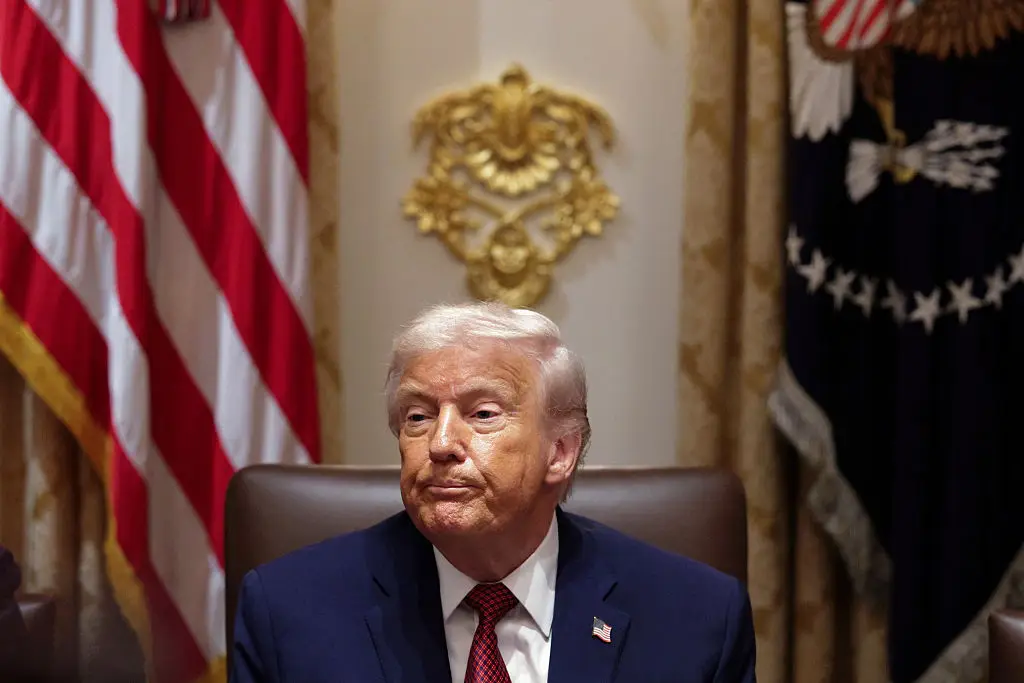
Back in June, the 79-year-old Republican signed a proclamation banning the citizens of 12 countries from entering the US and restricting those from seven others, saying it was needed to protect against 'foreign terrorists' and other security threats.
The Trump administration was considering a significant expansion of travel restrictions that could bar entry to nationals from 36 additional countries, according to a State Department cable obtained by Reuters.
This potential move represents a sharp intensification of the administration's immigration crackdown following last week's shooting of two National Guard members in Washington.
Officials identified the shooter as an Afghan national who arrived in the US during 2021 under a resettlement program that Trump administration figures claim lacked adequate security screening.
In the shooting's aftermath, Trump pledged to 'permanently pause' immigration from what he characterised as 'third world countries,' though he provided neither a specific list nor a clear definition of the term.
This comes amidst a warning issued to anyone travelling to the US over a strict rule before entering the country.
Such individuals are set to have their social media histories checked at border control, if the latest Trump administration mandate is enforced.
The proposed social media screening would apply to people who are eligible to visit the US for 90 days without a visa, including us Brits.
According to the Federal Register notice, it would be mandatory for all foreign tourists to provide data from their social media accounts from the past five years.
This would include email addresses and phone numbers.
On top of that, names, addresses, numbers and birthdays of family members would also be included in the compulsory information passed to the nation's border force.
Additionally, Customs and Border Protection (CBP) has also proposed that moving forward, ESTA applications would require a selfie with the aim of collecting biometrics, including face, fingerprints, DNA and iris data.
Topics: Donald Trump, Politics, US News, News, World News, Explained, Travel
 Rhiannon Ingle