Every country that has declined Trump's Board of Peace

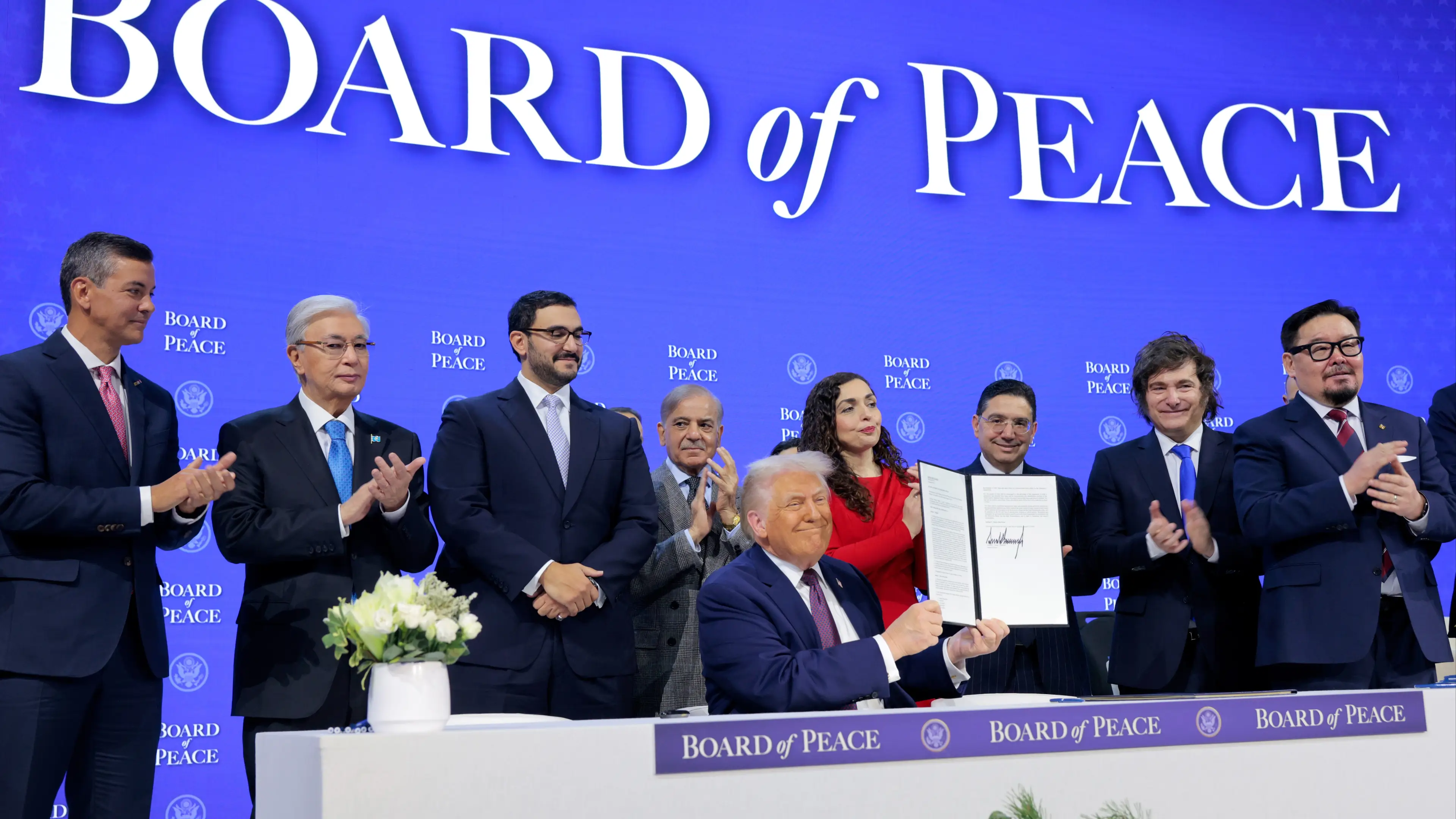
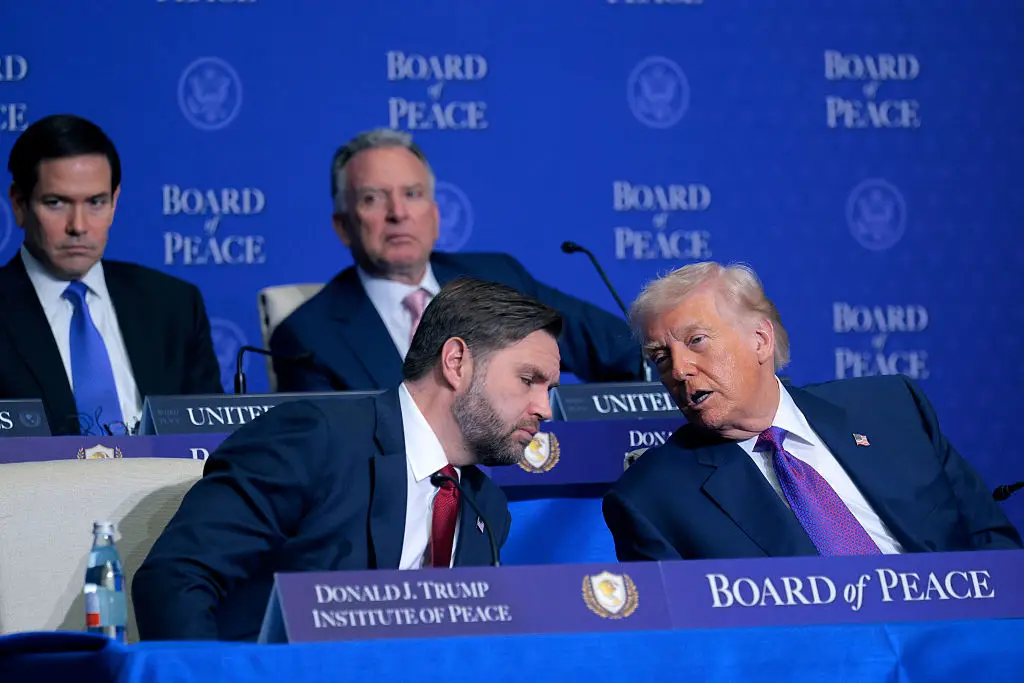
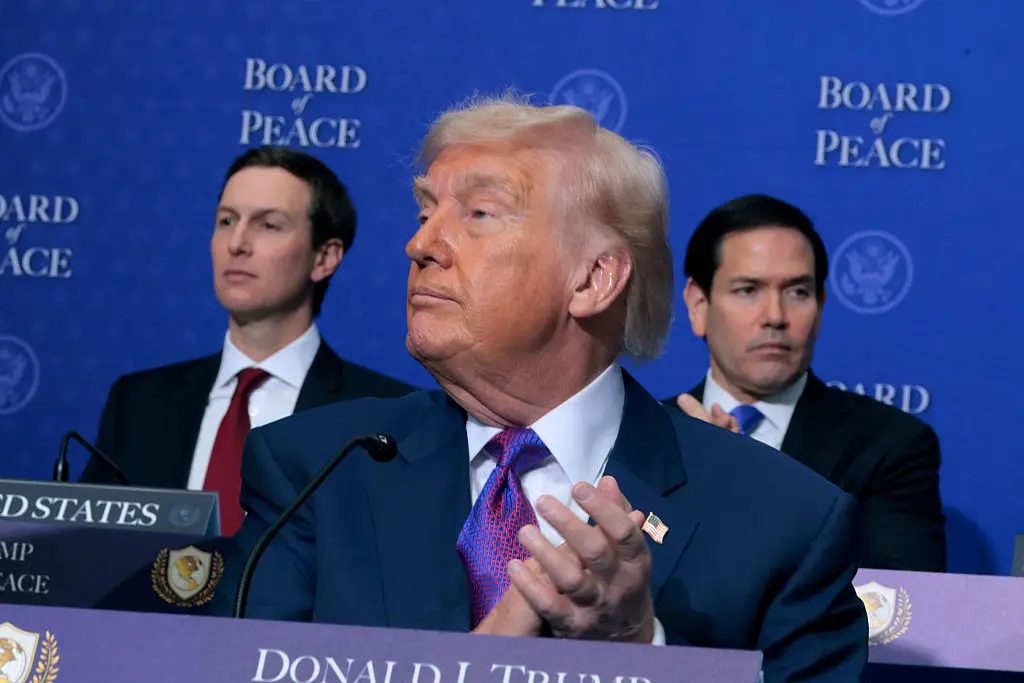
World leaders gathered in Washington D.C today (19 February) for Donald Trump's very first Board of Peace meeting.
The US President, 79, was joined by representatives of dozens of countries to discuss the future of Gaza and humanitarian assistance efforts.
For those who missed it, Trump announced his new political alliance at the World Economic Forum on 22 January, in Davos, Switzerland, and promoted it as an alternative to the United Nations.
The American President invited a slew of countries to join his new party, and some of those who have reportedly accepted the offer include: Argentina, Armenia, Azerbaijan, Bahrain, Bulgaria, Hungary, Indonesia, Jordan, Kosovo, Mongolia, Morocco, Pakistan, Paraguay, Qatar, Saudi Arabia, Turkey, the United Arab Emirates, and Uzbekistan.
Advert
However, a number of countries, some of which are allies of America, such as Britain, France, and Germany, have rejected the invitation.
Here are all of those who said no, as well as their reasoning why.
Germany
Deutsche Welle reported that German Chancellor Friedrich Merzsaid said no to Trump's Board of Peace offer.
As per the publication, despite previously expressing his willingness to participate, he explained that what it has now become can’t be accepted by Germany in its current structure ‘on constitutional grounds.’
He said: “We are, of course, ready to explore other forms, new forms of cooperation with the United States of America.”
France
According to The Hill, French President Emmanuel Macron was one of the first world leaders to turn down Trump’s Board of Peace invitation.
He said the decision was down to concerns that the group would have’ extensive powers beyond transitional governance of the Gaza Strip, and undermine the United Nations framework,’ as reported by Politico.
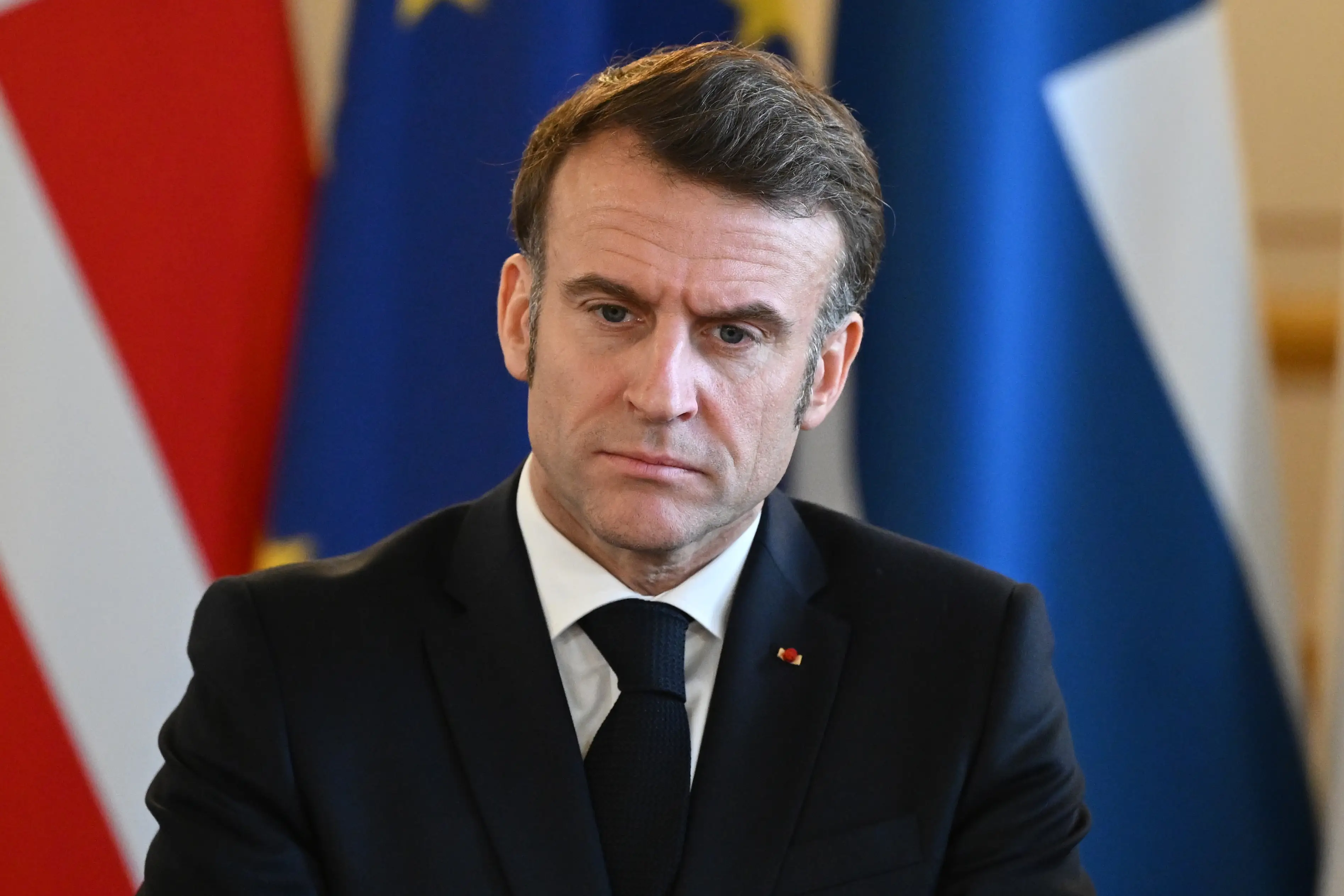
A statement explaining why said the board 'goes beyond the framework of Gaza and raises serious questions, in particular with respect to the principles and structure of the United Nations, which cannot be called into question'.
Greece
It’s also a no from Greek Prime Minister Kyriakos Mitsotakis.
He told EuroNews’ podcast, ‘Europe Today’: "The consensus is that what has been announced by Donald Trump goes way beyond UN Security Council mandate.”
He affirmed: “I think we have to recognize that moving forward, what has been established is something in which most European countries can’t join.”
Italy
Italy’s Prime Minister Giorgia Meloni had a measured response to the invitation, which seems to be more of a ‘not yet’ than a hard no.
As reported by Bloomberg, she told Italian state TV: “Some elements are incompatible with our constitution, and this prevents us from signing tomorrow.”
The world leader added: “My position is still one of openness.”
New Zealand
New Zealand Minister of Foreign Affairs Winston Peters also declined, explaining why in a social media post last month.
He wrote on X: “New Zealand recognises the leadership of the United States, in close coordination with nations from the region, on advancing peace in Gaza. We see a role for the Board of Peace in Gaza, to be carried out as mandated by UN Security Council Resolution 2803.
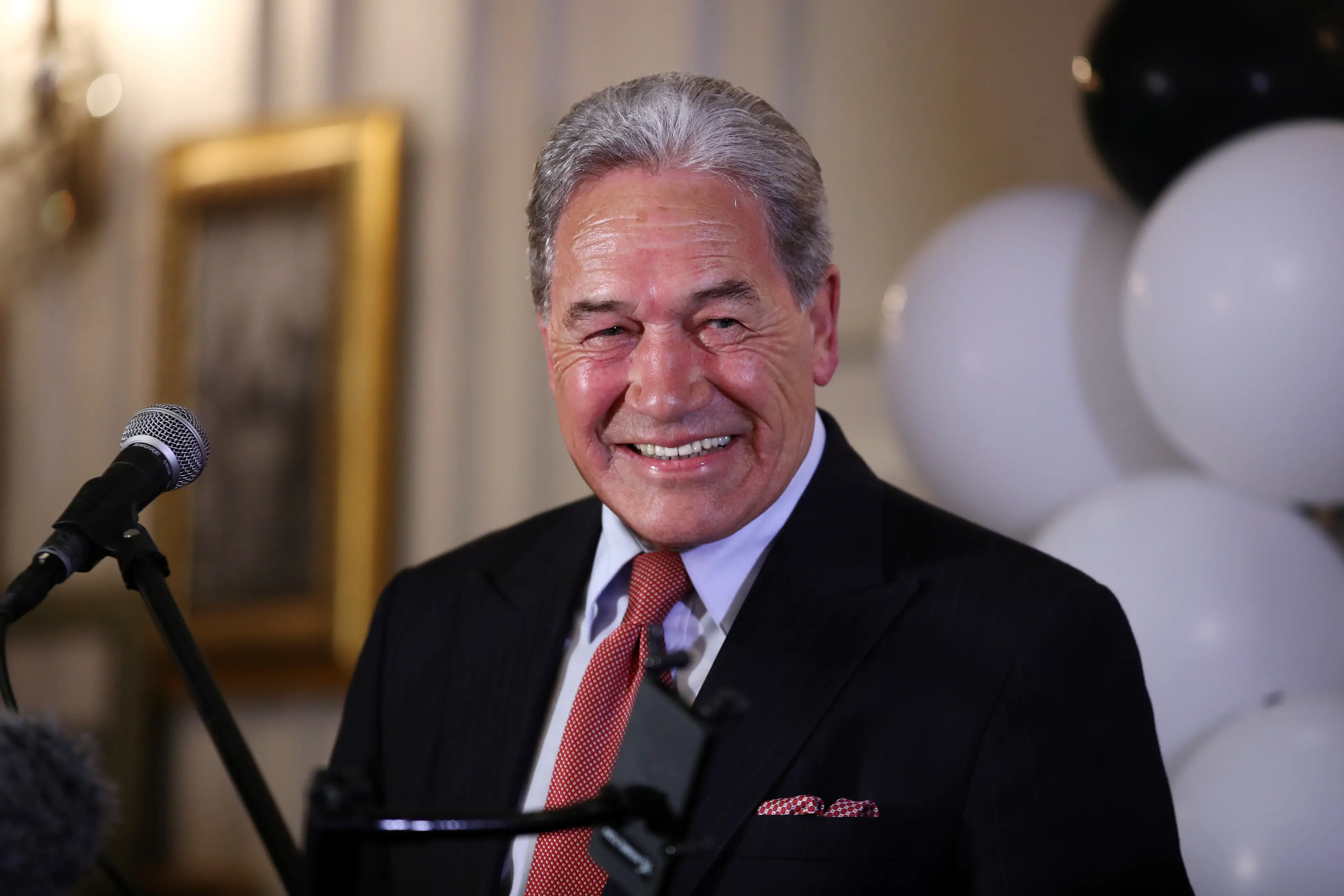
“A number of states, particularly from the region, have stepped up to contribute to the Board’s role on Gaza, and New Zealand would not add significant further value to that.
“As a leading founder and longstanding supporter of the United Nations, it is important that the Board’s work is complementary to and consistent with the UN Charter. It is a new body, and we need clarity on this, and on other questions relating to its scope, now and in the future.”
The message signed off with: “New Zealand will not be joining the Board in its current form but will continue to monitor developments.”
Norway
Norway is also not quite on board with the US President’s Board of Peace.
According to EuroNews, Norwegian State Secretary Kristoffer Thoner said in a statement: “The American proposal raises a number of questions requiring further dialogue with the United States.
“Norway will therefore not join the proposed arrangements for the Board of Peace, and will therefore not attend a signing ceremony in Davos.”
Sweden
Swedish Prime Minister Ulf Kristersson also rejected the offer.
“As the text stands right now, Sweden will not sign,” he said, according to The Hill.
Slovenia
Slovenian Prime Minister Robert Golob also declined, on the basis that Trump’s group could ‘dangerously undermine the international order’.
As per Reuters, the world leader told the European news channel N1: “The main concern is that the committee’s mandate is too broad and that it could dangerously undermine the international order based on the United Nations Charter.
“Although we find any initiative that can calm the situation in the Middle East to be commendable, this invitation dangerously encroaches on the broader international order and not just on pacification in Gaza.”
The United Kingdom
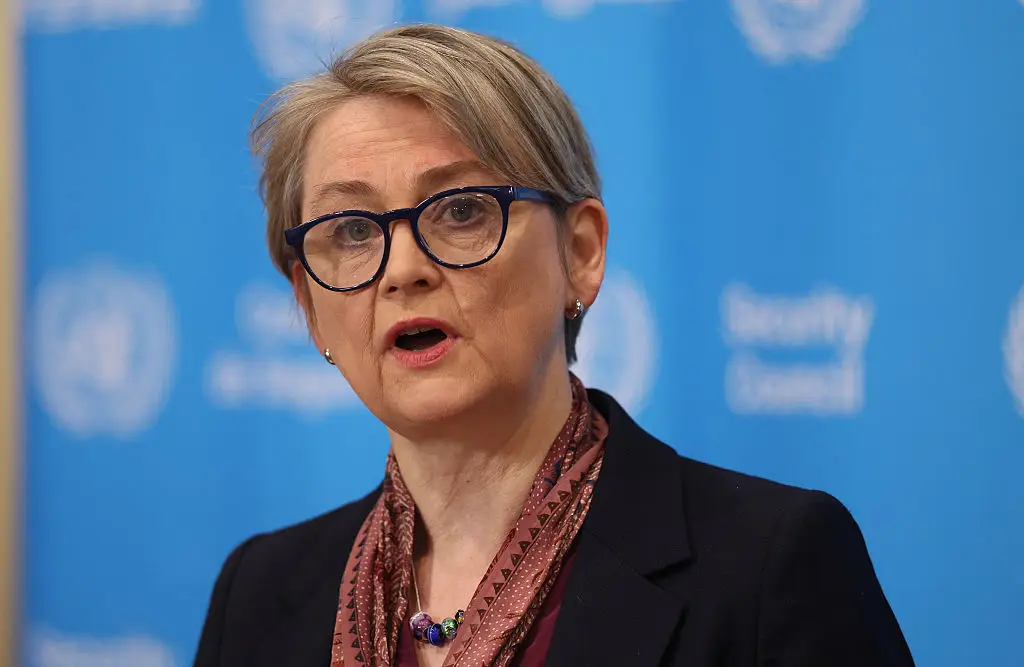
As per the BBC, Foreign Secretary Yvette Cooper branded Trump’s board a ‘legal treaty that raises much broader issues’.
The politician said, “There’s a huge amount of work to do. We won’t be one of the signatories today.
“Because this is about a legal treaty that raises much broader issues, and we do also have concerns about President Putin being part of something that is talking about peace, when we have still not seen any signs from Putin that there will be a commitment to peace in Ukraine. And to be honest, that is also what we should be talking about.”
Ukraine
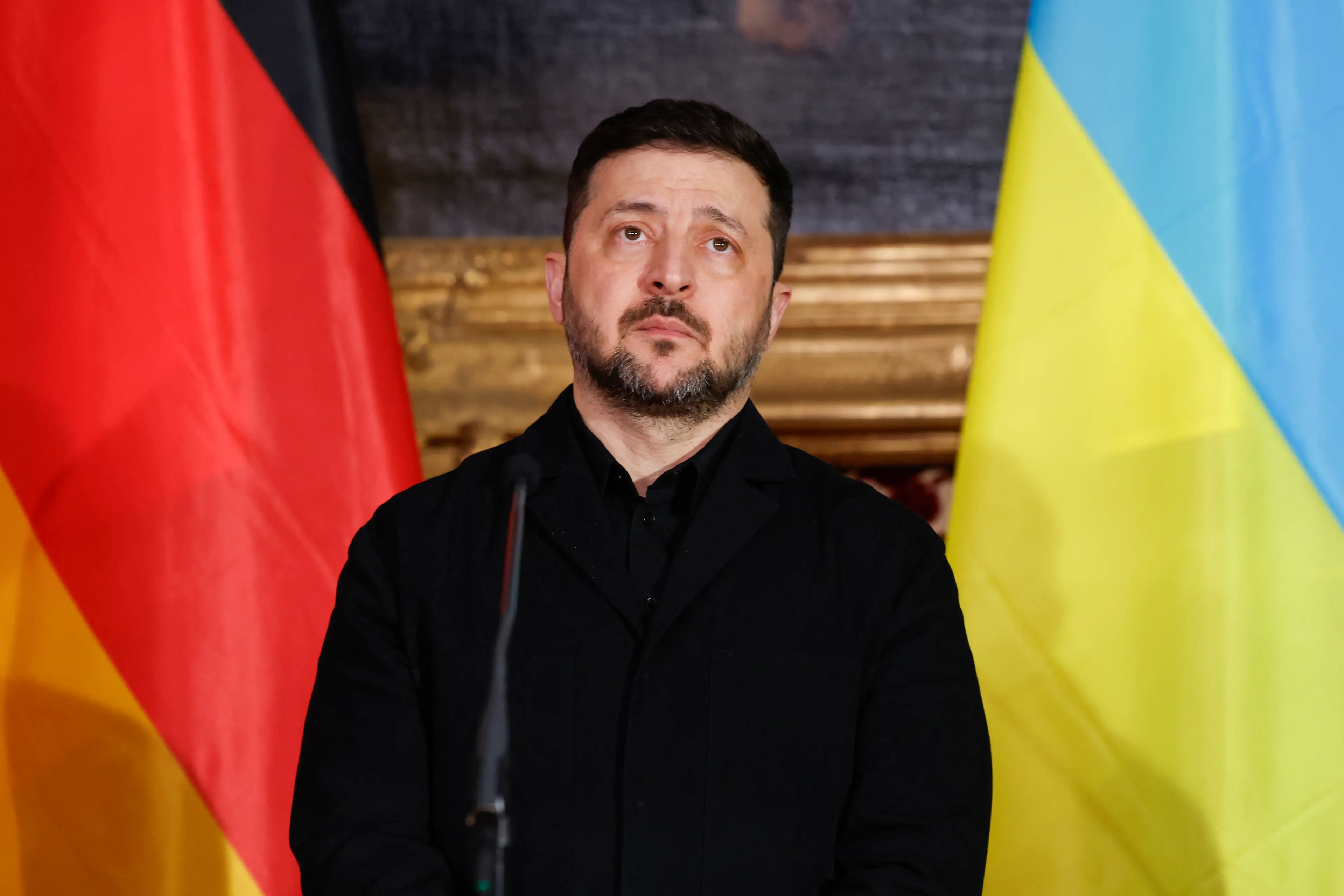
Volodymyr Zelensky, Ukraine's President, was also a firm no based on which countries have already joined.
He explained to The Kyiv Independent: “The very idea of inviting to this board of ‘peace’ the biggest violator of peace and international law, Russia and Belarus, complicit in the crime of aggression, is absurd.”
Topics: Donald Trump, Gaza, Politics, News, Explained, World News, US News
 Madison Burgess