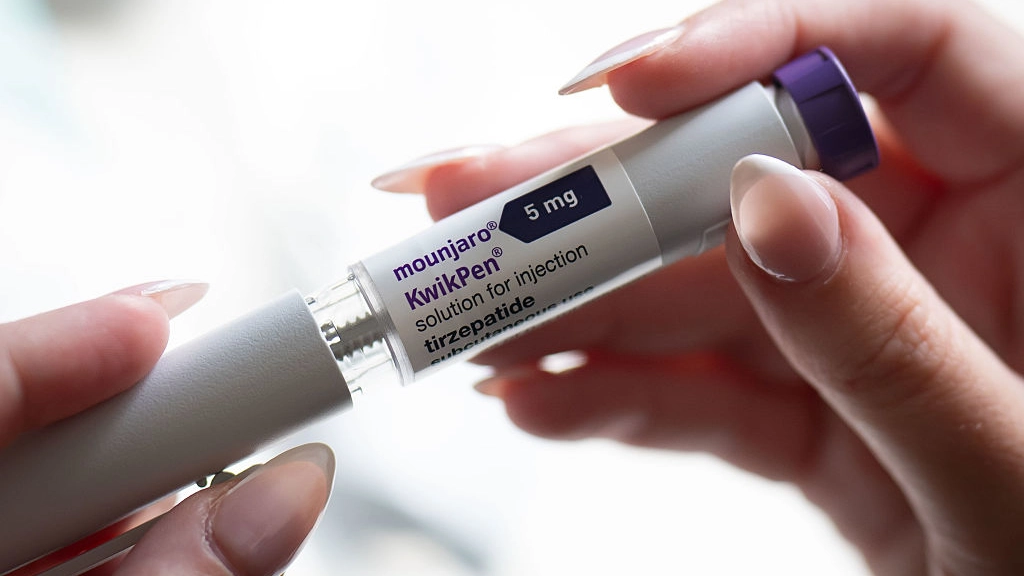
Scientists reveal major side effects Mounjaro users may experience if they stop using it

In the past few years, Mounjaro and medications like Ozempic and Wegovy have seen a serious surge in popularity as more and more celebrities and members of the public alike are taking the drugs to aid weight loss.
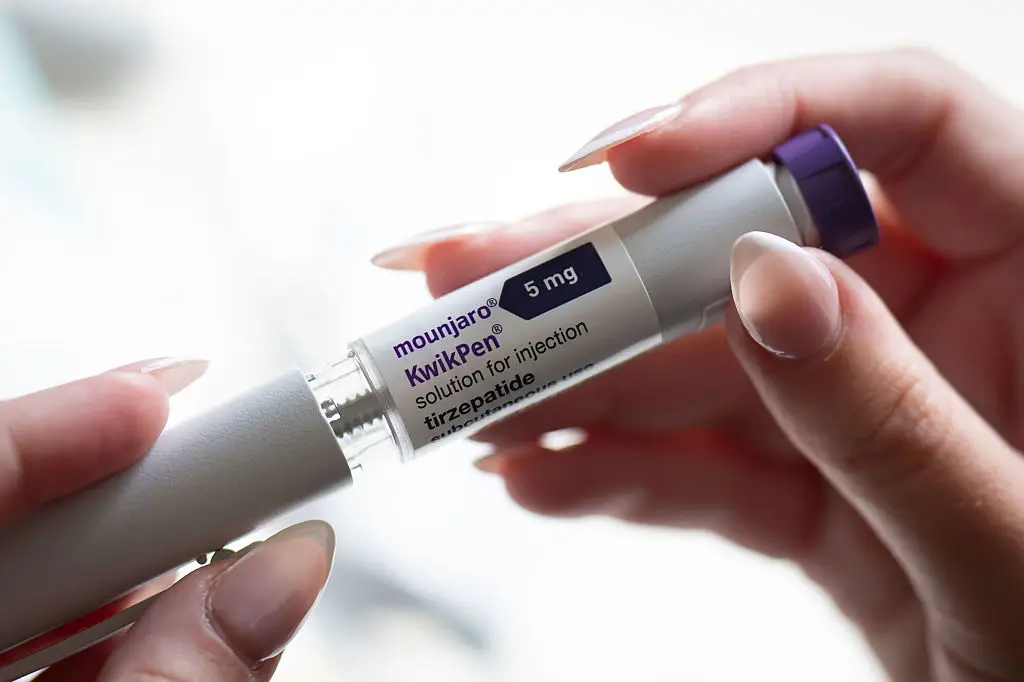
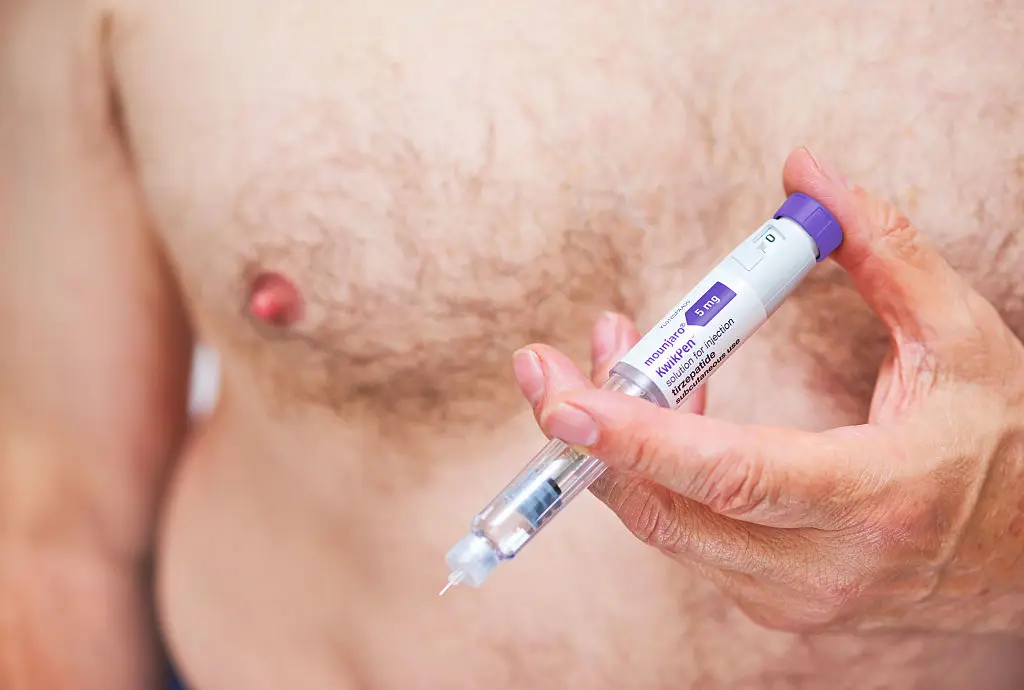
Mounjaro, which was initially designed to help type 2 diabetes patients, is a weekly self-injectable pen used for weight loss. It contains tirzepatide, which works by regulating blood sugar and energy balance levels, helping to reduce appetite and prevent cravings.
Tirzepatide works on two different hormonal receptors: glucagon-like peptide-1 (GLP-1) and glucose-dependent insulinotropic polypeptide (GIP) - you may have heard of GLP-1 from other weight loss injections.
GLP-1 helps to regulate blood sugar levels, which in turn talks to the brain to make you feel less hungry and prevent cravings.
Advert
It also slows down the emptying of the stomach to keep you feeling fuller for longer.
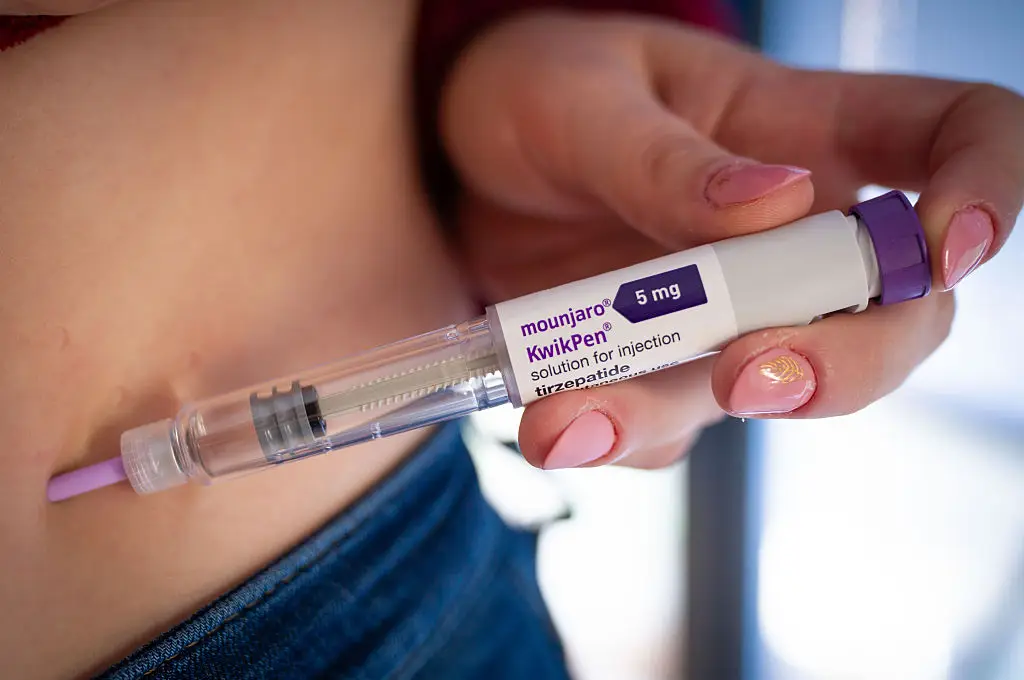
GIP regulates energy balance in the brain and fat cells, enhancing the GLP-1 effect of suppressing your appetite and improving sugar control.
It's important, however, that anyone either taking the drug or thinking about taking the drug is well aware of the side effects of it.
Additionally, it's also important to be mindful of the major side effects Mounjaro users may experience if they stop using it.
Those who stop using the weight loss jab don't just tend to regain weight, but they also reportedly experience a reversal in other health improvements, too, according to research.
Experts studying results from a clinical trial known as Surmount-4 have stated that other benefits seen with the medication, like reduced blood pressure and lower levels of 'bad' cholesterol, also go into reverse when users stop taking the jabs.
Naveed Sattar, a professor of cardiometabolic medicine at the University of Glasgow who was not part of the team but was involved with previous work on the trial, said: "The findings are not a surprise, as excess weight is a well-established driver of elevated blood pressure and impaired glucose control."
He added: "Consequently, when weight lost through therapeutic interventions is regained, these cardiometabolic risk factors typically rise in proportion to the speed and extent of weight regain.
"Sustained weight management remains a critical challenge, but there is hope that newer, more affordable strategies to support long-term weight loss maintenance will emerge in the coming years."
Sattar also warned that stopping the jabs 'could remove a protective effect', with studies suggesting that the use of tirzepatide and other weight-loss drugs in people with heart conditions reduces the risk of hospitalisation for heart failure or death from any cause.
Writing in the journal Jama Internal Medicine, the researchers, who included experts from Eli Lilly, the pharmaceutical company which makes Mounjaro, reported how they analysed data from the Surmount-4 trial, a study involving participants with obesity or who were overweight and had at least one weight-related health problem.
The study began with all participants taking tirzepatide for 36 weeks while receiving dietary and exercise guidance. They were then randomly divided into two equal groups: one continued taking the medication for another 52 weeks, while the other received a placebo during this time.
The trial used a double-blind design, meaning neither participants nor researchers knew who belonged to which group.
Researchers analysed data from 308 participants who had achieved at least 10 percent weight loss during the initial 36-week phase before transitioning to the placebo group. The findings showed that 82 percent of these individuals regained a quarter or more of their lost weight within one year of discontinuing tirzepatide.
Additionally, researchers observed that participants who experienced more substantial weight regain also showed greater deterioration in other health metrics, including waist measurements, LDL cholesterol levels, blood pressure, and blood sugar control.
"Overall, at week 88, participants with 75 percent or more weight regain after tirzepatide withdrawal reversed cardiometabolic parameters to baseline (week 0) values," the team wrote. However, they note those with up to 50 percent weight regain still showed improvements in these areas compared with the start of the study.
The team said the findings 'support the importance of long-term maintenance of weight reduction through lifestyle intervention and obesity management medications to sustain cardiometabolic benefits and improved health-related quality of life'.
Jane Ogden, the emeritus professor in the School of Health Sciences at the University of Surrey, added: "Once stopping taking the medication, people show weight regain as they return to their previous behaviours. With this can come a reversal in cardiac benefits as their diet and exercise behaviours return to how they were before."
Eli Lilly told Tyla in a statement: "Obesity is a chronic, progressive disease that often requires long-term treatment. Like other chronic conditions, therapy should continue when medically indicated to maintain benefits. Lifestyle changes alone – diet, exercise, and counselling – may not deliver sufficient and sustained weight loss for long-term health for every individual. Many individuals require varying degrees of medical support combined with tailored lifestyle modifications to successfully achieve and maintain their weight goals.
"Our post-hoc analysis of Surmount-4 found that 82.5 percent of participants who stopped tirzepatide regained at least 25 percent of their lost weight within a year, which is consistent with other studies referenced in the paper.
"This weight gain was associated with reversal of improvements in blood pressure, cholesterol, blood glucose and insulin sensitivity, reinforcing the need for continued treatment in adults living with obesity."
 Rhiannon Ingle