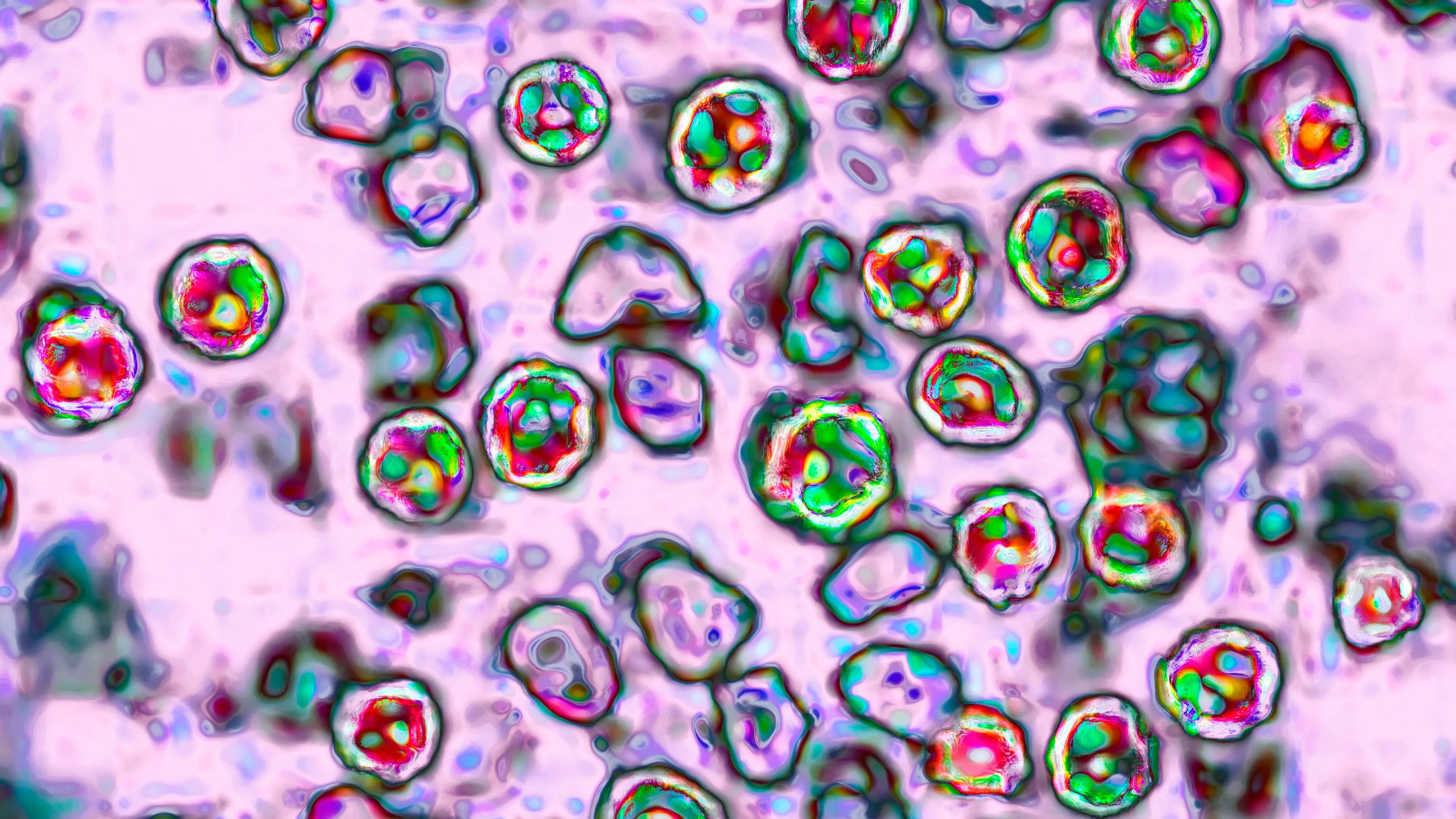
‘World’s most contagious virus’ detected in two US airports

Officials are warning travellers to get tested after two cases of the world's 'most contagious disease' were detected in US airports in December.
Now, this is the last thing you want when you're flying home to spend time with family for Christmas - especially if you've managed to avoid the likes of adenovirus and the new strain of 'super-flu'.
The virus we're talking about in this instance is measles, which is is an infection that spreads very easily and can cause serious problems in some people, as per the NHS.
Having the MMRV or MMR vaccine is the best way to prevent it, however, although very rare, there's a chance you can still catch it even after having the jab.
Advert
Measles usually starts with cold-like symptoms, followed by a rash a few days later and some people may also get small spots in their mouth.
The first symptoms include a high temperature, a runny or blocked nose, sneezing, a cough and red, sore, watery eyes.
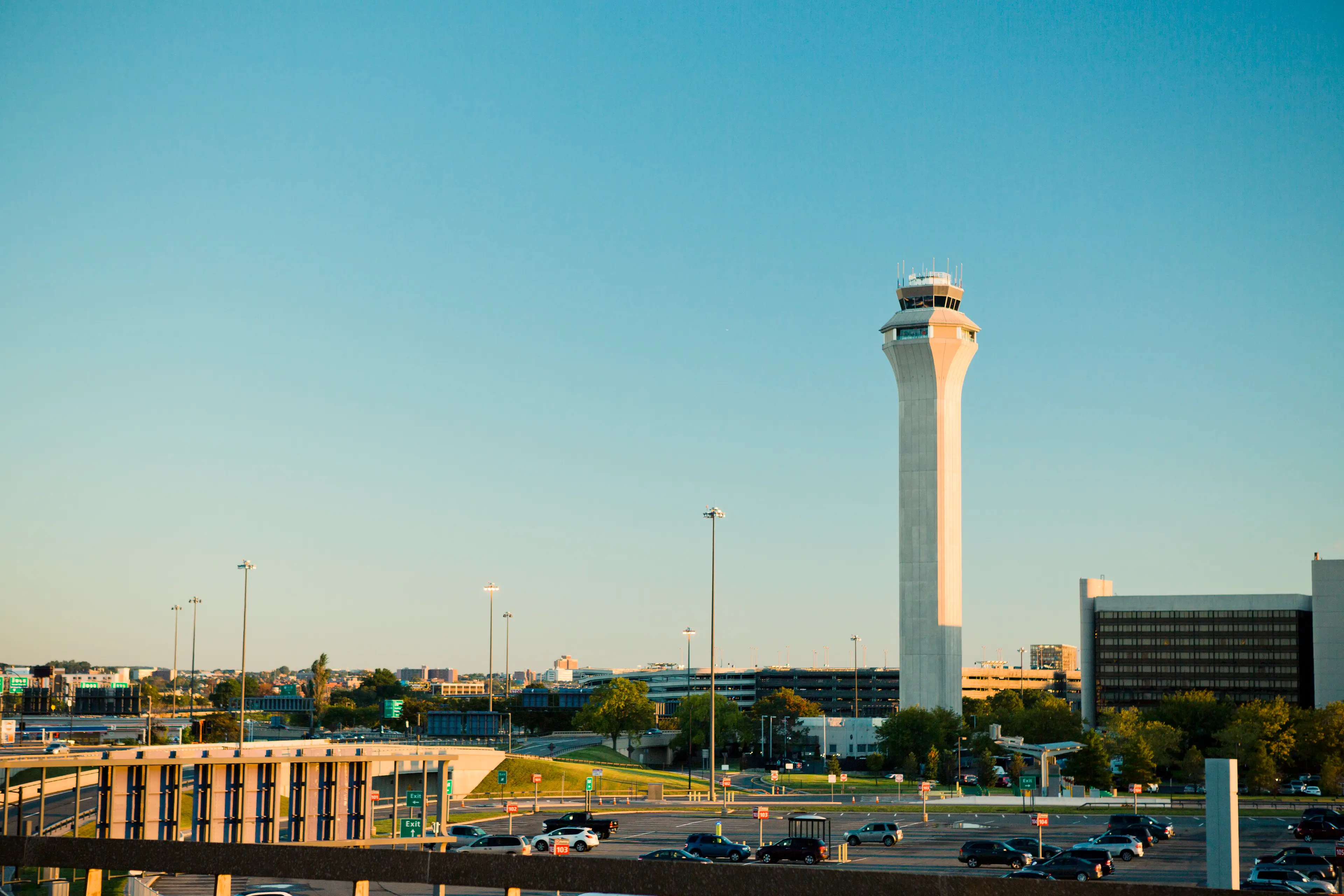
Measles is extremely contagious and can be spread when an infected person breathes, coughs or sneezes - so, not ideal for somewhere busy like an airport.
In two separate press releases, it was revealed that there was one measles case at Newark Liberty International Airport in New Jersey and another at Boston Logan International Airport.
To be specific, the measles case in Newark was confirmed on December 12 and it involved a person who traveled between 7:00 am and 7:00 pm in both Terminal B and C.
The infected person is not from New Jersey and they became infected upon arrival, as reported by The Independent.
Meanwhile, the person in Boston was identified on the afternoon of December 11 and had arrived on an American Airlines flight from Dallas-Fort Worth while infected.
The Cambridge Public Health Department clarified in a statement: "The visitor stayed at the DoubleTree by Hilton Hotel Boston-Westborough in Westborough, Massachusetts and departed the state on December 12 via Logan Airport at 9.19 pm on JetBlue flight 117 to Las Vegas."
Locals have been warned to keep an eye out for symptoms, which usually appear between seven to 21 days after exposure and may resemble those of a common cold.
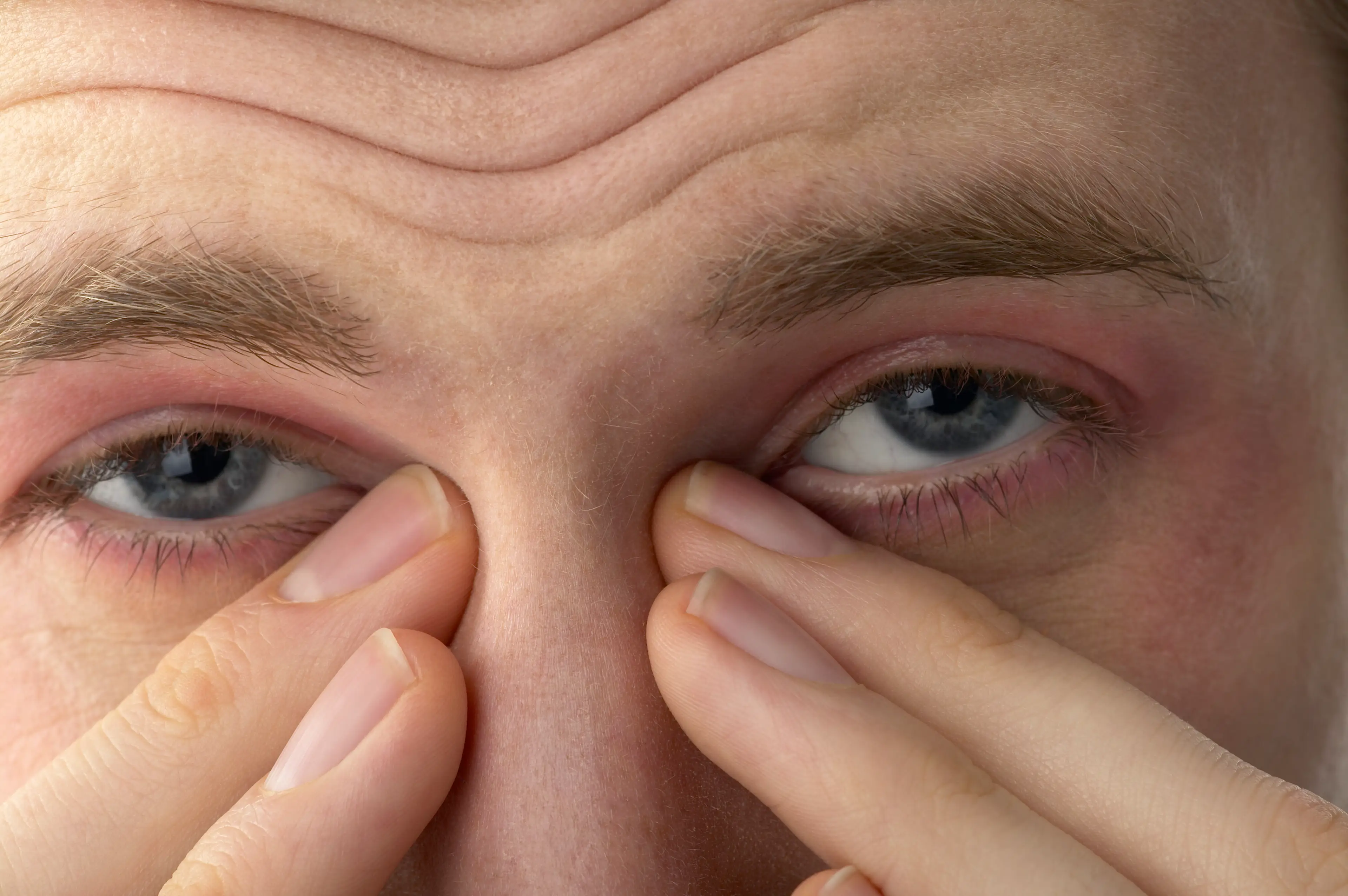
The press release explained: "Early symptoms of measles occur 7 to 21 days after exposure and may resemble a cold (with fever, cough, runny nose, and red eyes). A rash occurs on the skin 2 to 4 days after the initial symptoms develop. The rash usually appears first on the head and then moves downward. The rash typically lasts a few days and then disappears in the same order."
And New Jersey Health officials warned in their own statement: "Individuals – especially parents, guardians, health care providers, and caregivers – are urged to be aware of the symptoms of this highly contagious virus and to ensure they are up to date with the measles, mumps, and rubella (MMR) shots."
They said they're working in collaboration with local health officials on ongoing contact tracing and on efforts to notify people who might have been exposed and to identify additional exposures that may have occurred.
"Anyone who suspects an exposure or illness should call their local health department or a health care provider BEFORE going to any medical office or emergency department," the release advises.
 Madison Burgess