Iran’s World Cup football team could face punishment for wearing #168 pins

The 2026 World Cup kicks off today (11 June) and will continue to make headlines across the globe until the final, which is expected to take place next month (19 July).
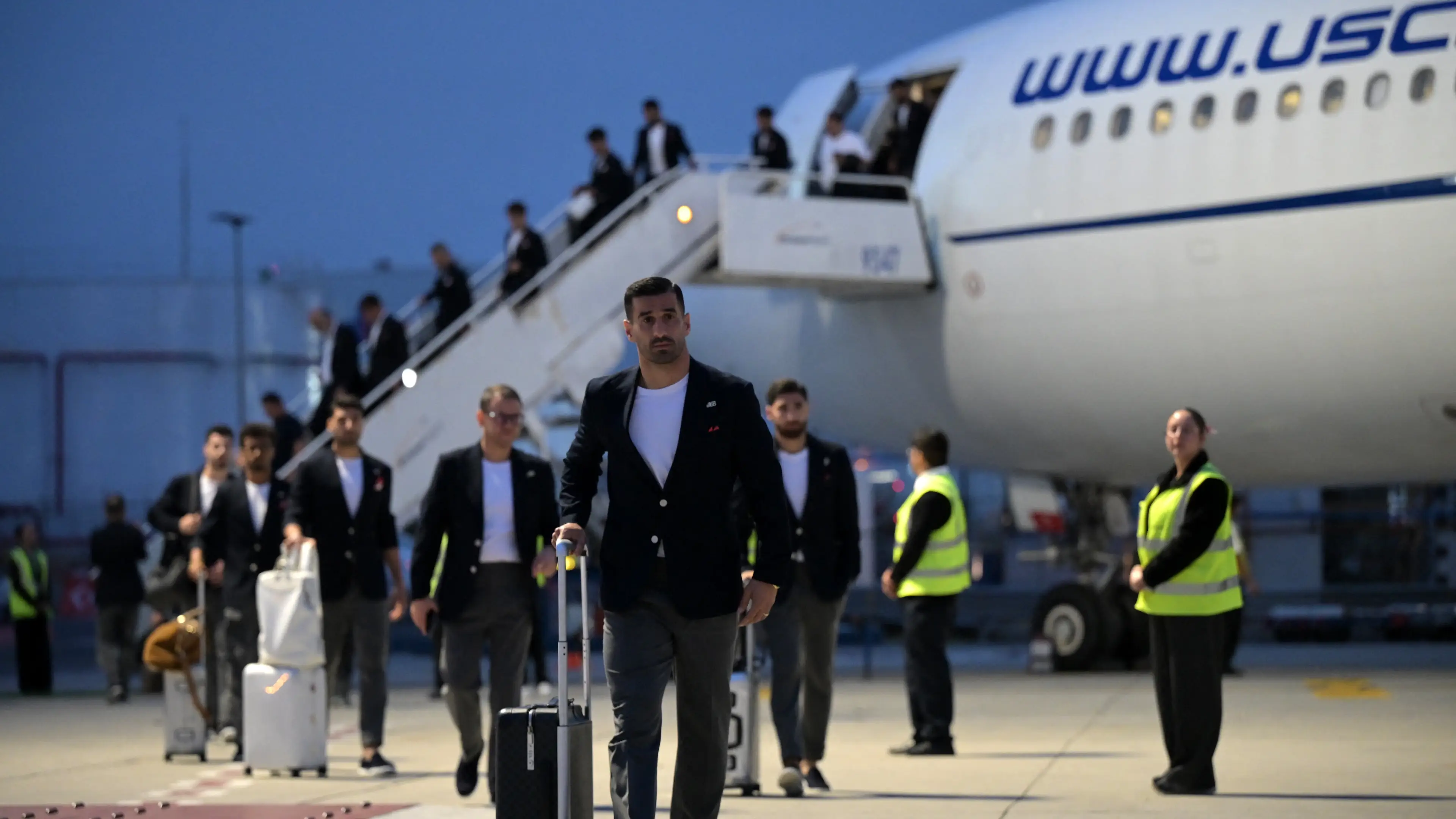
Over the past few days, football players from the national teams have arrived in the tournament's host cities, with players from Iran arriving in Tijuana, Mexico, on Sunday (7 June).
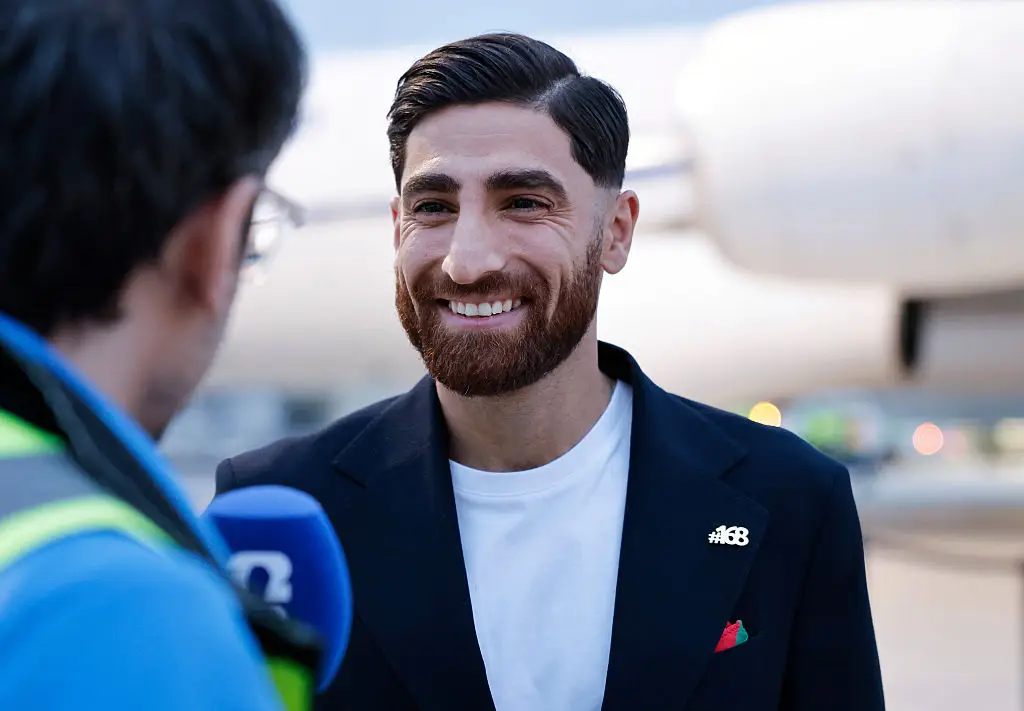
Iran's first game, against New Zealand, is scheduled to take place next Tuesday (16 June), and fans were quick to notice the team donning #168 pins as they landed.
The badge in question references a hashtag which went viral on social media with the '168' number paying tribute to the 168 victims, predominantly children, of a deadly missile strike on an elementary school at the start of the war with the United States and Israel on February 28th.
Advert
This attack has been widely attributed to the US.
Neither the United States nor Israel has taken responsibility for the attack. The US military is currently investigating the incident and has said it does not deliberately target civilians.
As per Iran's foreign ministry, the figure commemorates the victims of the attack.
Earlier this week on Monday (8 June), Iran’s embassy in Hungary noted the pins in a social media post with a reference to Minab.
However, if the players continue to wear the badges throughout the tournament, they could face disciplinary action
FIFA, the governing body of the World Cup, has previously outlined its stance when it comes to 'political, religious or personal slogans, statements or images' during the World Cup.
The football association has also repeatedly warned that players or teams may face sanctions from either FIFA or competition organisers if they do not follow such guidelines.
The badges in question were not worn during a game, so now formal disciplinary action has been announced.
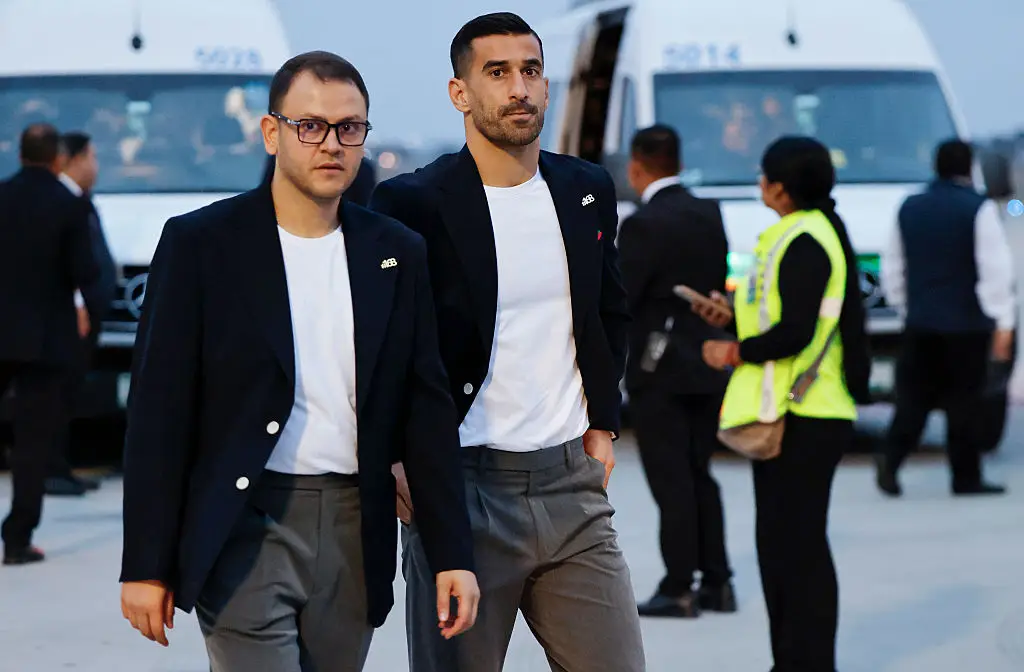
It is unclear whether FIFA would allow the pins to be worn by coaches, team personnel and other players on the sidelines during matches.
As we say, FIFA took no action on Iran's displays of remembrance and is yet to comment on the legality of wearing the pins.
But, under FIFA's rules, those who display unauthorised political messages can face several punishments depending on the severity of the breach.
These may include warnings, fines, orders to remove the message, or disciplinary action.
In more serious cases, players could face suspensions, while teams may be subject to sporting penalties.
 Rhiannon Ingle