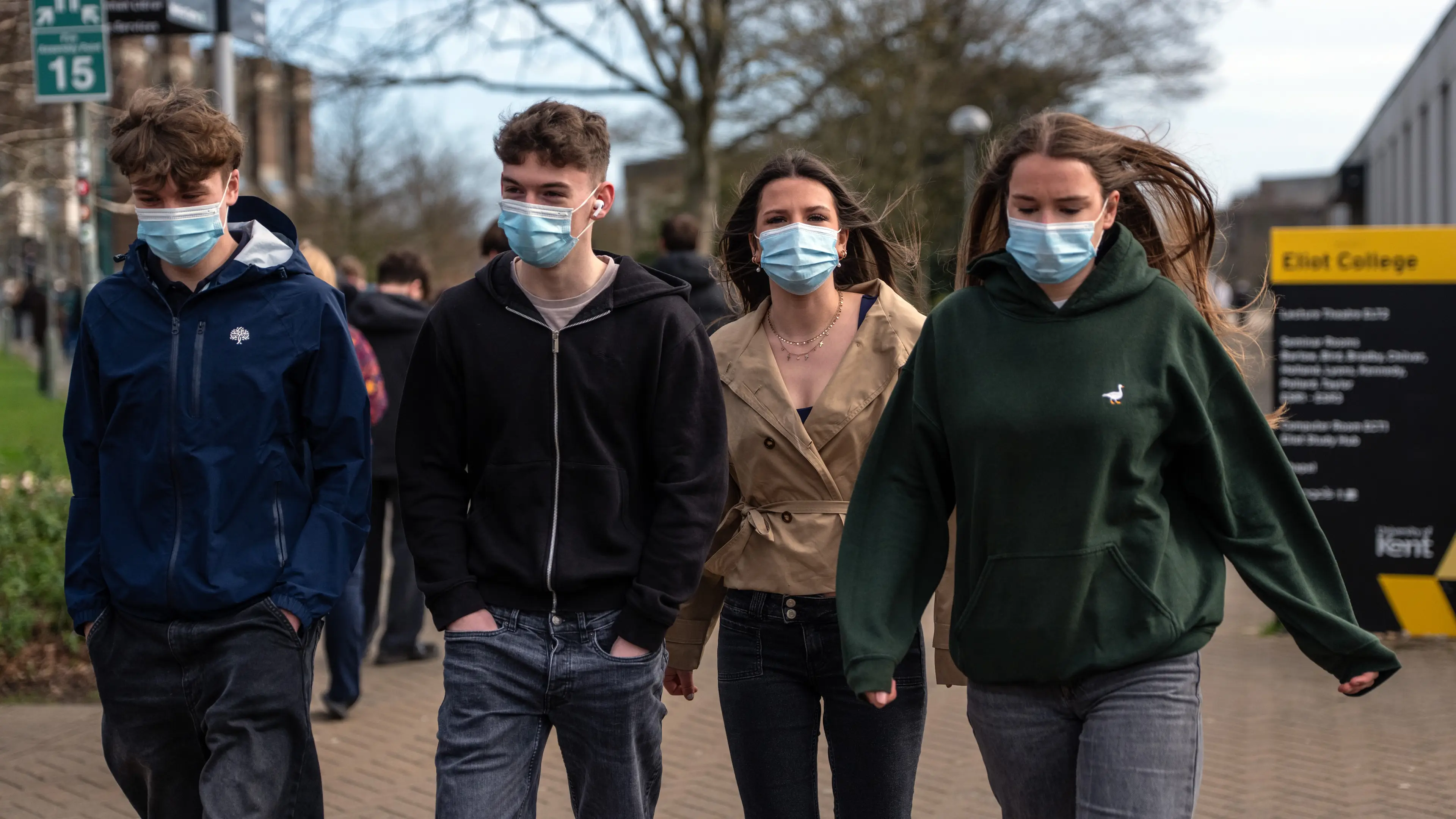
How meningitis spreads as health officials issue warning over two common practices

Over the last few days, the meningitis outbreak in Kent has reached 'unprecedented' levels, with two people having sadly died while 20 cases are currently being investigated.
The situation has been declared a 'national incident' while Health and Social Care Secretary Wes Streeting has expressed concern over the speed at which the disease appears to be spreading.
In response, the UKHSA has warned that anyone who attended Club Chemistry in Canterbury on 5, 6 or 7 March should receive a dose of antibiotics. Meanwhile, anyone in close contact with someone who has confirmed or suspected meningitis should also receive treatment.
In addition to the widespread allocation of antibiotics, a targeted vaccination programme is also set to be rolled out for students in Canterbury, which will begin in the next few days.
Advert
With case numbers growing and students set to be travelling home for the Easter holidays, many people are concerned over how the disease spreads and what precautions need to be taken.

There is also some confusion over the vaccines - primarily, who has already been given the appropriate jab as part of the UK's vaccine schedule and whether they are effective to this particular strain of meningitis.
Let's get into it.
What are the symptoms of meningitis B?
It's important to remember that symptoms of meningitis can appear in any order and there may not always be a rash in the early stages. In addition, the rash may fade when pressure, such as a glass, is applied.
Treatment of the disease is more effective if caught in the early stages.
As per the NHS, symptoms of meningitis and sepsis include:
- A high temperature
- Cold hands and feet
- Vomiting
- Confusion
- Breathing quickly
- Muscle and joint pain
- Pale, mottled or blotchy skin (this may be harder to see on brown or black skin)
- Spots or a rash (this may be harder to see on brown or black skin)
- Headache
- A stiff neck
- A dislike of bright lights
- Being very sleepy or difficult to wake
- Fits (seizures)
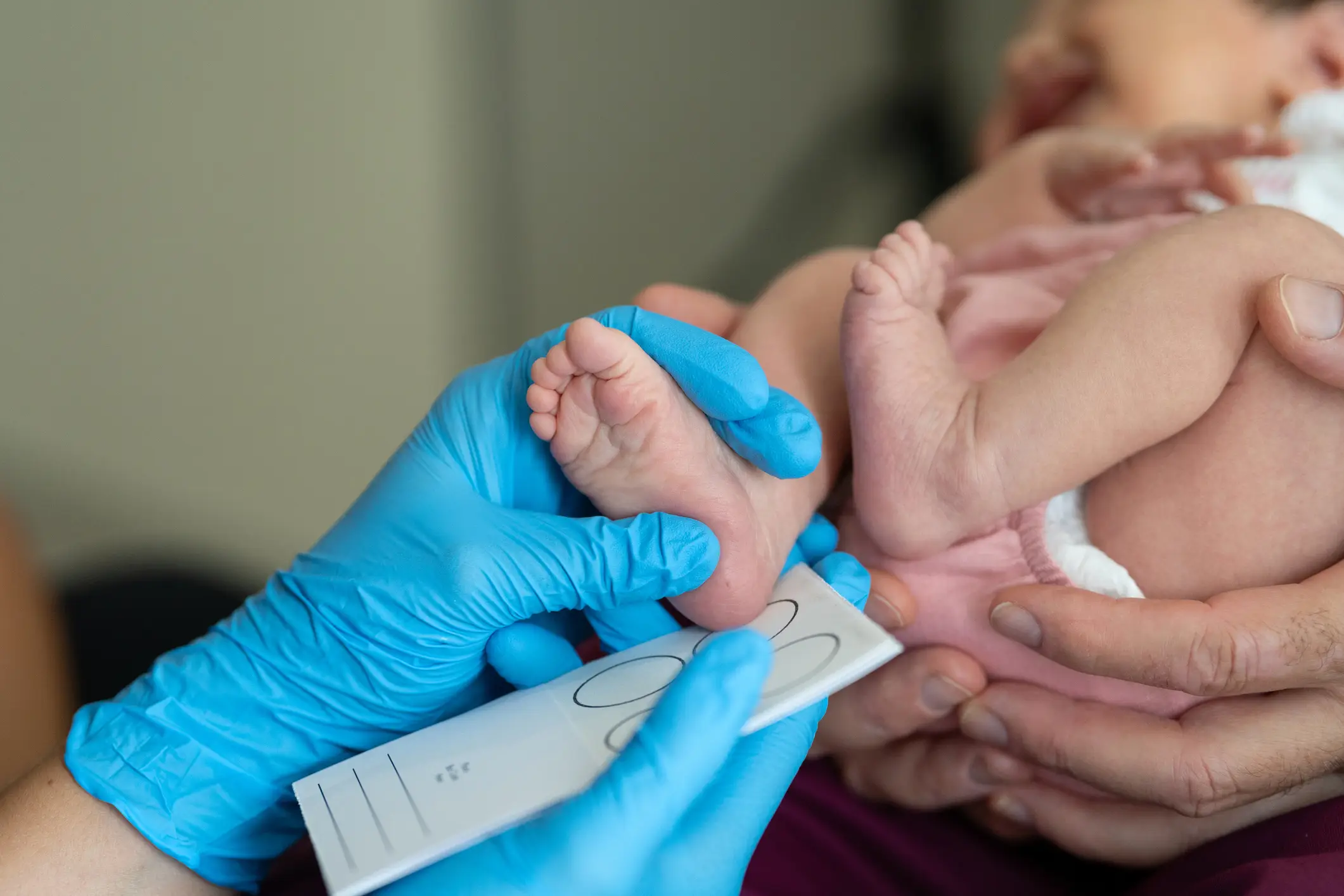
Babies may also:
- Refuse feeds
- Be irritable
- Have a high-pitched cry
- Have a stiff body or be floppy or unresponsive
- Have a bulging soft spot on the top of their head
Where can I get the meningitis B vaccine?
Meningitis B, known as MenB, is believed to be the strain of bacteria behind the outbreak.
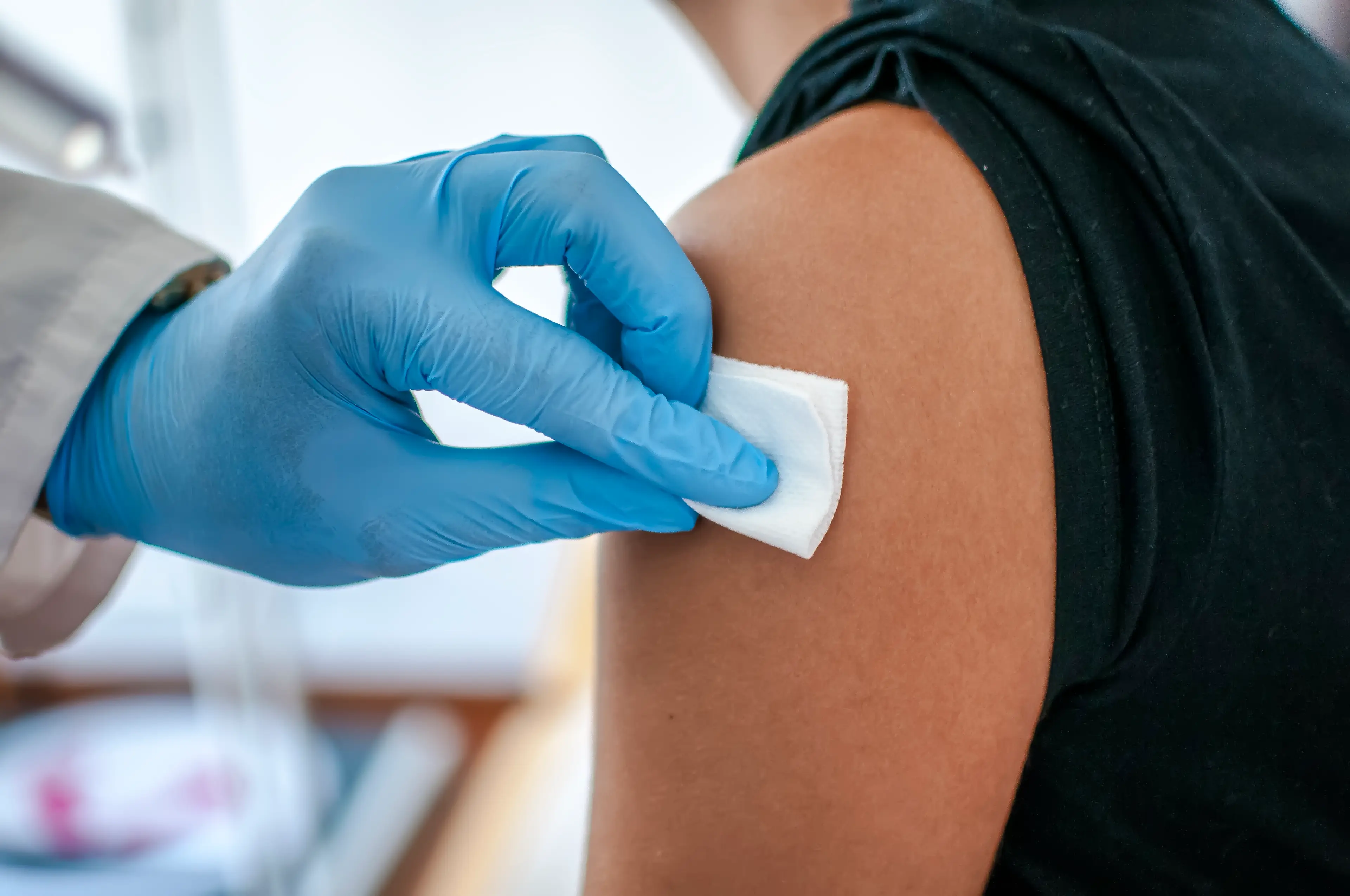
For babies born since 2015, the vaccine has been offered as part of the infant vaccine schedule, however for teenagers and students born earlier, the jab was not available and a catch-up programme was not rolled out.

Instead, many teenagers will have been offered the MenACWY vaccine, which offers protection against four types of bacteria that can cause meningitis: meningococcal groups A, C, W and Y.
The vaccine is offered to teenagers aged 14 years old, but does not protect against MenB.
The BBC notes that while the MenB vaccine is effective in providing infants with protection, it is not as good at doing so in young adults. It also does not protect against every strain of MenB.
People can pay to have the vaccine privately, usually at a local pharmacy, although many have reported low stocks.
Oliver Picard, chairman of the National Pharmacy Association, told BBC Radio 5 Live that his pharmacies were receiving bookings every two to three minutes.
"It is unsustainable," he said. "We don't have any vaccines. We always keep a small stock which was used up very quickly."
How do you catch meningitis B?
The viruses and bacteria that cause meningitis can be spread through:
- Sneezing
- Coughing
- Kissing
The infection can be spread by people who carry these viruses or bacteria in their nose or throat, but are not ill themselves.
Health Secretary Wes Streeting told the House of Commons: "This is an unprecedented outbreak. It is also a rapidly developing situation."
He added: "It doesn't spread very easily. The bacteria is passed to others after a long period of close contact, for example, living with someone in shared accommodation, through prolonged kissing or sharing vapes and drinks."
A timeline of the Kent meningitis outbreak
Thursday 5 to Saturday 7 March
The outbreak has been linked to the nightclub Club Chemistry in Canterbury, UK. The club has closed voluntarily until further notice.
Friday 13 March
The first case of meningitis, a University of Kent student, is reported to the UK Health and Security Agency.
Saturday 14 March
A second case is identified in France, this time, someone who attended the University of Kent. Back in the UK, hospitals report a number of young people presenting with meningitis symptoms. Contact tracing begins.
Sunday 16 March
It is confirmed that two people have died after being infected with meningitis - one a student at the University of Kent and the other a sixth former in year 13. A public health alert is issued. The total number of cases is 13.
Monday 17 March
UK Health Secretary Wes Streeting addresses parliament, calling the meningitis outbreak 'unprecedented'.
He announces a targeted vaccination programme for students living in halls at the University of Kent. Preventative antibiotics are issued to University of Kent students; those who attended Club Chemistry between 5 and 7 March; and close contacts of people who have fallen ill.
The total number of cases is 15.
Wednesday 18 March
In the latest update from UKHSA, the total number of cases is 20.
 Lucy Devine