Over half a million people at risk of blindness from 'silent' disease

Experts are urging people to get regular eye tests as a serious disease is on the rise.
Worrying new research has revealed that by 2060 in the UK, we can expect a 60 per cent rise in an eye condition that can cause blindness if left untreated.
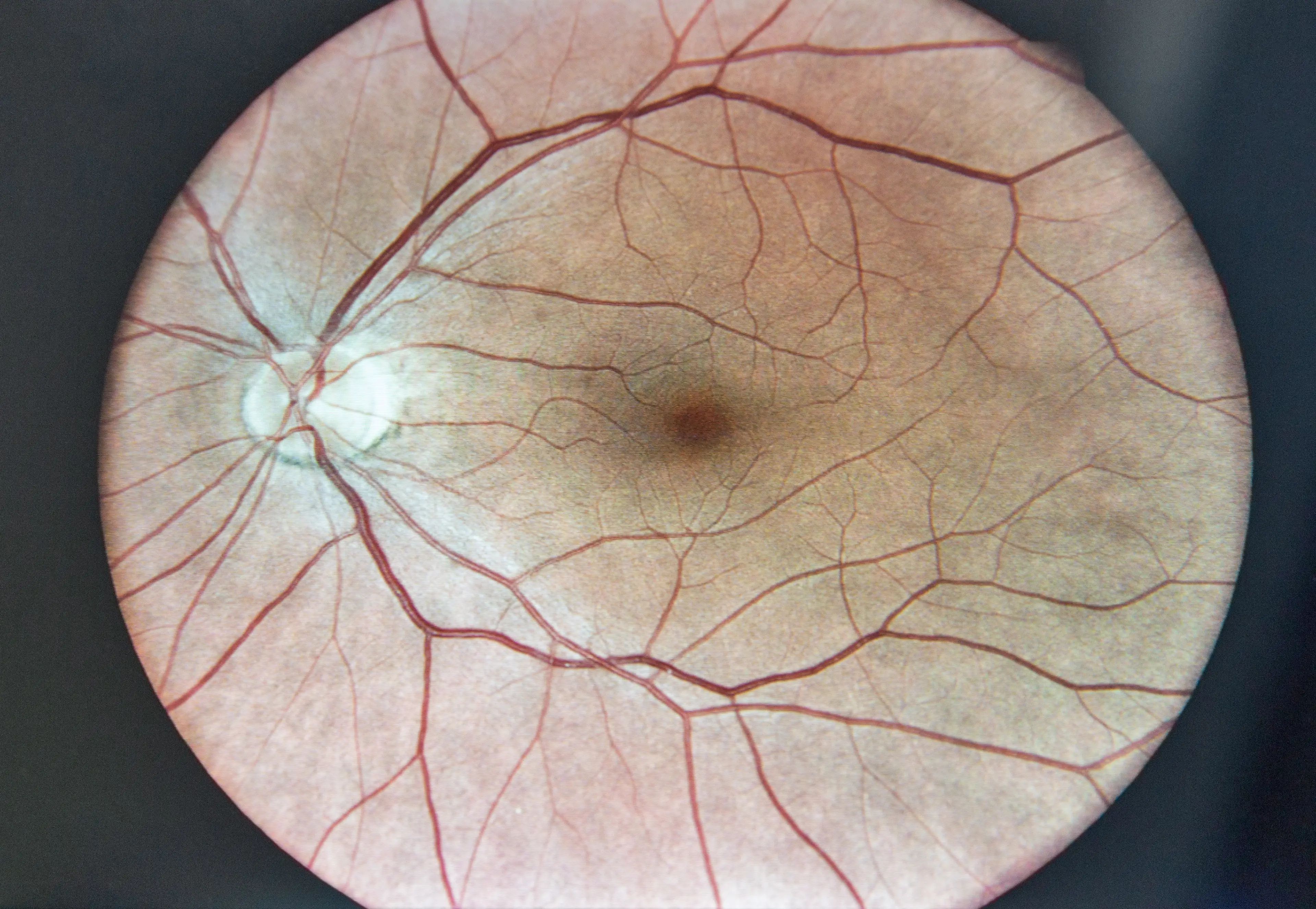
The health condition we're talking about is glaucoma, which causes damage to the optic nerve that connects the eye and the brain, and is most common in people over the age of 50.
It can cause vision loss if it's not diagnosed and treated early but as per the NHS, it doesn't usually have symptoms so most people don't even realise they have it.
Advert
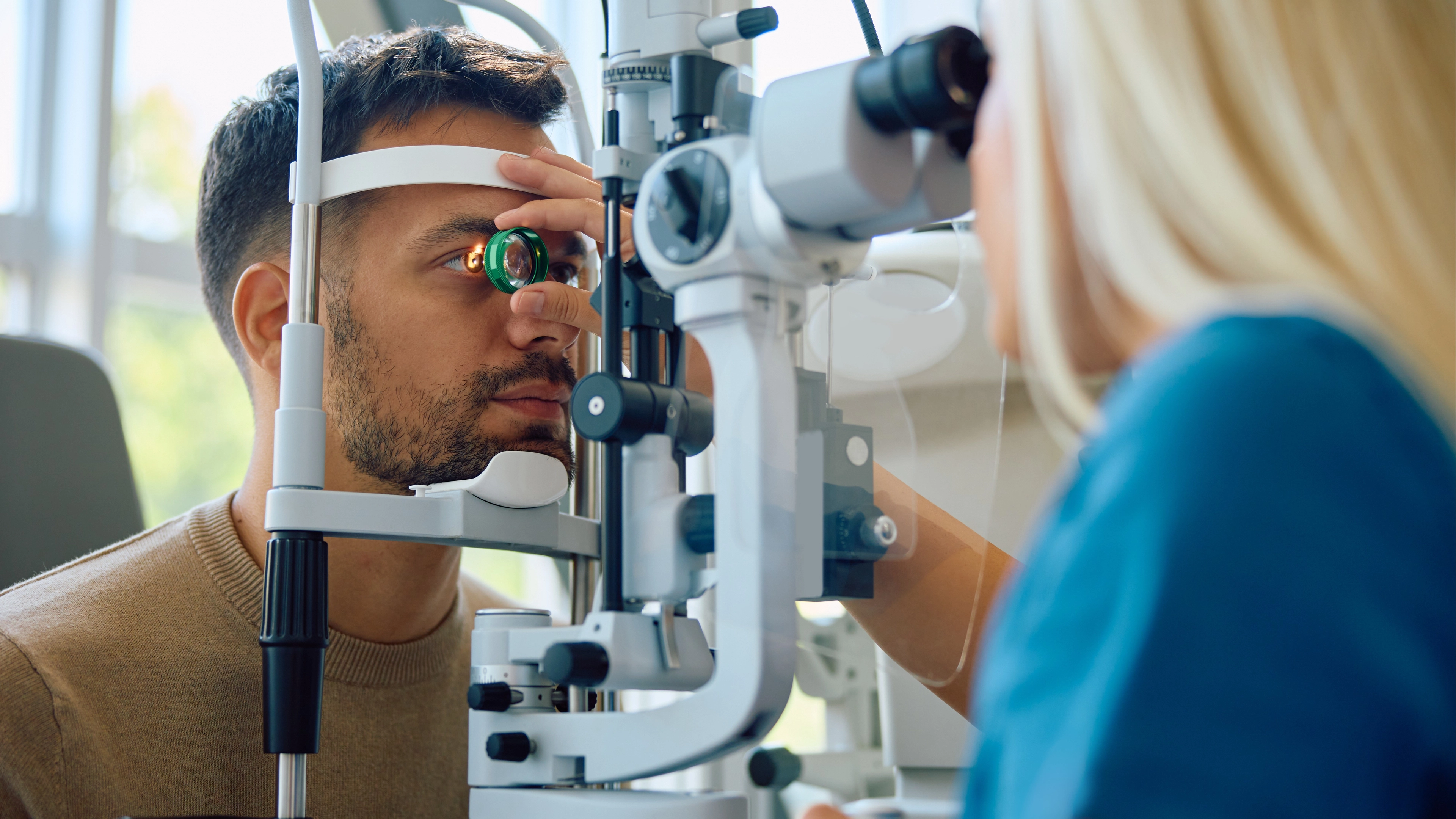
Glaucoma develops slowly over many years and is usually picked up during routine eye tests, which is why it's really important you visit the opticians and regularly get checked out, even if you don't wear glasses.
Experts have stressed the importance of annual eye checks especially for people in middle age, and called for awareness campaigns to be rolled out to address late diagnosis.
It usually affects both eyes, but it may be worse in one eye, and sometimes, it can develop suddenly and cause symptoms such as intense eye pain, a red eye, tenderness around the eyes and seeing rainbow-coloured circles around bright lights.
You might also experience blurred vision, feeling sick and being sick and a headache.
Researchers have warned that the increase is a 'demographic timebomb' that will require 'serious planning and action now' to ensure future patients have timely diagnosis and treatment.
And the new analysis found more than one million people in the UK may have glaucoma, which is higher than previous estimates.
Researchers from UCL and Moorfields Eye Hospital said previous estimates suggest about 700,000 people in the UK are living with glaucoma, but this figure 'may not reflect the current population structure'.
Using the most recent census data, the team estimates that 1.1 million people in the UK currently have the condition, the equivalent of 3 per cent of the population over the age of 40.
This is estimated to rise to 4 per cent among people of African descent, and 11 per cent in people over the age of 85.
Elsewhere, the study, which was published in the British Journal of Ophthalmology, suggests that glaucoma cases in the UK will rise to 1.6 million by 2060 based on population predictions from the Office for National Statistics.
Lead author Professor Paul Foster, a UCL Institute of Ophthalmology researcher and consultant ophthalmic surgeon at Moorfields Eye Hospital, said: "Glaucoma is a common cause of blindness, but it isn’t symptomatic until its later stages, so regular tests are important for early diagnosis.
“Previous studies have estimated that half of glaucoma cases are undiagnosed, and this is even higher among some ethnic minority groups who are more likely to experience delays in diagnosis."
He warned that late diagnosis comes with a higher risk of sight loss and higher costs of care, with over 40% of glaucoma patients in the UK experiencing vision loss that could have been prevented with earlier diagnosis and treatment such as eye drops or surgery.
Prof Foster added: "Our findings show that there will be a large increase in glaucoma cases in the UK, so there’s a growing need to expand eye health services to meet this demand, including specialist care and diagnostic capacity.
"Awareness campaigns encouraging people to get their eyes checked are also needed as part of targeted early detection strategies, particularly to address late diagnosis in underserved, hard to reach populations."
He urged: "For people in midlife onwards, it’s important to get your eyes checked annually by your optician, to detect changes that haven’t yet caused any symptoms."
 Madison Burgess