Disturbing truth behind where hair extensions really come from

Hair extensions are produced by a disturbing global industry, with some hair being taken from extremely unpleasant sources that will make you think twice about purchasing them.
Historically, selling hair has long been something which poorer women have done from the ancient world, through the enormous wigs of the 18th century, up to the Victorian period.
An investigation by ITV News looked into how hair has become part of a globalised economy, and unsurprisingly, women from countries with lower wages tend to be the primary source of hair for extensions and wigs.
While selling a full head of hair can be worth a lot of money, there is also another way that hair is sourced, which might make your stomach turn.
Advert
So how does the industry work? Let's get into it.
What types of hair are used for hair extensions?
Broadly speaking, three grades of hair are commonly used in the manufacture of hair extensions and wigs.
The cheapest option is synthetic hair, which is made from polymers; although it's cheaper, it is considered lower quality. Meanwhile, the most expensive type of hair is called 'virgin hair', which is hair cut directly from someone's head and has undergone minimal processing.
From here, there is also hair that has been dyed versus hair that is a natural colour, which adds another element of desirability.
But what about hair that falls between synthetic and 'virgin hair'? This is human hair which may sometimes come from a less desirable source.
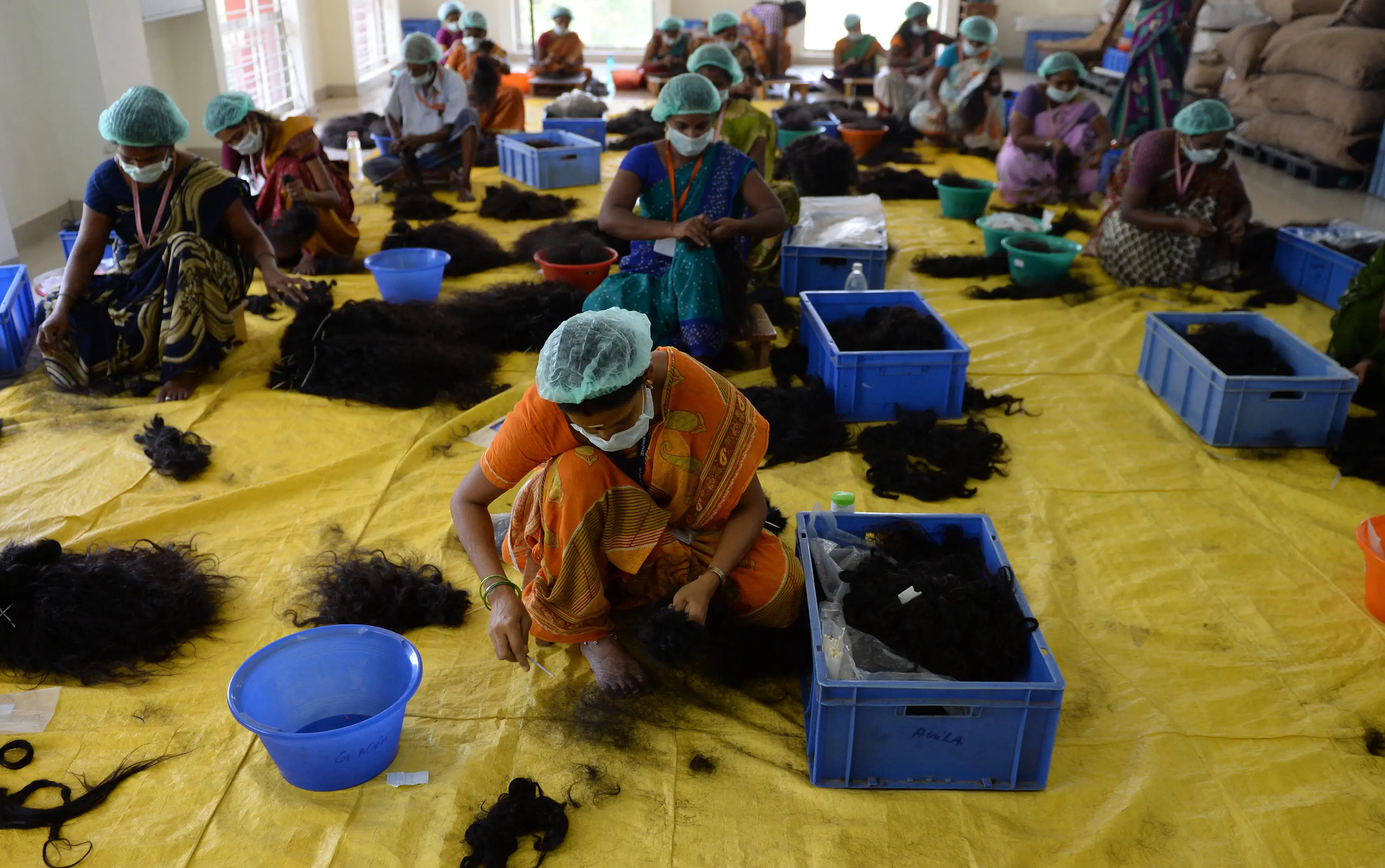
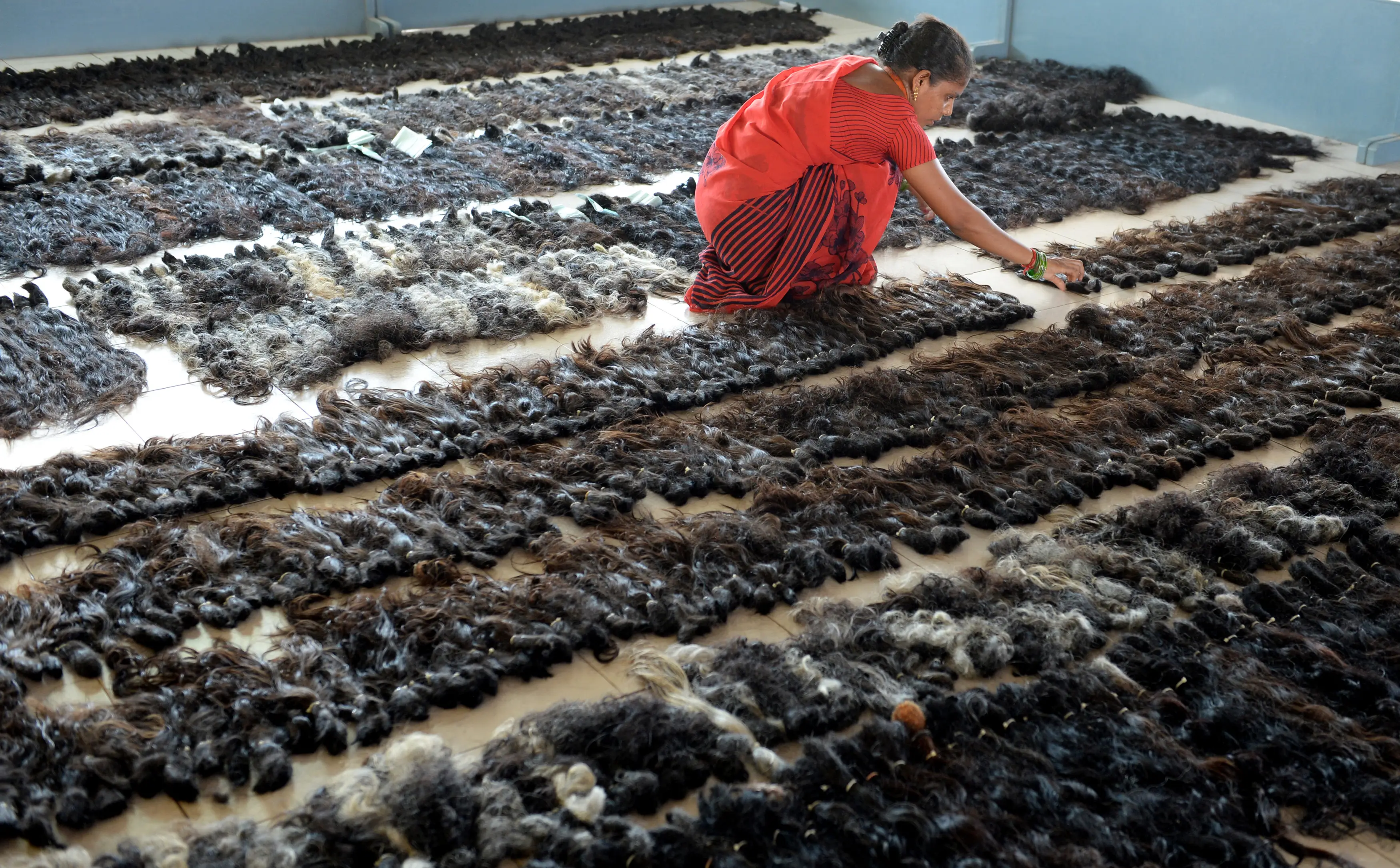
Lower-level human hair is sent to processing centres tangled up because it is sourced from the strands that come out when hair is combed or washed, and are gathered over time.
Some is also sourced directly from drains, meaning it starts life as something like that slimy mess you pull out of the shower plughole.
This is cleaned, treated, and detangled before being shipped off to factories that produce hair extensions and wigs.
Where are hair extensions sourced?
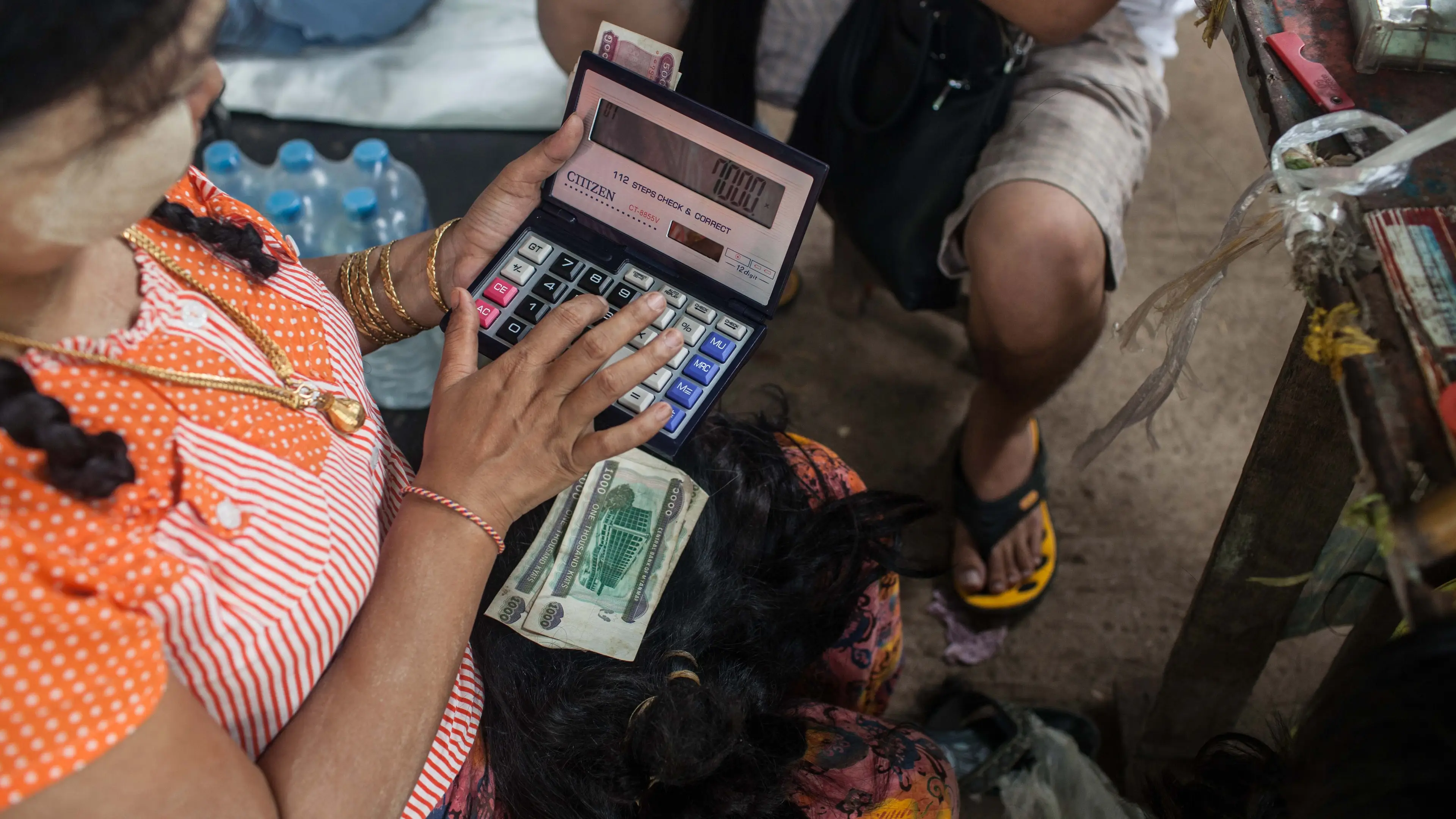
South Asian countries such as India, Bangladesh, and Myanmar, which also have low wages and big wealth gaps, are major sources of hair, with some women selling it while others donate their hair at Hindu temples.
An investigation by ITV News looked into how many women do this, and found that many who donate their hair at temples don't understand what happens to it.
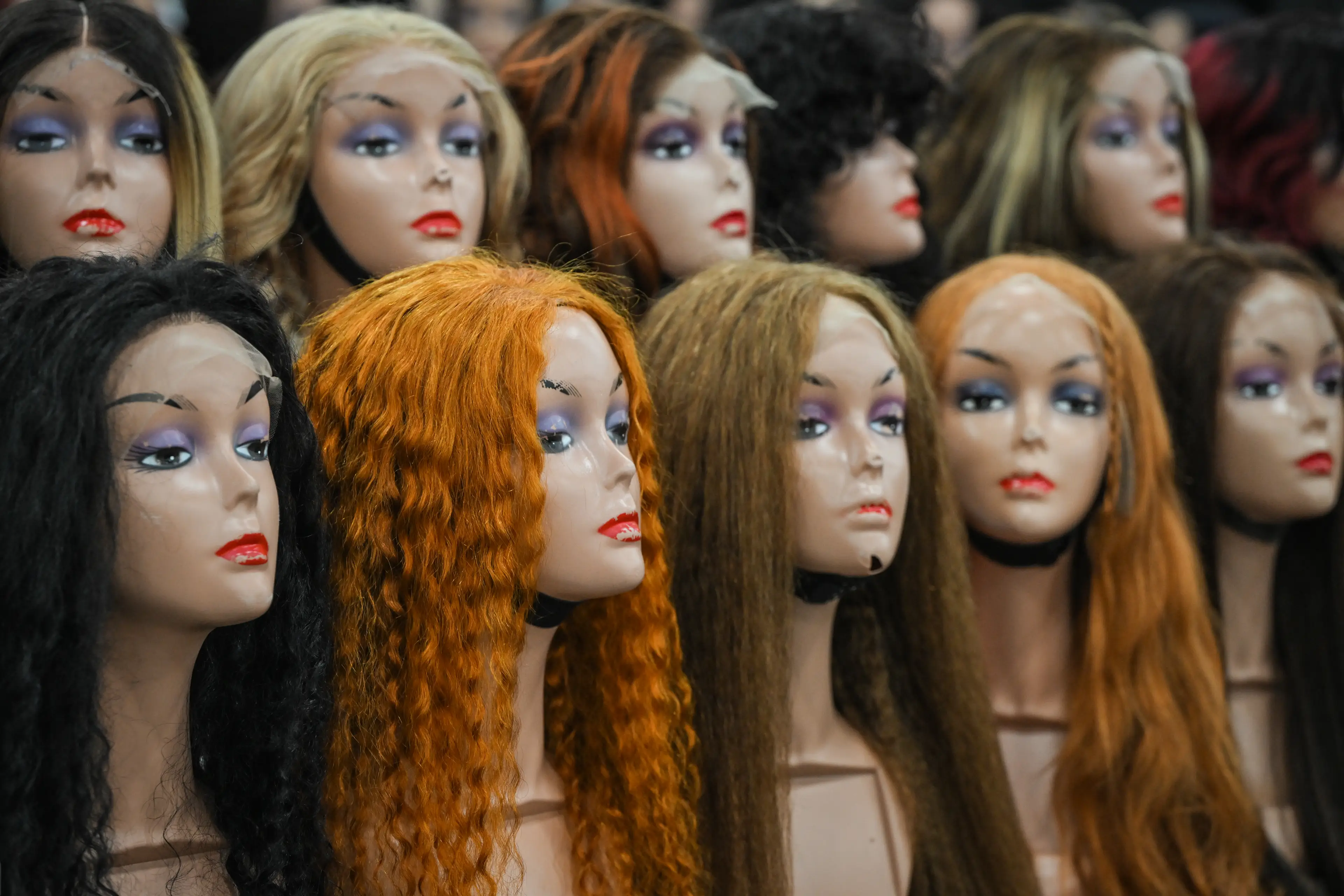
Lower quality hair, sourced from brushes, drains, and even sewers, is processed and often then shipped to China, the biggest importer and exporter of human hair, where it is made into wigs and extensions before being sold into Western markets.
ITV journalist Cree-Summer Haughton was told about lice infestations and children as young as three helping sort tangled balls of matted hair.
Disturbingly, there is evidence that some hair in China is also sourced from forced labourers and prisoners.
In 2020, US customs seized an import from China of hair products made from people being held in 're-education' camps in Xinjiang in the country's west, where the Chinese government has been carrying out forced sterilisation and political indoctrination of the Uyghur people, an allegation the Chinese Government denied as malicious and false.
Can human hair ever ethically be sourced?
The ITV News investigation spoke to Dan Angus, the CEO of Remy Cabello Hair, who told the outlet: “If you’re not there you don’t actually know where that hair has come from.”
He added: “What I dislike is when big companies claim transparency but can’t trace their own supply chain.”
Sometimes hair can be sourced from people who are donating or selling it knowingly, for example people who are shaving it for charity, or who want to sell it.
However, when it comes to the scale of the beauty industry, this is unlikely to meet demand.
“It’s coming from lots of different people’s heads - children included," said Angus. "And what choice did they have over that?”
Topics: News, World News, Beauty, Hair
 Kit Roberts