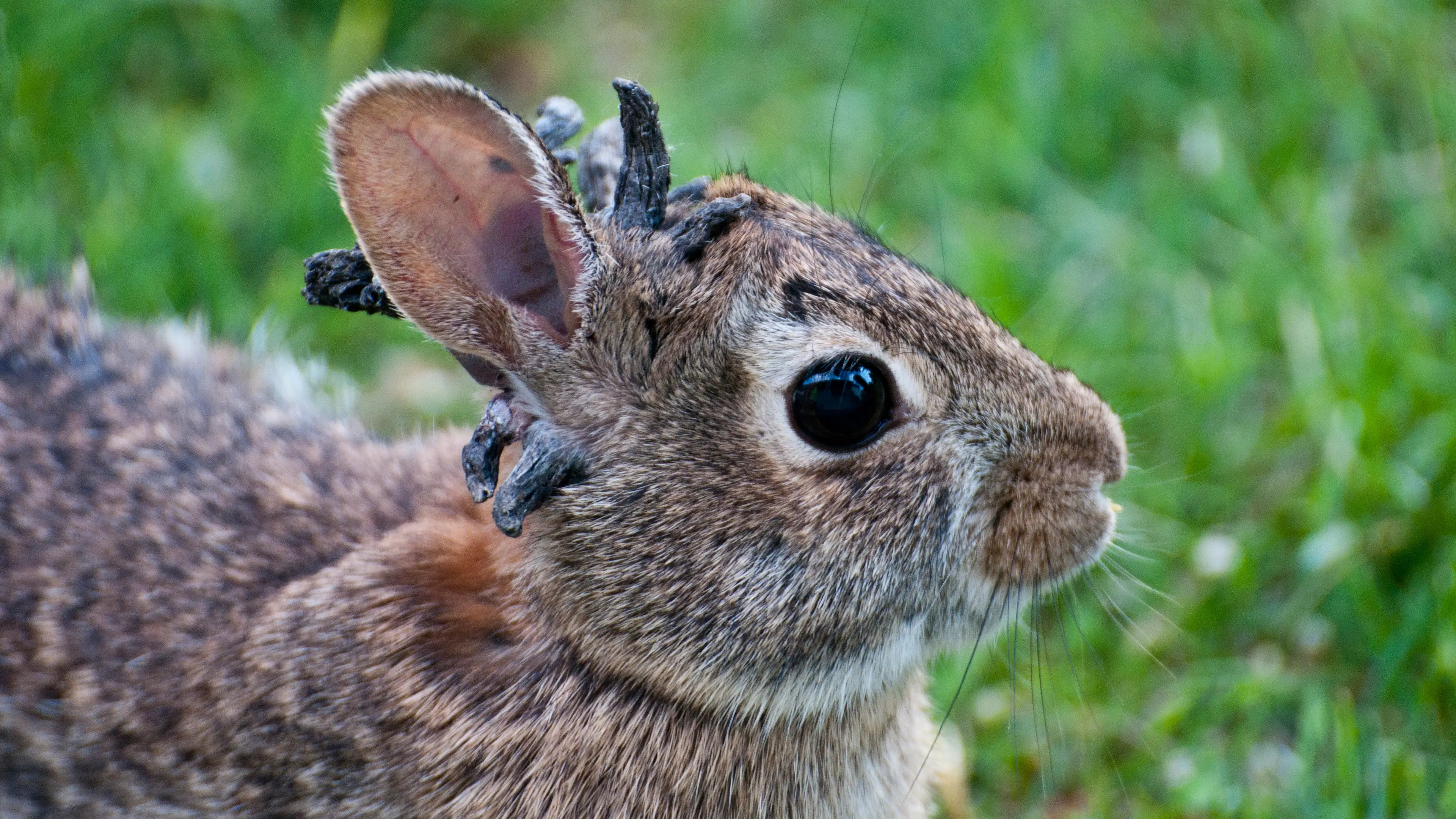
‘Frankenstein’ rabbits made an alarming return as they invade US

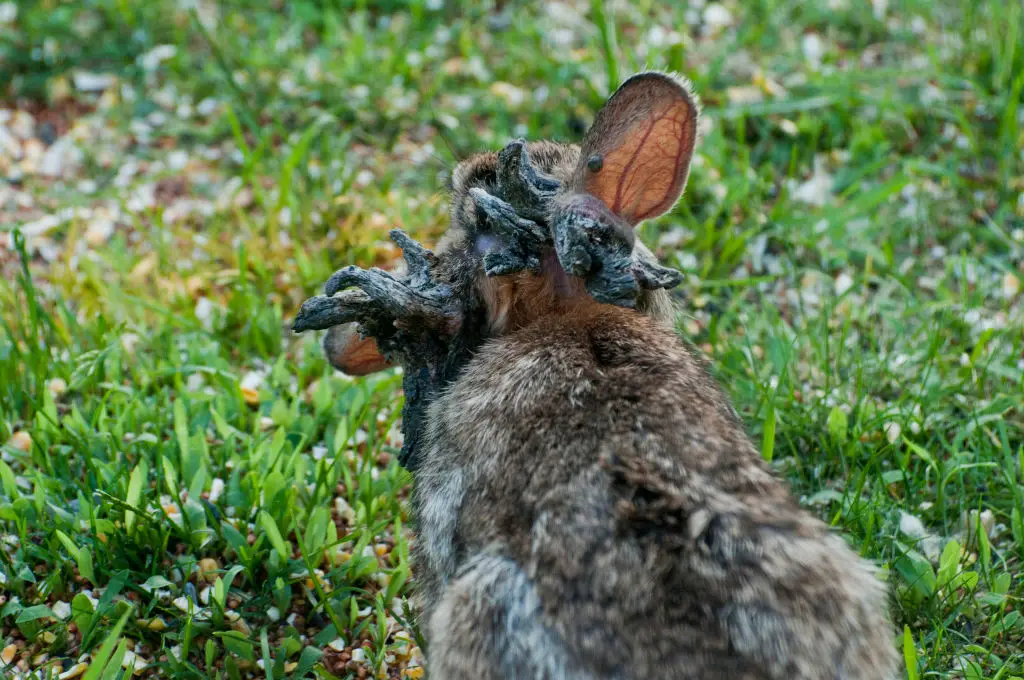
Reports of ‘zombie rabbits’ with black tentacle-like growths sprouting from their heads are beginning to emerge again in America.
It comes after photos began circulating on social media of the terrifying-looking creatures last summer in Colorado, prompting the state’s Parks and Wildlife Department (CPW) to issue a statement.
Now, with sightings on the rise again, people have been left worried and confused over the animals, which look like 'zombies', with many dubbing them as 'Frankenstein rabbits'.
As reported by MailOnline, the creatures have been recently spotted in Wisconsin, Minnesota, and New York, by onlookers who have likened them to 'something that escaped from a horror movie.'
Advert
The publication reports that one Facebook user who saw one in New York wrote: “Made eye contact with this rabbit and immediately regretted it. All jokes aside, I reported it to the proper wildlife authorities, but this thing was gnarly.”
While another person asked on Reddit a few months ago: “'I have never seen this. Didn't even know about this. Anyone else seeing infected rabbits like this in Minnesota?”
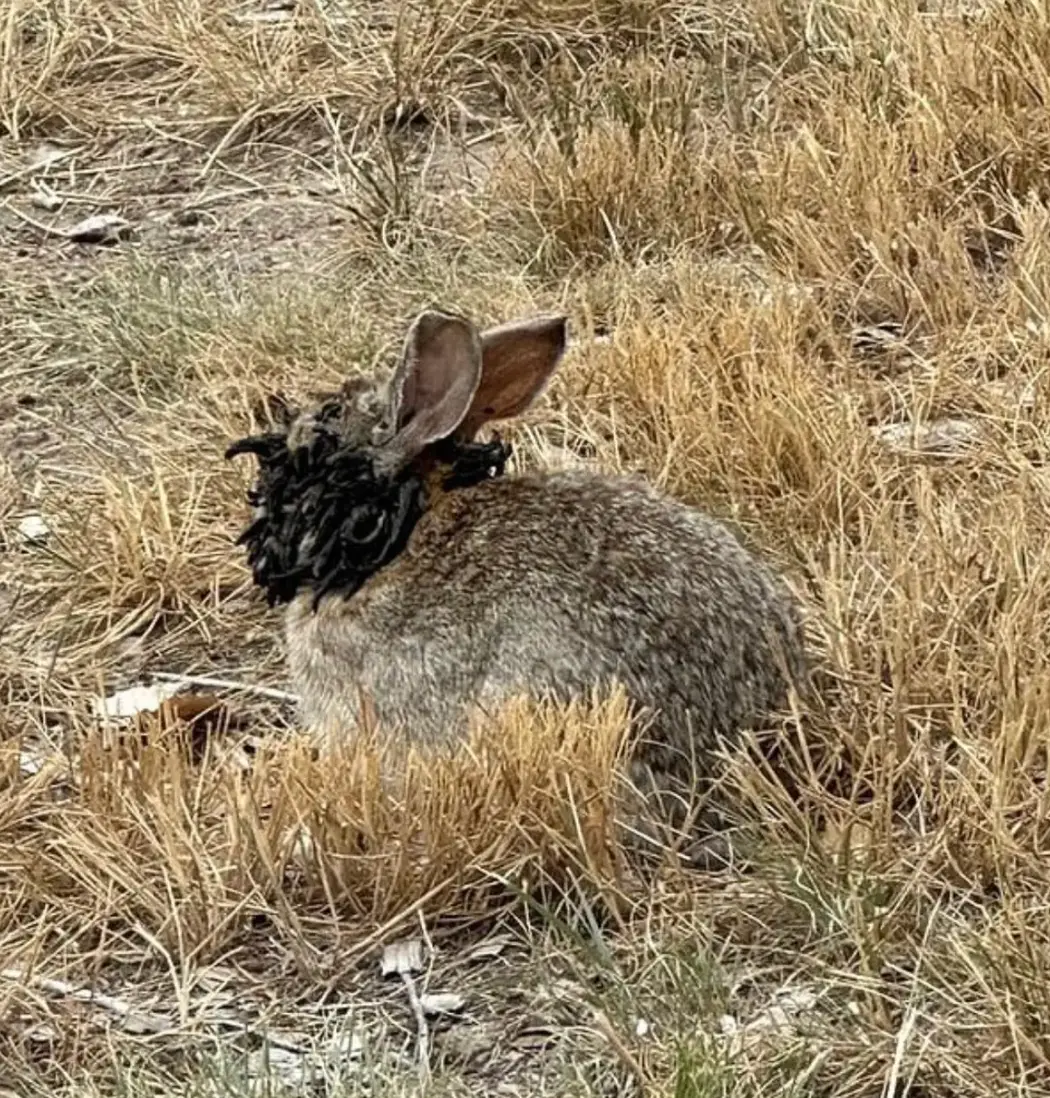
However, no matter how scary they might look, they are actually just poor bunnies who are suffering from something called cottontail cutaneous papilloma virus (CRPV), sometimes known as shope papilloma virus.
The disease, which isn’t currently present in the UK, is a rare but serious viral condition that can affect both wild and domestic rabbits.
It's spread by infected mosquitoes and ticks, and is usually more common during the summer and autumn, when populations of disease-carrying insects are highest.
It causes black horn-like masses to grow, which can then turn into malignant tumours, often found on the upper half of the animals' bodies.
Even though they aren’t harmful to humans, officials from CPW previously warned people to stay away from the infected rabbits and not to touch them.
Spokesperson Kara Van Hoose told KDVR last year: "There’s no overt concern needed for pet owners. We would just say to keep those wildlife principles in mind when you do have them out: Keep them on leash, keep them away from wild animals just in case, but it is not something necessarily we see transferred from rabbits to dogs.”
She also noted that the rabbits can often fight the virus by themselves without human intervention, but tragically, in some cases, the growths can cause the rabbits to struggle to eat, resulting in starvation.
PetMD advises to keep your rabbit away from pests, including mosquitoes and ticks, to prevent the animal from contracting CRPV, which will in turn, prevent the spread of the disease.
The site reassured that there is no concern for spread to other animals or humans at this time, as the virus is species-specific to rabbits only.
 Madison Burgess