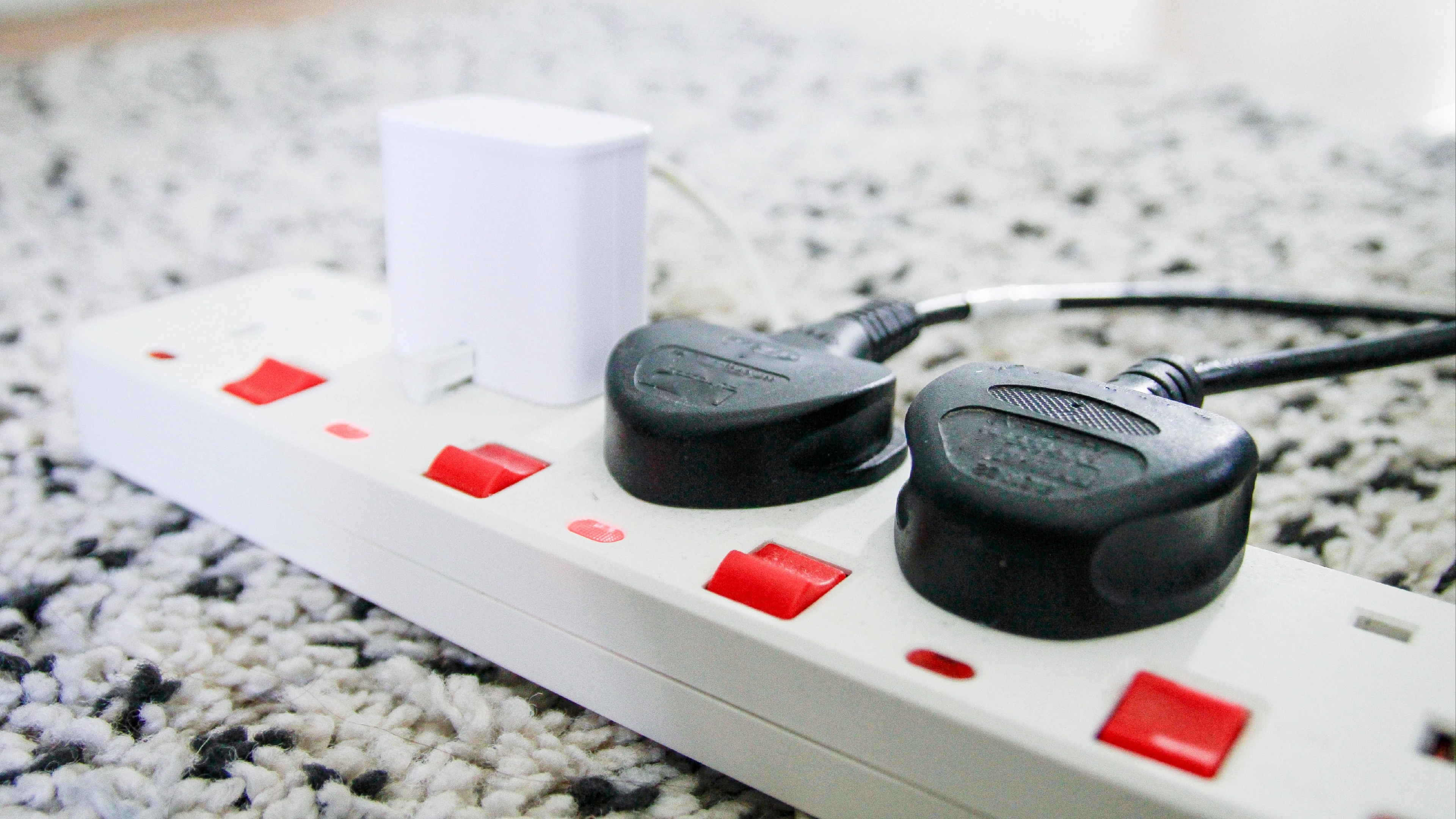
Extension lead warning as people told ‘do not ever’ make one mistake

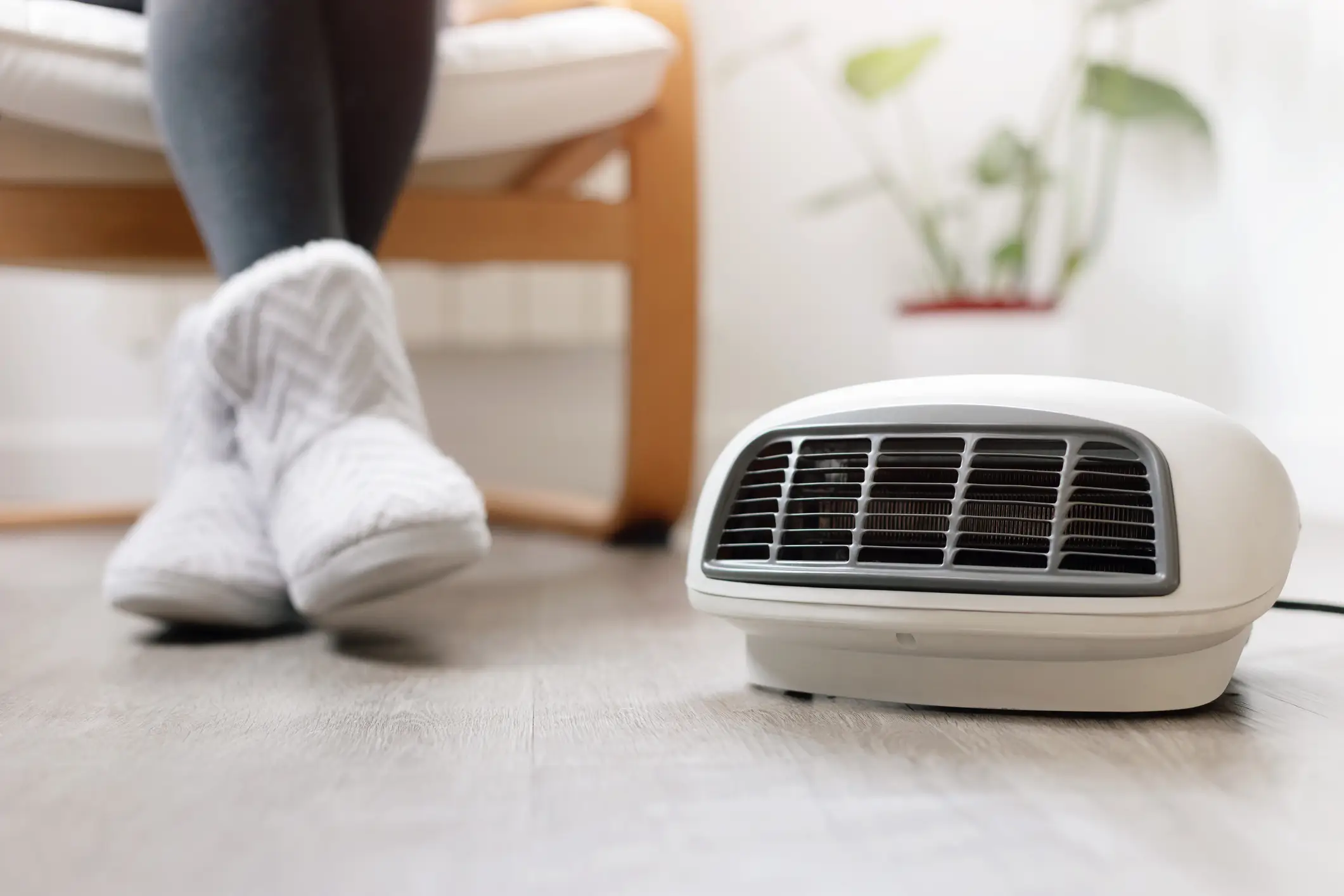
When you’re putting up your lights and getting your portable heater out this winter, there’s nothing better than seeing an extension lead on the floor to save the day...but you need to be wary of making one mistake.
It’s no secret that Brits love a cosy home to walk into after spending time outside in the rain or snow.
That’s why portable heaters are the nation’s favourite home appliance.
However, the rapid warmth can come at a cost, and like any electrical device, you need to make sure you’re following proper safety precautions.
Advert
Experts at DRA PAT Testing have since revealed the common mistake people often make when it comes to their heater.
On the organisation’s website, the experts shared there is one thing you must never plug your heater into, for fear of sparking a fire.
It’s your handy extension lead.
They wrote: "We cannot stress the importance of this enough – please, please, please do not, ever, plug electric heaters (of any kind) into extension leads.”
They added that you should only plug it into a mains socket, never leave them on ‘permanently’ - and make sure you’re turning them off.
On top of their advice, DRA PAT Testing wrote their four electric safety recommendations for everyone to follow. This includes not pulling the heater plug out of the wall by the cable, not leaving the heater unattended when it’s on, not plugging a heater into an extension lead, and making sure you unplug it when it’s not in use.
They went on to share a time an office plugged a heater into the extension lead, causing the extension socket to ‘overheat and melt’.
Luckily, there were no flames in this incident.
According to the Dorset and Wiltshire Fire and Rescue, 7,000 house fires are caused by ‘faulty electrics, appliances, wiring and overloaded sockets every year in the UK’.
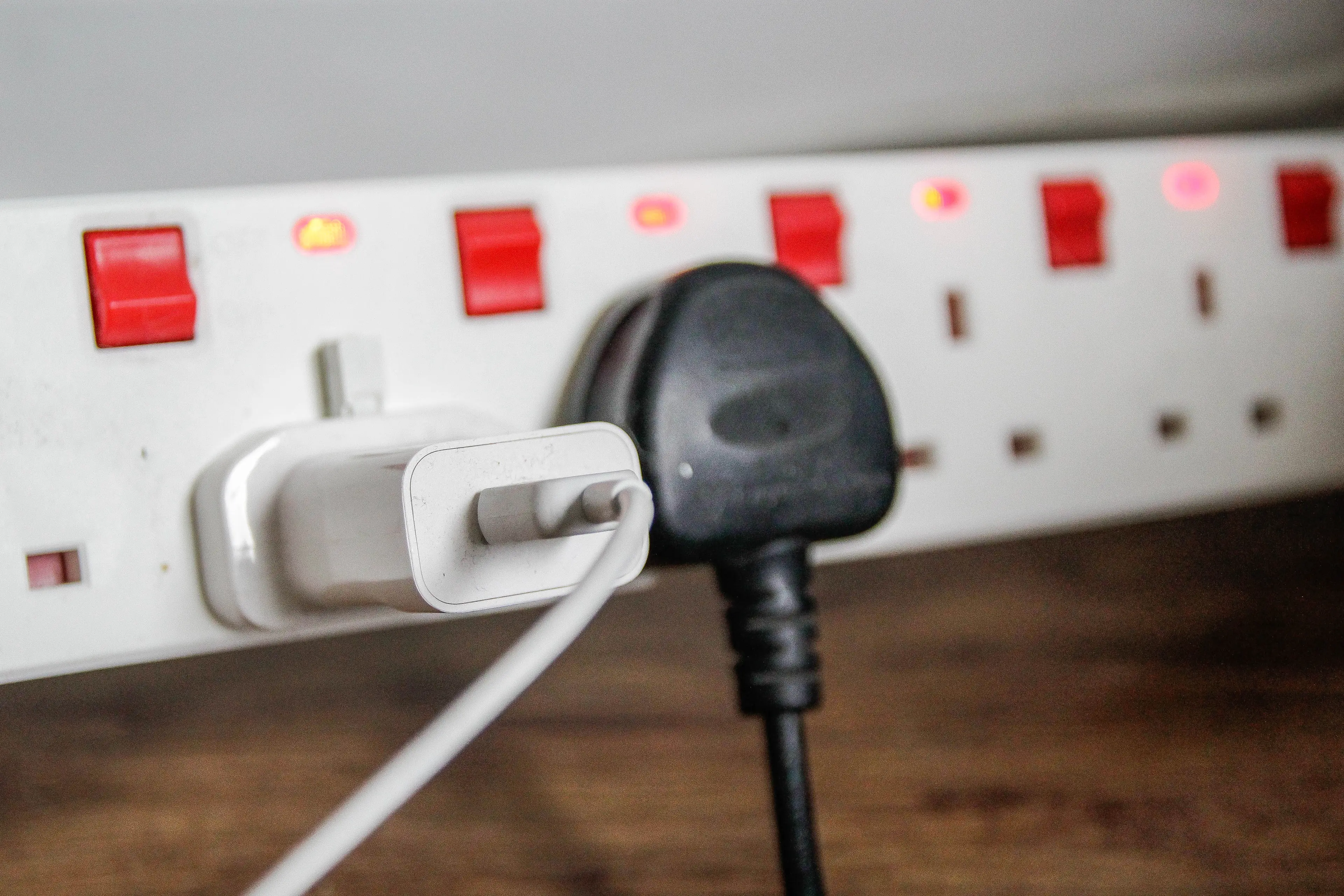
As firefighters have seen their fair share of appliances that cause issues, they’ve listed just what you need to check when you have plugs and sockets in use in your home.
- Watch for signs of dangerous or loose wiring, such as scorch marks, hot plugs and sockets, fuses that often blow, circuit breakers that trip for no obvious reasons, and flickering lights.
- Don’t overload sockets – plugging in too many electrical appliances into one socket can cause overheating.
- High-powered appliances, such as washing machines, should have a single plug to themselves.
- An extension lead or adaptor will have a limit to how many amps it can take, so be careful not to overload it – use the calculator above to check.
- Cable reel extension leads must always be fully unwound.
- Look out for signs of a badly wired plug – any coloured wires sticking out could come loose and debris could also get into the plug, causing a fire hazard.
- Never cut off sealed plugs to use them again.
 Britt Jones