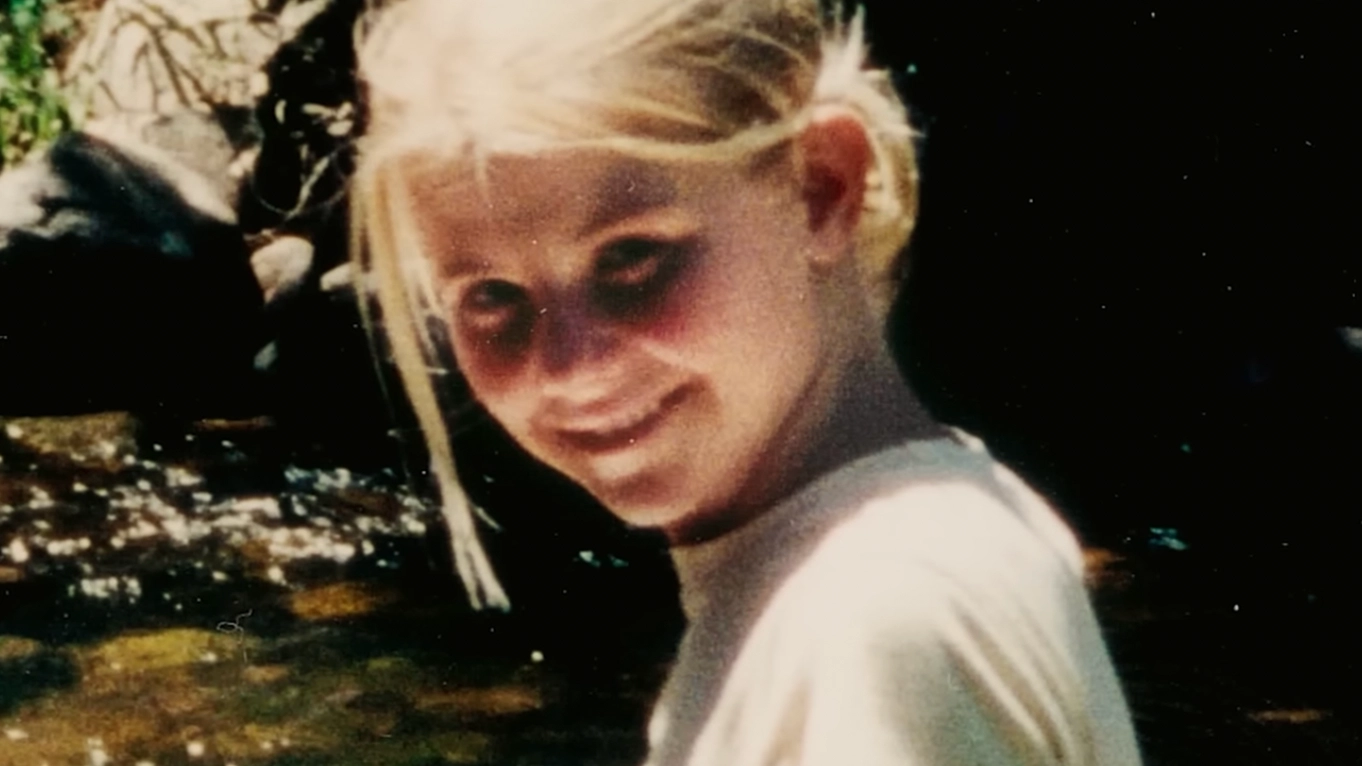
Woman kidnapped from childhood bedroom as a teen recalls disturbing promise her abductor made

On 5 June 2002, 14-year-old Elizabeth Smart awoke in the dead of night to find a bearded stranger holding a knife to her throat.
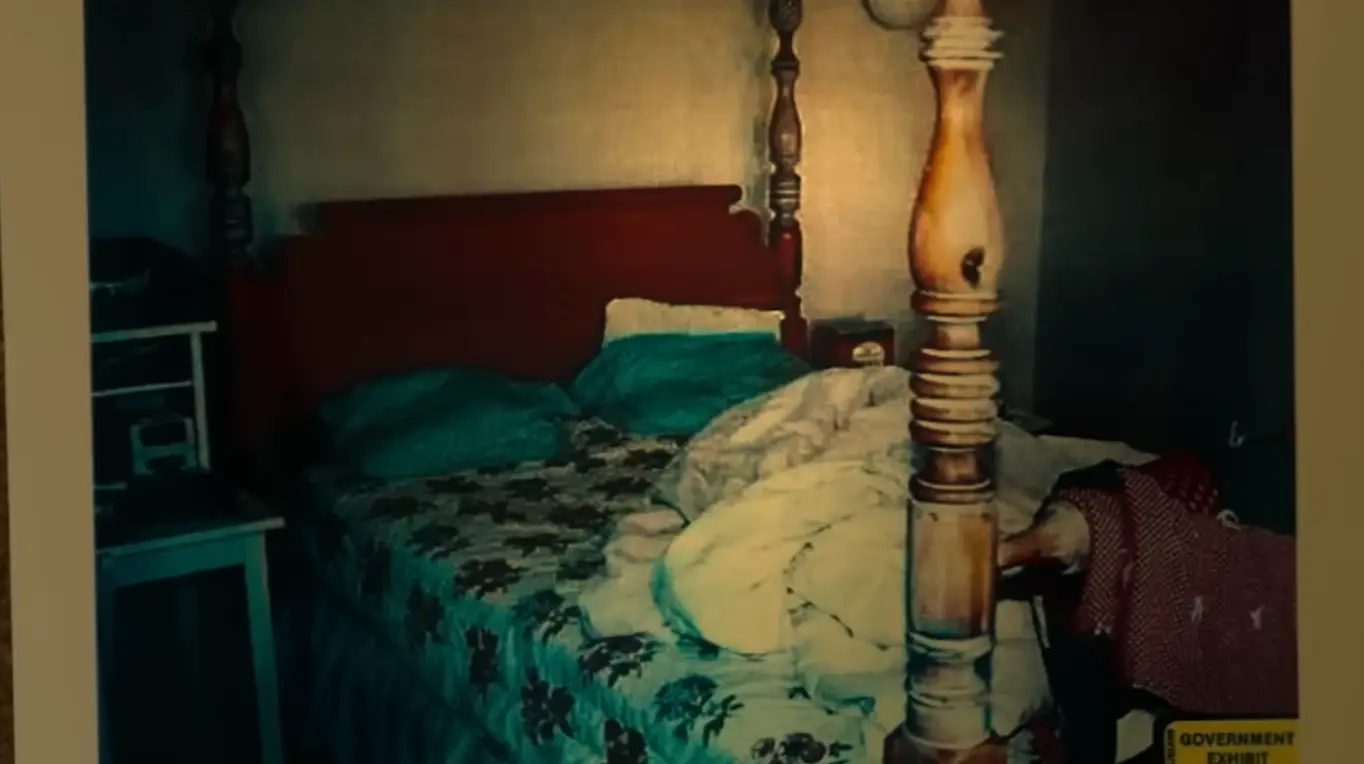
Having broken into the childhood bedroom she shared with her little sister, Mary Katherine, the man led a crying Elizabeth out of the back door of her Utah home. He dragged her along a trail from the back of the family's garden that led directly into the mountains that surrounded Salt Lake City.
It would take nine months for police investigators to track the missing teenager down, with nine-year-old Mary serving as the only witness to the stomach-wrenching crime, after she pretended to have slept through it.
Elizabeth wouldn't recount her hellish experience - which she says started with a sickening promise of abuse being made by her captor - for a further 22 years, however, when she'd front a bombshell new true crime documentary on Netflix.
Advert
Kidnapped: Elizabeth Smart lands on the streaming service on Wednesday (21 Jan), and hears from both Elizabeth and Mary Katherine first-hand, as well as the pair's wider Mormon family, and detectives that finally brought her abductor to justice.
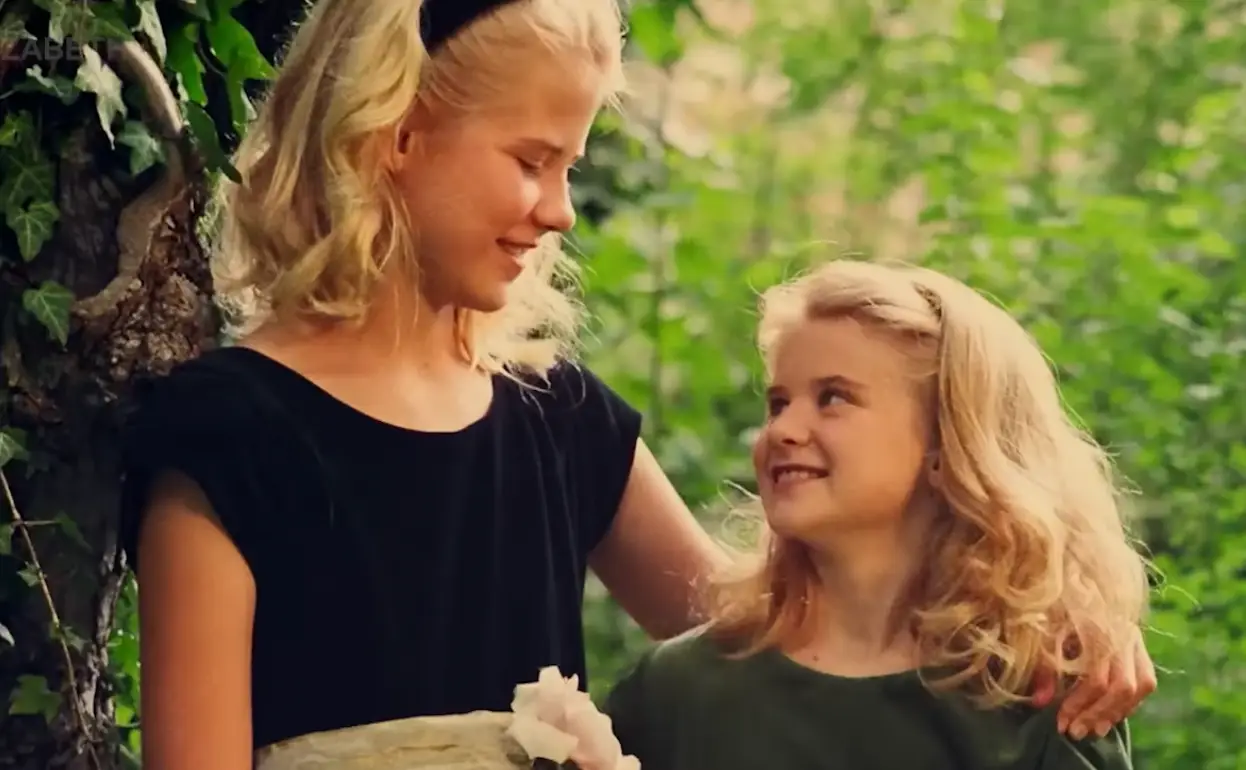
The documentary kicks off with Mary Katherine recalling what she saw the evening her beloved big sister was taken away, later to be presumed dead.
"That night, Elizabeth and I said our prayers together, and we went to sleep," she began. "The next thing I remember, there was a man in my bedroom telling Elizabeth if she screamed, he would kill her. I was paralysed - I just couldn’t believe what was happening.
"I finally worked up enough courage to tell my parents Elizabeth was gone - a man had come and taken her."
'Familiar face'
The weeks that followed saw Mary Katherine ceaselessly interrogated by police over the kidnapper's appearance, after claiming the hairy, white, soft-spoken man in his 40s 'felt familiar' to her.
Recalling the interviews, she claims in the gripping new documentary: "I knew I’d heard the voice, I just couldn’t remember where I’d heard it from.
"I wanted to help in any way that I could. I was interviewed several times, they even tried to interview me at one point. There was pressure from everyone - pressure not to have me talk to anyone, pressure to get everything out.
"It was a lot for a nine year old."
Their parents, Ed and Lois Smart, also fronted a handful of television appeals following their daughter's kidnapping. The couple arranged several massive regional search efforts, with over 2,000 volunteers venturing out into the city to find her, to no avail.
Whilst her parents searched and Mary Katherine wracked her brain to place the abductor, Elizabeth was being dragged 18 miles from her home to a make-shift camp in the wilderness.
Of the journey, she recalls in the documentary: "I was terrified. Was he going to hurt me? Was he going to kill me?
"I was hoping my parents would wake up but nobody came. He led me up through my backyard. We started up this trail, and I remember thinking, ‘Where is he taking me?’.
"I was so worried that I was missing my chance to escape."
'God-sent prophet'
Elizabeth claimed she asked her captor if he'd planned to abuse her sexually, or murder her.
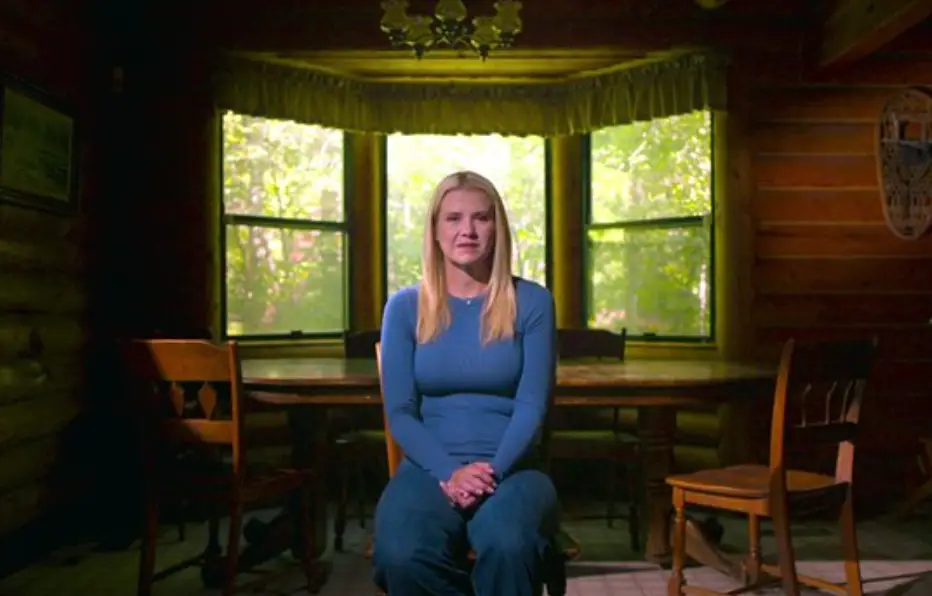
"I thought that must be what he’s going to do," she continues. "Then, I wanted him to do it as close to my house so that my parents could find me."
The bearded man - dressed in a peculiar white robe - reportedly turned to her before making a pledge that made her heart drop.
"He just had this terrible smile, and he looked at me," Elizabeth tells viewers. "And said, 'I’m not going to rape and kill you yet'."
Arriving at the camp, her abductor finally identified himself as 'Immanuel David Isaiah', claiming to be a prophet of God who experienced visions.
'Immanuel' - who Elizabeth claimed 'looked like Rasputin' - also introduced the teen to another lady living in the shelter, his wife 'Hephzibah Eladah Isaiah'.
He claimed, despite being married, that it was his duty from God to kidnap and marry Elizabeth, as well as seven other young women.
"I tried to explain to him that this wasn’t okay, he couldn’t just kidnap me and marry me," the victim recalls. "I wasn’t legal. I was just 14 years old, and he had the same response to everything, which was, 'It’s now time to consummate our marriage'."
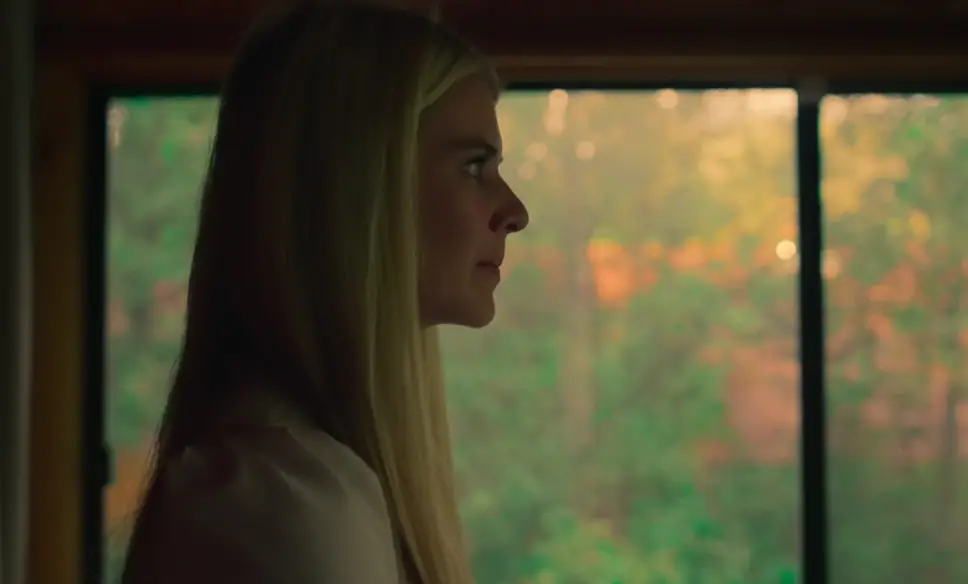
Between them, the pair tied up, raped and threatened Elizabeth with death on a daily basis for almost a year. She was also force fed alcohol and drugs, and starved for days at a time.
Mary's epiphany
Four months after Elizabeth's heinous abuse began, Mary Katherine's suddenly experienced an epiphany whilst reading in her home, realising where she'd seen her sister's kidnapper before.
Naming him as 'Immanuel', the youngster claimed she and Elizabeth's mother Lois had taken them downtown several months before her disappearance, where they were confronted with a homeless man 'who was going around preaching the good word', and a female partner.
The man in question had also been hired by the family to work for a day raking leaves on their roof as part of a programme for helping the homeless.
Despite the major witness breakthrough, police were reluctant to follow up Mary Katherine's claim, telling Ed and Lois there was very little they could do.
Many detectives also believed that they already had their suspect - a handyman named Richard Ricci, who had a previous parole violation and history of drug abuse, and who had worked for the Smart family.
He'd denied all accusations against him before suddenly dying of a brain haemorrhage whilst in custody. As such, some officers resigned to the fact that they'd never find the missing team, convinced Ricci had gone to his grave with the sole knowledge of her whereabouts.
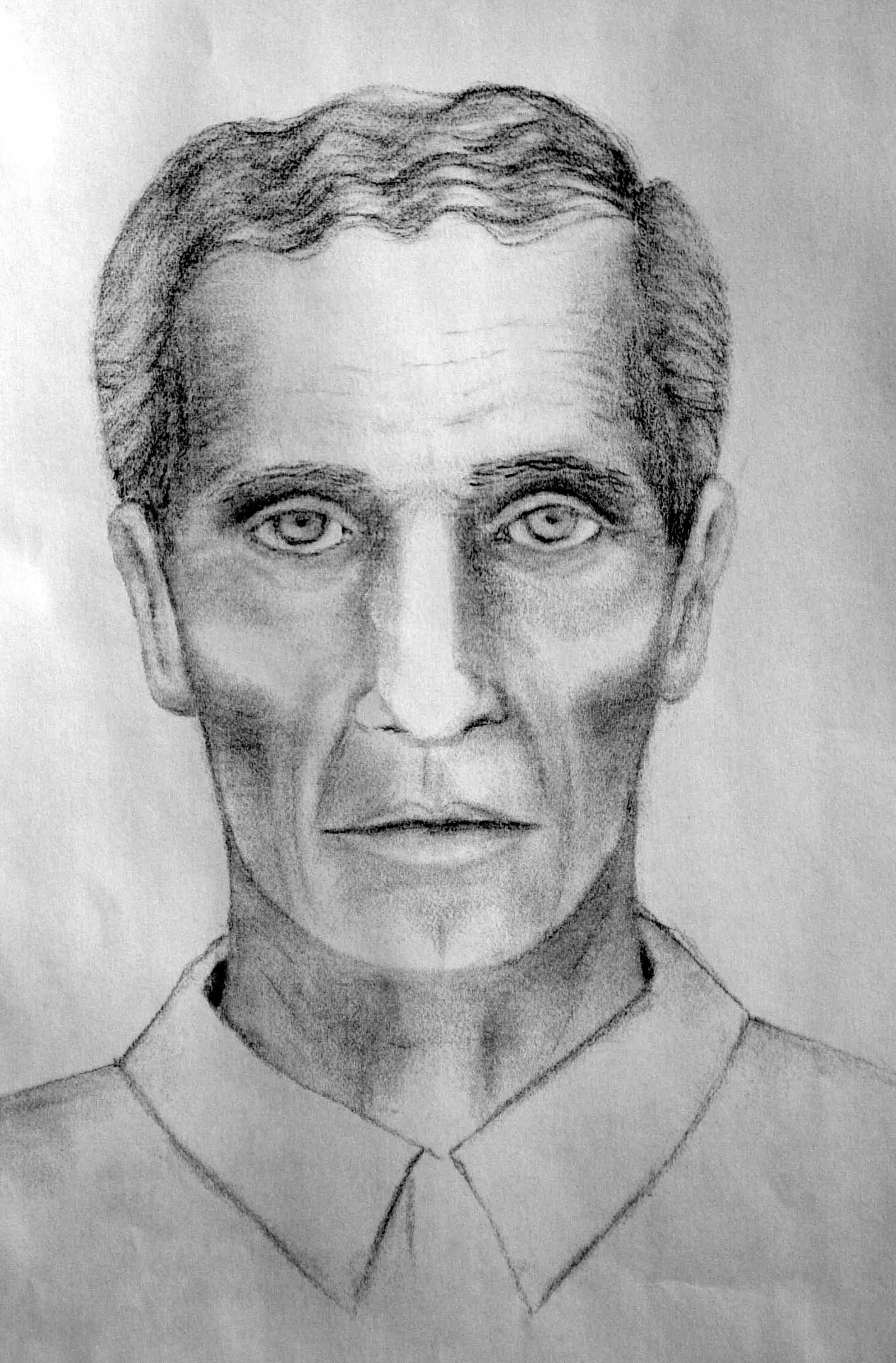
Forced to take matters into their own hands, Ed and Lois had a sketch artist draw an image of 'Immanuel' based on Mary Katherine's recollection and the accounts of other local homeless individuals.
A TV breakthrough
In February 2003, the image was shown on television instalments of both Larry King Live and America's Most Wanted. Eventually, a viewer of the latter dialled in, claiming the man in the photograph was his brother-in-law, Brian David Mitchell.
The caller also identified his accomplice as his troubled sister, Wanda Barzee, and handed police photographs of the couple, who'd previously been excommunicated from the Mormon church of Latter-Day Saints.
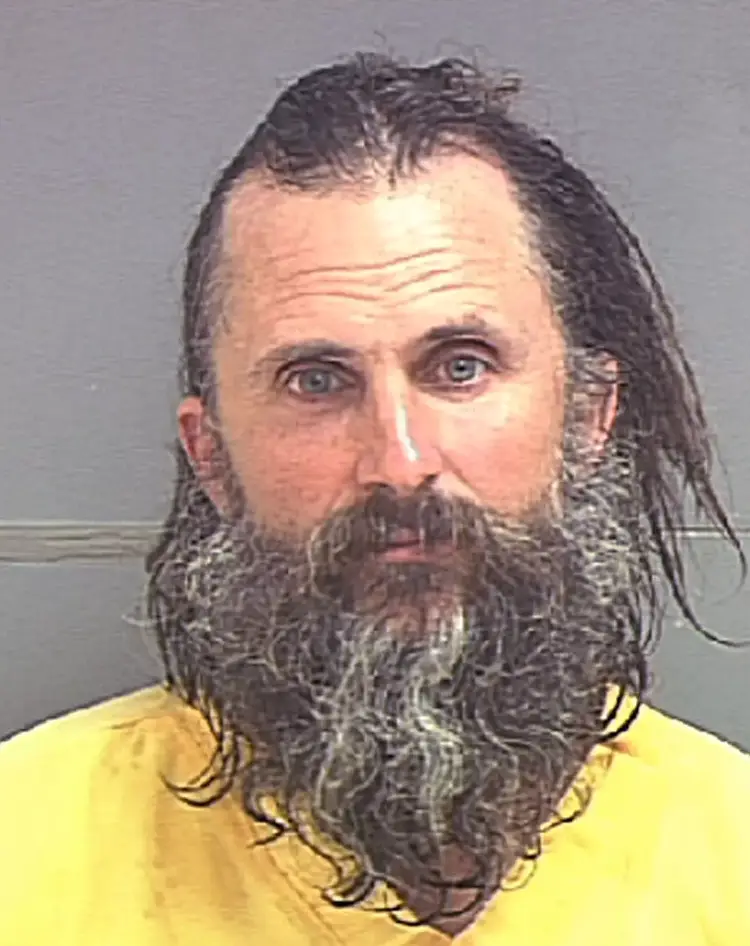
With real-life images of Mitchell and Barzee now circulating, it would take just over a month for a member of the public to recognise them after they ventured into Salt Lake City for the day.
The couple's identities had been obscured by veils and various other religious garments, whilst Elizabeth - who was trailing closely behind - was wearing an obvious wig, sunglasses and a t-shirt on her head.
Concerned for the younger woman following the couple, the bystander contacted Utah police who sent an officer that immediately recognised the teenager. Asked, 'Are you Elizabeth?', she reluctantly replied, 'Thou sayest'.
On 12 March, she was reunited with her parents, siblings and family dogs, sleeping that night in the bed she was taken from almost a year earlier.
In 2005, despite first being charged with aggravated kidnapping, aggravated sexual assault, and aggravated burglary, Mitchell was declared mentally incompetent, meaning he wouldn't be forced to stand trial. The same ruling was made again the following year.
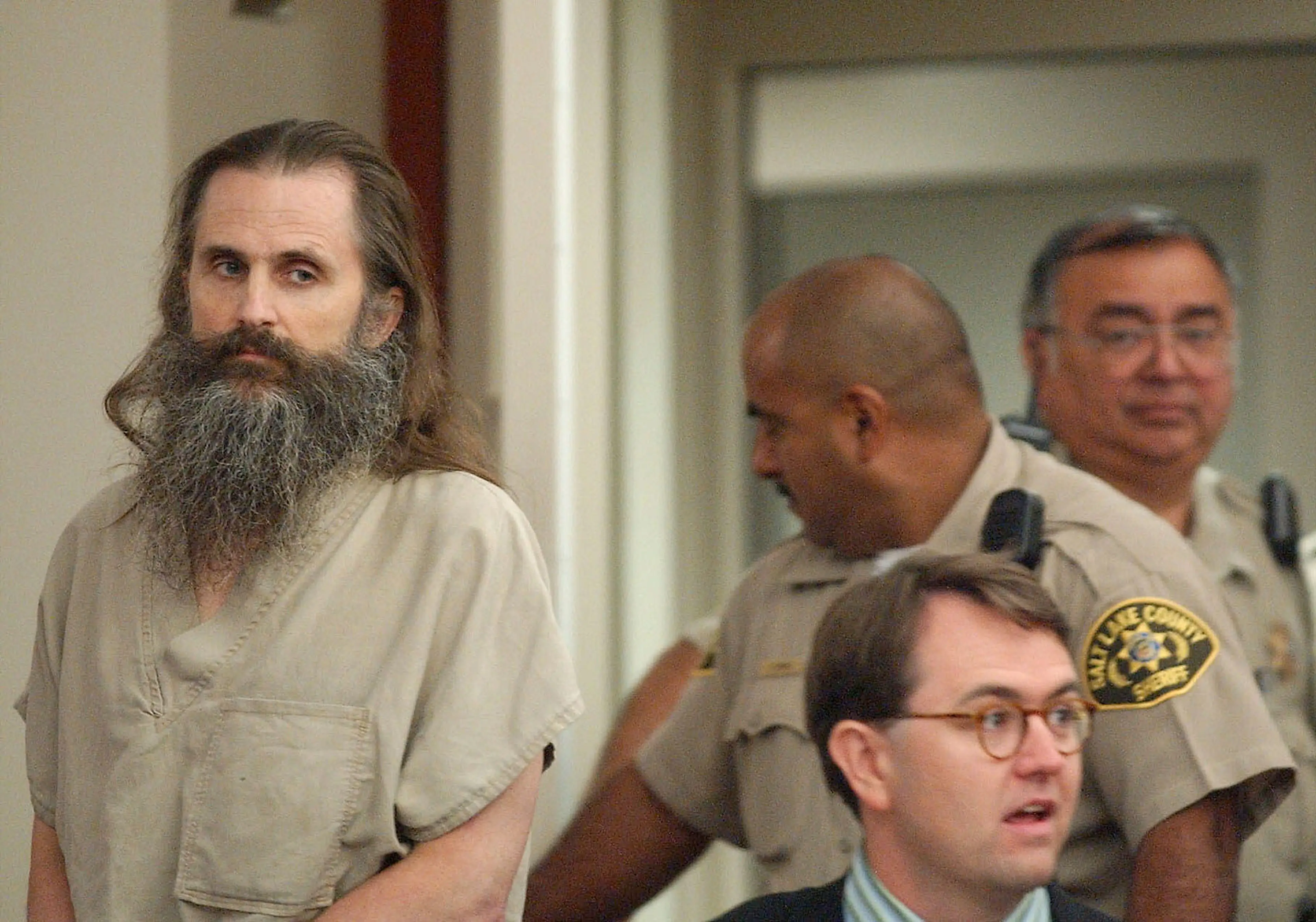
"The case dragged on for years and years," Elizabeth tells Netflix subscribers in this week's new doc. "It felt like the system was rigged against me. I thought, 'This has gone on for almost a decade, it needs to end'. I don't care what it takes.
"I don't care if I have to sit in the courtroom for months on end, if this is going to bring it to a close, then that's what I'm going to do."
In 2010, a year after Barzee was sentenced to 15 years for her role in the kidnapping - Mitchell was finally ruled mentally well enough to testify in court, and sentenced to two life sentences in federal prison.
As to where Elizabeth is now - she's a brave child safety activist and commentator for ABC News. She's married to a Matthew Gilmour, a Scottish Mormon whom she met during a mission in Paris, and she's a mother-of-three, having welcomed two daughters and a son with Gilmour.
"I used to sit and wonder what my life would be like, had I not been kidnapped," she concludes in her new documentary.
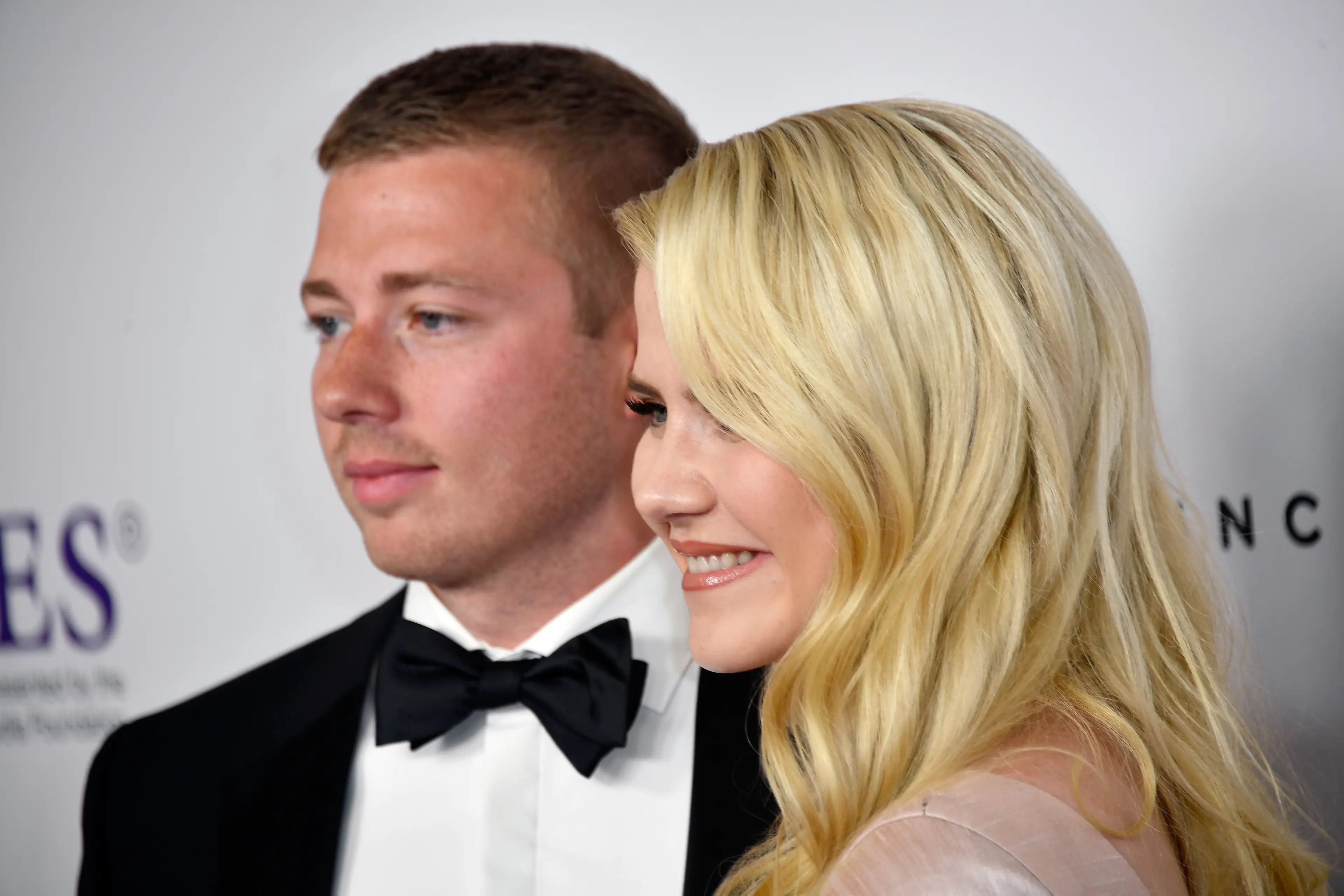
"I always dreamed of having someone who loved me - finding someone I loved. That did come true, I did find someone. We did get married and we do have a family together."
Elizabeth adds of having forged a career in public speaking: "I just felt like it [her experience] needs to serve a purpose. It needs to bring some good into the world. I can talk about the things that hurt me and things that have been difficult to overcome.
"I want survivors to know that they have nothing to be ashamed of. I wanted them to know they weren't alone - that there are other people in this world who've experienced it and can understand.
"As time went on, I began to realise, I'm stronger than I thought I was."
Topics: True Crime, Crime, US News, Documentaries, TV And Film, Nostradamus, Real Life, True Life
 Rhianna Benson