Three astronauts stuck in space after ‘unknown object’ hits their spaceship

A trio of Chinese taikonauts have had their return home mission postponed after their ship was impacted in space.
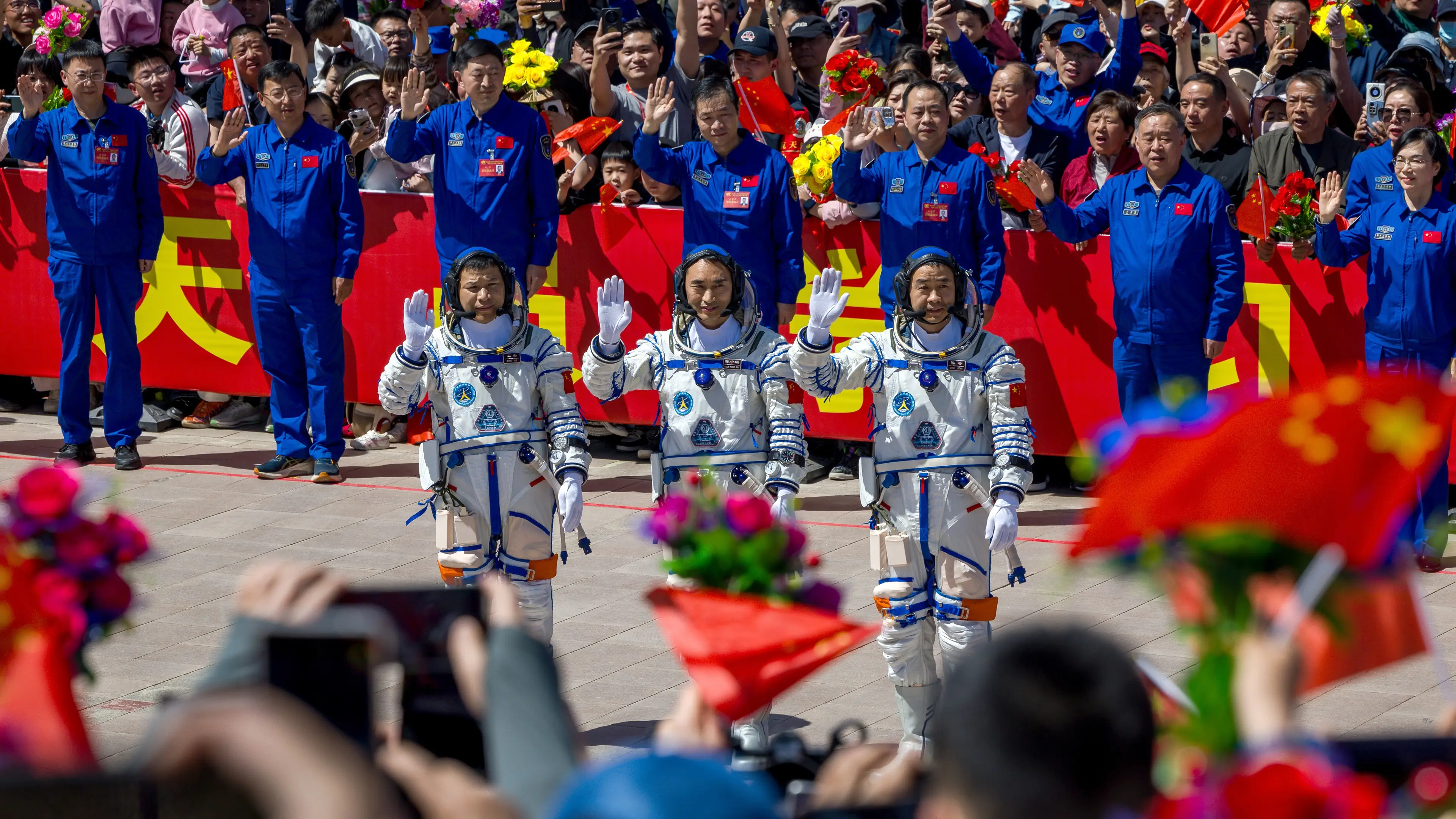
On Wednesday (5 November), the crew of the Shenzhou-20 mission - Wang Jie, Chen Zhongrui, and Chen Dong - were due to make their 260-mile return journey from the Tiangong space station to the Dongfeng landing site in northern Inner Mongolia.
Their trio’s triumphant homecoming was due to follow their successful handover Shenzhou-21 crew, who arrived at the International Space Station (ISS) rival on Halloween (31 October).
However, representatives from the China Manned Space Agency (CMSA) announced that plans had been put on hold via a statement posted on the Chinese social media site, Weibo.
Advert
CMSA said the postponement was because the hull of the taikonauts’ capsule, docked to the space station since April, was damaged by an ‘unknown’ object.
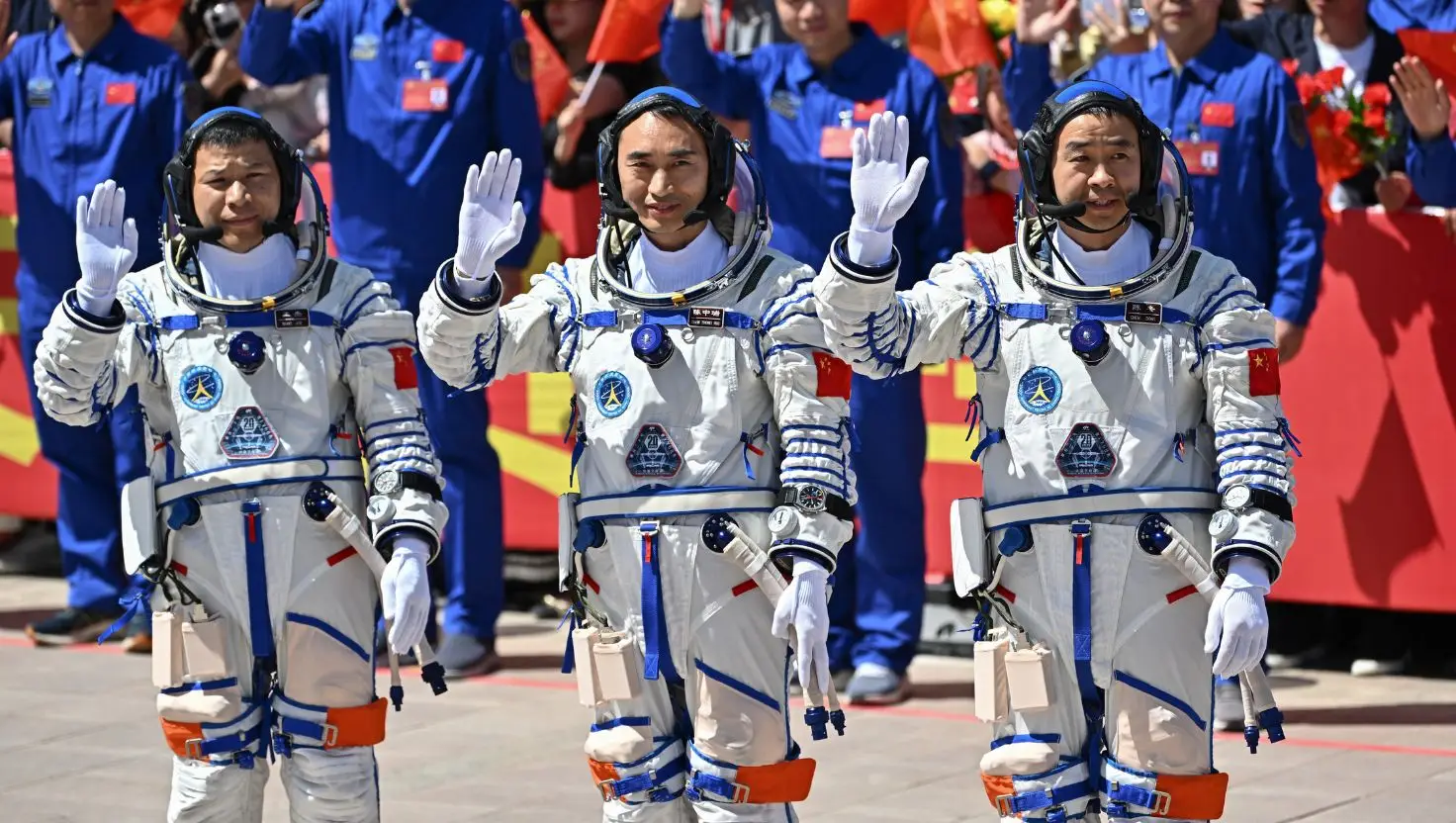
Representatives confirmed that the damage is ‘suspected of being impacted by small space debris’, according to a translation by Live Science.
“To ensure the safety and health of the astronauts and the success of the mission, it has been decided that the Shenzhou-20 return mission, originally scheduled for 5 November, will be postponed,” the statement read.
The agency added that an ‘impact analysis and risk assessment are underway’.
The CMSA has not confirmed how long the investigation into the ship’s damage will continue. The agency also hasn’t stated when the taikonauts are expected to return to Earth.
The Sun reported that the potential fragment that damaged Shenzhou-20 could be a piece of ‘floating garbage’ impacting low Earth orbit.
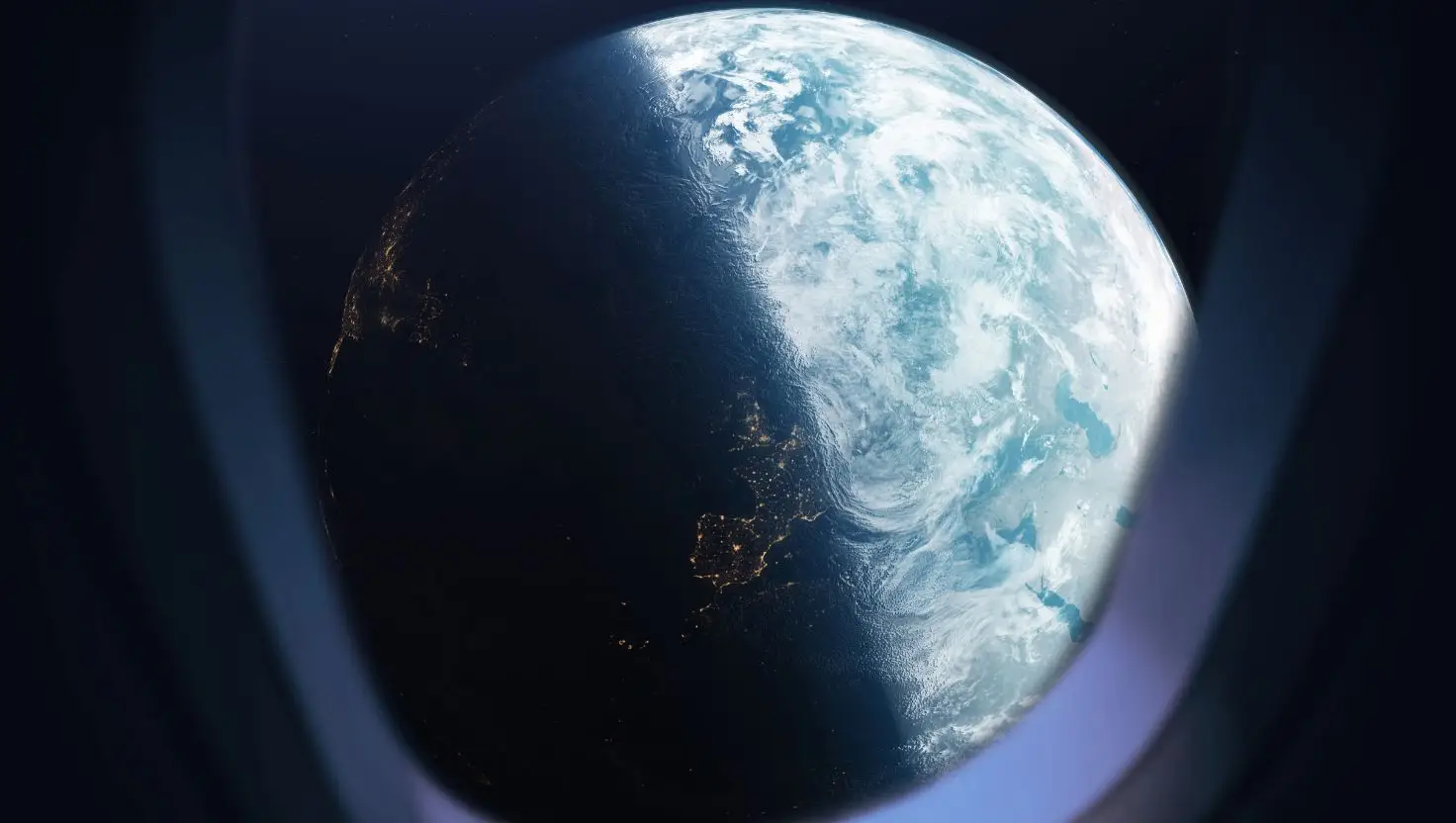
Experts estimate there are more than 19,000 tracked pieces of debris in orbit, with potentially half a million smaller fragments too small to monitor floating around in space.
Chinese science communicator Yu Jun, who goes by Steed’s Scarf online, took to social media to claim authorities would probably have a ‘plan B’ for employees to return to Earth.
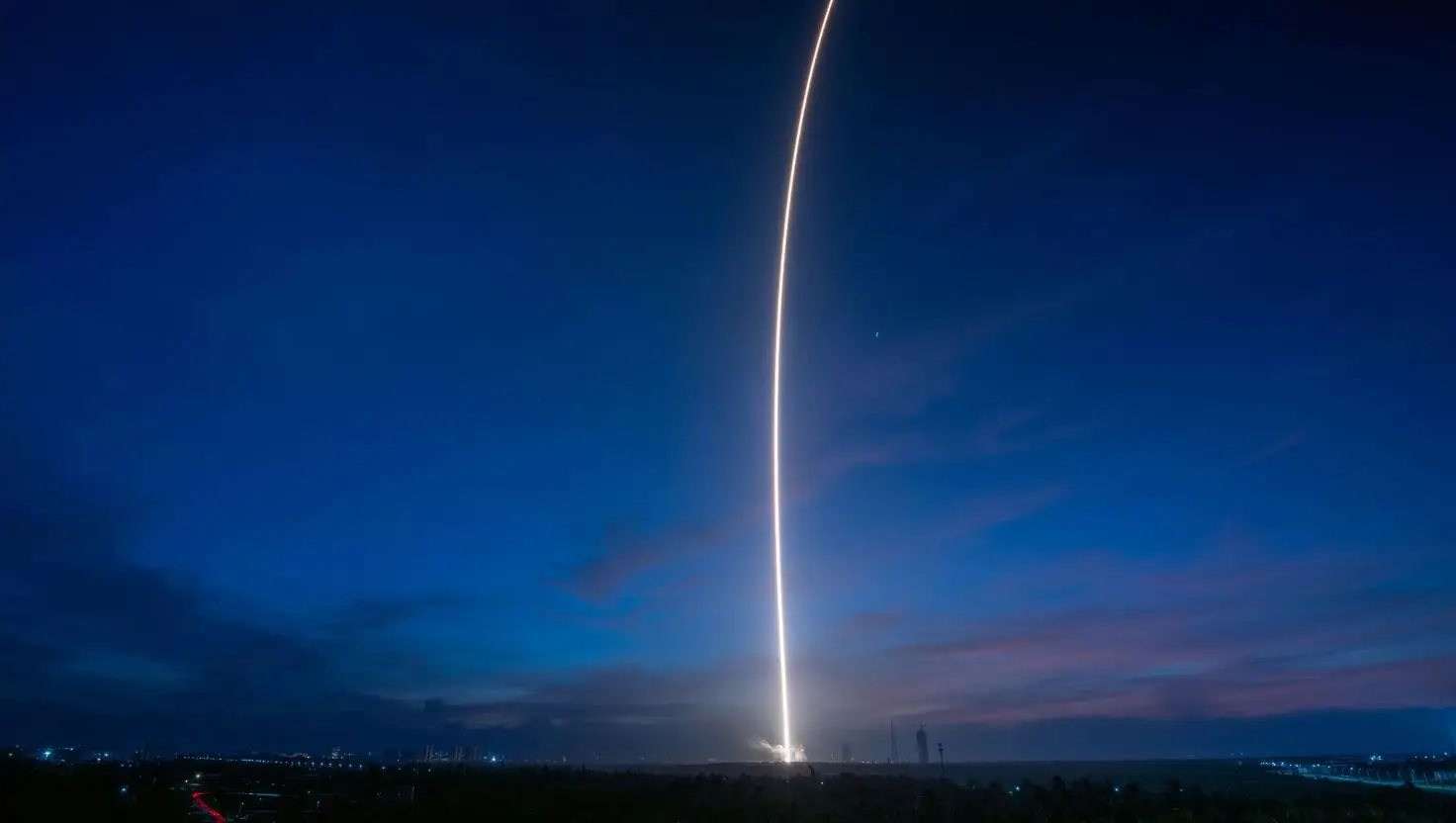
“Shenzhou-22 and the Long March 2F (launcher) were already on standby. This is our rolling backup mechanism,” he wrote on Weibo.
“They are in ‘emergency duty’ mode and ready to bring our astronauts home safely if needed.”
Meanwhile, pleas have already been issued for Tesla CEO and SpaceX co-founder Elon Musk to get involved in the mission.
“Elon Musk! Would you be able to save these Chinese astronauts?” said one X user, as reported by News.com.au.
Another wrote: “When you're stuck in space, who you gonna call? Elon Musk and SpaceX.”
If Musk were to aid the stranded Chinese taikonauts, it would come just six months after he helped veteran US astronauts Suni Williams and Butch Wilmore return to Earth.
The pair were stuck on the ISS for nearly nine months, despite being scheduled to remain onboard for only a week.
They were trapped due to technical issues with the Boeing Starliner capsule, including a helium leak and a thruster malfunction.
After a jaw-dropping 286 days in space, the pair, along with NASA astronaut Nick Hague and Russian cosmonaut Aleksandr Gorbunov, returned home in a SpaceX Crew Dragon capsule.
Topics: World News, Science, Space
 Ella Scott