
7-year-old boy dies of brain condition caused by measles years after getting it as baby

A seven-year-old boy has tragically died of a brain condition caused by measles years after getting diagnosed with it as a baby.
The NHS explains that measles is an infection that spreads very easily and can cause serious problems in some people. It usually starts with cold-like symptoms, followed by a rash a few days later.
The first cold-like symptoms of measles include: a high temperature, a runny or blocked nose, sneezing, a cough and red, sore and watery eyes.
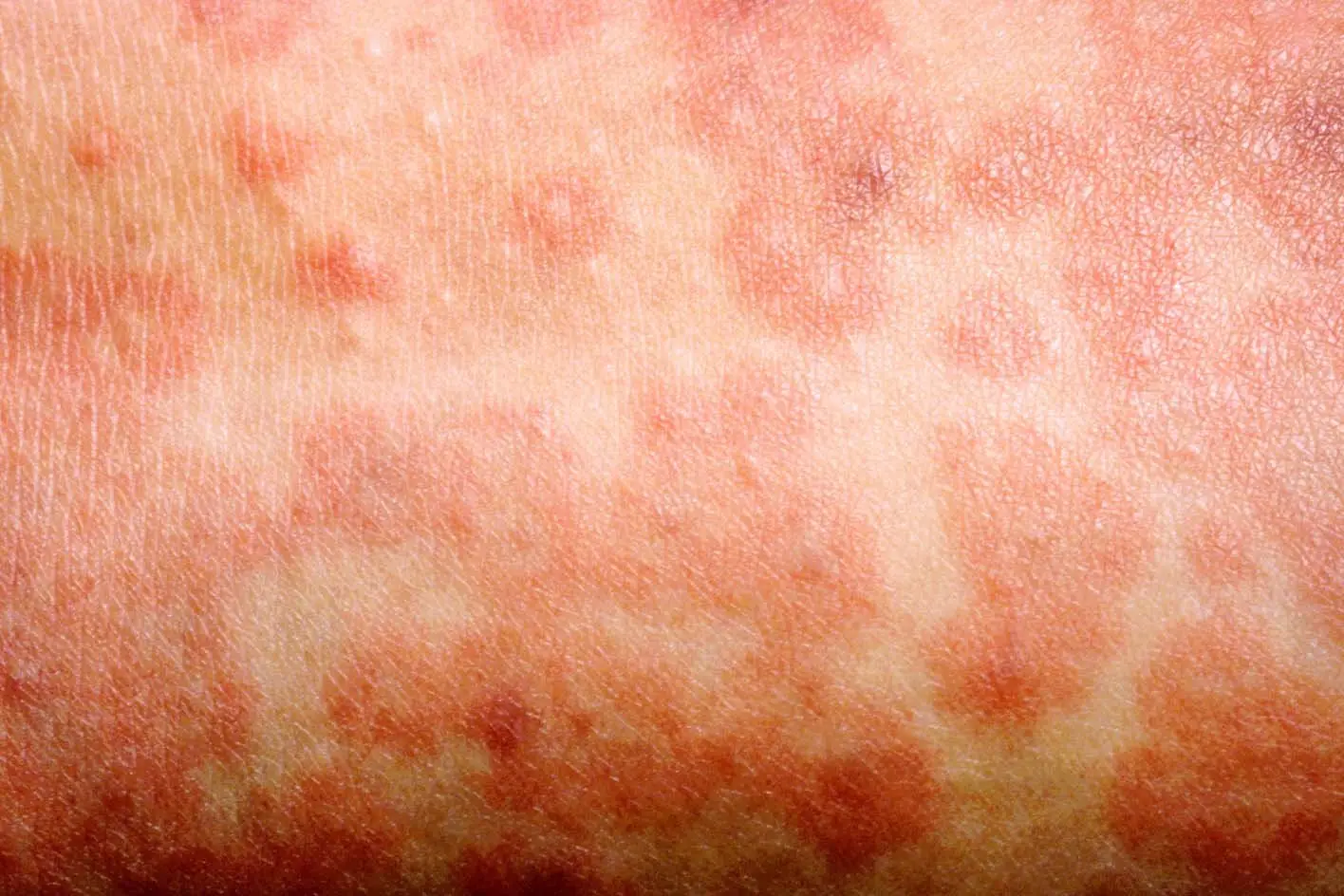
Other symptoms include: small white spots appearing inside the cheeks and on the back of the lips, and a rash starting on the face and behind the ears before spreading to the rest of the body.
Advert
Measles is spread when an infected person breathes, coughs or sneezes.

Measles can also cause serious problems if it spreads to other parts of the body, such as the lungs or brain.
Problems that can be caused by measles include:
- pneumonia
- meningitis
- blindness
- seizures (fits)
These problems are rare, but some people are more at risk. This includes babies and people with weakened immune systems.
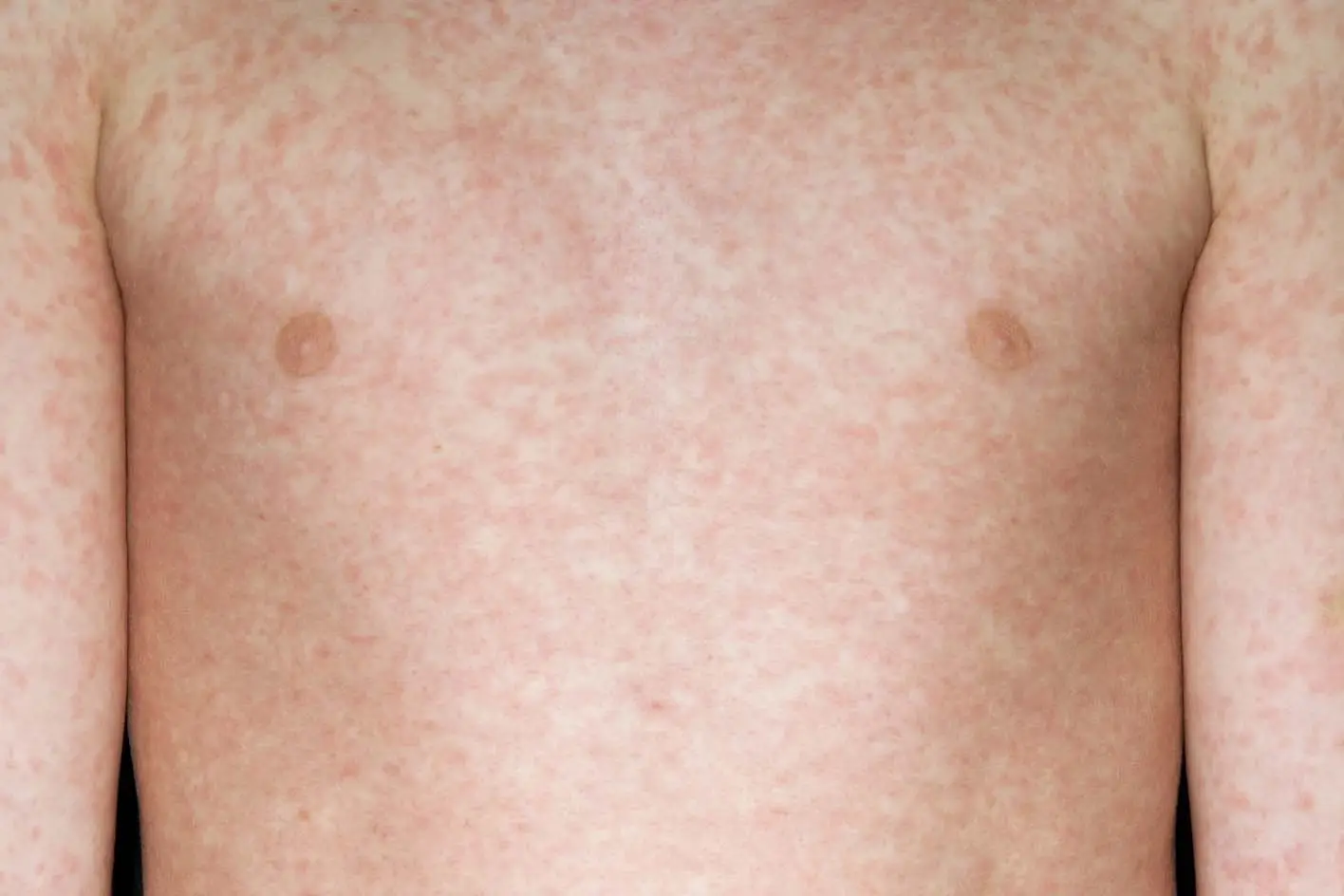
A seven-year-old boy, who contracted measles at seven months old, experienced such health complications and recently passed away at the Children’s Hospital of Orange County in California, per a report by the New York Post published earlier this month (9 March).
While he caught the infection as a baby, he only started experiencing seizures and cognitive deterioration at the age of six, with doctors eventually diagnosing him with subacute sclerosing panencephalitis (SSPE).
SSPE is a rare, fatal, progressive brain disorder caused by a persistent, mutated measles virus, usually appearing years after initial infection
Encephalitis International explains that there are several stages to the rare condition, which occurs in about 1 per 50,000 cases of natural measles.
At first, the problems are 'subtle' and may be hard to spot as an illness.
"Usually, it begins with a change in personality and the ability to function at work, or for a child to cope with school, is altered. It may be a noticeable untidiness in handwriting, a difficulty in doing ordinary daily tasks, or a change in speech during conversation," the experts outline.
Seizures or involuntary movements, such as jerks of the limbs, then start, which form the next phase of the illness.
Over time, the condition leads to other movement problems such as 'unwanted and uncontrolled movement of limbs which come and go, a gradual emergence of stiffness, and increased (spastic) muscle tone which can be more noticeable down one side of the body'.
"As these signs emerge, there is progression of the brain deterioration, and it appears that the child or adult is suffering from a type of dementia. Seizures can be very troublesome and don’t respond well to treatment. Vision, or recognising what is seen, becomes affected by this stage," the brain inflammation non-profit adds.
The final stage sees dementia and disability become severe, with the person affected becoming totally dependent on the family or carers for all their needs.

"Finally, problems affecting feeding, swallowing and breathing contribute to the final stage of the illness. The patient may stay in this period for many months or even years. Death is usually caused by pneumonia," the experts conclude.
Dr Sharon Nachman, chief of pediatric infectious diseases at Stony Brook Children’s Hospital, previously told The Post: "The measles is sort of sitting around in your brain and causing, on the cellular level, changes that sit there quietly,"
"You could have had your measles as a two-year-old, and now you’re in college, and all of a sudden your brain falls apart and you have no future," she added.
Unfortunately, SSPE is a progressive form of encephalitis without a cure.
The NHS explains that the MMRV and MMR vaccines can prevent measles. Both vaccines also protect from mumps and rubella, and the MMRV vaccine also protects you from chickenpox.
Find out more about measles on the official NHS website.
 Rhiannon Ingle