Thinking of going to Antarctica? You might have to have body parts removed

If you fancy an expedition to Antarctica, you might have to get rid of some body parts first.
While that’s a shocking introduction to one of the most remote parts of Earth, there’s a very good reason why it’s something that’s actually recommended for those wanting to stay long-term.
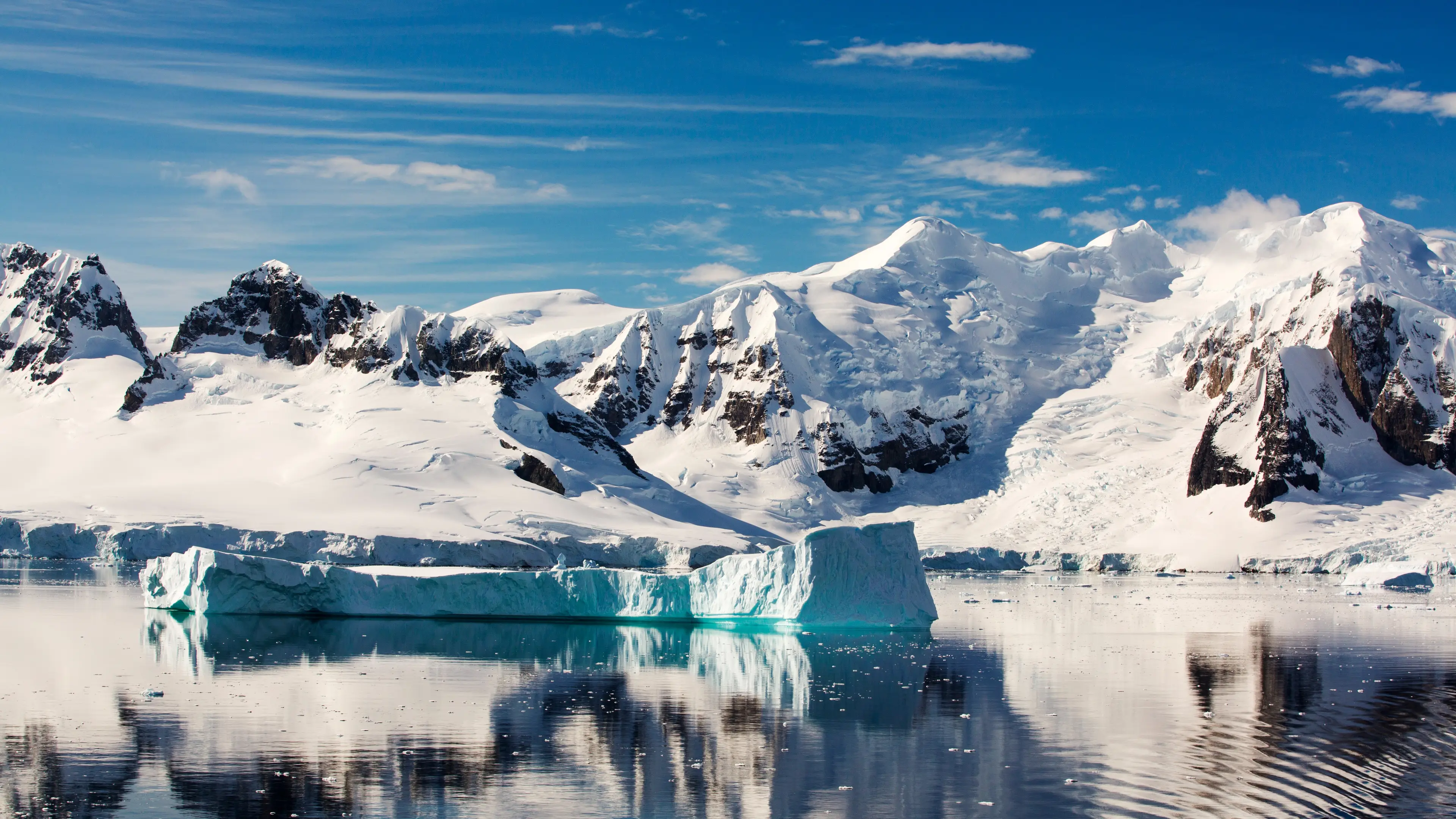
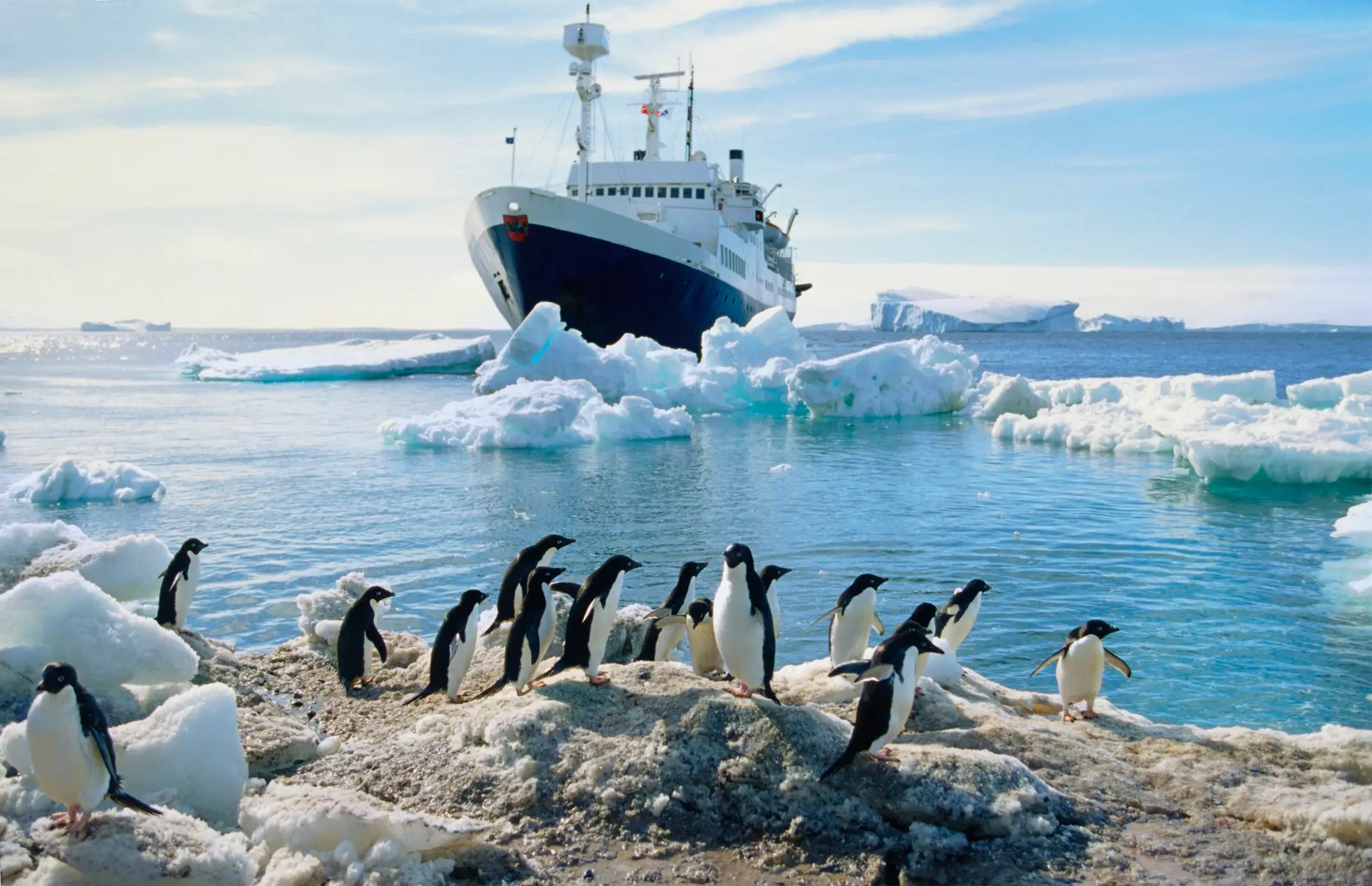
Antarctica is home to penguins, whales, a whole lot of snow, and not many human visitors.
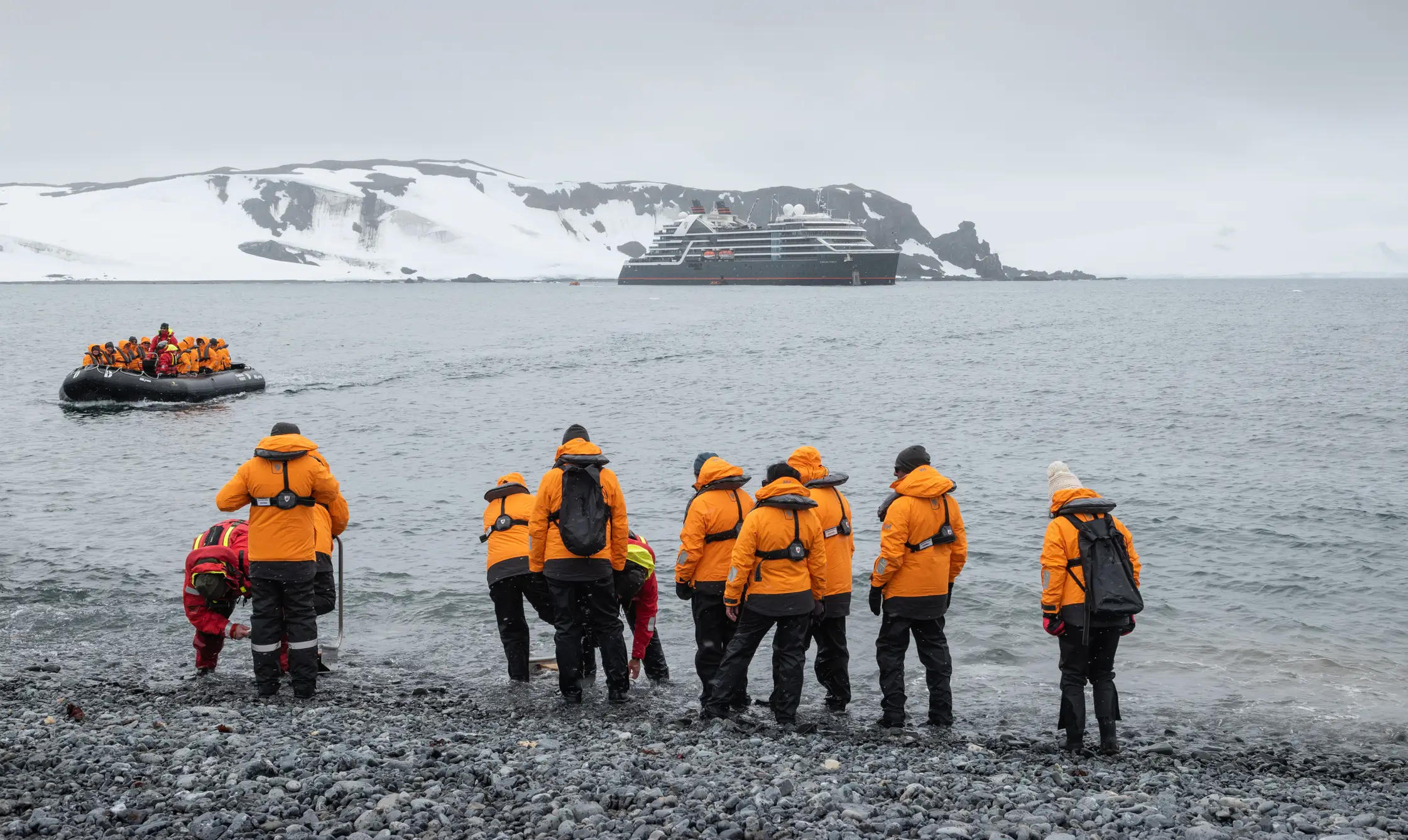
Those who typically go tend to be either scientists or your average tourist on a cruise liner.
Advert
We all get ill from time to time, and there are occasions when it happens during a planned holiday. However, even if the Antarctic research bases are equipped with things needed to help scientists live and work for months or years on the white continent, that doesn’t mean they have what they need to handle a severe issue.
Namely, with your body.
So, the reason why websites like Antarctica Cruises have a section dedicated to removing your wisdom teeth and appendix before visiting the area is because there are no facilities available to rush a person into surgery to extract the tooth or organ in case of an emergency.
If you didn’t know about the whole ordeal that Russian doctor Leonid Rogozov went through in 1961, he’s the perfect example to help you realise just how awful it would be to be stuck with appendicitis in Antarctica.
After setting up the Novolazarevskaya Station in February of that year, the team had to hunker down until next winter, which is when the 27-year-old began experiencing weakness, nausea and tiredness.
There was also some pain on the right side of his abdomen.
It was then that he realised what situation he was in.
The surgeon’s son, Vladislav, told the BBC: "Being a surgeon, he had no difficulty in diagnosing acute appendicitis.
"It was a condition he'd operated on many times, and in the civilised world it's a routine operation. But unfortunately, he didn't find himself in the civilised world - instead he was in the middle of a polar wasteland."
He used a mirror, local anaesthetic, and some surgical tools with his team standing by to assist with handing him what he needed.
It took two hours to remove his own appendix, sew up the site, give himself antibiotics and sleeping tablets.
This is probably why doctors working in Antarctica under the Australian Antarctic Program have to have their appendixes removed.
The research stations usually only have one doctor on staff during the winter, and an evacuation for a burst appendix could be incredibly challenging and ulitmately life-threatening.
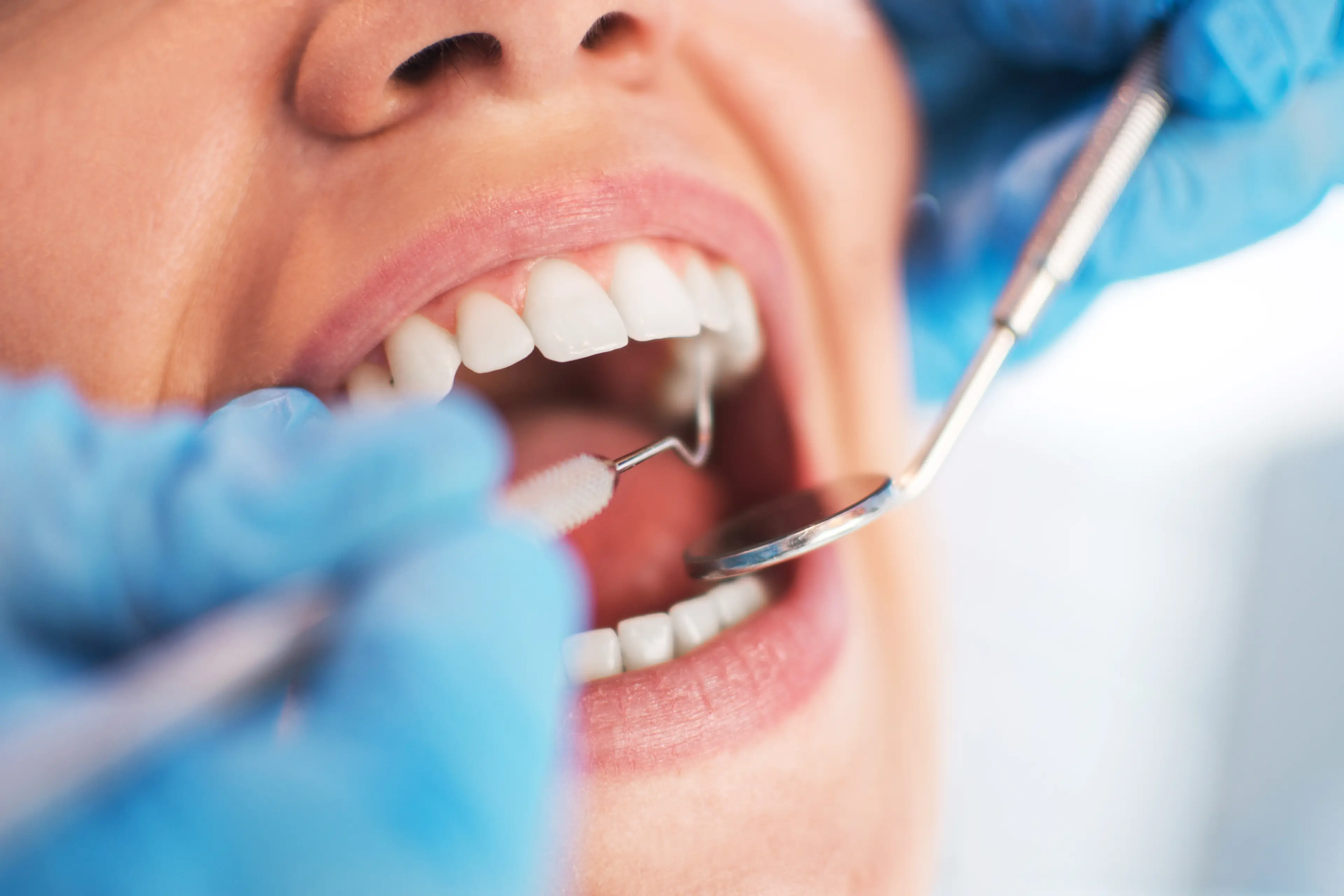
Wisdom teeth removal is also recommended to avoid infections springing up.
Of course, for tourists visiting the continent, the removal of wisdom teeth and appendices is not at all mandatory. But it's absolutely a serious consideration for those working there and planning to stay long-term.
 Britt Jones