Everything we know about Amelia Earhart's plane potentially being found nearly 90 years later

Nearly 90 years after Amelia Earhart vanished during a flight over the Pacific Ocean, a new expedition is searching for clues that could help solve one of aviation’s greatest mysteries.
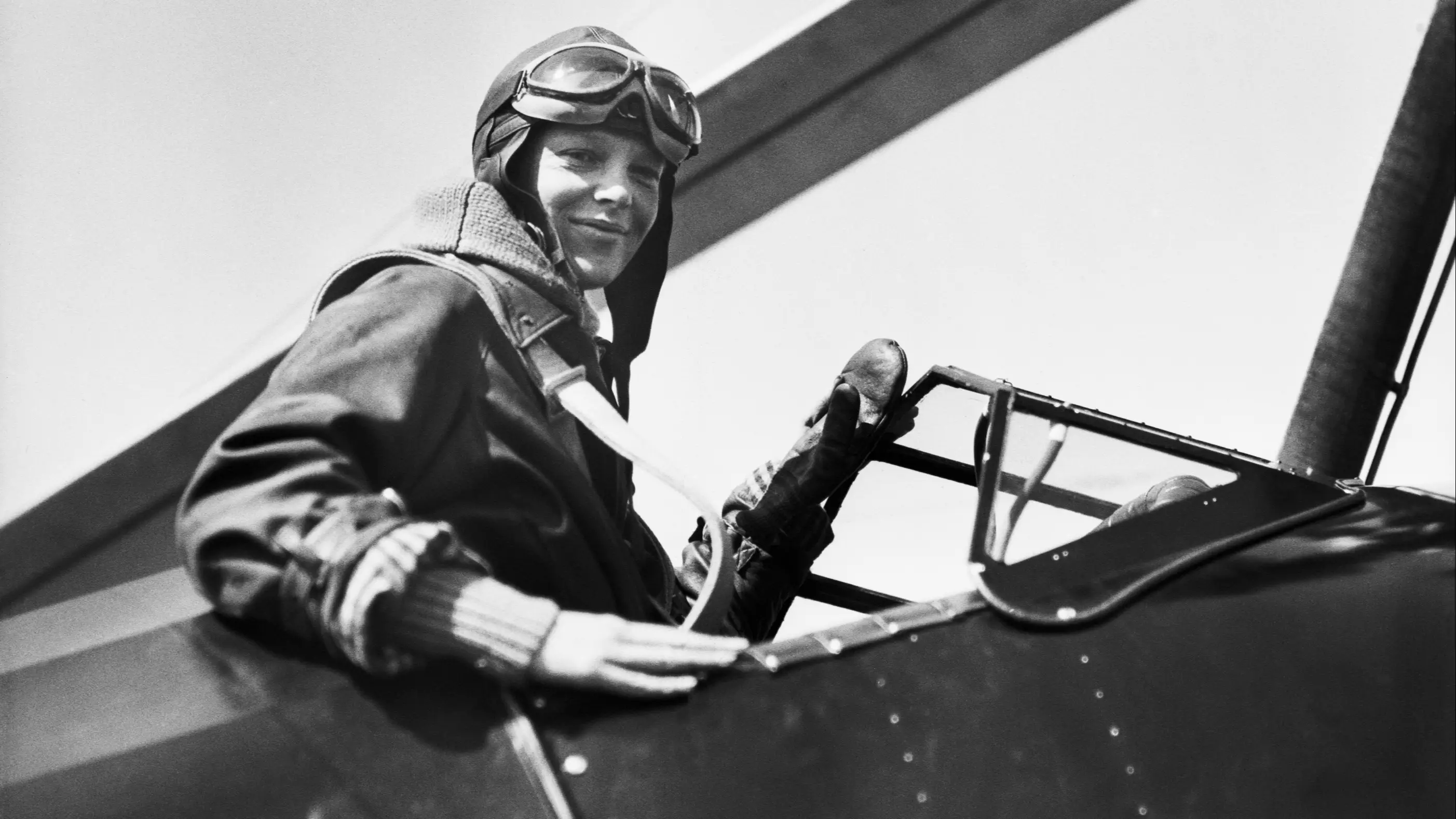
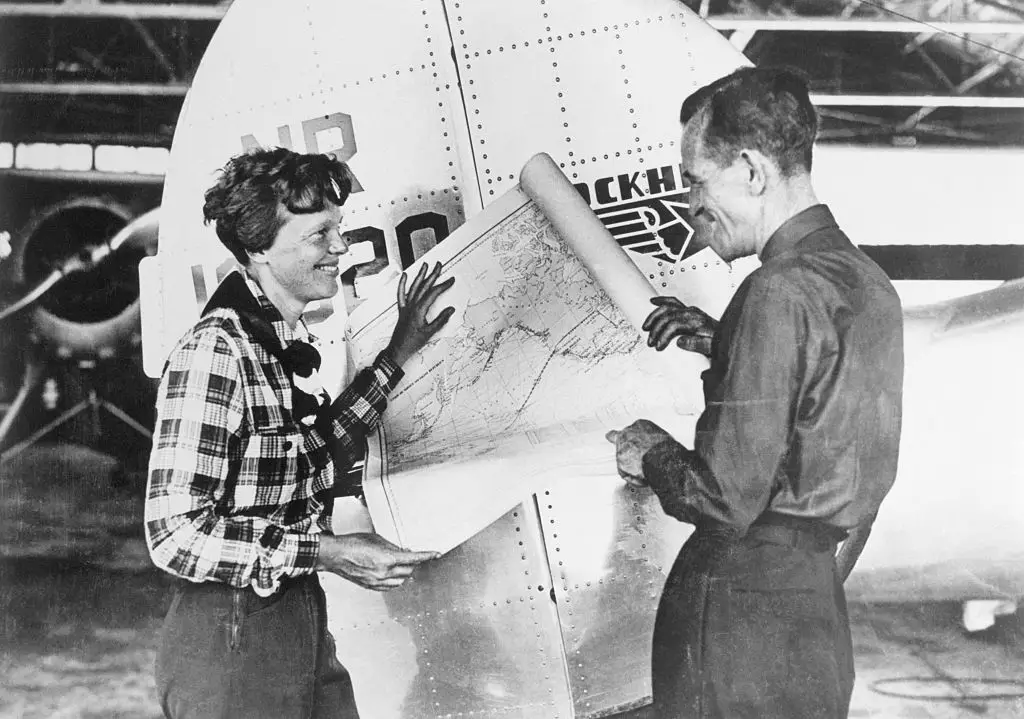
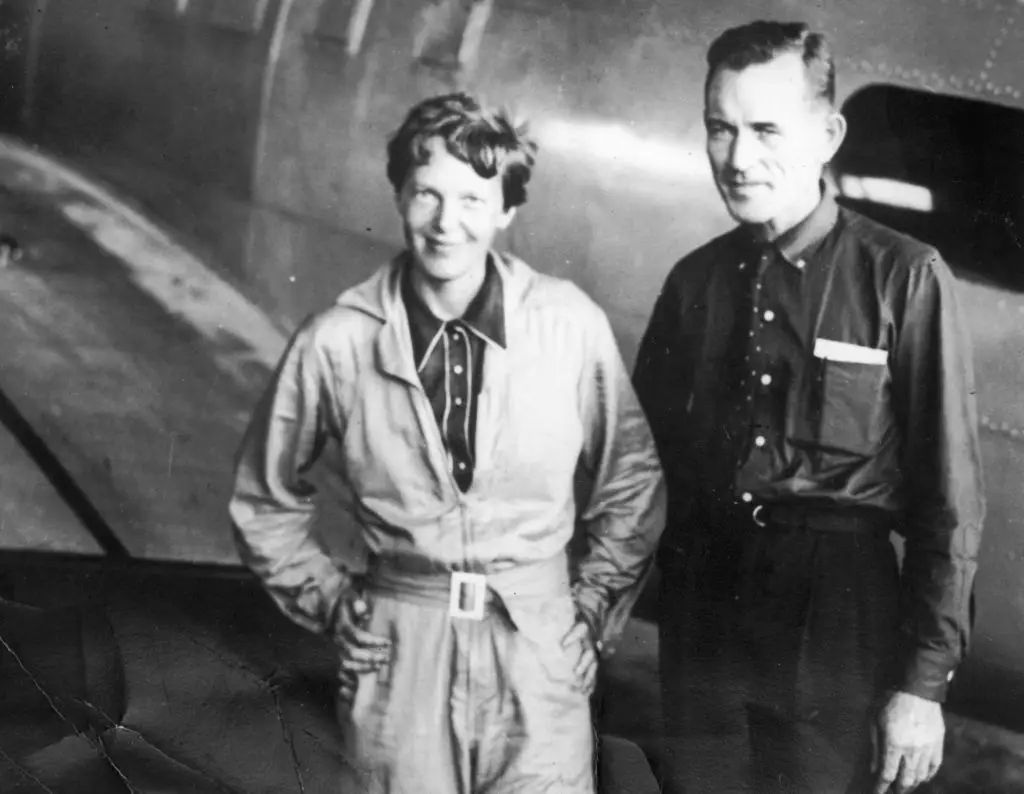
Amelia Earhart made history in May 1932 as the first woman to fly solo across the Atlantic. Five years later, she and navigator Fred Noonan disappeared while attempting to fly around the world, losing contact with the U.S. Coast Guard cutter Itasca on July 2, 1937, as they approached Howland Island in the Pacific.
A massive search failed to find them or their aircraft. Earhart was declared legally dead in January 1939, and Noonan had been declared legally dead the previous year.
For decades questions have remained about what really happened to Earhart and Noonan.
Advert
Researchers have zeroed in on satellite images that revealed a mysterious shape submerged in a lagoon on Nikumaroro, an island southwest of Howland Island. A team made up of 17 people from the Archaeological Legacy Institute (ALI), Purdue Research Foundation (PRF) and Purdue University have now embarked on an expedition in to the South Pacific in an attempt to solve the mystery of Earhart and Noonan's disappearance.
What is the Taraia Object?
Dubbed the Taraia Object, the anomaly spotted in the satellite images is believed by some to be the wreckage of Earhart's Lockheed Model 10-E Electra, although it has yet to be formally identified. That's what the investigation is hoping to solve.
Researchers from the Archaeological Legacy Institute and Purdue University arrived on the uninhabited island of Nikumaroro on 12 October to investigate the Taraia object.
According to a Purdue press release, the team is searching for the Lockheed Model 10-E Electra flown by Earhart and Noonan when they disappeared in 1937.
Expedition leader and Archaeological Legacy Institute executive director Rick Pettigrew said the team was close to completing its inspection of the Taraia Object, raising hopes of solving the mystery of Amelia Earhart and Fred Noonan’s disappearance more than 89 years ago.
“It is incredibly rewarding to be this close to completing our inspection of the Taraia Object and potentially solving, at long last, the outstanding mystery of the disappearance of Amelia Earhart and Fred Noonan more than 89 years ago,” said Pettigrew.
The expedition comes after years of research by Pettigrew and ALI, building on the castaway hypothesis investigated by The International Group for Historic Aircraft Recovery. Purdue University became involved because of its historic connection to Earhart, whose Lockheed Electra 'Flying Laboratory' was funded through the Purdue Research Foundation.
.
How long will the investigation last?
After arriving on Nikumaroro after sunset, the team made final preparations to go ashore at the start of the following day, navigating through a man-made opening in the atoll’s surrounding reef.
Investigators, and sleuths at home, may have to wait before determining what lies beneath the water. According to a Purdue University press release, the expedition team will spend several days ‘marking and cutting a trail through the jungle’ from its landing site to Taraia Peninsula, where the lagoon is located.
The team must return to their ship each night because of the island's native coconut crabs—the world's largest terrestrial crustaceans—make overnight stays on land 'impractical,' officials said.
Researchers will use a magnetometer to detect ferrous metals that could indicate the presence of artefacts.
They will also deploy sonar technology to scan the lagoon floor for potential wreckage, according to Purdue University.
To allow a full examination what lies beneath, the researchers will use a water induction dredge to dig through sediment around the Taraia Object.
"Based on estimates from aerial photos, the Taraia Object is believed to be located only 10 feet from the lagoon’s shore," officials explained, "and depending on the tide, under as little as five feet of water, plus a layer of sediment of unknown depth."
 Greg Harris