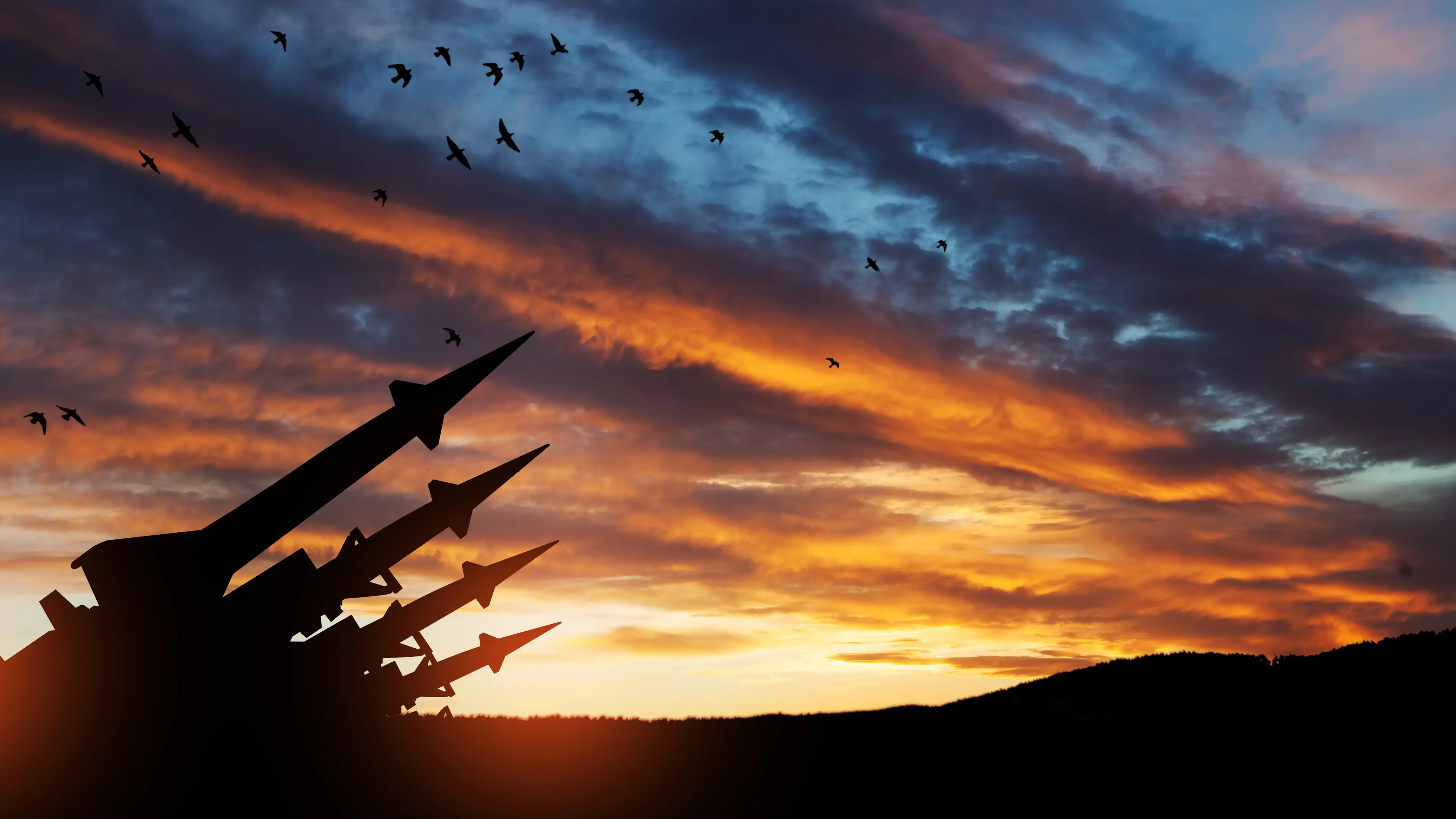
'10-80-10' rule which could 'determine' who survives in a nuclear attack

The thought of how to survive should a nuclear war ever take place is pretty daunting to say the least.
After all, the research doesn't exactly point to a high survival rate. Peer-reviewed research published in Nature suggests that a 'small' nuclear war would likely wipe out billions, causing a 'nuclear winter' across the globe and widespread famine.
Then there's the fact that global tensions have reached new levels recently, especially since the US-Israel strikes on Iran which began at the end of February.
It's no wonder that people are becoming increasingly concerned over the potential of another world war and the worry of nuclear weapons.
Advert
But what would happen if there was a nuclear war?
According to one theory, there's a pretty simple equation about how people would respond.
A theory known as the '10-80-10' rule claims that there are different categories of how people would respond in this kind of crisis.
Essentially, the population would react in different ways and it could impact their survival.
The theory was started by expert in survival psychology John Leach who explained, as per Psychology Today that people fall into three camps.
The first '10' refers to the initial 10 percent of people who have planned for and accepted the circumstances, allowing them to stay calm and think through their actions rather than acting on impulse.
Next is the 80 percent of people who will naturally go into panic mode. Leach explained that most people will behave like this and due to acting irrationally, could seal themselves a worse fate.
The next 10 percent is perhaps the worst group to fall into and refers to the 10 percent of the global population that would simply give up in the face of a disaster.
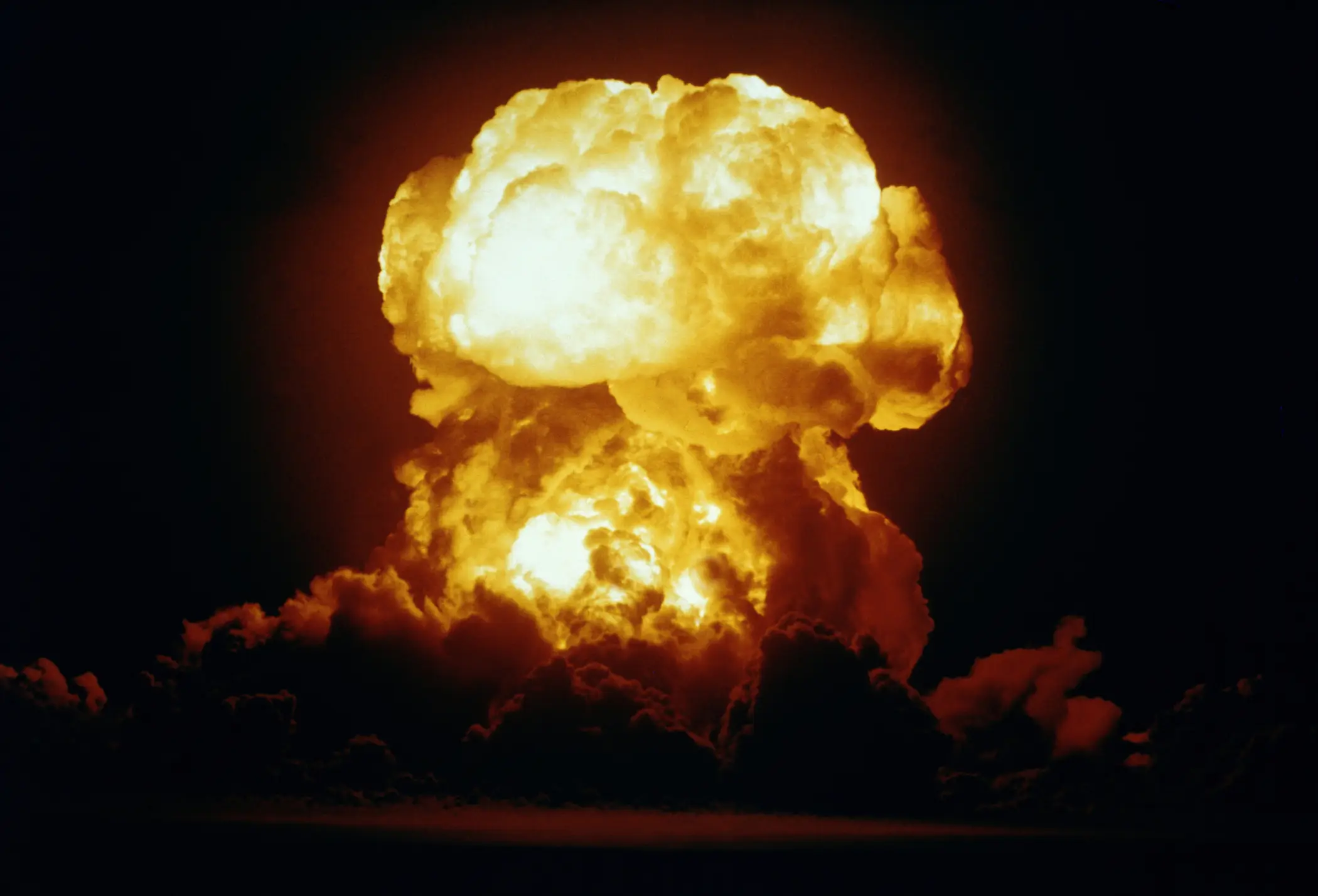
Since global tensions have escalated, people have been wondering where would be the safest places to live should WW3 take place.
As for the UK, The Week last year put together a report on which cities in the UK would be most at risk if there were to be a nuclear attack.
The publication reported that those with the lowest chance of survival if Britain's major cities were targeted would be people living in or around London, Birmingham, Manchester, Leeds, and Glasgow.
As The Express points out, the impact of a nuclear blast would depend on several factors, including radiation, fireball, air blast, and thermal radiation, as well as weather conditions.
Most importantly, it's crucial to be 'outside the blast zone' if a major UK city were to be targeted, so the more remote, the better.
Topics: News, World News, Iran, US News
 Lucy Devine