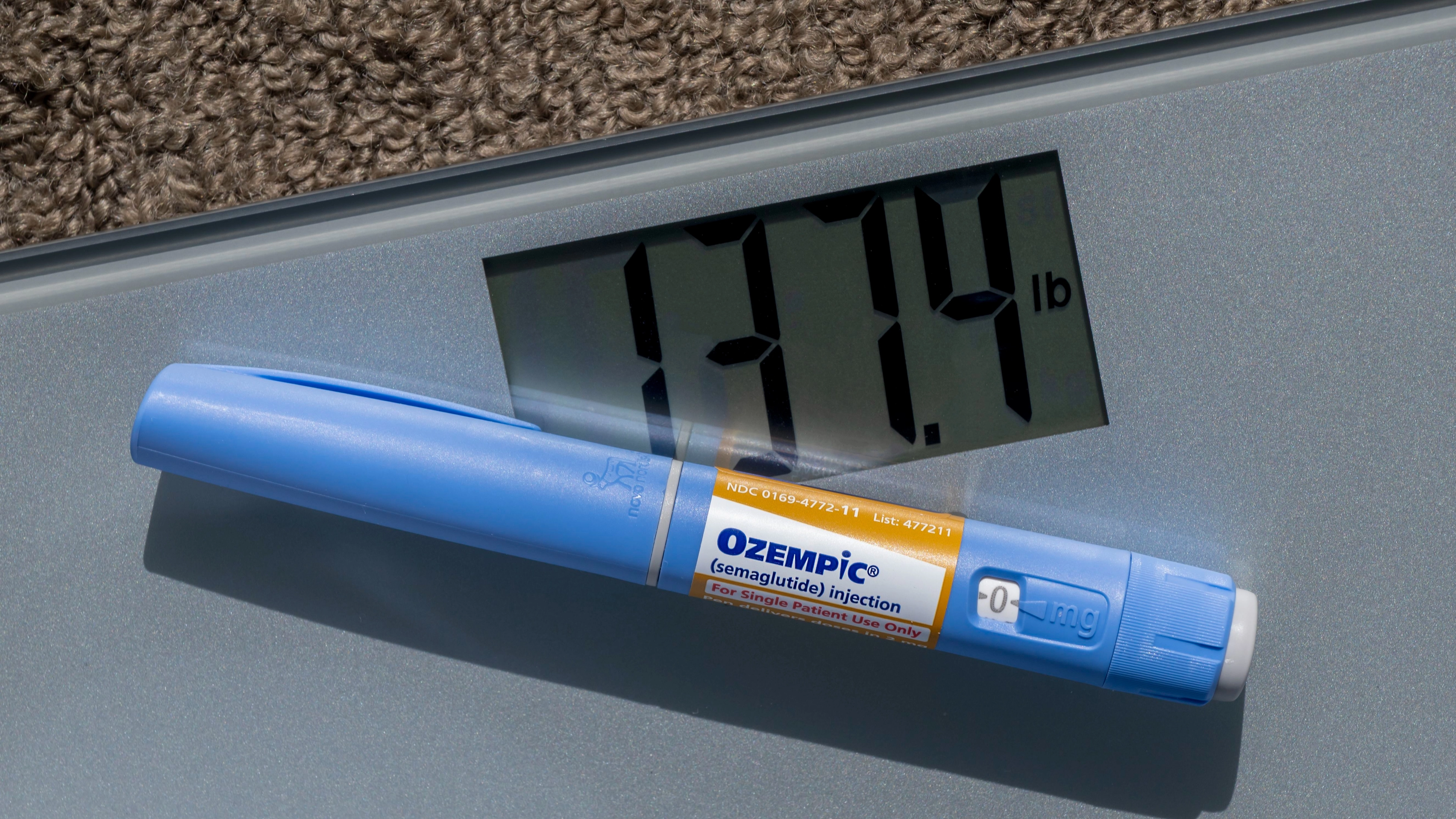
Weight isn't the only thing Ozempic users have started losing

A concerning number of Ozempic users have raised complaints after the popular jab 'robbed' them of something other than weight.
For those in need of a reminder, though first introduced by medics hoping to tackle the frustrating side effects of type 2 diabetes, this handy 'hack' has surged in popularity around the world in recent years - especially within Hollywood circles.
The drug works by mimicking GLP-1 hormones inside the body. This prompts both insulin production, and reduces the liver's glucose production, which see signals sent to the brain aimed at slowing down digestion, creating a feeling of fullness.
Though Ozempic and similar medications have proven effective in tackling weight loss, they also come with some hard-to-stomach side effects (literally!), like nausea, vomiting, diarrhoea and constipation.
Advert
As we say, however, it's not just unwanted weight that Ozempic users claim to be shedding - and no, we're not talking about the apparent hair loss that some patients are enduring. That's a story for a whole other day.
We're on about the reduction in muscle mass that some users claim to have suffered since first being prescribed the drug.
On top of this, scientists who spoke to Vox also claimed that many of their patients are also enduring a decrease in their functional strength, with a reduced appetite cutting back their energy supply.
Explaining this predicament, Dr Scott Butsch - who works for Ozempic manufacturer Novo Nordisk - told Cleveland Clinic: "It’s not related to how the drug works itself. Muscle loss is related to the process of losing weight."
So, whilst patients are looking fit enough to run a marathon, scientists worry many wouldn't have the resources to take on the first mile.
Voicing their experience, one Reddit user claimed they felt 'weaker' than ever after taking the medication.
"I'm type 2 so it wasn't really meant for weight loss," they explained. "My legs are skinny, I lost muscle mass in my arms. I feel awkward, and a bit self conscious. I know I'm out of shape. How do I go about getting some muscle back, without going to a gym."
The same user went on to ask: "Does anyone have an exercise regimen that they do at home? What equipment do you use? I don't want to spend a fortune on a gone gym. I'm hoping there's something I can do to gain some muscle back. Is it even possible while taking oz?"
Another claimed: "So I didn’t have a rock solid core to begin with, but now that I’m at 177 from 230 in November I’m definitely starting to see a loss of muscle especially in arms. I’m honestly not a gym person, and I’m pretty tired most days from work.
"Eating meat is less appealing. Those that had this issue- protein shakes? More water? Supplements?"
A third asked if 'anyone else' has endured a 'hard time working out' whilst taking the jabs.
"I've noticed that my muscle recovery takes a lot longer," they explained. "Part of it is just some of the fatigue that I'm getting with the shots, which has worked out well because if I'm sleeping longer, I'm eating less...lol.
"And I haven't noticed a decrease in strength, but the soreness feels like I haven't been working out at all. Even when I bowl, I've noticed recently that the tendons in my forearm are shot, and that hasn't happened in a long time."
The wasting of this vital strength as a result of weight loss is known as 'sarcopenia', with Dr Butsch adding of this condition: "Researchers are now looking into ways to prevent that muscle loss and explain why certain people may be more at risk of losing muscle mass."

On steps that patients can take themselves to prevent this muscle wastage, the medic began by emphasising that they and their GP are on the same page with regards to taking things slowly.
This, he added, would give their bodies more time to adjust to a weight decrease, and make symptoms more manageable.
On top of this, Dr Butsch emphasised how vital hydration is to lessen both muscle cramps and fatigue - especially in people actively working out - as well as how important protein can be for keeping your existing muscles strong.
Lastly, he suggested implementing strength exercises into your training routine - things like resistance bands and weights - to continue building new muscle, even when you're losing weight.
 Rhianna Benson