tyla homepage
tyla homepage
  • News
    • Politics
    • Entertainment
    • Celebrity
  • Entertainment
    • Celebrity
  • Life
    • Animals
    • Food & Drink
    • Women's Health
    • Mental Health
    • Sex & Relationships
    • Travel
    • Real Life
  • TV & Film
    • True Crime
    • Tyla Recommends
  • Astrology
  • Beauty
    • Hair
    • Make-up
    • Skincare
  • Style
    • Home
  • Advertise
  • Terms
  • Privacy & Cookies
  • LADbible Group
  • LADbible
  • UNILAD
  • SPORTbible
  • GAMINGbible
  • UNILAD Tech
  • FOODbible
  • License Our Content
  • About Us & Contact
  • Jobs
  • Latest
  • Archive
  • Topics A-Z
  • Authors
Facebook
Instagram
X
Threads
TikTok
Submit Your Content
What happens to your body when you hold in your poo
Home>Life
Updated 16:01 22 Apr 2026 GMT+1Published 16:00 22 Apr 2026 GMT+1

What happens to your body when you hold in your poo

Dr Karan Rajan claimed the 'real damage' that occurs if someone continually ignores their urge to poop happens in their brain, not colon

Rhianna Benson

Rhianna Benson

google discoverFollow us on Google Discover
Featured Image Credit: Getty Stock Images

Topics: Health, True Life, Real Life, Advice

Rhianna Benson
Rhianna Benson

Rhianna is an Entertainment Journalist at LADbible Group, working across LADbible, UNILAD and Tyla. She has a Masters in News Journalism from the University of Salford and a Masters in Ancient History from the University of Edinburgh. She previously worked as a Celebrity Reporter for OK! and New Magazines, and as a TV Writer for Reach PLC.

X

@rhiannaBjourno

Advert

Advert

Advert

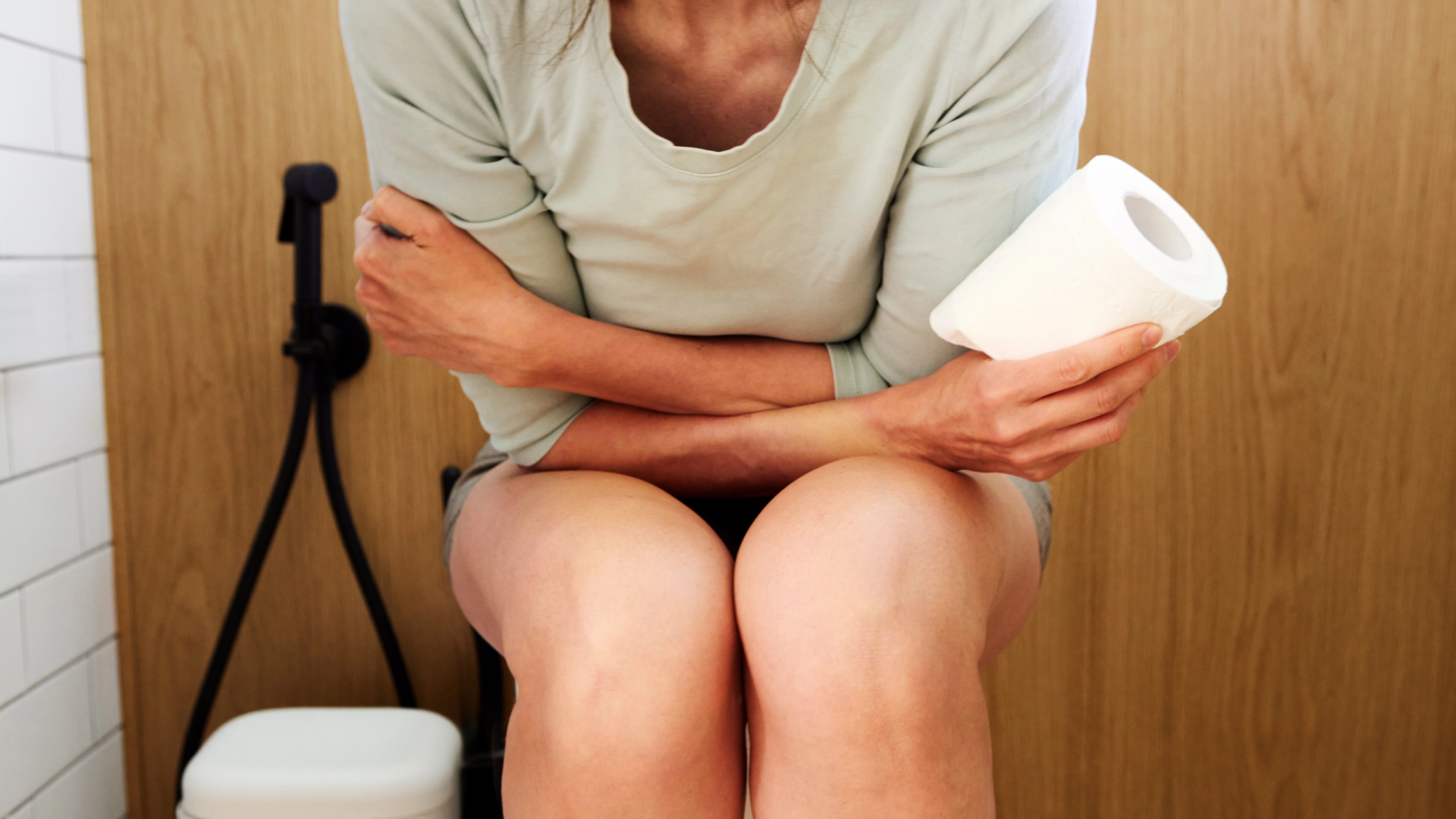
Thousands of social media users have been horrified to learn what happens inside their bodies if they continually resist the urge to poop.

The gut-wrenching revelation came from online doctor, Karan Rajan, who responded to a viral video on the matter, in which a woman asks: "If you're absolutely bursting for a poo but decide to tough it out, eventually it just disappears... Like a missed call from an unknown number. So, where does it go?

"Does your body just quietly reschedule it for later? File it under 'pending'? Send it back to head office for further review."

Answering the woman's query, Dr Rajan told his 2.1 million followers they 'probably didn't want to know' what really goes on inside our intestines if we fail to release our faeces on time.

Advert

"When you repeatedly ignore the urge to poop, you're training your body to forget how to poop properly," he began. "The moment you ignore that urge, your body actually performs something known as 'reverse peristalsis'.
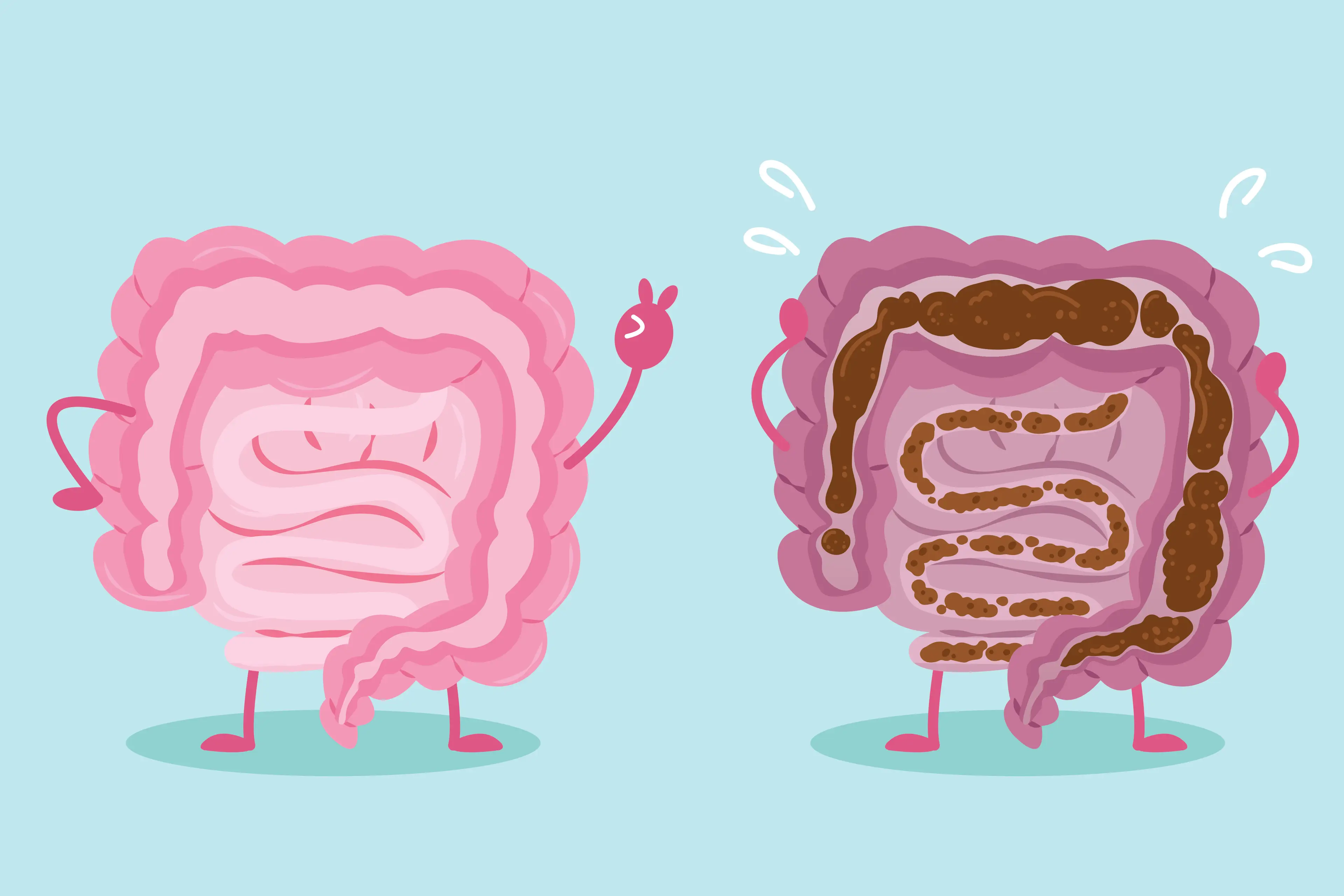
Water can be reabsorbed from poop if a person ignores their urge to push it out (Getty Stock Images)

"The muscular contractions that normally push poop towards the exit reserve direction, and actually push it back up deeper into your colon."

The Instagram medic shared the analogy: "It's like your poop is reverse parking into a tighter spot."

He noted, however: "This isn't a metaphor, this is actual retrograde movement of faecal matter.

"The longer that stool sits in your colon, the more water gets reabsorbed into your body, so that nice, soft, ready-to-exit poop is now being rung out and desiccated into a brick."

Dr Rajan, who primarily works as an NHS surgeon, went on to note, however, that the 'real damage' doesn't happen within the colon, but in the brain.

"When stool enters your rectum, stretch receptors send a signal to your brain that it's time to unleash the chocolate kraken," he explained. "If you continuously ignore that signal, your receptors get desensitised.
Several poop-holders shared horror stories (Getty Stock Images)

"The gun-brain connection weakens, and you're training your nervous system to stop telling you when it needs to go. Once that reflex is dulled, getting it back is hard work."

In agreement with Dr Rajan's assertions, one nutritionist replied in the comments: "Always, always tell my clients, family and kids never hold on to your [poop]. You must go when you get the urge! No matter where you are, even if it means a public toilet."

A concerned parent also begged: "Oh please tell this to every teacher who won't let kids go to the toilet when they need to!!"

A third user admitted they were previously guilty of this dangerous habit, claiming it severely damaged their health. They wrote: "I feel like this is exactly what I did as a very young child which in turn ended up with me having my large bowel aka colon removed as it no longer worked as it should.

"Please be aware of this, I was very lucky to not end up with an ileostomy."

Another worried viewer asked: "Ok I’ve neeeeever really allowed myself to poop in public, always wait till I get home…so, is this me?"

Choose your content:

2 days ago
4 days ago
  • Getty Stock Images
    2 days ago

    Electric toothbrush users may want to think twice after gross warning

    When was the last time you gave your electric toothbrush a proper once over?

    Life
  • Getty Stock Images
    2 days ago

    Astrologer reveals the three star signs about to get hit hardest by the May New Moon

    We're just a few days away from the major cosmic event lighting up our skies

    Life
  • Instagram/@leahhalton
    2 days ago

    TikTok star’s whopping yearly income after posting viral lip-sync video

    A simple 12-second sing-along was the social media favourite's calling card for fame

    Life
  • Facebook
    4 days ago

    Bride who was left ‘fighting for life’ in coma on honeymoon gives ‘miracle’ update

    US nurse Sarah Danh, 27, has been fighting for her life after she unexpectedly suffered acute liver failure on day two of her honeymoon

    Life
  • Everything that happens to your body when you turn 30
  • Everything that happens to your body once you quit smoking
  • Couple had sex in MRI machine to see what actually happens to your body during intimacy
  • If you've decided to quit vaping - here's what will happen to your body in the first 72 hours