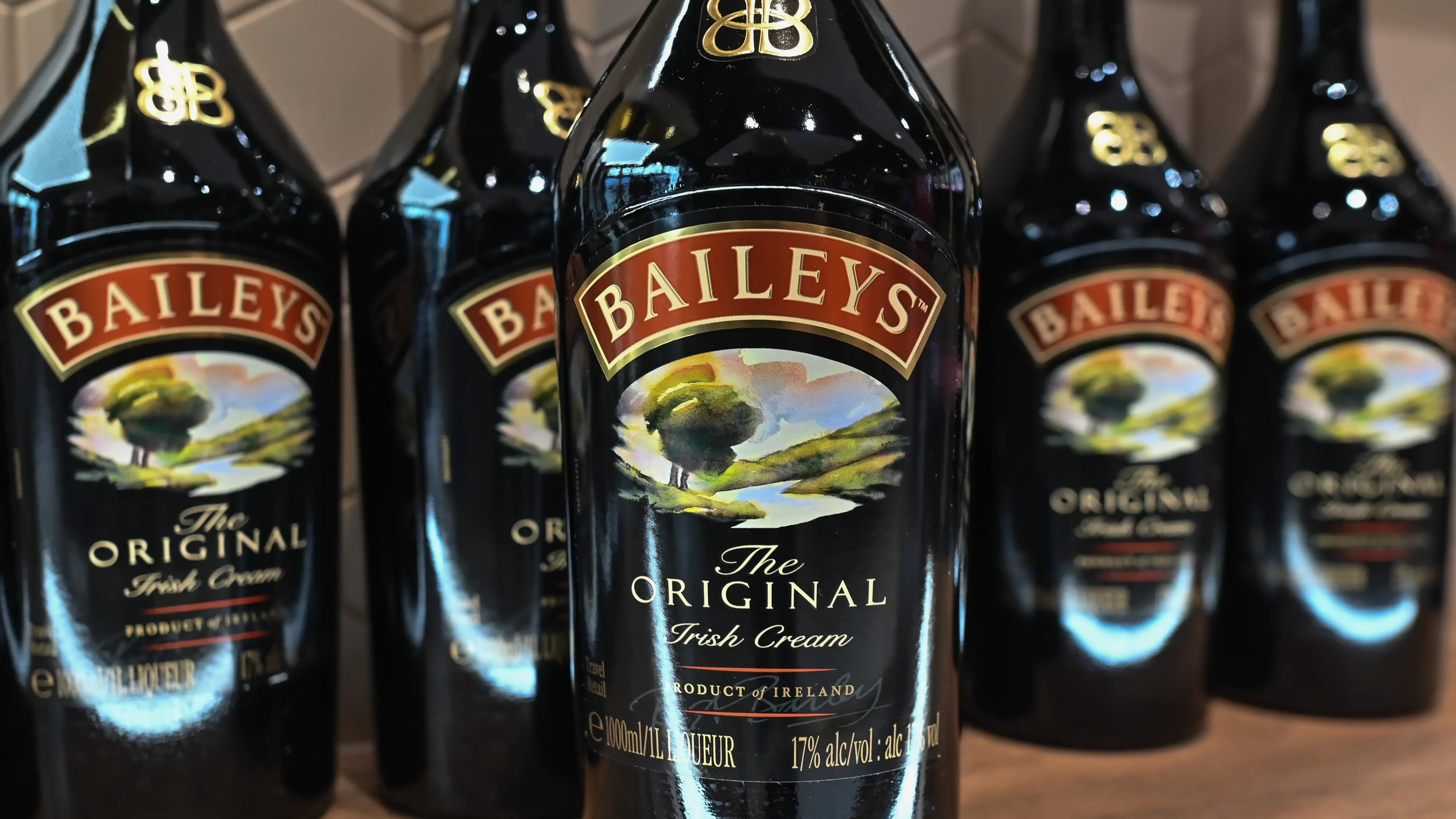
Warning issued to anyone planning on drinking Baileys this Christmas

Christmas is nearly upon us, and we’re ready to get the drinks flowing, with a gorgeous platter and Wizzard playing in the background.
But where there’s a festive bash, there needs to be the perfect beverage...and we all know what tops the list for Xmas boozing. No, it’s not your fancy bubbly, milky eggnog, or even a glass of fragrant mulled wine- it's delicious Baileys.
The Irish cream liqueur drink is not only a Christmas staple, but it’s loved by everyone, everywhere, at any time of the year (trust me). It's a creamy goodness that makes for a yummy accompaniment to whatever food we have to obligatorily eat just so we don’t get side-eyed.
Advert
However, while it’s possibly the best bevvy to come out of the history of distilleries, there’s actually a warning to consider when stocking up on Baileys this year, and it's all about the way you choose to dispose of it.
How to safely get rid of Baileys
Although it may seem tempting to tip any leftovers down the sink, it's not worth it.
Alex Saunders, head of Southern Water, told Birmingham Live: "Something like Baileys, which has a cream content could add to problems. No one likes a nasty surprise over the festive season and a blocked drain is no different.
"This is the time of year where we do see an increase in blockages, and so many of these can be easily avoided. Blocked sewers can cause flooding to homes and unclogging them can take a lot of time and effort."
A potential silver lining is that you've got an extra excuse to just polish off the lot.
Southern Water also referenced the importance of being mindful of how you discard greasy or oily sauces from takeaways, as it can have the same clogging effect.
But it's not all about takeout; our sewage systems battle 50 tonnes of fat from every million turkeys cooked. Choosing to pour any form of oily liquid down the sink leaves you at risk of 'fatbergs' and blockages.
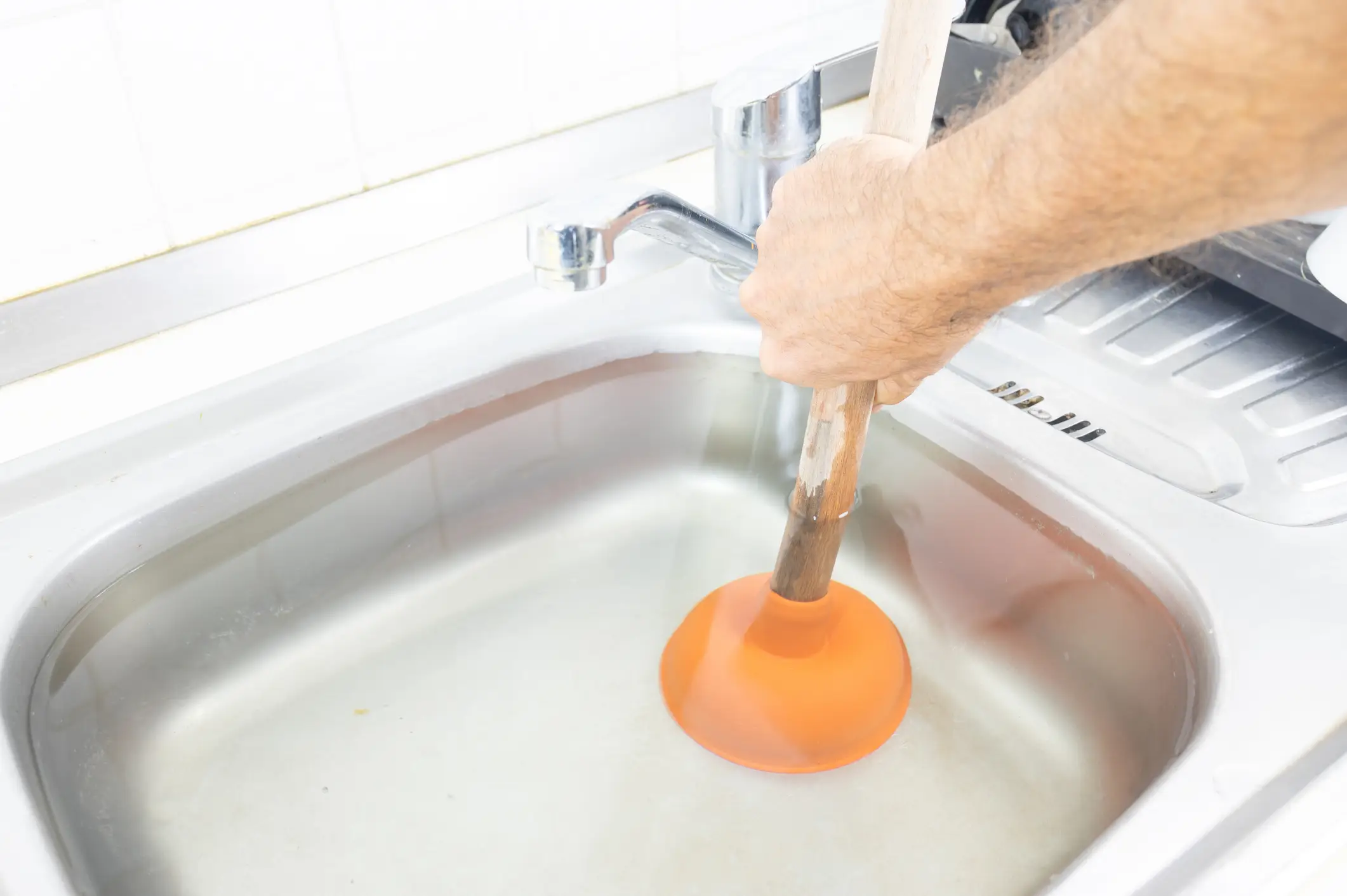
This can cause hard-to-solve problems for your drains due to the liquid cooling down and solidifying further down the pipe and drain system.
'Fatbergs' is a term for the congealed fat, oil, and non-biodegradable household items such as baby wipes or nappies that have been wrongly discarded and flushed. Not only that, but making these choices can result in a very unpleasant smell.
As per Maintain Drains: "As these items take longer to break down, they get stuck in the sewer system, blocking the drain pipes. This causes blockage and can even result in the pipes breaking.
"The most common item to cause a fatberg is fat oil and grease. By putting these items down your drain, you can slowly cause a fatberg due to other substances (such as wet wipes) combining with the oil.
"The substances can no longer flow through your drain swiftly and can get caught and stuck in the drain with other non-flushable objects. This can result in drain blockages."
Topics: Alcohol, Christmas, Food and Drink, Home
 Britt Jones